
American Airlines Flight AA1760 Makes Emergency Landing After Engine Flames Reported Near Myrtle Beach on August 10

Published
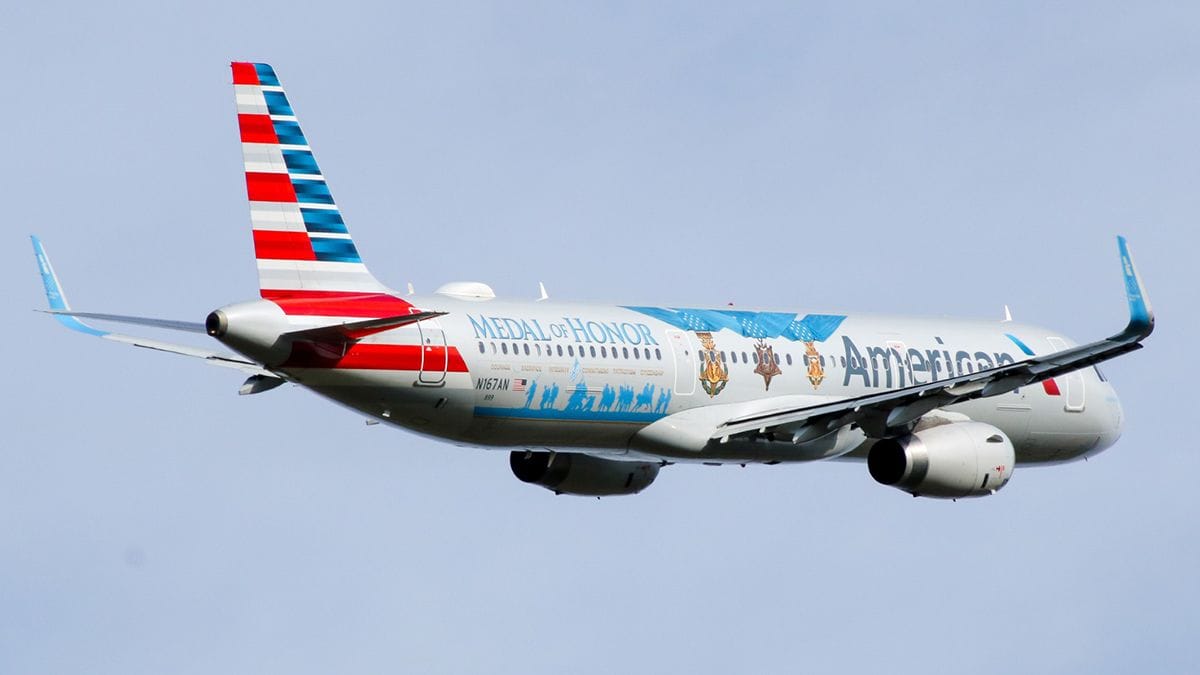
Image generated with Ai
On August 10, 2026, American Airlines Flight AA1760, a Boeing 737-800 operating from Myrtle Beach International Airport to Charlotte Douglas International Airport, made an emergency landing after flames were reportedly seen from an engine shortly after takeoff. The crew declared a Mayday emergency and safely returned the aircraft to Myrtle Beach. Initial reports suggest a possible bird strike caused the engine issue. All 172 passengers and nine crew members were safe, while inspections continued to determine the exact cause.
American Airlines Boeing 737-800 Returns to Myrtle Beach After Engine Emergency
- American Airlines Flight AA1760 departed from Myrtle Beach International Airport (MYR) with Charlotte Douglas International Airport (CLT) as its scheduled destination. The short domestic flight between South Carolina and North Carolina was interrupted when the aircraft encountered an abnormal engine situation after takeoff.
- The aircraft involved was a Boeing 737-800, a widely used narrow-body passenger aircraft operated by airlines across the world. The aircraft is designed with two engines and can safely continue flight operations even after certain engine failures or technical issues.
- According to initial reports, the aircraft crew noticed an issue soon after departure and decided to return to Myrtle Beach rather than continue toward Charlotte. The pilots communicated an emergency declaration with air traffic control using the internationally recognised distress call, “Mayday, mayday, mayday.”
The aircraft remained under the control of the flight crew and completed a safe landing back at Myrtle Beach International Airport.
Advertisement
Advertisement
Flight Details: American Airlines AA1760 Emergency Landing
| Flight Information | Details |
|---|---|
| Airline | American Airlines |
| Flight Number | AA1760 |
| Aircraft Type | Boeing 737-800 |
| Departure Airport | Myrtle Beach International Airport (MYR) |
| Destination Airport | Charlotte Douglas International Airport (CLT) |
| Route | Myrtle Beach, South Carolina to Charlotte, North Carolina |
| Aircraft Category | Narrow-body commercial jet |
| Emergency Type | Engine-related issue after takeoff |
| Reported Cause | Suspected bird strike |
| Passenger Impact | No injuries reported |
The flight was part of American Airlines’ domestic network connecting regional airports with major US aviation hubs. Charlotte Douglas International Airport is one of American Airlines’ largest operating bases, serving as a major connection point for domestic and international travellers.
Suspected Bird Strike Triggers Engine Problem on Flight AA1760
- Early information indicates that the aircraft may have experienced a bird strike shortly after departure. Wildlife strikes are a known aviation safety challenge, especially during takeoff and landing when aircraft operate at lower altitudes and engines are working at high power levels.
- A bird entering a jet engine can damage internal components, including fan blades and other engine parts. Depending on the severity, a bird strike can lead to engine vibration, unusual sounds, reduced performance or visible flames from the exhaust area.
- In this case, reports suggested that birds were present near the aircraft’s flight path after departure. Bird remains were also reportedly identified following the event.
- However, aviation authorities and maintenance teams will need to complete detailed inspections before confirming the exact cause of the engine problem.
Boeing 737-800 Aircraft Safety Features Support Emergency Response
- The aircraft involved in the incident was a Boeing 737-800 from Boeing’s Next Generation 737 family. The model is among the most common commercial aircraft worldwide and is used for short and medium-distance passenger operations.
- The Boeing 737-800 typically carries between 160 and 180 passengers depending on airline configuration. Its twin-engine design allows pilots to respond to engine-related emergencies while maintaining aircraft control.
- During an engine abnormality, pilots follow strict emergency procedures developed by aircraft manufacturers and aviation regulators. These procedures include assessing the aircraft condition, communicating with air traffic control and deciding whether to continue, divert or return to the departure airport.
For Flight AA1760, the crew chose the safest option by returning to Myrtle Beach International Airport.
Advertisement
Advertisement
Passengers Safe After Emergency Landing at Myrtle Beach Airport
- Emergency services were positioned at Myrtle Beach International Airport as the aircraft returned. The Boeing 737-800 landed safely, and passengers were able to leave the aircraft without reported injuries.
- American Airlines is expected to arrange alternative travel options for affected passengers while the aircraft undergoes inspection and maintenance checks.
- Aircraft involved in serious technical events are normally removed from service until engineers complete detailed examinations. Maintenance teams inspect engines, aircraft systems and any possible damage before the aircraft can return to passenger operations.
- The incident caused disruption for travellers scheduled to continue their journey to Charlotte, where many passengers connect to other American Airlines flights.
Aviation Authorities Expected to Review Engine Incident
- The Federal Aviation Administration (FAA) is expected to monitor the investigation into the incident. Aviation investigators and airline maintenance teams will examine several factors, including possible bird strike evidence, engine condition, aircraft records and pilot communications.
- Wildlife management at airports remains an important aviation safety priority in the United States. Airports operate wildlife control programmes to reduce the risk of birds and other animals entering aircraft movement areas.
- The incident also highlights the importance of pilot training and aircraft safety systems. Modern commercial aircraft are designed to handle unexpected events, allowing crews to respond quickly and safely.
American Airlines Flight AA1760 Incident Highlights Aviation Safety Challenges
- The emergency landing of American Airlines Flight AA1760 demonstrates how quickly aviation crews must respond when unexpected problems occur after takeoff. Engine-related emergencies are among the most carefully trained scenarios for commercial pilots because the aircraft is in a critical phase of flight.
- Although passengers experienced a frightening situation, the flight crew followed emergency procedures and successfully returned the aircraft to the airport.
- Further inspection will determine the exact reason behind the engine flames reported during the flight. Until the investigation is completed, the incident remains classified as an engine-related emergency with a suspected bird strike as a possible contributing factor.
- The safe return of Flight AA1760 reflects the layered safety systems involving pilots, aircraft technology, airport emergency teams and aviation regulations designed to protect travellers during unexpected events.
American Airlines Flight AA1760’s emergency landing at Myrtle Beach International Airport highlights the effectiveness of modern aviation safety systems. The Boeing 737-800 returned safely after an engine-related issue, with a suspected bird strike being investigated as a possible cause. The quick response from pilots, air traffic controllers, airport emergency teams and maintenance crews prevented injuries and protected passengers. The incident underlines the importance of aircraft reliability, crew training and strict aviation safety procedures.
(Picture Credit-American Airlines)
Advertisement
Advertisement
Advertisement
