
Greenland Travel Enters a New Arctic Chapter as Nuuk and Ilulissat Airports Transform Remote Adventures

Published
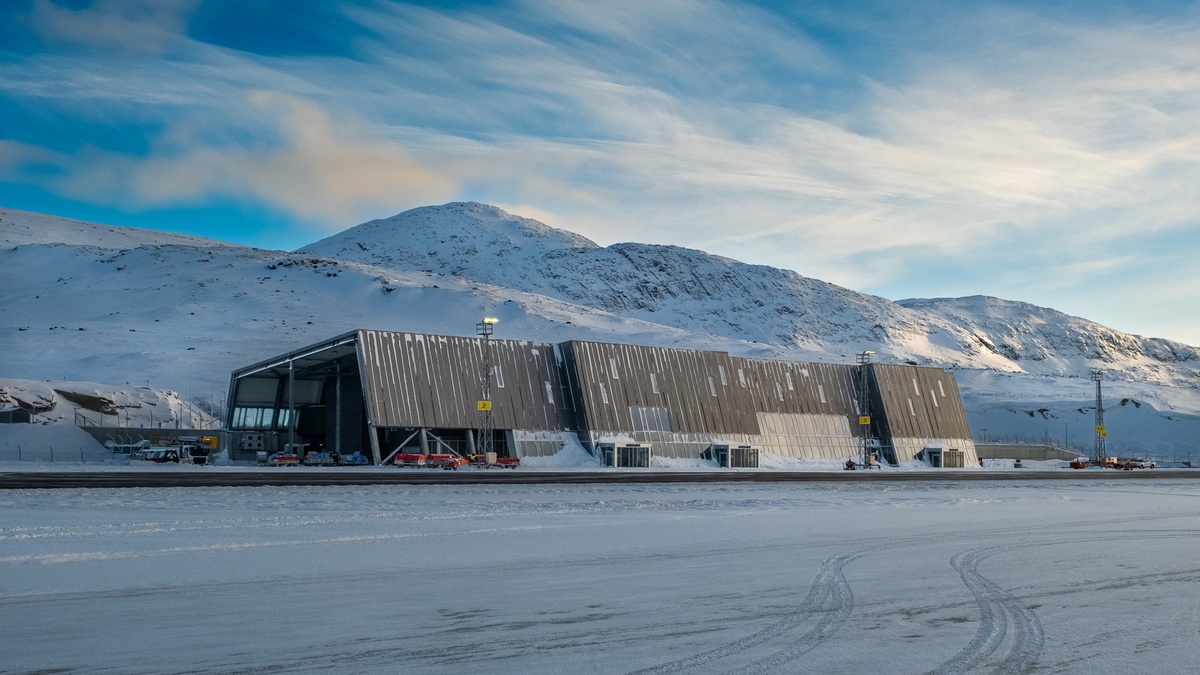
Greenland is entering a new phase of Arctic tourism development as improved airport infrastructure in Nuuk and Ilulissat changes how international travellers access remote wilderness experiences. The transformation is moving Greenland beyond traditional cruise-only visits towards longer stays, fly-cruise journeys and higher-value adventure travel. The country’s tourism strategy is increasingly focused on creating economic value from fewer but more meaningful visitor experiences, supported by new connectivity, sustainable tourism planning and stronger regional access.
Greenland’s New Tourism Story Is About Access, Not Just Arctic Demand
Greenland’s emerging travel opportunity is being shaped by a fundamental change: accessibility.
Advertisement
Advertisement
For decades, Greenland’s Arctic tourism appeal was limited by geography. Travellers often depended on complex connections, seasonal transport patterns and cruise itineraries that allowed only short visits. The development of new international aviation gateways is changing this model by creating new possibilities for independent travellers, expedition operators and premium adventure companies.
The most important shift is centred around Nuuk, Greenland’s capital, and Ilulissat, the gateway to one of the world’s most recognised Arctic landscapes.
Advertisement
Advertisement
The new tourism model is moving from short observation-based visits towards deeper destination experiences. Travellers are increasingly seeking glacier journeys, cultural encounters, wildlife experiences and extended Arctic stays rather than only viewing Greenland from a cruise ship.
Advertisement
Advertisement
According to Visit Greenland’s first Tourism Satellite Account, tourism generated DKK 1.245 billion in value during 2024, represented 4.9% of Greenland’s GDP, and supported approximately 1,800 direct jobs. The data demonstrates that tourism has become a significant economic sector rather than a niche activity.
Nuuk Becomes Greenland’s International Tourism Gateway
Nuuk is positioned at the centre of Greenland’s new tourism structure.
The opening of Nuuk’s international airport created a new connection point for global travellers and marked a major change in how visitors can reach Greenland. Government information highlights that the airport development is part of a wider effort to improve international connectivity and support tourism growth.
For travel companies, the importance of Nuuk is not only about arrivals. It changes the structure of Arctic itineraries.
Previously, many Greenland journeys were built around cruise access or domestic transfers. A stronger international gateway allows operators to develop:
Advertisement
Advertisement
| Tourism Development | Traveller Impact |
|---|---|
| Fly-cruise packages | Easier combination of flights and expedition cruises |
| Longer Arctic stays | More time for local experiences |
| Premium adventure packages | Growth of higher-value tourism |
| Regional exploration | Better access beyond traditional routes |
Nuuk’s role is expanding from a capital city into a tourism starting point where visitors can combine urban culture, fjord excursions, wildlife experiences and onward Arctic exploration.
Ilulissat Emerges As The Arctic Adventure Tourism Centre
While Nuuk provides access, Ilulissat represents Greenland’s iconic wilderness experience.
The city is internationally recognised for the Ilulissat Icefjord, a UNESCO World Heritage Site, and remains one of Greenland’s strongest tourism assets. Its glaciers, iceberg landscapes and Disko Bay location make it a major attraction for expedition travellers.
The development of Ilulissat’s aviation infrastructure is expected to strengthen the city’s position as an Arctic tourism hub. Greenland authorities have identified Ilulissat as part of the country’s wider airport development programme designed to increase international connectivity.
This creates new opportunities for travel businesses offering:
Advertisement
Advertisement
| Ilulissat Tourism Segment | Future Opportunity |
|---|---|
| Expedition cruises | Easier passenger transfers |
| Glacier tourism | Longer land-based experiences |
| Adventure travel | Hiking, sailing and wildlife products |
| Luxury travel | Premium Arctic packages |
The strategic importance is that Ilulissat can help convert Greenland from a destination visited briefly into a place where travellers spend more time and contribute more directly to local communities.
Cruise Tourism Remains Powerful But Greenland Is Seeking Higher Value Travel
Cruise tourism continues to play a major role in Greenland’s visitor economy.
Visit Greenland’s Tourism Satellite Account estimated that approximately 149,000 international tourists visited Greenland in 2024, with around 95,000 arriving through cruise tourism and approximately 54,000 travelling by air.
However, the country’s future tourism strategy is increasingly focused on value rather than visitor volume.
The difference is important.
Advertisement
Advertisement
A cruise passenger may spend only a limited number of hours ashore, while an air traveller staying several days contributes more through accommodation, local transport, restaurants, activities and guided experiences.
This is creating a strategic shift:
| Traditional Arctic Tourism | Emerging Greenland Model |
|---|---|
| Short cruise visits | Longer destination stays |
| Seasonal concentration | Extended tourism seasons |
| Scenic viewing | Immersive experiences |
| Passenger numbers | Economic value per visitor |
Visit Greenland’s tourism planning also highlights the importance of extending seasons and improving year-round utilisation of tourism infrastructure.
Infrastructure Development Could Reshape Arctic Travel Planning
The wider significance of Greenland’s airport transformation reaches beyond one destination.
Arctic tourism has traditionally been controlled by limited access. Remote landscapes created exclusivity but also created operational challenges.
Advertisement
Advertisement
Improved gateways allow:
- easier international planning,
- more reliable traveller connections,
- expanded expedition cruise partnerships,
- stronger local tourism businesses,
- better distribution of visitor spending.
For international tour operators, Greenland could become a more structured Arctic product rather than a highly specialised expedition-only destination.
Sustainable Growth Becomes The Next Challenge For Greenland Tourism
Greater accessibility also creates new responsibilities.
Greenland’s natural environment is one of the main reasons travellers visit, making conservation and community involvement central to future tourism development.
Visit Greenland’s long-term strategy focuses on ensuring tourism growth creates value for communities while respecting local conditions and natural resources.
Advertisement
Advertisement
The challenge for Greenland will be maintaining exclusivity while improving access.
The destination must balance:
| Opportunity | Challenge |
|---|---|
| More international visitors | Protecting fragile ecosystems |
| Higher tourism income | Managing local capacity |
| New business opportunities | Maintaining authentic experiences |
| Cruise growth | Reducing pressure on communities |
Operational Takeaways For Travel Agents And Tour Operators
- Build Greenland packages around Nuuk and Ilulissat as complementary gateways rather than standalone destinations.
- Develop longer-stay itineraries instead of relying only on short cruise visits.
- Monitor airport connectivity changes because they may influence future Arctic package design.
- Promote expedition, cultural and nature-based experiences with strong sustainability messaging.
- Prepare clients for Arctic travel conditions, including weather variability and limited regional capacity.
- Work with local operators to create community-based experiences.
- Consider Greenland as a premium adventure destination rather than a conventional holiday market.
Greenland’s Long-Term Influence On Global Travel Trends
Greenland’s tourism transformation represents a wider shift taking place across global travel markets. Remote destinations are becoming more attractive as travellers search for authentic experiences, untouched landscapes and meaningful connections.
The future of Greenland tourism will likely depend not only on attracting more visitors but on creating a stronger economic relationship between travellers, businesses and communities.
With Nuuk strengthening its role as an Arctic gateway and Ilulissat developing as a world-class adventure destination, Greenland is positioning itself as one of the most strategically important emerging destinations in global expedition travel.
Advertisement
