

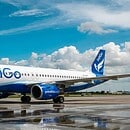
Image generated with Ai
A routine transatlantic travel journey from Paris to Seattle became an exceptionally long operational disruption after Delta Air Lines Flight DL81 encountered a lavatory-related mechanical problem shortly after departure, forcing the Airbus A330-900neo to turn back towards London Heathrow before continuing with an additional crew-related stop at New York JFK. The incident highlights how a relatively localised onboard technical issue can quickly create wider consequences for passengers, airline operations, catering, crew scheduling and international tourism, particularly when a long-haul aircraft is already carrying substantial fuel for an ocean crossing.Delta Air Lines Flight DL81 from Paris to Seattle was diverted to London Heathrow after a lavatory-related mechanical malfunction reportedly caused liquid to spread inside the cabin, before a crew duty-time issue required a second stop at New York JFK, leaving passengers facing a journey of nearly 20 hours.
Delta Flight DL81, operated by Airbus A330-941 aircraft N410DZ, departed Paris Charles de Gaulle Airport for Seattle-Tacoma International Airport on what was expected to be a journey of approximately 10.5 hours, but the crew reportedly identified a mechanical problem connected with an onboard lavatory around 40 minutes after departure. The aircraft subsequently turned towards London Heathrow, with the diversion representing the safest practical option for addressing the technical issue and protecting passengers and crew before the flight travelled farther across the Atlantic, disrupting the carefully planned travel schedules of everyone onboard.
Reports from passengers indicated that liquid began spreading across parts of the cabin floor, although the precise source and composition of the liquid were not officially confirmed by Delta, meaning claims that it was sewage should be treated as passenger speculation rather than an established fact. Possible sources could have included components associated with the lavatory’s water, sink or drainage systems, but the airline confirmed only that a lavatory mechanical issue prompted the diversion, underlining the importance of separating verified operational information from unconfirmed accounts during major tourism and aviation incidents.
As the Airbus A330neo approached London Heathrow, the flight crew declared an emergency because the aircraft was returning much earlier than originally planned and was still carrying a significant quantity of fuel intended for the long transatlantic sector to Seattle. Long-haul diversions can therefore create a landing-weight challenge, and aircraft operators must follow detailed performance, safety and engineering procedures when landing above their normal maximum landing weight or in circumstances where a conventional fuel burn before arrival is not possible.
Advertisement
Advertisement
The early return also demonstrates why diversions can become expensive and operationally complex even when the original mechanical issue appears limited to one section of the aircraft, because maintenance teams, airport authorities, cabin crews, ground handlers and airline operations centres must all respond quickly. For the wider travel industry, such incidents show how passenger comfort, aircraft engineering and safety procedures are closely connected, while tourism networks can be affected when delayed long-haul arrivals lead to missed connections, altered accommodation plans and disrupted onward journeys.
Passenger accounts described damp areas in sections of the cabin and said Delta-branded blankets were placed over affected aisles while cabin crew worked to manage the situation, with some travellers also reporting unpleasant odours and cleaning-related fumes during the disruption. Delta has not publicly confirmed the specific nature of the liquid described by passengers, but the reported conditions nevertheless illustrate the challenge facing cabin crews when an unexpected technical problem affects the physical passenger environment during an international travel operation.
The disruption reportedly extended to inflight catering because meals from the original flight were considered unsuitable for continued service and were discarded, while replacement hot meals were not loaded during the Heathrow stop in an effort to avoid adding further delay. Passengers therefore reportedly relied largely on packaged snacks during the remainder of the journey, demonstrating how one mechanical issue can cascade through multiple areas of airline service and create an experience far removed from the expectations associated with premium long-haul tourism and international travel.
Although maintenance personnel addressed the lavatory-related problem at Heathrow, the delay meant that the original flight crew could no longer complete the entire journey within applicable legal duty-time limits, requiring Delta to adjust its operational plan once again. Flight information indicated that New York JFK was selected as an additional stop, allowing the airline to use its major hub infrastructure to arrange a fresh crew for the final sector to Seattle.
This second diversion was therefore linked not to a newly reported technical emergency but to crew scheduling and safety regulations, which are designed to prevent pilots and other operating crew from continuing beyond permitted working periods. For passengers, however, the distinction may have mattered little after an already substantial delay, as the original Paris-to-Seattle travel itinerary had transformed into a Paris-London-New York-Seattle journey with nearly 20 hours of total disruption.
The aircraft eventually arrived in Seattle at approximately 2:35 AM on Friday, reaching its destination around nine hours behind its scheduled arrival after completing the diversions through London and New York. What had begun as a direct intercontinental service ultimately involved multiple operational decisions, illustrating the extensive coordination required to return a disrupted long-haul service to normal operations while continuing to prioritise safety.
Delta apologised for the extensive delay and said the experience was not what it wanted customers to have, while emphasising that its focus was on transporting passengers safely to their destination. The event provides an important reminder for frequent travellers and the global tourism sector that aviation disruptions are not always caused by severe weather or major aircraft failures, as even a contained onboard systems malfunction can trigger consequences across maintenance, catering, crew availability and international travel networks.
The DL81 disruption reinforces the resilience built into commercial aviation, because the aircraft was diverted, inspected, repaired and ultimately operated onward rather than exposing passengers and crew to unnecessary risk by continuing across the Atlantic with an unresolved mechanical concern. While the journey was undoubtedly frustrating for those affected, the sequence of decisions involving Heathrow, maintenance intervention, JFK and a replacement crew demonstrates how multiple layers of airline safety and operational planning are designed to manage unexpected events.
For travel and tourism professionals, the incident also highlights the importance of accurate passenger communication during unusual disruptions, especially when social media reports and personal accounts can quickly spread unverified claims about the cause of an onboard problem. Airlines, airports and travel advisers benefit from providing clear distinctions between confirmed facts and ongoing assessments, helping travellers understand why diversions occur and why an apparently simple delay can sometimes develop into a complex, multi-stop international journey.
“Delta DL81’s difficult journey is also a reminder of the remarkable safety systems and operational professionalism that underpin global aviation, because the crew and airline teams took the necessary decisions to address the technical issue, manage the aircraft safely and ultimately bring passengers to Seattle despite extraordinary disruption. For the travel and tourism industry, such incidents demonstrate why safety must always remain ahead of schedules, convenience and commercial pressure. The experience was clearly frustrating for passengers, yet the coordinated response across Paris, London, New York and Seattle reflects the resilience of modern aviation and the commitment to getting travellers safely to their final destination,” said Anup Kumar Keshan, Editor-in-Chief of Travel And Tour World.
Delta confirmed that the Paris-to-Seattle flight diverted because of a mechanical issue involving an onboard lavatory, with passenger reports describing liquid spreading in parts of the cabin, although the exact source of that liquid was not officially confirmed.
No confirmed information indicates that the second stop was caused by another mechanical emergency, as the diversion to New York JFK was linked to the original crew reaching its legal duty-time limit after the extended Heathrow delay.
The aircraft returned shortly after departure and was still carrying substantial fuel intended for its transatlantic journey to Seattle, creating a higher landing-weight situation that required the crew to follow appropriate safety and operational procedures.
The flight eventually arrived at approximately 2:35 AM on Friday, around nine hours behind schedule after its diversions through London Heathrow and New York JFK.
No, Delta confirmed a lavatory mechanical issue but did not verify passenger claims about the exact nature of the liquid, so reports describing it specifically as sewage remain unconfirmed.
The incident shows that long-haul travel and international tourism can be affected by unexpected technical, crew and operational issues, making flexible itineraries, realistic connection times and appropriate travel protection important considerations for passengers.
Advertisement
Advertisement
Advertisement













Friday, September 4, 2026

Friday, September 4, 2026

Friday, September 4, 2026

Thursday, September 3, 2026

Wednesday, September 2, 2026

Friday, September 4, 2026
Friday, September 4, 2026