Image generated with Ai
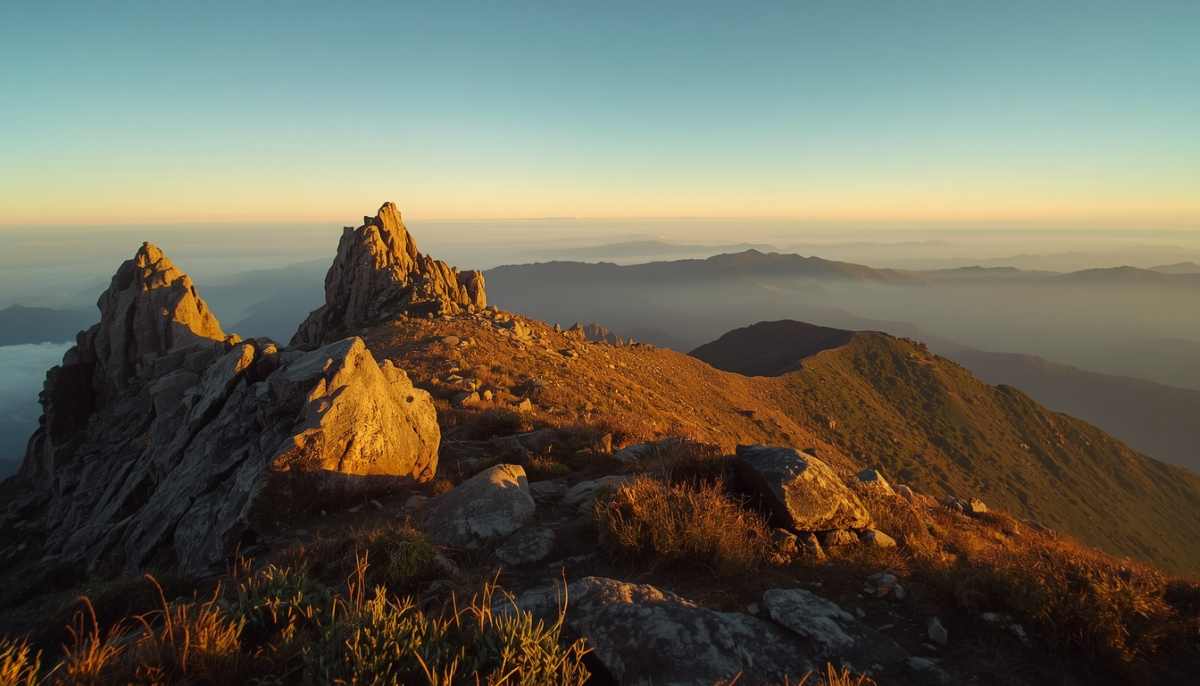
Cerro Chirripó, rising majestically to 3,820 metres above sea level, is the undisputed rooftop of Costa Rica. This high-altitude alpine refuge, nestled in the heart of the rugged Cordillera de Talamanca, is undergoing a monumental strategic shift. Officials from government agencies, environmental ministries and local stakeholders have relaunch an intensive multi-sector campaign for the coveted UNESCO Global Geopark designation for the region. This visionary project combines geological protection, sustainable low-impact tourism and community-led economic development into one, cohesive approach. This transition is critical for international travellers, academic researchers, and environmental conservationists to comprehend the future trajectory of sustainable travel in Central America.
To really grasp the significance of this campaign, one must consider why travellers and scientists alike so often ask: What is it about the geology of Chirripó that makes it so special in relation to the rest of Costa Rica? The Talamanca is a massive granite batholith and has impressive and well-preserved evidence of Pleistocene glaciation, unlike the active volcanic mountain chains that dominate the northern and central parts of the country. Ancient ice sheets that covered the land about 25,000 years ago gouged deep U-shaped valleys, glacial lakes and terminal moraines into the high country. The uniqueness of these morphological features provides a rare and accessible window into the history of earth science at a tropical latitude, thus making an international recognition an overdue priority for the nation’s scientific community.
Advertisement
Protection of the delicate high-altitude páramo and dense cloud forest ecosystems remains paramount as global visitor interest surges. The National System of Conservation Areas (SINAC) regulates entry rigorously to safeguard sensitive flora and fauna, including rare endemic species of amphibians, the resplendent quetzal, and roaming populations of Baird’s tapir. Under the proposed Geopark framework, contemporary tourism models are being actively redesigned to ensure that increased international visibility does not compromise ecological integrity. Strict visitor caps, mandatory local guide programmes, and rigorous carry-in-carry-out waste management policies are enforced across the park’s expanding network of high-altitude trails.
Infrastructure enhancements within the buffer zones are similarly focused on long-term sustainability. Upgraded ranger stations, educational signage outlining millions of years of geological formations, and eco-friendly lodging facilities are being integrated to educate travelers while minimizing their individual environmental footprints. Educational tourism is heavily prioritized, inviting visitors to comprehend the delicate balance required to maintain a pristine wilderness area that spans three distinct provincial territories.
Advertisement
Advertisement
The push for UNESCO status extends far beyond ecological preservation; it acts as a powerful catalyst for socio-economic growth in gateway communities like San Gerardo de Rivas. Local cooperatives, family-run mountain lodges, and indigenous groups are intentionally positioned at the centre of the strategic planning process. By championing geo-tourism—a specialized form of travel that sustains and enhances the identity of a territory, emphasizing its geology, culture, and environment—local residents benefit directly from international visitor spending and diversified income streams.
Economic diversification through guided geological tours, artisan markets featuring regional crafts, and farm-to-table culinary initiatives ensures that local livelihoods thrive alongside strict conservation mandates. This community-centric approach actively prevents the common pitfalls of over-tourism, fostering a deep sense of shared stewardship. Residents become active guardians of the landscape, translating global recognition into tangible regional prosperity without sacrificing their cultural heritage or traditional ways of life.
The designation as a UNESCO Global Geopark means officially that Chirripó joins an elite international network of territories managed with a holistic concept of protection, education and sustainable development. Official government data underlines that the global status of this level greatly increases the volume of sustainable tourism and opens up critical worldwide funds for scientific studies and protection of nature. As Costa Rica continues to lead the way on global conservation conversations on the world stage, Chirripó’s transformation provides an exemplary blueprint for balancing high-value ecological assets with modern socio-economic development needs.
Advertisement
Tags: Cerro Chirripó, Chirripó National Park, Costa Rica, Talamanca mountain range, UNESCO Global Geopark
Advertisement
Advertisement













Friday, September 4, 2026

Friday, September 4, 2026
Friday, September 4, 2026

Thursday, September 3, 2026

Wednesday, September 2, 2026

Friday, September 4, 2026

Friday, September 4, 2026