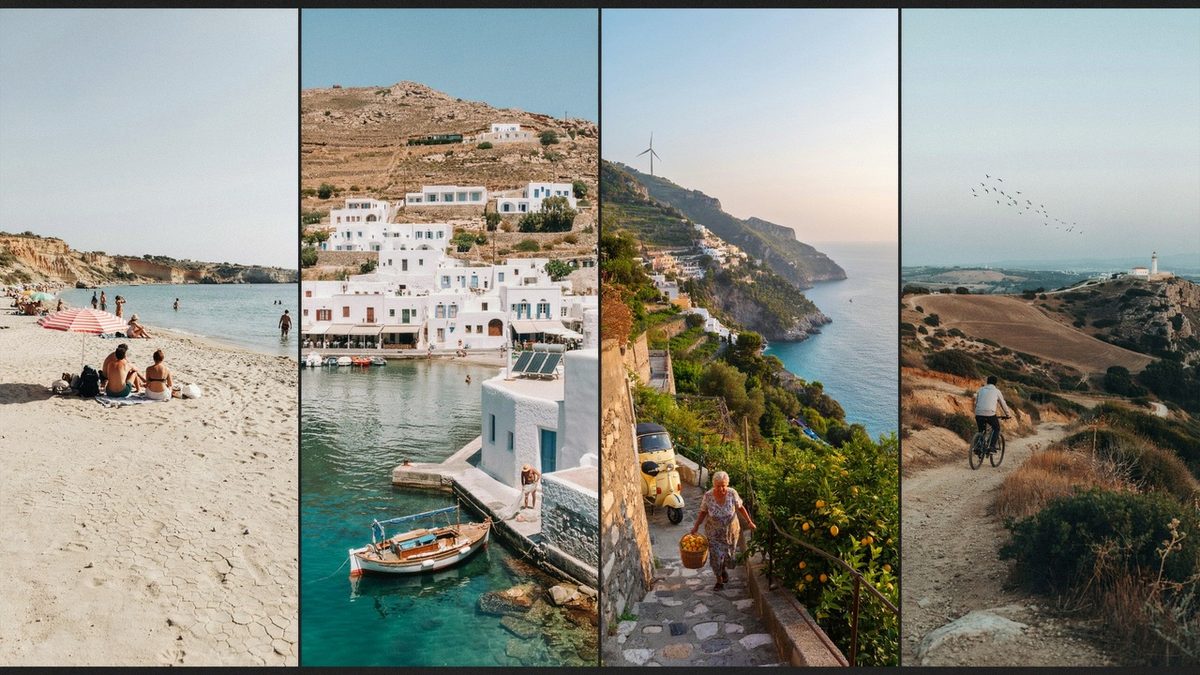
Image generated with Ai
Mediterranean Europe is entering a new era of travel as rising temperatures begin influencing how visitors plan, experience and evaluate their holidays.
For decades, destinations such as Spain, Greece, Italy, Portugal and France have been symbols of the perfect European summer escape, attracting millions of travellers with promises of sunshine, beaches and outdoor adventures. However, increasingly intense heatwaves are changing visitor expectations and encouraging travellers to reconsider when and where they travel.
Recent tourism analysis shows that extreme temperatures are not only affecting physical comfort but also shaping destination perceptions. Heatwaves that arrive earlier, last longer or exceed normal seasonal expectations are having a stronger impact on travellers’ experiences and opinions.
The transformation does not mean travellers are abandoning the Mediterranean. Instead, it signals a shift towards smarter travel behaviour, including visiting during spring and autumn, choosing cooler regions and searching for destinations better prepared for warmer conditions.
Advertisement
Advertisement
Weather has always influenced holiday planning, but extreme heat is changing its role.
Traditional Mediterranean tourism was built around the attraction of hot summers. Warm temperatures were considered a major advantage for beach holidays, outdoor dining, sightseeing and island escapes.
However, when temperatures become excessive, the same climate that attracts visitors can create challenges.
Travellers now consider factors such as daytime heat levels, access to shade, accommodation cooling systems, wildfire risks and the comfort of outdoor activities before booking trips.
Advertisement
Advertisement
| Previous Summer Travel Priority | Emerging Travel Consideration |
|---|---|
| Guaranteed sunshine | Comfortable temperatures |
| Peak-season beach holidays | Shoulder-season travel |
| Busy coastal destinations | Cooler alternatives |
| Outdoor sightseeing all day | Flexible activity schedules |
| Traditional summer breaks | Climate-adapted holidays |
This shift represents a major change for destinations that have depended heavily on July and August tourism.
Mediterranean destinations remain highly attractive, but each country is experiencing different levels of climate pressure.
Travel perception studies examining France, Greece, Italy, Portugal and Spain show that extreme heat can temporarily reduce visitor satisfaction, although the impact varies depending on destination resilience and traveller expectations.
| Destination | Current Travel Position | Heat Impact |
|---|---|---|
| Spain | Strong international appeal with beaches, cities and culture | Visitors remain interested but become more sensitive during intense heat periods |
| Greece | Popular island and heritage destination | Heat affects comfort during peak summer periods |
| Italy | Major cultural and coastal tourism market | Repeated heat events influence seasonal preferences |
| Portugal | Stable climate reputation and diverse tourism offer | Shows stronger resilience among visitors |
| France | Major European destination | Extreme summer conditions create stronger perception challenges |
Spain and Greece continue to attract travellers because of their landscapes, culture and hospitality, but changing climate conditions are encouraging visitors to explore alternative travel periods.
One of the biggest changes emerging from climate pressure is the growing popularity of shoulder seasons.
Spring and autumn are becoming increasingly attractive because they provide a balance between pleasant weather, fewer crowds and better conditions for exploring cities, heritage sites and natural attractions.
Travellers who once preferred July and August are increasingly considering April, May, September and October.
| Season | Travel Advantage |
|---|---|
| Spring | Mild temperatures, fewer crowds and blooming landscapes |
| Early summer | Warm weather without extreme heat |
| September | Sea temperatures remain comfortable with cooler evenings |
| October | Ideal for cultural tourism and outdoor activities |
This change creates opportunities for destinations to reduce pressure during peak months while extending tourism activity throughout the year.
As travellers search for cooler experiences, lesser-known areas and northern parts of Mediterranean countries could gain more attention.
Instead of concentrating only on famous coastal hotspots, visitors may increasingly explore mountain areas, inland towns and regions with better natural cooling.
| Country | Alternative Experience |
|---|---|
| Spain | Northern Spain, mountain regions and Atlantic coastline |
| Italy | Alpine areas, lakes and northern cultural cities |
| Greece | Mainland destinations and less crowded islands |
| France | Northern regions and Atlantic destinations |
| Portugal | Northern landscapes and rural experiences |
The trend could help spread tourism income beyond overcrowded coastal areas while supporting more balanced destination development.
Major European cities are also experiencing pressure from rising temperatures.
Historic destinations designed centuries ago were often not built for prolonged extreme heat. Travellers visiting famous landmarks may face reduced comfort during daytime hours, particularly when exploring outdoor attractions.
Recent European heat events have affected sightseeing experiences, infrastructure and daily life across several countries.
| Challenge | Tourism Impact |
|---|---|
| High daytime temperatures | Reduced outdoor exploration |
| Heat-sensitive infrastructure | Travel disruptions and maintenance issues |
| Wildfire risks | Impact on natural attractions |
| Water pressure | Greater environmental concerns |
| Urban heat | Lower comfort levels for visitors |
Cities are increasingly investing in climate adaptation measures, including shaded public areas, green spaces and improved visitor management.
Modern travellers are becoming more aware of how climate conditions influence their overall holiday experience.
A destination may still offer beautiful beaches, historic attractions and excellent food, but extreme weather can affect satisfaction if visitors cannot comfortably enjoy those experiences.
Travel decisions are increasingly shaped by practical questions:
This change reflects a broader movement towards responsible and informed travel planning.
The future of Mediterranean tourism will depend on adaptation rather than simply attracting more visitors during traditional peak periods.
Destinations are exploring ways to create more resilient tourism systems through environmental protection, improved infrastructure and seasonal diversification.
| Strategy | Tourism Benefit |
|---|---|
| Promoting off-season travel | Reduces summer pressure |
| Expanding inland tourism | Spreads visitor demand |
| Improving green infrastructure | Creates cooler urban spaces |
| Protecting natural resources | Supports long-term tourism |
| Climate-focused marketing | Sets realistic visitor expectations |
The goal is not to reduce tourism but to create a model that remains attractive under changing climate conditions.
No. Mediterranean destinations remain highly popular, but travellers are adjusting timing, destinations and expectations because of increasing heat events.
Spain, Greece, Italy, Portugal and France are among the destinations experiencing increased attention regarding summer heat impacts.
Spring and autumn are becoming increasingly attractive because temperatures are generally more comfortable and crowds are lower.
No. Summer travel will continue, but visitors may change their habits by choosing shorter stays, cooler locations and more flexible schedules.
Families with young children, older travellers and visitors planning extensive outdoor activities may be more affected by high temperatures.
Yes. Some travellers may increasingly explore cooler European destinations during traditional summer months.
Extreme heat is not ending Mediterranean tourism, but it is transforming the way travellers experience one of the world’s most popular holiday regions.
Spain, Greece, Italy, Portugal and other destinations remain powerful attractions, yet the definition of the perfect European summer is changing.
Future travellers may increasingly choose cooler seasons, alternative regions and climate-conscious experiences.
For Mediterranean destinations, the challenge is clear: adapting to a warmer world while protecting the natural and cultural treasures that continue to attract millions of visitors every year.
Advertisement
Tags: climate change tourism, Europe heatwave travel, Mediterranean tourism 2026, Spain Greece Italy travel
Advertisement
Advertisement











Thursday, September 3, 2026

Thursday, September 3, 2026

Thursday, September 3, 2026

Thursday, September 3, 2026

Wednesday, September 2, 2026

Wednesday, September 2, 2026

Thursday, September 3, 2026

Thursday, September 3, 2026



