

UAE July Nationwide Overhaul Accelerates as Six Major Policy Shifts Reshape Daily Life, Introducing Passenger Rail Launch, School Holiday Cycle, Parking Regulation Changes, Tourism Expansion and New Corporate E-Invoicing Rules in 2026

Published
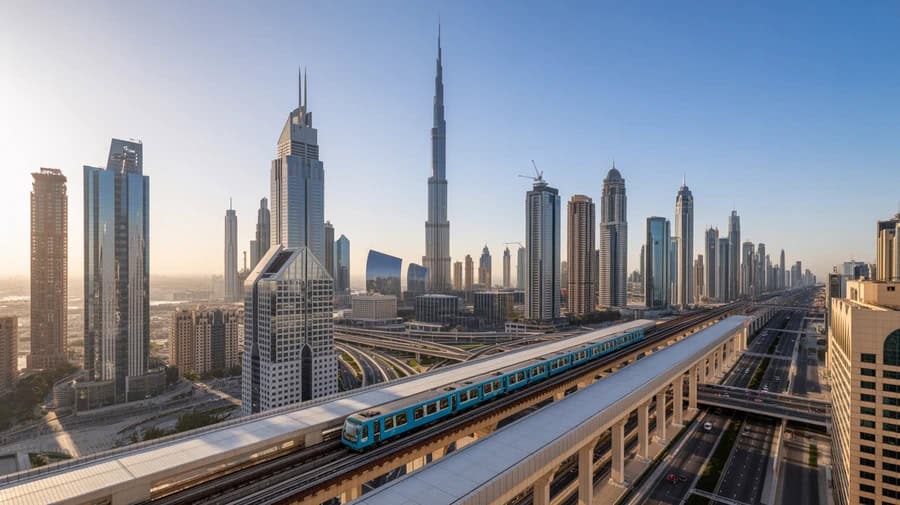
The UAE July Nationwide Overhaul Accelerates as Six Major Policy Shifts Reshape Daily Life, Introducing Passenger Rail Launch, School Holiday Cycle, Parking Regulation Changes, Tourism Expansion and New Corporate E-Invoicing Rules in 2026 is being driven by a coordinated national reform agenda that is reshaping transport, education, taxation, urban mobility and tourism at the same time, marking one of the most comprehensive domestic policy transformations in recent years; the introduction of the Etihad Rail passenger network is expected to significantly improve inter-emirate connectivity and reduce reliance on road travel, while parallel adjustments to school holiday cycles and parking regulations are designed to better align with population growth, commuter demand and urban congestion patterns; at the same time, the expansion of tourism infrastructure and experiences supports the UAE’s long-term diversification strategy, and the rollout of corporate e-invoicing rules signals a decisive shift toward fully digitised financial governance and compliance systems, collectively positioning the country for greater efficiency, sustainability and economic competitiveness across all key sectors.
The UAE enters a major transformation phase as July 2026 triggers six large-scale policy and infrastructure changes that directly impact transport systems, education schedules, urban mobility, tourism activity, administrative services, and corporate compliance. These changes do not operate in isolation. They collectively reshape how residents travel, study, work, and interact with government systems across the country.
The developments span national rail operations, school calendar restructuring, municipal parking reforms, a large-scale retail and tourism festival, consular service restructuring for expatriates, and a mandatory digital invoicing framework for businesses. Together, they signal a coordinated structural shift toward digitisation, mobility expansion, and regulatory modernisation.
1. Passenger Rail Network Enters Public Operations Across the UAE
The UAE passenger rail system enters its operational phase with active public services beginning between key emirates. The Abu Dhabi–Fujairah route becomes one of the earliest operational corridors, with strong demand recorded through digital booking platforms. Seats are quickly reserved as residents respond to the introduction of inter-emirate rail travel.
Advertisement
Advertisement
This rail launch marks a major shift in domestic mobility patterns. For the first time, residents gain a structured alternative to road transport for long-distance travel within the country.
Network Expansion Plan Across Emirates
The rail system follows a phased national rollout strategy:
Advertisement
Advertisement
- September 30, 2026: Dubai and Al Dhaid stations open for passenger operations
- December 30, 2026: Al Dhafra stations begin service, expanding western connectivity
- March 30, 2027: Final expansion phase completes with Sharjah station activation
The network is designed to reduce road congestion, improve travel efficiency, and integrate multiple emirates into a unified transport system. Over time, it positions rail as a central pillar of domestic connectivity.
2. Major Overhaul in Consular and Passport Services for Indian Nationals
A significant administrative restructuring affects Indian expatriates in the UAE. From 1 July 2026, updated global passport regulations introduce a major fee revision, increasing costs by up to 75 percent under revised government frameworks. Local currency pricing will be finalised through official diplomatic channels.
Alongside the fee adjustment, a fully integrated service model replaces previous fragmented systems.
Unified Consular Service System Introduced
A centralised platform now manages multiple services under one structure:
- Passport issuance and renewal processing
- Overseas citizenship documentation
- Visa-related applications and submissions
- Police clearance certificate processing
- Document attestation services
The system introduces a fixed service fee of AED 19 per transaction and streamlines application handling through structured appointment scheduling.
Processing efficiency improves as applications move through a standardised digital workflow designed to reduce delays and increase service consistency across all centres.
Advertisement
Advertisement
3. Nationwide School Summer Holidays Begin Across the UAE
Schools across the UAE enter their annual summer break on 3 July 2026. Both public and private institutions follow the same academic calendar, creating a unified nationwide holiday period for students and families.
This closure marks one of the largest seasonal mobility shifts in the country, as families adjust travel plans, relocate temporarily, or engage in domestic leisure activities.
Academic Calendar Structure
- School closure date: 3 July 2026
- Holiday duration: Approximately eight weeks
- New academic year begins: 31 August 2026
The extended break increases outbound travel demand while also strengthening domestic tourism, retail activity, and indoor entertainment sectors across major cities.
4. Sharjah Extends Paid Parking Hours Until Midnight
Sharjah introduces a revised parking regulation framework effective from 1 July 2026. The municipality extends paid parking hours until 12:00 AM across key urban and suburban zones. This change standardises parking enforcement across different signage systems and aligns all areas under a unified operational schedule.
The reform improves parking management efficiency and ensures consistent application of rules across high-traffic zones.
Coverage Across the Emirate
The updated parking system applies to:
Advertisement
Advertisement
- Sharjah City
- Kalba
- Khorfakkan
- Al Dhaid
Free parking remains available on Fridays and official public holidays, although designated seven-day paid zones continue charging throughout the week without exemptions. The adjustment improves parking turnover and reduces long-term congestion in busy commercial districts.
5. Dubai Summer Surprises 2026 Expands Retail and Tourism Activity
A major seasonal festival begins on 2 July 2026 and runs through 30 August 2026. The event transforms Dubai into a high-energy retail and entertainment hub during the summer period. It activates shopping districts, hospitality venues, and indoor attractions across the city.
The 60-day programme strengthens domestic tourism while attracting regional visitors during the traditionally low travel season.
Festival Highlights
- Large-scale retail discounts across malls and shopping districts
- Live entertainment shows and cultural performances
- Family-focused indoor attractions and experiences
- Seasonal food festivals and pop-up events
The programme supports the retail economy and sustains tourism flows during extreme summer temperatures by focusing on indoor and controlled environments.
6. Mandatory E-Invoicing Framework Enters Business Compliance Phase
A major corporate regulatory shift begins on 1 July 2026 with the introduction of mandatory e-invoicing readiness requirements. Businesses across sectors must begin integrating digital financial systems to comply with upcoming national tax reporting standards.
Companies are required to connect with approved service providers to ensure compliance with structured reporting systems.
Advertisement
Advertisement
Core Business Requirements
- Selection of accredited e-invoicing service providers
- Integration of accounting systems with digital compliance platforms
- Transition to real-time financial transaction reporting
This framework enhances transparency, reduces manual reporting errors, and strengthens financial oversight across commercial operations. It marks a major step toward full digitisation of corporate tax administration.
Country Breakdown in the Article
The entire set of developments is concentrated geographically, with only limited international reference.
1. United Arab Emirates (UAE)
The UAE is the primary country where all six policy shifts occur. Every major change—rail expansion, school holidays, parking rules, tourism festival, and business regulation—is implemented within UAE territory across multiple emirates.
2. India
India appears only in the context of expatriate administrative services. The reference relates to passport fee revisions and consular service restructuring affecting Indian nationals residing in the UAE.
Final Geographic Conclusion
- UAE: Central country of all developments
- India: Secondary administrative reference only
- No other countries are involved or mentioned
All other geographic names in the content represent emirates or cities within the UAE rather than separate sovereign nations.
The UAE’s July 2026 transformation wave represents a coordinated national restructuring across transport, education, governance, tourism, and business regulation. Each of the six major changes actively reshapes daily life, from how residents travel between emirates to how businesses manage financial reporting and how families plan their summer schedules.
Advertisement
Advertisement
The UAE July Nationwide Overhaul is being driven by a coordinated set of six major policy reforms in 2026—covering passenger rail, school calendars, parking rules, tourism growth and corporate e-invoicing—introduced to modernise infrastructure, streamline governance and improve daily life across the Emirates.
Together, these reforms reflect a broader national strategy focused on digital integration, infrastructure expansion, and system-wide modernisation.
Advertisement
