
Romania, Greece and Turkey Connect Through Ancient Healing Heritage As Asclepius Discovery Opens New Cultural Tourism Route

Updated
Published
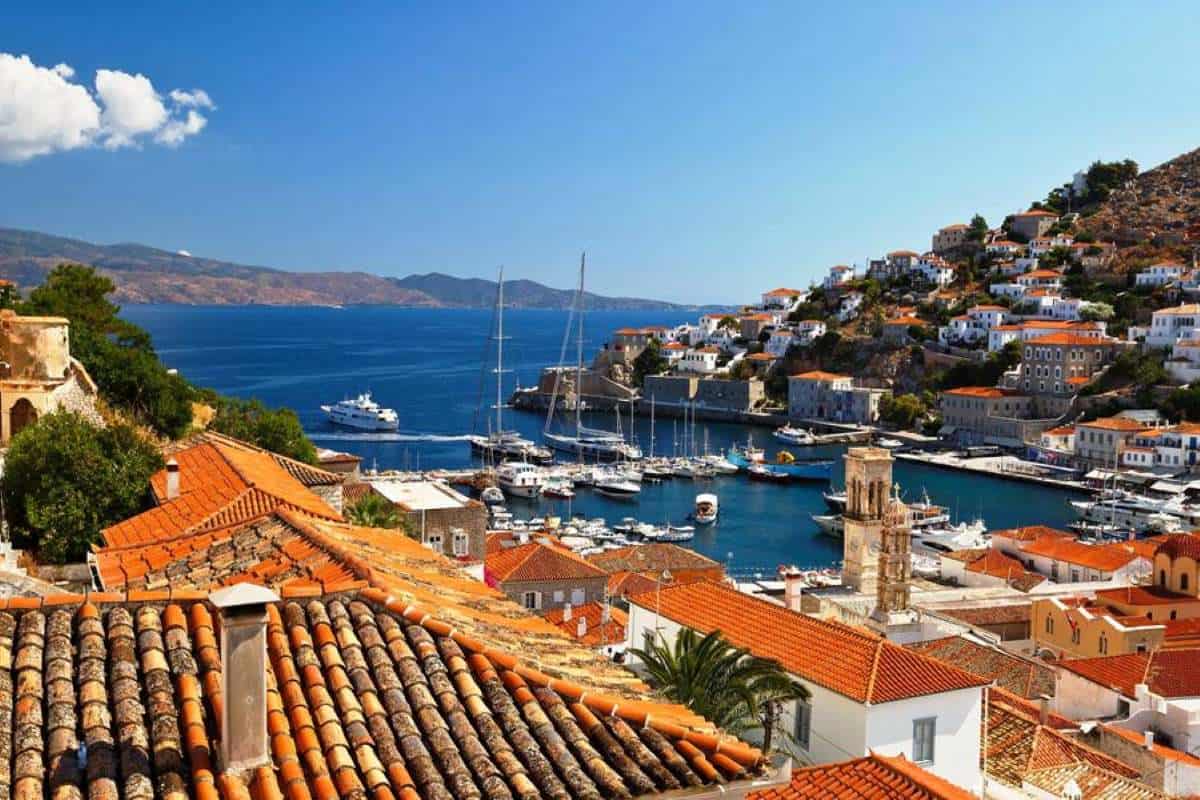
(Image Credit-mintour.gov.gr)
Romania has gained fresh attention among history travellers after archaeologists uncovered a partial statuette linked to Asclepius, the ancient Greek god of medicine and healing, at the Roman city of Colonia Aurelia Apulensis in Partoș near Alba Iulia. The discovery reveals how Greek mythology, Roman urban life and ancient medical traditions travelled across Europe almost 1,800 years ago.
Advertisement
Advertisement
The find creates a wider cultural tourism connection between Romania, Greece and Turkey, three countries where travellers can explore different chapters of the Asclepius story. While Greece represents the birthplace of the healing cult, Turkey preserves some of the most important ancient healing centres, and Romania highlights how Roman expansion carried these traditions deep into Eastern Europe.
For modern travellers, the discovery transforms Romania’s archaeological landscape into a new heritage attraction, offering visitors an opportunity to explore Roman cities, ancient beliefs, religious practices and forgotten connections between Mediterranean and Eastern European civilisations.
Advertisement
Advertisement
Greece Becomes the Starting Point Of The Ancient Healing Tourism Trail
The discovery in Romania is closely connected with Greece because the worship of Asclepius originated in the ancient Greek world before spreading throughout the Roman Empire. Asclepius became one of the most recognised figures associated with medicine, healing and wellness in classical civilisation.
Greece remains the foundation of this heritage journey, where travellers can discover ancient sanctuaries dedicated to healing practices. Sites connected with ancient Greek medicine provide insight into how people viewed health, spirituality and wellbeing thousands of years ago.
Advertisement
Advertisement
This creates a potential cultural travel theme linking archaeological tourism with wellness tourism. Modern travellers increasingly seek experiences connected with history, traditional knowledge and ancient lifestyles, making Greek healing heritage an important part of a broader European heritage route.
The Romanian discovery strengthens this connection by showing that the influence of Greek culture was not limited to Greece itself but became part of a much larger ancient network.
Turkey Adds Another Major Chapter Through Ancient Healing Sites
Turkey is another important country connected to this discovery. Archaeologists previously uncovered an ancient statue of Asclepius at Aspendos in southern Turkey, showing the continued importance of the healing figure across the Roman world.
Turkey’s ancient cities provide travellers with another dimension of the Asclepius story. The country preserves several archaeological locations where Greek traditions, Roman architecture and medical practices existed together.
The connection between Romania and Turkey highlights how Roman-era cultural networks stretched across thousands of kilometres. Ancient travellers, merchants and officials moved ideas, religious traditions and artistic styles throughout the empire.
For heritage travellers, this creates a multi-country itinerary covering ancient Greece, Roman Turkey and Roman Romania, combining archaeology, history and destination exploration.
Advertisement
Advertisement
Romania’s Roman City Could Become A New Heritage Tourism Attraction
The archaeological work at Partoș is revealing much more than the Asclepius-related object. Researchers have uncovered Roman roads, residential structures, public spaces, pottery, religious objects and everyday items that provide information about life in Colonia Aurelia Apulensis during the final decades of Roman rule in Dacia.
The city was an important economic and administrative centre near the Mureș River. It received municipal status under Emperor Marcus Aurelius and later became a Roman colony under Commodus.
These discoveries could strengthen Romania’s archaeological tourism offer by adding another destination for travellers interested in Roman history beyond the more famous attractions of Italy, Greece and Turkey.
The site’s preservation plans, including proposals for an archaeological park, could help transform the area into an educational tourism destination where visitors experience ancient streets, buildings and cultural remains.
Ancient Heritage Tourism Gains Momentum Across Europe
The Romanian discovery reflects a wider trend in European tourism where archaeological discoveries are helping destinations create new travel experiences.
Travellers are increasingly looking beyond traditional sightseeing and searching for immersive cultural journeys. Ancient cities, forgotten civilisations and historical connections between countries are becoming major attractions for educational travel.
Advertisement
Advertisement
A heritage route connecting Greece, Turkey and Romania could offer travellers a unique journey through:
- Ancient Greek healing traditions in Greece
- Roman-era medical and cultural expansion in Turkey
- Roman Dacia archaeology in Romania
Such routes can support local tourism businesses, museums, archaeological parks, guided tours and regional hospitality providers.
Three Countries, One Ancient Story For Future Travellers
The Asclepius discovery in Romania is more than an archaeological event. It represents a shared European heritage story connecting Greece’s ancient beliefs, Turkey’s Roman-era archaeological treasures and Romania’s Dacian-Roman history.
For travellers, this creates a powerful cultural tourism opportunity: following the path of ancient ideas across borders and discovering how medicine, religion and civilisation developed through centuries of exchange.
As archaeological research continues at Colonia Aurelia Apulensis, Romania could emerge as a new stop on Europe’s growing ancient heritage tourism map, while Greece and Turkey remain key destinations in understanding the global journey of Asclepius and ancient healing traditions.
Advertisement
