
New York’s 294,221-Mile Subway Revolution: What Others Are Missing About the Rockaway Shuttle Upgrade

Published
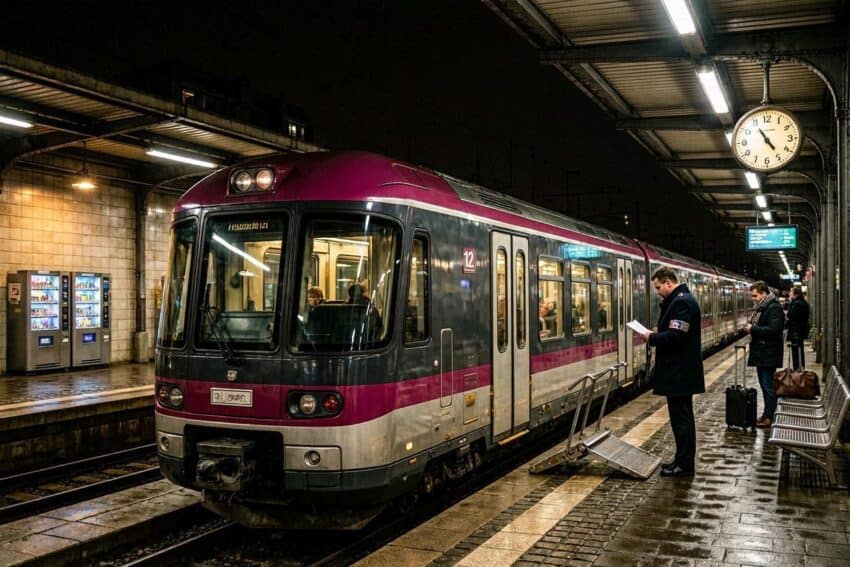
Image generated with Ai
The Metropolitan Transportation Authority (MTA) has officially deployed its state-of-the-art R211A train cars on the Rockaway Park Shuttle in New York, completely replacing the 1970s-era R46 models just in time for the peak 2026 summer beach season. This fleet modernization matters right now because it directly targets the infamous “Beach Bottleneck,” shifting a highly delayed, decades-old transit line into a high-capacity corridor. Daily New York commuters, seasonal beachgoers, and urban transit planners are all acutely affected by this rollout, which marks the fifth subway service in the city to run the next-generation fleet.
Shifting From 1970s Relics to 2026 Tech
For nearly fifty years, the Rockaway Park Shuttle relied on vintage R46 subway cars. While these older models carried generations of riders, their mechanical limits increasingly choked transit efficiency.
Advertisement
Advertisement
The entry of the R211A cars introduces a massive shift in reliability metrics:
- Mechanical Reliability: The outgoing R46 cars averaged a mere 58,685 miles between mechanical failures. The incoming R211 models achieve an average 294,221 miles mean distance between failures (MDBF)—a 400% surge in baseline service reliability.
- Wider Doorways: The new cars feature 58-inch door openings, which are eight inches wider than standard legacy subway doors. This change accelerates boarding times and lowers station dwell times.
- Onboard Enhancements: Every single carriage is now equipped with digital route displays providing live, station-specific information, active security cameras, brighter interior LED lighting, and expanded accessible seating options.
Breaking the “Beach Bottleneck”
While standard mainstream reporting focuses strictly on the mechanical transition from old to new trains, the true, unexamined angle of this rollout is spatial equity and tourism logistics.
Advertisement
Advertisement
The Rockaway Park Shuttle functions as a critical environmental release valve for New York City’s dense urban core during the hot summer months. Historically, the “Beach Bottleneck”—caused by slow boarding and frequent mechanical breakdowns on the above-ground route between Broad Channel and Rockaway Park—consistently choked the flow of low-cost public transit access to the city’s free public beaches.
Advertisement
Advertisement
By strategically introducing the R211A cars to this specific shuttle line, the MTA is utilizing high-reliability tech to flatten transit disparities. This upgrade ensures that lower-income riders relying on public transit get the exact same speed and reliability as high-traffic mainland corridors.
System-Wide Modernization Context
The Rockaway Park Shuttle rollout is part of an aggressive, multi-billion-dollar transit overhaul by the MTA to phase out obsolete rolling stock.
| Outgoing Fleet Class | Active Service Since | Planned Next-Gen Replacement |
| R46 | Mid-1970s | R211A / R211T Fleet Expansion |
| R62 / R62A | Mid-1980s | Historic 1,140-Car Procurement Base |
| R68 / R68A | Late 1980s | Systematic B-Division Upgrades |
According to official MTA data, lines using the R211 cars have shown immediate spikes in passenger satisfaction. In recent customer tracking surveys, cleanliness and ride-satisfaction scores on R211-serviced lines rose significantly, with some lines climbing as much as 14 percentage points to a 78% approval rating.
Advertisement
Advertisement
The Expert Take
This fleet upgrade is more than just a cosmetics change; it represents a major shift toward high-performance urban infrastructure. The deployment shows that the MTA is focused on improving its most vulnerable, seasonal routes alongside major trunk lines.
As TTW Founder and Editor-in-Chief, Mr. Anup Kumar Keshan, elegantly observes:
Advertisement
Advertisement
“The modernization of the Rockaway Park Shuttle fleet proves that world-class urban mobility must prioritize every branch of a transit network equally. By matching a massive 294,221-mile reliability rate with a critical leisure and commuting corridor, New York is setting a clear blueprint for how legacy global cities can use smart asset replacement to enhance social equity and economic resilience at the same time.”
Will these wider doors and higher mileage reliability ratings finally solve your summer commuting headaches?
This major rollout is designed to directly target the long-standing delays that have frustrated generations of beachgoers, but the ultimate test plays out on the tracks during scorching weekend afternoons.
We want to hear from you:
- Have you noticed a faster, smoother boarding process at Broad Channel since the 58-inch wide doors were introduced?
- Do the real-time digital route maps and interior security cameras make you feel more confident and informed during your late-night outer-borough travels?
- Are you noticing fewer unexpected service disruptions now that the fleet is operating with a 294,221-mile breakdown threshold?
Share this article with your fellow commuters, drop your feedback in the comments, and let us know if you think this upgrade successfully bridges the spatial gap between mainland New York and the Rockaway coast!
Advertisement
