

United Airlines Associates With Delta, JetBlue, American and More as United First Base Challenges Traditional Premium Pricing

Published
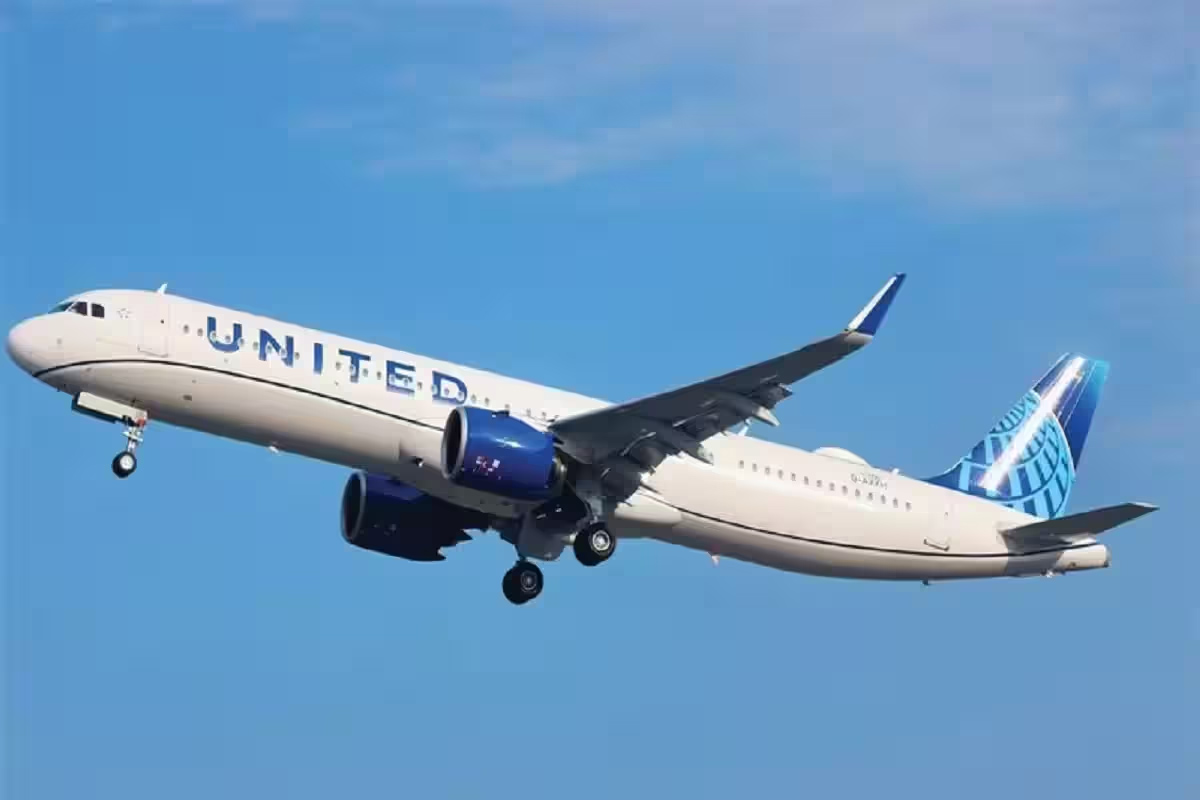
United Airlines Associates With Delta, JetBlue, American and More as United First Base Challenges Traditional Premium Pricing because major U.S. carriers are increasingly separating premium seats from the benefits once automatically included with them. United’s developing First Base model represents one of the clearest examples. Delta already sells First Basic in selected markets, while JetBlue has announced BlueFirst Base for its forthcoming domestic first-class product. American Airlines and Alaska Airlines also offer more restrictive or lower-cost paths into premium travel, although neither currently mirrors United’s structure exactly. Together, these developments show that first-class competition in America is shifting from simply offering bigger seats towards giving travellers different combinations of price, flexibility, baggage and loyalty benefits.
United First Base Pushes Premium Travel Towards Unbundled Pricing
United’s planned First Base fare changes the traditional logic of domestic first class. The passenger is still buying access to the premium cabin, but the lowest fare can carry tighter conditions than Standard or Flexible alternatives.
That means United is not necessarily reducing the physical quality of the first-class seat. Instead, it is changing what comes bundled around that seat.
The Base structure is expected to retain a carry-on and the core United First experience, while potentially limiting checked baggage, advance seat choice, voluntary changes and refundability. Higher fare levels can include broader flexibility.
Advertisement
Advertisement
This distinction matters because premium cabins have traditionally been sold as packages. The seat, baggage, priority treatment and ticket flexibility were often combined. United is now moving towards a model in which passengers can pay less if they are willing to give up selected benefits.
United First Base Compared With Higher Premium Fares
| Feature | United First Base | Higher United Premium Fares |
|---|---|---|
| Premium cabin access | Included | Included |
| United First onboard product | Retained | Retained |
| Carry-on bag | Included | Included |
| Checked baggage | More limited | Broader allowance |
| Advance seat selection | Can be restricted or separately priced | More likely included |
| Voluntary changes | More restrictive | Greater flexibility |
| Refundability | Restricted | Available on flexible products |
| Starting fare | Lower | Higher |
| Physical cabin | Same premium cabin | Same premium cabin |
Delta Has Already Taken the Base-Fare Idea Into First Class
Delta Air Lines currently provides the closest direct comparison with United. Delta expanded Basic pricing into Delta First in July 2026, allowing passengers to access the premium cabin at a lower price while accepting meaningful restrictions.
Advertisement
Advertisement
Delta First Basic passengers retain the first-class onboard experience, but seat assignment can occur after check-in. Changes can attract fees, cancellations can involve charges, and the fare is generally non-refundable outside applicable risk-free cancellation provisions.
Loyalty earning also differs. Delta First Basic earns fewer SkyMiles than higher premium fare products, reinforcing the idea that the airline is selling the same cabin through different commercial packages.
Advertisement
Advertisement
The financial backdrop is important. Delta reported approximately $22.1 billion in premium-product ticket revenue in 2025, up about 7% year over year. That provides a strong commercial reason to broaden access to premium cabins without discounting every premium fare.
JetBlue BlueFirst Base Adds Another Direct Challenger
JetBlue is also moving towards a fare structure that closely resembles United’s approach. Its forthcoming domestic first-class product, BlueFirst, is expected to use three levels: BlueFirst Base, BlueFirst and BlueFirst Flex.
BlueFirst Base is designed as the lowest-priced option. Under the announced model, passengers receive the premium cabin experience but sacrifice some flexibility and benefits.
Advance seat selection is not included with BlueFirst Base. Changes can attract a fee, while cancellation can result in a travel credit after applicable charges. TrueBlue earnings are also lower than with higher BlueFirst fares.
Advertisement
Advertisement
This makes JetBlue one of the clearest examples of premium unbundling in the American airline market.
The important distinction is that BlueFirst is intended for aircraft and routes without JetBlue Mint. Mint remains a higher-end business-class experience and is not currently being positioned through an equivalent Base fare.
How the Major Base-Style Premium Products Compare
| Airline | Product | Lowest Premium Tier | Advance Seat Selection | Changes | Refundability | Loyalty Earning |
|---|---|---|---|---|---|---|
| United | United First | First Base | Restricted or potentially extra | More restrictive | Generally limited | Depends on fare |
| Delta | Delta First | First Basic | Assigned after check-in | Fee may apply | Generally non-refundable | 2 SkyMiles per eligible $1 |
| JetBlue | BlueFirst | BlueFirst Base | Not included | Fee applies | Credit minus applicable fee | 1 TrueBlue point per $1 |
| American | Domestic First | No dedicated First Basic | Included with premium product | Depends on fare | Refundable and non-refundable options | Standard AAdvantage rules |
| Alaska | First Class | No dedicated First Base | Depends on ticket/upgrade | Saver restrictions may apply | Depends on underlying fare | Depends on fare/status |
American Airlines Follows the Trend Without a Dedicated First Basic Fare
American Airlines is relevant to the comparison, but it should not be described as having an identical First Base product.
American sells domestic First as a premium cabin with wider seating, additional space, priority services and upgraded dining on applicable flights. It also differentiates between more restrictive and more flexible premium ticket types.
Its premium structure includes refundable and non-refundable options, meaning travellers can pay more for greater flexibility. However, American does not currently market a specifically branded First Basic fare in the same way Delta markets First Basic or JetBlue plans BlueFirst Base.
Therefore, American participates in the broader trend towards premium fare segmentation, but it remains a partial rather than exact comparison.
Advertisement
Advertisement
That distinction is important for consumers. A cheaper non-refundable First ticket is not necessarily the same product as a deliberately unbundled Base First fare with reduced seat-selection, loyalty or baggage privileges.
Alaska Offers Lower-Cost Routes Into First Class Through Upgrades
Alaska Airlines also approaches the issue differently. It offers Saver fares at the lower end of its pricing structure, while customers can sometimes purchase paid upgrades into First Class.
That can give a traveller a relatively inexpensive path into the premium cabin. However, it is not the same as buying an Alaska First Base ticket because no such dedicated fare family currently exists.
The passenger is effectively starting with a restrictive underlying fare and then purchasing access to a better seat.
Paid First Class upgrades are generally non-refundable once purchased. Saver-ticket restrictions can also continue to matter depending on the original booking.
This makes Alaska relevant when examining how U.S. airlines are broadening access to premium cabins, but it remains structurally different from United, Delta and the planned JetBlue model.
Advertisement
Advertisement
Why Airlines Are Separating the Seat From the Ticket Rules
Premium travel has become increasingly valuable to U.S. airlines.
Instead of treating first class as a single high-priced product, carriers can now divide customers according to what they actually value. Some passengers mainly want a larger seat and upgraded onboard service. Others need free changes, refundable tickets, advance seat selection, additional baggage or stronger loyalty benefits.
Unbundling allows airlines to capture both groups.
United’s scale makes the strategy particularly significant. The carrier handles roughly 175 million customers annually, serves more than 370 destinations, operates over 5,000 daily departures, and generated $59.1 billion in revenue during 2025.
Its average fare per passenger also increased 8.7% during the first half of 2026, while domestic average fares rose 9.7%.
That suggests United is not simply cutting first-class prices. It is creating more pricing levels inside premium travel.
Advertisement
Advertisement
What Travellers Should Check Before Choosing the Cheapest Premium Fare
The lowest first-class fare will not automatically represent the best value.
Travellers should compare the full trip cost, including baggage, preferred seating, possible ticket changes and cancellation needs.
A passenger travelling with one bag, fixed dates and little concern about exact seat placement may benefit from a Base product. Another traveller who expects itinerary changes could save money by purchasing a more flexible fare from the beginning.
U.S. Department of Transportation rules still provide important consumer protections. A restrictive ticket does not remove a passenger’s right to refunds when an airline cancels or significantly changes a flight and the traveller declines the alternatives offered.
The key is separating voluntary ticket restrictions from statutory passenger rights.
Anup Keshan, Founder and Editor-in-Chief of Travel And Tour World, Comments
“United First Base reflects a significant change in how premium airline travel is being sold across the United States. Delta, JetBlue, American and other carriers are increasingly giving passengers more ways to choose between price and flexibility. This can be positive for travellers because premium cabins may become accessible to people who previously considered first class too expensive. However, passengers should compare the entire fare package rather than simply choosing the lowest displayed price. Baggage, advance seating, refunds, loyalty earnings and change conditions can materially affect value. Greater choice works best when airlines make every restriction transparent before a traveller completes the booking.”
Advertisement
Advertisement
Conclusion: Premium Pricing Is Entering a More Competitive Era
United Airlines Associates With Delta, JetBlue, American and More as United First Base Challenges Traditional Premium Pricing because first-class travel is increasingly being sold as a cabin experience separated from ticket flexibility.
Delta already operates First Basic. JetBlue is preparing BlueFirst Base. American offers different premium flexibility levels, while Alaska gives passengers alternative upgrade paths into First Class.
The cause is stronger demand for premium experiences combined with price-sensitive travellers. The answer is fare segmentation. The reason is commercial efficiency: airlines can offer a cheaper entry point while charging separately for flexibility and additional benefits.
For travellers, this could make first class appear more affordable. But the real value will depend on what remains included after the fare has been stripped back.
Advertisement
