
Europen Traveller’s Next Island Obsession: 8 Hidden Paradise Escapes Beyond Koh Samui That Travellers Need to Discover

Published
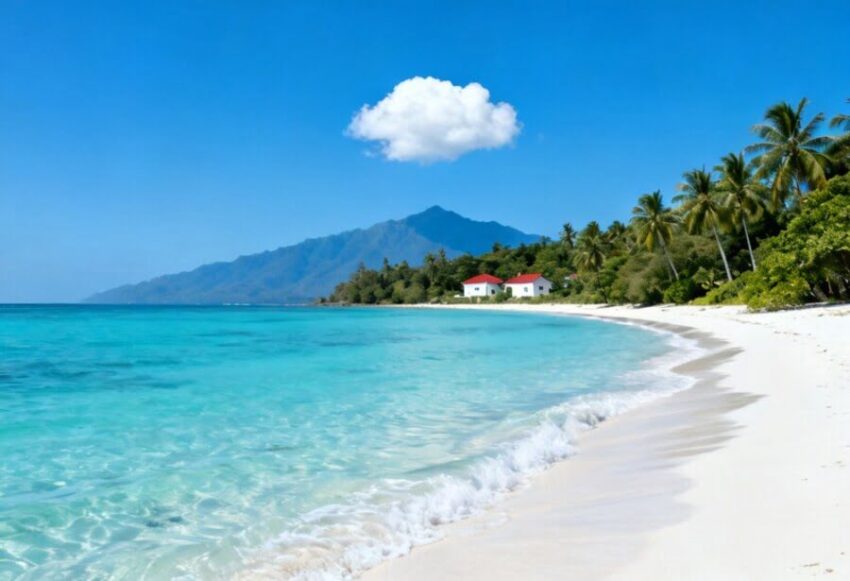
Image generated with Ai
European travellers are chasing new island escapes, and hidden paradise destinations are quickly gaining attention. Beyond Koh Samui, peaceful islands now offer unforgettable beaches, nature and culture. These island escapes give travellers more space, slower days and authentic experiences. From Europe to Asia, each hidden paradise brings a different adventure. Moreover, these lesser-known islands can help travellers avoid crowded hotspots while discovering beautiful coastlines and local traditions. Travel And Tour World urges readers to explore the entire story, because these eight island escapes could inspire the next European holiday. Koh Samui may lead the trend, but these hidden paradises deserve attention too.
Koh Samui Tourism Surges as Europe Discovers Thailand’s Luxury Island Escape
Koh Samui tourism is gaining international momentum as European travellers increasingly look towards Thailand for luxury, nature, wellness and tropical escapes. The island’s appeal is expanding beyond its famous beaches, supported by high-end resorts, cultural experiences, culinary tourism and improved international connectivity.
The strongest recent signal came in July 2026, when Thailand’s government reported that Koh Samui was named the World’s Best Island for 2026 in Travel + Leisure’s World’s Best Awards. The island received a reader score of 95.64, ranking ahead of destinations including the Maldives, Bali and Milos. Thailand’s Ministry of Tourism and Sports said the recognition reflects Samui’s landscapes, cultural heritage and culinary experiences. The government also said it plans to strengthen visitor safety, infrastructure, sustainable tourism and visitor services.
Koh Samui also received major recognition in June 2026, when it was ranked the best island in Southeast Asia in the Travel + Leisure Luxury Awards. Samui Airport was ranked second-best in Southeast Asia, while five Samui resorts entered Thailand’s top 10 beach and island resorts. The results reinforce the destination’s growing luxury-tourism credentials and its ability to attract travellers seeking premium accommodation and quality experiences.
Advertisement
Advertisement
European demand is another important factor. Thailand welcomed 237,570 Polish visitors in 2025, a 31.46% increase from 2024. From January 1 to May 18, 2026, arrivals from Poland reached 137,772, up 17.08% year-on-year. The Tourism Authority of Thailand identifies Bangkok, Krabi, Koh Samui and Chiang Mai as popular destinations for Polish visitors. Their average stay is approximately 14 days, while spending averages about 68,800 baht per person per trip.
Connectivity is expected to support this European growth. A new Warsaw-Bangkok service by LOT Polish Airlines is projected to generate around 47,000 visitors and approximately 3.196 billion baht in tourism revenue during winter 2026–27. TAT forecasts around 49,000 visitors and approximately 3.3 billion baht for winter 2027–28.
Advertisement
Advertisement
For travellers, Koh Samui offers several experiences within one destination. Visitors can combine beaches and resorts with local food, cultural attractions, wellness programmes, waterfalls, jungle landscapes and marine excursions. This makes the island suitable for couples, families, solo travellers and visitors seeking slower, experience-led holidays.
Wellness is becoming particularly important. Thailand’s tourism authorities have promoted wellness activities on Koh Samui, adding fitness, spa and water-based experiences to the island’s broader tourism offering.
Advertisement
Advertisement
Travellers should also consider weather before booking. The UK government states that Koh Samui and southeastern Thailand generally experience their rainy season between November and March, although weather patterns have become increasingly unpredictable. Heavy storms can cause flooding and other disruption, so visitors should monitor official weather warnings before outdoor and marine activities.
International visitors must also complete Thailand’s Digital Arrival Card before arrival. The requirement applies to foreign nationals entering by air, land or sea, with registration available within three days before arrival.
Overall, Koh Samui is moving from a classic beach destination towards a broader luxury and lifestyle tourism hub. Rising European interest, stronger connectivity, global recognition, wellness experiences and diverse attractions are creating new reasons to visit. For international travellers, Samui now offers a more complete Thailand holiday, combining tropical scenery with culture, cuisine, wellness and premium hospitality while placing greater emphasis on sustainable, safe and responsible tourism.
Beyond Koh Samui: 8 Peaceful Lesser-Known Island Escapes European Travellers Should Know
Koh Samui’s growing popularity is part of a wider travel shift. European holidaymakers are increasingly searching for islands that offer beautiful landscapes without the intensity of major resort destinations. These quieter alternatives combine beaches, nature, wellness, local culture and slower travel. From Atlantic volcanic islands to protected Mediterranean sanctuaries and tropical retreats in Asia, several destinations offer a similar sense of escape. They may not have the global fame of Santorini, Ibiza or Phuket, but that can be their greatest advantage. For travellers seeking a more peaceful island holiday, these destinations provide compelling alternatives.
Advertisement
Advertisement
Quick Guide to Peaceful Island Alternatives
| Island escape | Country/region | Best for | Main travel appeal |
|---|---|---|---|
| São Jorge | Azores, Portugal | Nature lovers | Hiking, volcanic landscapes, rural life |
| Alonnisos | Greece | Wildlife and beaches | Marine park, forests, quiet coves |
| Gozo | Malta | Slow travel | Countryside, cliffs, swimming |
| Porto Santo | Portugal | Beach relaxation | 9-km golden beach, wellness |
| Menorca | Spain | Sustainable escapes | Protected landscapes and coves |
| Vis | Croatia | Authentic Adriatic travel | Villages, bays and outdoor exploration |
| Siquijor | Philippines | Tropical wellness | Waterfalls, heritage and healing traditions |
| Koh Yao Noi | Thailand | Quiet tropical travel | Rural island life and Andaman scenery |
São Jorge, Azores: Portugal’s Dramatic Atlantic Hideaway
São Jorge is an excellent choice for European travellers who want dramatic nature rather than crowded resort strips. The Portuguese Azores tourism authority promotes the archipelago around sustainable nature experiences, including hiking, geotourism and whale watching. São Jorge is particularly distinctive because of its volcanic cliffs and coastal fajãs, which are small low-lying areas formed beneath the island’s steep slopes. Official tourism information lists Fajã de São João, Fajã dos Vimes, Fajã da Caldeira de Santo Cristo and Pico da Esperança among its attractions. Travellers can combine walking routes with quiet villages, viewpoints and ocean scenery. The island is especially suitable for visitors who prefer active relaxation, where a day means hiking through green landscapes rather than moving between crowded beach clubs.
Alonnisos, Greece: A Quieter Aegean Alternative
Alonnisos offers European travellers a very different Greek-island experience from the heavily visited Cyclades. Greece’s official tourism authority describes it as the most remote of the Northern Sporades and highlights its pine forests, olive groves, beaches and National Marine Park. The protected marine environment is particularly significant because it provides habitat for the endangered Mediterranean monk seal and important seabird populations. More than 35 walking trails connect coastal areas, forests, old settlements and rural landscapes, giving visitors a practical way to explore away from the busiest tourist areas. Boat excursions can reveal smaller surrounding islets, while beaches such as Milia and Chrisi Milia provide opportunities for slower days beside clear water. For Europeans seeking a peaceful Mediterranean escape, Alonnisos combines wildlife protection with a traditional island atmosphere.
Gozo, Malta: Slow Mediterranean Travel Without the Rush
Gozo is another strong option for travellers who want Malta’s Mediterranean scenery with a more rural rhythm. The official Visit Gozo tourism authority highlights walking routes, valleys, cliffs, coves and countryside as central parts of the island experience. Visitors can explore areas such as Mġarr ix-Xini, Wied il-Għasri and Ramla Valley, then combine hiking with kayaking, snorkelling or diving. The island also has quieter coastal locations where access is less convenient, naturally limiting crowds. San Blas Beach, for example, is reached by a steep path and is promoted by Visit Gozo as a serene coastal retreat. Gozo works particularly well for European couples and solo travellers who want a short Mediterranean break built around nature, village life and outdoor experiences instead of nightlife.
Porto Santo, Portugal: A Golden Island Built for Unhurried Holidays
Porto Santo is one of the strongest choices for travellers whose priority is genuine beach relaxation. Portugal’s official tourism platform describes the island as a tranquil Atlantic refuge measuring roughly 11 kilometres by 6 kilometres. Its defining attraction is a continuous nine-kilometre sandy beach backed by clear waters. The island also offers hiking, diving, windsurfing, cycling, fishing and wellness activities, meaning visitors can remain active without sacrificing the destination’s calm atmosphere. Porto Santo can be reached from Madeira by a short flight or a longer ferry crossing, making it particularly convenient for Europeans already visiting the Portuguese archipelago. Its compact scale also makes slow exploration practical. Travellers can combine beach time with viewpoints, local food, village walks and wellness experiences rather than building a rushed sightseeing schedule.
Menorca, Spain: The Balearic Island for Nature-First Travellers
Menorca provides an appealing alternative to the more famous holiday image associated with Mallorca and Ibiza. The island’s strongest attraction for slow travellers is its protected natural character. Its Mediterranean landscapes, rural areas and secluded coves create opportunities for walking, swimming and exploring at a gentler pace. Menorca is recognised as a UNESCO Biosphere Reserve, reinforcing its importance as a destination where conservation and tourism exist alongside each other. For European visitors, the island is particularly attractive because it can combine a beach holiday with local food, rural landscapes and outdoor exploration. Instead of concentrating an itinerary around major resort centres, travellers can use smaller coastal areas and inland communities as a base for discovering the island’s quieter side.
Vis, Croatia: Adriatic Scenery With a More Authentic Rhythm
Vis is suited to European travellers who want Adriatic scenery while avoiding the atmosphere of Croatia’s busiest coastal destinations. Its appeal comes from a combination of secluded bays, traditional settlements, vineyards, fishing culture and clear Mediterranean waters. The island rewards visitors who stay longer and explore beyond the main harbour area. Kayaking, boat trips, swimming and walking can form the backbone of a relaxed itinerary, while local restaurants provide an opportunity to experience Dalmatian cuisine. Vis is particularly attractive for travellers who value atmosphere over entertainment. Its island setting encourages slower schedules, with mornings spent exploring coastal scenery and evenings devoted to local food and village life.
Advertisement
Advertisement
Siquijor, Philippines: A Tropical Island With a Wellness Identity
For Europeans willing to travel farther into Southeast Asia, Siquijor offers a tropical alternative with a strong cultural personality. The Philippines’ Department of Tourism presents the island as the “Healing Island,” combining natural attractions with long-standing wellness and traditional practices. Cambugahay Falls is one of its major nature attractions, featuring turquoise pools and cascading water. The island also contains significant heritage sites, including Lazi Convent, a historic structure associated with the Spanish colonial period. Its annual Healing Festival provides another window into local traditions, with visitors able to learn about indigenous healing practices, herbs, crafts and local products. Siquijor therefore offers more than beaches. It combines waterfalls, heritage, wellness and tropical scenery in a destination that can feel markedly different from large Southeast Asian resort centres.
Koh Yao Noi, Thailand: The Quieter Answer to Thailand’s Island Boom
Koh Yao Noi is especially relevant for travellers inspired by Koh Samui but concerned about increasing popularity. Located in Phang Nga Bay, the island offers a slower alternative to Thailand’s major beach destinations. Its appeal lies in rural landscapes, traditional communities, coconut plantations, fishing traditions and views across the dramatic Andaman limestone islands. Travellers can use the island as a base for kayaking, cycling, boat excursions and quiet beach time. Its proximity to larger tourism centres also makes it useful for travellers who want access to Thailand’s spectacular marine scenery without staying in a heavily developed resort environment. For Europeans building a longer Thailand itinerary, Koh Yao Noi can therefore provide the slower island chapter after exploring Bangkok or other major destinations.
Why These Islands Matter for Europe’s Next Travel Trend
The growing interest in peaceful island escapes reflects a broader change in holiday expectations. Travellers increasingly want destinations where accommodation, nature, food and local culture can be experienced together. The strongest alternatives to Koh Samui are therefore not necessarily the cheapest or most remote islands. They are destinations that offer a better balance between access and tranquillity. São Jorge brings volcanic wilderness, Alonnisos protects marine life, Gozo delivers rural Mediterranean charm, Porto Santo focuses on beach and wellness, while Siquijor adds tropical nature and cultural depth. For European travellers planning their next island holiday, choosing a less-famous destination can also mean discovering a more personal version of island life before mass tourism catches up.
Conclusion
European travellers are no longer limited to famous island destinations when planning their next escape. Beyond Koh Samui, these eight hidden paradise islands offer peaceful beaches, dramatic landscapes, authentic communities and memorable experiences. Moreover, each destination provides a different way to enjoy slow and meaningful travel. From Portugal and Greece to Thailand and the Philippines, these island escapes prove that unforgettable holidays do not always require crowded hotspots. For travellers seeking tranquillity, nature and discovery, now could be the ideal time to explore them. Travel And Tour World encourages readers to look beyond familiar destinations and discover the quieter islands shaping the future of global travel.
Advertisement
