
Austria Moves Alongside Germany and Others as Sustainable Railway Travel Gains Momentum Across Europe

Published
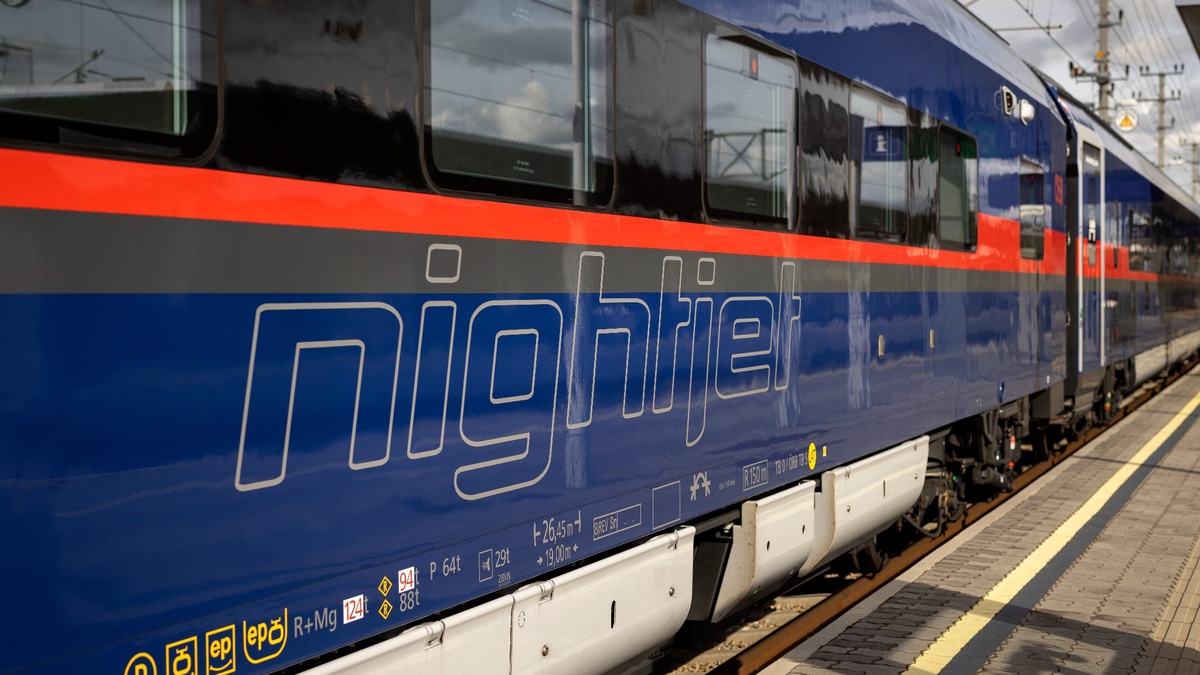
Austria, Germany, France and Italy are strengthening Europe’s international night train network as travellers increasingly seek sustainable alternatives to some short-haul journeys. The latest railway transformation is centred on expanding sleeper connections, improving cross-border interoperability and making overnight rail a practical tourism product rather than only a transport service. Vienna and Munich have emerged as important hubs within this evolving network, linking major European destinations through overnight routes operated mainly by ÖBB Nightjet and partner rail services.
Europe’s Night Train Network Moves From Revival To Strategic Sustainable Mobility
Europe’s overnight railway sector is entering a new phase as governments, railway operators and transport institutions focus on international rail connectivity rather than isolated domestic services.
The biggest shift is that night trains are no longer being positioned only as nostalgic travel experiences. They are becoming part of Europe’s wider sustainable mobility strategy, designed to connect cities overnight while reducing dependence on certain short-distance air journeys.
Austria has become one of the strongest drivers of this transformation through Austrian Federal Railways’ ÖBB Nightjet network. The service connects Austria with major European markets including Germany and Italy, while offering sleeper, couchette and seating options designed for modern travellers.
Advertisement
Advertisement
The common objective linking Austria, Germany, France and Italy is clear: create a connected European railway system where passengers can cross borders efficiently while travelling directly between city centres.
| Country | Railway role | Tourism importance |
|---|---|---|
| Austria | Main night train development hub through ÖBB Nightjet | Vienna acts as a central gateway for European overnight travel |
| Germany | Major transit market and connection point | Munich, Berlin, Hamburg and other cities connect international routes |
| France | Western European connectivity partner | Links sustainable rail travel with major tourism markets |
| Italy | Southern European destination network | Venice, Florence, Rome and northern Italian cities benefit from overnight arrivals |
Austria Places Vienna At The Centre Of Europe’s Sleeper Train Expansion
Austria is currently the strongest symbol of Europe’s night train comeback.
Advertisement
Advertisement
Vienna has developed into one of the continent’s leading overnight rail hubs, with connections reaching Germany, Italy, Switzerland, Belgium and the Netherlands through ÖBB services. The railway operator promotes overnight travel as a way for passengers to arrive directly into city centres after sleeping onboard.
For tourism businesses, this creates a different travel pattern. Visitors can leave one country in the evening and begin sightseeing the following morning without airport transfers, security queues or additional city transport connections.
Advertisement
Advertisement
The Austrian model is also important because it demonstrates how sleeper trains can combine tourism, business travel and sustainable mobility.
According to ÖBB’s official Nightjet information, services operate to more than 25 European cities, including destinations in Austria, Germany and Italy.
Germany Becomes Europe’s Key Night Rail Bridge
Germany plays a strategic role because of its geographical position between western, central and southern Europe.
Cities including Munich, Berlin, Hamburg and Stuttgart are important departure points within the wider overnight railway system. Germany’s rail infrastructure allows international services to connect multiple markets through one central European network.
Advertisement
Advertisement
Munich is particularly significant because it links Germany with Austria and Italy. The city’s location near the Alpine corridor makes it a natural connection point between northern European markets and Italian tourism destinations.
For international travellers, this means rail journeys can become part of the holiday experience itself. Instead of spending additional time transferring between airports and city centres, passengers can combine transportation and accommodation in one overnight journey.
France Strengthens The Western European Rail Connection
France remains an important part of Europe’s sustainable transport discussion because of its extensive passenger railway network and its role in connecting western European travellers with international rail corridors.
The European Union’s wider rail strategy focuses on improving cross-border connections, removing operational barriers and creating a more integrated railway system.
France’s involvement in the European night train revival reflects a wider shift in passenger expectations. Travellers are increasingly looking for comfortable, direct and lower-impact transport options between major cities.
The challenge for France and other European countries is ensuring that international sleeper services have sufficient infrastructure capacity, suitable rolling stock and reliable cross-border scheduling.
Advertisement
Advertisement
Italy Turns Overnight Rail Into A Tourism Opportunity
Italy represents one of the strongest destination markets for European night trains.
ÖBB Nightjet services connect Austria and Germany with Italian destinations including Venice, Florence and Rome. These routes provide northern European travellers with direct overnight access to some of Europe’s most popular cultural tourism destinations.
Venice is particularly associated with overnight rail tourism because travellers can arrive directly into the historic city after departing from northern European hubs.
For tourism operators, overnight trains create opportunities for multi-city packages combining destinations across national borders.
A traveller could begin a journey in Germany, pass through Austria and continue into Italy without using multiple airport connections.
The Infrastructure Challenge Behind Europe’s Night Train Growth
The expansion of night trains depends not only on passenger demand but also on railway infrastructure.
Advertisement
Advertisement
The European Commission’s Trans-European Transport Network (TEN-T) strategy aims to improve interoperability, signalling systems and cross-border railway performance across Europe.
Key requirements include:
| Infrastructure priority | Importance for night trains |
|---|---|
| Cross-border signalling compatibility | Allows trains to operate smoothly between countries |
| More rail capacity | Prevents passenger and freight conflicts |
| Better booking systems | Makes international journeys easier to purchase |
| Improved passenger rights | Creates confidence for travellers |
The European Commission has also proposed measures to simplify multi-operator rail booking and make cross-border train journeys easier for passengers.
Why This Matters For Travel Companies And Tour Operators
The night train revival creates new opportunities for the travel industry.
Tour operators can develop rail-based holiday packages that combine multiple countries, especially for customers seeking slower and more sustainable travel experiences.
Luxury tourism brands can also use premium sleeper services as part of experiential journeys, while city tourism boards can benefit from easier access from neighbouring countries.
Advertisement
Advertisement
Operational impact for travel businesses
| Area | Opportunity |
|---|---|
| Package holidays | Multi-country rail itineraries |
| Sustainable tourism | Lower-carbon travel options |
| City breaks | Overnight arrivals increase available holiday time |
| Premium travel | Sleeper cabins create luxury rail products |
Travel Industry Takeaways
- Monitor new ÖBB Nightjet and partner railway route developments.
- Build multi-country rail itineraries connecting Austria, Germany and Italy.
- Highlight city-centre arrival benefits in sustainable tourism packages.
- Consider overnight rail as an alternative for selected short-distance European journeys.
- Track European Union rail integration policies affecting future connectivity.
Long-Term Outlook
Europe’s night train expansion represents a strategic shift in how international travel is organised. The future of sustainable tourism is unlikely to depend on one transport mode alone, but cross-border sleeper rail is becoming an increasingly important component of Europe’s mobility ecosystem.
Austria, Germany, France and Italy share a common objective: creating a railway network that allows travellers to move across borders efficiently, comfortably and with fewer environmental impacts.
As infrastructure improves and booking systems become simpler, overnight rail could become a stronger competitor within Europe’s short and medium-distance travel market, creating new opportunities for tourism businesses and international travellers.
FAQs
1. Which countries are leading Europe’s night train revival?
Austria, Germany, France and Italy are among the most important countries involved in rebuilding international overnight rail connections.
2. Why are night trains becoming popular again?
Night trains allow travellers to combine transportation and overnight accommodation while arriving directly in city centres.
3. Which city is a major hub for European sleeper trains?
Vienna is one of Europe’s most important night train hubs because of ÖBB Nightjet’s international network.
Advertisement
Advertisement
4. Can night trains replace all short-haul flights?
No. Night trains are mainly suitable for selected medium-distance European routes where overnight travel is practical.
5. What is the main challenge for expanding European night trains?
The biggest challenges include infrastructure capacity, cross-border coordination, rolling stock availability and simplified booking systems.
Advertisement
