
Brazil Election 2026: Security And Transport Impacts To Watch On 4 October- Now What Travellers Need to Know

Published
Brazil’s 2026 general election will bring nationwide changes that extend beyond polling stations. For travellers, businesses and organisations operating across the country, 4 October is likely to be a day when transport patterns, security arrangements and access to public spaces differ from normal Sunday conditions.
More than 158.7 million people are eligible to vote, with Brazilians choosing the president and vice president, governors, senators, federal deputies and state legislators. The presidential and gubernatorial contests could proceed to a second round on 25 October if required.
Advertisement
Advertisement
The practical consequences for visitors are particularly relevant in major urban centres. Free public transport, additional services, police deployments, traffic management and possible restrictions around sensitive locations could alter normal travel routines.
The election should therefore be viewed not simply as a political event, but also as an operational consideration for tourism, corporate travel, aviation-related ground movements, hospitality and destination management. . At least 12 Brazilian states will impose some form of restriction on alcohol sales during the first round, although the geographical scope and hours of the restrictions vary between states and electoral zones.
Advertisement
Advertisement
“Brazil remains an important destination for international tourism, and clear travel information becomes particularly valuable during major national events. Travellers and industry stakeholders should monitor official guidance, plan journeys carefully and maintain flexibility. Responsible communication can help visitors navigate changing conditions while supporting confidence in Brazil’s tourism and hospitality sectors.”, says Anup Kumar Keshan, Editor-in-Chief, TTW
Why will Brazil election 2026 matter to travellers?
The main travel consideration is the concentration of people and security resources around election infrastructure. Polling stations, electoral facilities, political party offices and government buildings are expected to receive heightened protection, while authorities coordinate measures designed to maintain access for voters.
Advertisement
Advertisement
For travellers, this can translate into increased police visibility, security checks, controlled access and temporary traffic measures.
The period immediately surrounding polling day is particularly important. Riskline expects heightened election-related risk to extend from 4 October into 5 October, when authorities and communities respond to the results.
Travellers do not necessarily need to change their entire itineraries. However, journeys involving government districts, major political locations or areas where gatherings develop may require additional planning.
A flexible itinerary can help visitors respond to unexpected road closures, crowd concentrations or transport delays without disrupting essential travel.
How will public transport change on 4 October?
Public transport is one of the clearest areas where election day will differ from a normal Sunday.
Brazilian electoral arrangements require free urban and intermunicipal public transport on election day. Services are also expected to operate at frequencies closer to ordinary weekday levels in many locations rather than reduced Sunday schedules.
Advertisement
Advertisement
The objective is to help voters reach polling stations and return home. For travellers, however, the same policy could generate significantly different passenger patterns.
Free fares can encourage greater use of buses, trains, metro systems, ferries and other public transport. Consequently, stations and interchange points could experience heavier passenger flows than visitors would normally expect on a Sunday.
Travellers should check local operating arrangements before starting journeys, particularly where several transport modes are required.
What should visitors expect in Rio de Janeiro?
Rio de Janeiro provides an important example of how election transport arrangements can affect travel.
According to the information supplied by Riskline and Brazilian authorities, intermunicipal buses, trains, the metro and ferries in Rio de Janeiro state will operate free of charge from 06:00 to 20:00 on election day.
In the city of Rio de Janeiro, the arrangement also covers systems including BRT and VLT, alongside registered vans.
Advertisement
Advertisement
For tourists moving between accommodation, attractions and transport hubs, the availability of free services could make public transport more attractive. At the same time, increased demand may create busier stations, platforms and vehicles.
Travellers should therefore allow additional time, particularly when travelling during periods when voters are moving towards or away from polling locations.
What changes can travellers expect in São Paulo?
São Paulo will also provide free public transport during the election, creating another potentially significant change for visitors.
The city already operates one of Brazil’s largest and busiest urban transport systems. Election-day demand could therefore produce different passenger flows across metro stations, railway facilities and bus corridors.
Travellers should avoid assuming that free transport means faster journeys. The removal of fares can simplify payment, but increased passenger numbers may create queues, crowded vehicles and delays at major interchange points.
Visitors with flights, intercity connections, business appointments or pre-booked activities should build additional time into their schedules.
Advertisement
Advertisement
For international travellers, this is particularly relevant when a ground journey connects with a fixed departure time. Reaching an airport earlier than usual can provide a useful buffer if urban congestion increases.
Could roads and traffic be affected?
Yes. Election-related security operations can affect roads even when no major incident occurs.
Authorities are coordinating measures intended to protect voters and maintain movement around polling locations. Police deployments, security checks, temporary restrictions and traffic diversions may therefore appear in specific areas.
These measures are likely to be localised rather than nationwide road closures. Their timing and geographical reach can also change depending on circumstances.
For travel managers, the practical lesson is to avoid relying exclusively on estimated journey times. Drivers should have alternative routes available, while visitors using taxis, ride-hailing services or private transfers should allow extra time.
Airport transfers deserve particular attention because delays on urban roads can have consequences beyond the immediate journey.
Advertisement
Advertisement
Will security be increased around tourist areas?
Security resources are expected to be concentrated primarily around electoral and politically sensitive locations rather than ordinary tourist attractions.
Polling stations, electoral infrastructure, government buildings and political party offices are among the locations where travellers may notice a stronger police presence.
A visitor may therefore encounter checkpoints, barriers or restricted access without the area necessarily being unsafe.
Travellers should follow instructions from police and other authorised personnel. They should also avoid entering restricted areas simply to observe political activity.
Tourists taking photographs should exercise normal situational awareness around security installations, police operations and politically sensitive sites.
The most useful approach is to treat security measures as part of the operating environment and adjust routes when necessary.
Advertisement
Advertisement
Could demonstrations affect travel after voting?
Potentially. Political gatherings can develop as election results emerge, particularly in major cities and around government or political locations.
Brazil experienced significant political unrest after the 2022 presidential election, including roadblocks and the January 2023 attack on government buildings in Brasília. Those events form part of the country’s recent political context, although the 2026 campaign has not, according to the supplied Riskline assessment, experienced disruption on the same scale.
That distinction is important. Previous unrest does not establish that similar events will occur in 2026.
Nevertheless, travellers should avoid demonstrations and large political gatherings, including gatherings that initially appear peaceful. Crowds can change rapidly, and roads surrounding them may become inaccessible.
Keeping accommodation, transport and activity plans flexible can reduce exposure to unexpected disruption.
Could alcohol restrictions affect hospitality?
Election-day restrictions can extend into the hospitality sector.
Advertisement
Advertisement
According to the supplied information, at least 12 Brazilian states will impose some form of restriction on alcohol sales during the first round. The specific rules, timings and geographical coverage vary between states and electoral zones.
This means travellers should not assume that rules applying in one Brazilian destination will automatically apply elsewhere.
Restaurants, hotels, bars, entertainment venues and other hospitality businesses may operate under different local arrangements. Travellers planning evening activities should check the rules applying to their specific destination.
For tourism operators, advance communication can also help prevent confusion among international visitors who may be unfamiliar with election-related restrictions.
Why does the US consular suspension matter?
The United States suspended consular services at its embassy and consulates in Brazil on 2 October, according to the supplied Reuters report, citing security concerns. The State Department did not publicly specify the nature of those concerns or directly attribute them to the election.
The development is relevant to international travellers because consular services can be important during emergencies, document issues and other situations requiring government assistance.
Advertisement
Advertisement
US citizens travelling in Brazil should therefore monitor official US government guidance and understand the alternative channels available for emergency assistance during the suspension.
The supplied Riskline guidance also notes a temporary closure of Australia’s embassy in Brasília. Travellers of all nationalities should rely on their own government’s official travel and consular information for destination-specific instructions.
Could a second round extend travel disruption?
A second round could prolong the period during which travel managers need to monitor developments.
If no presidential candidate receives more than 50% of valid votes, the presidential election would proceed to 25 October. A second round could also apply to gubernatorial contests where required.
From a travel perspective, the significance is operational rather than political. A further election date would mean another period involving increased security, public transport arrangements, political campaigning and the possibility of gatherings.
Organisations managing employees or group travel should therefore consider whether itineraries extend into the second-round period.
Advertisement
Advertisement
Travel companies can also prepare clients by communicating that local conditions may change quickly around major political events.
What should travel managers do before the election?
Travel managers can reduce avoidable disruption by reviewing itineraries before 4 October.
First, they should identify journeys involving government districts, political venues, major transport hubs and other locations where restrictions could arise. Second, they should confirm local public transport arrangements rather than relying on standard Sunday timetables.
Airport transfers should include additional time. Ground transport providers should also be asked about potential route changes.
Companies with employees travelling within Brazil should maintain a clear communication channel so that itinerary changes can be shared quickly.
Accommodation providers and destination management companies can support visitors by explaining local restrictions, transport changes and areas where gatherings are taking place.
Advertisement
Advertisement
These steps are relatively simple but can become important when large numbers of people are moving simultaneously.
What should tourists do on election day?
For individual travellers, the most practical approach is to keep movements simple and remain aware of local developments.
Visitors should:
- Allow extra time for airport and intercity journeys.
- Check public transport arrangements before departure.
- Expect free public transport in many locations.
- Anticipate crowded stations and vehicles.
- Follow police and security instructions.
- Avoid political rallies and demonstrations.
- Stay away from restricted government and electoral areas.
- Check local alcohol-sale regulations.
- Keep alternative transport options available.
- Monitor official government and embassy updates.
- Avoid unnecessary travel through areas experiencing large gatherings.
- Maintain flexible plans for 4 and 5 October.
Travellers should also keep essential documents and emergency contact information accessible.
What does the election mean for Brazil’s tourism industry?
Brazil’s tourism industry will continue operating during the election, but businesses may need to adjust operations around local conditions.
Hotels, tour operators, transport companies, attractions and destination organisations can help by providing accurate information rather than assuming that conditions will be identical across the country.
Advertisement
Advertisement
The biggest operational issue may be the interaction between free public transport and concentrated voter movements. Higher passenger volumes could influence journey times, particularly in major metropolitan areas.
Hospitality businesses also need to understand state and municipal regulations relating to election-day alcohol restrictions.
For international tourism, clear communication is especially important. Visitors may not understand Brazil’s electoral geography or why a road, transport service or business operates differently on a particular day.
What should travellers monitor after polls close?
The end of voting will not necessarily mark the end of travel-related considerations.
Results can generate gatherings, demonstrations or spontaneous celebrations, particularly in large cities and politically important locations. Travellers should therefore continue checking local information after polling stations close and into 5 October.
If a second round is required, organisations should also prepare for another election-related period later in October.
Advertisement
Advertisement
The key principle is flexibility. Travellers who can change routes, departure times or activity locations will generally have more options if localised disruption develops.
For travel businesses, maintaining regular contact with clients and suppliers can provide an additional layer of operational resilience.
What does Riskline advise travellers and organisations?
Riskline’s assessment centres on heightened security awareness, flexible planning and careful monitoring of local conditions.
Marco Túlio Lara, Riskline’s AMER analyst, said the election is taking place against a backdrop of tension between supporters of the two main presidential candidates. He advised travellers to exercise greater caution in public areas and follow measures designed to support safer movement during election day.
The advice is particularly relevant for organisations responsible for employees, groups or high-value travel programmes.
However, travellers should distinguish between the possibility of disruption and evidence that a specific location will experience an incident. Election-related security measures can be precautionary, and conditions may differ considerably between cities and states.
Advertisement
Advertisement
Conclusion: What should travellers remember about 4 October?
Brazil election 2026 will create a distinct operating environment for travel on 4 October. Free public transport, heavier passenger flows, increased security and localised restrictions are likely to be more significant for visitors than the voting process itself.
The most effective preparation is straightforward: allow extra journey time, check local arrangements, avoid political gatherings and monitor official information.
For businesses, the same principles apply at a larger scale. Flexible itineraries, alternative transport arrangements and active communication can help reduce the operational impact of unexpected changes.
The election should also be considered as a two-stage possibility. If a second presidential or gubernatorial round is required, 25 October will bring another period requiring attention from travellers and travel managers.
Brazil remains open to travel, but visitors should approach election day with greater situational awareness and avoid assuming that normal Sunday transport and hospitality arrangements will apply.
Brazil election 2026 will influence security and transport on 4 October, with free public services, heavier passenger flows and possible localised restrictions. Travellers should remain flexible, avoid political gatherings and monitor official updates. If a second round occurs on 25 October, businesses and visitors should continue monitoring conditions and adjust plans accordingly.
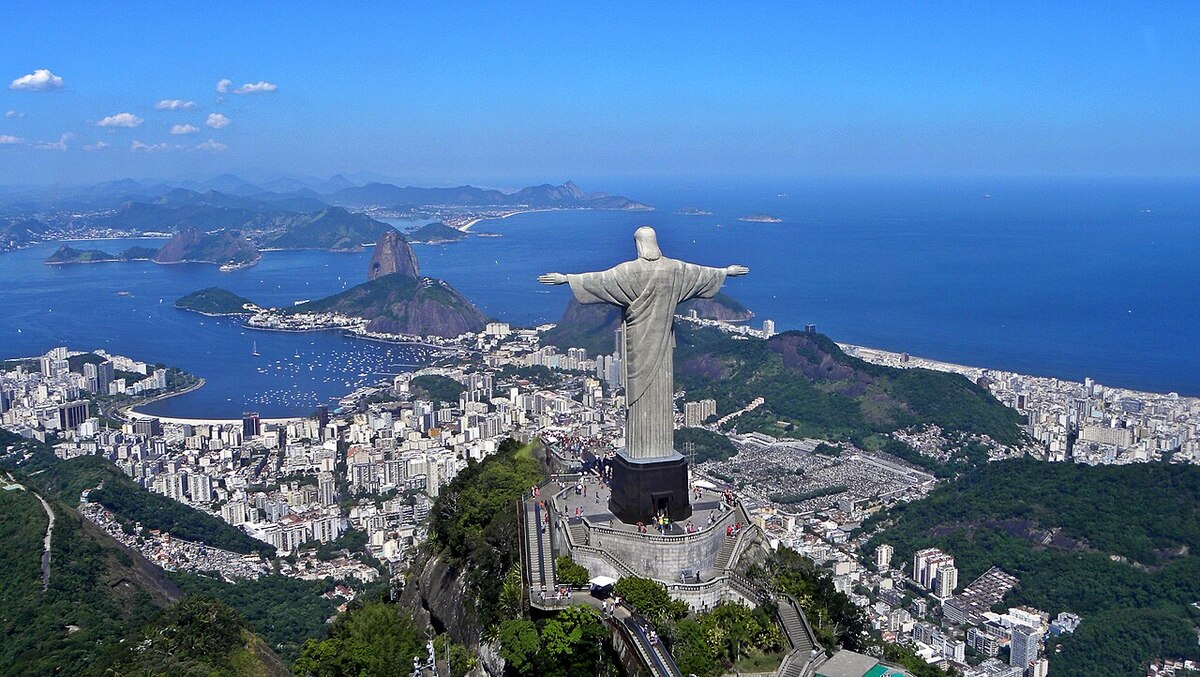
Image: Visit Brazil
Advertisement
