
Britain Aligns With Norway And More Welcoming Coolcation Seekers Escaping Blistering Heatwaves

Updated
Published
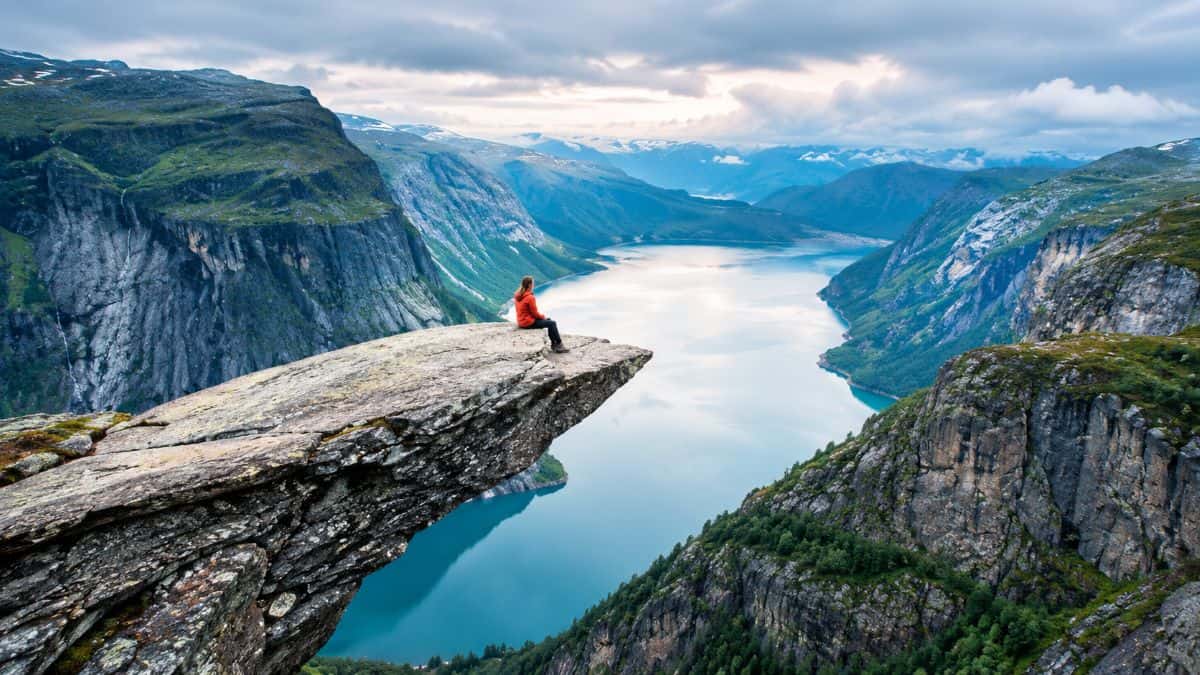
British holiday hotspots are experiencing a remarkable influx of global travellers as summer climates throughout southern Europe continue to shatter records, driving a profound transformation across international tourism. The traditional desire for sun-baked Mediterranean getaways has steadily given way to a strong appetite for temperate climates, pristine coastal breezes, and restorative wilderness pursuits. Tourism authorities across the United Kingdom, in direct parallel with progressive destination managers across Scandinavia, report measurable increases in booking volumes from holidaymakers who actively seek refuge from excessive heatwaves. As a consequence, domestic coastal resorts and expansive national parks are witnessing extended high seasons, attracting visitors who value refreshing environments over suffocating temperatures.
Industry observers note that this structural transition reflects evolving consumer priorities that place personal wellbeing, environmental consciousness, and comfortable exploration at the forefront of holiday planning. Rather than enduring forty-degree afternoons in crowded southern continental plazas, discerning adventurers are turning their attention toward the rugged Atlantic horizons of Cornwall, the dramatic Scottish Highlands, and the tranquil fjords of western Scandinavia. Hospitality operators across northern Europe have consequently adapted their infrastructure, extending cultural itineraries, expanding outdoor leisure programming, and enhancing seasonal accommodation. This deliberate shift signals a permanent realignment in continental travel habits, establishing temperate zones as premier destinations for the modern international traveller.
Shifting Climatic Patterns Reshape Modern Continental Tourism
The meteorological realities of recent European summers have permanently reshaped travel preferences, turning temperate weather into an increasingly scarce luxury asset. For decades, the package holiday industry relied upon guarantees of scorching sunshine across southern Spain, Greece, and Italy to lure northern European holidaymakers southward each summer. However, repeated heat extremes, prolonged wildfires, and stifling night-time conditions have diminished the appeal of traditional seaside lounging for millions of families and mature adventurers. Travellers now assess their annual holidays through the prism of personal comfort, safe outdoor recreation, and overall restorative value, prompting an unprecedented migration towards northern coastlines.
Tourism data confirms that regional operators throughout the United Kingdom and Norway are recording significant year-on-year gains during traditional holiday periods. Travel organisations highlight that regional destinations once regarded as secondary or seasonal choices are now operating at capacity well into the shoulder seasons. Local tourism boards have quickly recognised that the demand for cool environments is not merely a temporary reaction to isolated heatwaves, but a sustained lifestyle preference. As climate models predict continued temperature anomalies across the Mediterranean basin, temperate destinations are establishing themselves as dependable sanctuaries for high-end international leisure.
Advertisement
Advertisement
| Destination Region | Primary Appeal Factor | Average Summer High | Key Activities Offered | Peak Visitor Source Markets |
| Cornwall Coast | Atlantic breezes and surf beaches | 21°C to 23°C | Coastal path trekking and sailing | Germany, United States, Domestic UK |
| Norwegian Fjords | Deep waterways and mountain vistas | 18°C to 21°C | Fjord cruises and glacier hiking | France, Netherlands, Southern Europe |
| Scottish Highlands | Vast lochs and temperate forests | 17°C to 20°C | Wildlife photography and walking | Spain, Italy, North America |
| Baltic Coastline | Maritime pine dunes and quiet shores | 20°C to 22°C | Cycling trails and wellness retreats | Central Europe, United Kingdom |
Northern Destinations Accelerate Strategic Hospitality Partnerships
Faced with this surging popularity, British regional development bodies have strengthened cooperative ties with Nordic counterparts to share insights on managing higher visitor density sustainably. Regional authorities recognise that rapid tourism growth poses infrastructural challenges, particularly regarding transportation networks, environmental preservation, and local housing availability. By examining Scandinavian visitor stewardship frameworks, British operators are implementing sensitive land management practices, comprehensive public transit links, and strict waste reduction protocols. These collaborative initiatives ensure that fragile coastal environments and historical villages remain protected while accommodating increasing international footfall.
Hoteliers and independent guest house operators have similarly modernised their offerings to cater to sophisticated coolcationers who demand sustainable luxury and active recreation. Properties across northern Europe are upgrading wellness amenities to include thermal baths, hydrotherapy spas, and guided coastal walks that highlight natural biodiversity. Local culinary sectors are enjoying a parallel boom, as farm-to-table dining establishments showcase local seafood, artisan cheeses, and seasonal harvests that thrive in temperate maritime environments. This holistic enhancement of the northern hospitality ecosystem reinforces visitor satisfaction and encourages repeat bookings year-round.
Advertisement
Advertisement
Economic Prosperity Extends Across Rural And Coastal Communities
The broader economic implications of the coolcation movement are revitalising regional economies that historically endured volatile seasonal revenue patterns. In traditional tourism cycles, rural and seaside businesses often relied entirely on an eight-week peak window to generate their annual profits, leaving communities vulnerable during autumn and winter. The arrival of climate-conscious holidaymakers has successfully lengthened operating seasons, enabling hospitality providers to offer permanent contracts to local hospitality staff and invest in long-term capital improvements. Independent shops, adventure guiding companies, and regional transport services are reporting unprecedented stability throughout shoulder months.
Moreover, the decentralisation of tourism away from hyper-congested European city centres brings direct fiscal benefits to remote villages and coastal communities. By drawing visitors directly into rural economies, coolcations disperse expenditure into small family-owned enterprises, regional conservation trusts, and community cultural venues. This economic redistribution creates resilient commercial ecosystems, helping preserve local heritage while providing sustainable employment opportunities for younger generations who might otherwise relocate to metropolitan centres.
Advertisement
Advertisement
Strategic Adaptation Drives Sustainable Northern Travel Growth
As northern Europe consolidates its status as a premier escape from extreme summer weather, destination managers are ensuring that ecological preservation keeps pace with commercial growth. Sustainable tourism councils in Britain and Scandinavia are actively steering visitors away from oversaturated scenic highlights toward lesser-known rural districts. Through coordinated regional branding, educational campaigns, and targeted rail connections, authorities distribute footfall harmoniously across diverse landscapes, mitigating the environmental wear often associated with overtourism.
The emergence of coolcationing marks a profound, permanent realignment of global travel desires, grounded in health, comfort, and deep nature immersion. Travellers increasingly recognise that authentic rejuvenation occurs in environments that allow deep sleep, brisk morning air, and active daylight discovery without physical distress. By continuing to prioritise environmental integrity, superior hospitality standards, and collaborative stewardship, Britain and its northern neighbours are establishing the benchmark for climate-resilient global tourism.
Frequently Asked Questions
What does the term coolcation mean within contemporary travel?
A coolcation refers to a holiday deliberately planned in a destination with temperate, milder weather, designed specifically to escape extreme heatwaves, humidity, and overcrowded sun traps.
Advertisement
Advertisement
Why are travellers turning away from traditional Mediterranean summer holidays?
Frequent extreme temperatures, safety warnings, prolonged wildfires, and stifling conditions across southern Europe have made traditional summer sight-seeing and beach holidays physically exhausting for many visitors.
Which British destinations are benefitting most from this trend?
Coastal areas such as Cornwall, Devon, and Pembrokeshire, along with the Lake District, the Scottish Highlands, and North Yorkshire, are seeing substantial growth in summer and shoulder-season visitors.
How is Scandinavia responding to the surge in summer visitors?
Scandinavian destinations like Norway and Sweden are expanding seasonal accommodation, improving rail connectivity, and promoting dispersed outdoor activities to manage tourist flow sustainably.
Advertisement
Advertisement
What activities are most popular among coolcation travellers?
Travellers frequently pursue outdoor recreation including coastal walking, mountain hiking, cycling, wild swimming, sailing, wildlife watching, and visiting regional cultural heritage sites.
Does coolcationing help reduce the environmental impact of tourism?
Yes, it reduces environmental pressure on fragile, drought-prone Mediterranean ecosystems while encouraging travel via regional rail routes and fostering respect for nature conservation.
Are coolcations significantly more expensive than standard package holidays?
Costs vary by accommodation style, but temperate destinations offer diverse options ranging from self-catering coastal cottages and eco-campsites to premium boutique lodges and thermal wellness retreats.
Advertisement
Advertisement
How are hospitality businesses adapting to longer travel seasons?
Operators are investing in all-weather facilities, extending dining room opening dates, offering heated outdoor wellness spas, and employing permanent hospitality teams throughout the extended autumn period.
Which international demographics are driving the coolcation movement?
A wide cross-section of travellers, including young professionals, families with young children, and mature retirees from North America, Central Europe, and Southern Europe, drive this trend.
Is the coolcation trend expected to continue over the coming years?
Yes, travel analysts predict this movement will expand further as global temperatures rise, establishing temperate northern regions as primary summer holiday sanctuaries for years to come.
Advertisement
