
Austria Aligns with France and Other Countries to Drive Green Aviation Growth

Published
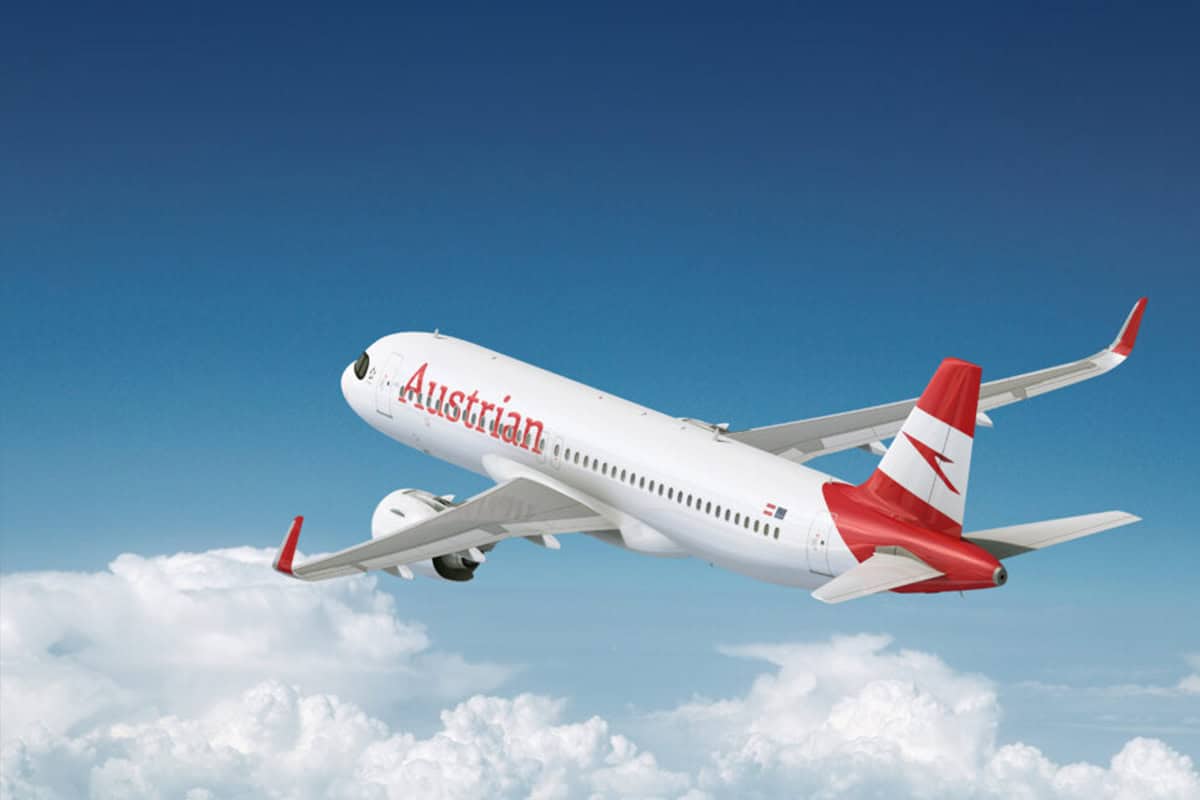
As nations push towards carbon free targets, Austria aligns with France and other countries to drive green aviation growth, transforming the European aerospace sector. The aviation industry faces immense pressure to decarbonise rapidly, making Sustainable Aviation Fuel and advanced aeronautical engineering critical priorities. By fostering international alliances, governments aim to accelerate the commercialisation of synthetic fuels, new aircraft, and digitised airspace management. This powerful coalition underscores a shared commitment to achieving climate neutrality by the year twenty fifty while securing economic competitiveness. As new policies unfold and investments pour into renewable energy infrastructure, this strategic collaboration sets a global standard.
Background: The Pressing Need for Aviation Decarbonisation
The commercial aviation sector has historically been one of the most challenging industries to decarbonise globally, primarily due to the immense energy density required for sustained flight and the lack of readily available, economically viable alternatives to traditional fossil kerosene. As global temperatures continue to rise and the devastating, systemic impacts of climate change become increasingly apparent across the continent, international governing bodies and national governments have officially recognised the urgent need for stringent regulatory frameworks. The Paris Agreement laid the foundational international groundwork, but it is within the European Union that the most aggressive, legally binding, and technologically advanced measures have been implemented. The introduction of the European Green Deal and the subsequent ‘Fit for 55’ legislative package set a clear, uncompromising mandate: the European Union must reduce its net greenhouse gas emissions by at least fifty-five per cent by the year 2030, compared to 1990 levels, and achieve absolute climate neutrality by 2050. Within this transformative and highly regulated agenda, the aviation industry faces an unprecedented paradigm shift. Traditional jet fuel is no longer considered a viable long-term operational option, necessitating a complete, structural overhaul of aeronautical infrastructure, fuel supply chains, and airline operational models. It is directly against this backdrop of urgent climate action that Austria aligns with France and other countries to drive green aviation growth, ensuring that the industry adapts before regulatory penalties become insurmountable.
The Environmental Toll of Traditional Fossil Kerosene
For decades, the global aerospace industry has relied almost entirely on fossil kerosene, a highly refined derivative of crude oil. While incredibly efficient in terms of energy delivery and combustion stability at high altitudes, fossil kerosene releases a complex mixture of greenhouse gases and non-CO2 emissions. These include significant volumes of carbon dioxide, nitrogen oxides, sulphur oxides, water vapour, and microscopic particulate matter. These emissions, particularly when released at cruising altitudes, have a profound radiative forcing effect, effectively trapping heat within the Earth’s atmosphere and contributing significantly to the acceleration of global warming. Official environmental data from the European Environment Agency and the European Union Aviation Safety Agency (EASA) underscores the disproportionate environmental impact of air travel compared to other modes of transport. In response to this critical challenge, European nations have recognised that piecemeal, fragmented approaches to regulation will simply not suffice. A coordinated, transnational strategy is absolutely required to transition the entire sector towards sustainable alternatives and prevent catastrophic environmental degradation.
The European Union Emissions Trading System (EU ETS) Overhaul
To financially incentivise the transition away from fossil fuels, the European Union has systematically and rigorously reformed its Emissions Trading System (EU ETS) concerning commercial aviation. Historically, airlines received a substantial portion of their emission allowances for free, dampening the financial incentive to invest heavily in cleaner, experimental technologies. However, the revised EU ETS gradually but definitively phases out these free carbon allowances, exposing airlines to the true, unmitigated cost of their carbon pollution. This regulatory tightening acts as a powerful financial catalyst, compelling commercial airlines to actively seek out low-carbon solutions to remain economically competitive in a fiercely tight market. As the cost of carbon allowances steadily increases on the open market, the price gap between traditional fossil kerosene and advanced Sustainable Aviation Fuel (SAF) begins to narrow, altering the fundamental economic calculus of airline operations. This policy mechanism forms the regulatory bedrock upon which multilateral government initiatives are constructed, creating a robust, undeniable market signal for the large-scale deployment of green aviation technologies.
Advertisement
Advertisement
Latest Official Developments as of October 2026
As of October 2026, the European aviation landscape has witnessed profound structural changes, driven by the rigorous implementation of the ReFuelEU Aviation regulation and the highly active collaboration of member states. A landmark development occurred recently with the operational scaling of the EU Early Movers’ Coalition, an initiative designed to rapidly accelerate the uptake of sustainable aviation fuels well ahead of mandatory deadlines. During the Transport Council in Brussels, an official alliance was forged, comprising key nations deeply committed to leading the green aviation transition. This is precisely why Austria aligns with France and other countries to drive green aviation growth, pooling massive financial resources, sharing advanced technological expertise, and harmonising domestic regulatory frameworks to overcome the formidable barriers associated with SAF commercialisation. The publication of the ReFuelEU Aviation Annual Technical Report on the seventeenth of September 2026 provided comprehensive, verifiable data on the progress of these joint initiatives, officially confirming that the initial regulatory milestones are successfully driving tangible, measurable market changes.
The ReFuelEU Aviation Annual Technical Report 2026
The release of the 2026 Annual Technical Report by EASA represents a critical juncture in the monitoring and enforcement of European green aviation policies. The report offers an exhaustive, data-driven analysis of SAF supply metrics, uplifted fuel quantities, the strict reporting statuses of aircraft operators, and the geographic distribution of SAF production facilities across the continent. Crucially, the official dashboard data confirms that the aviation industry is largely on track to meet the preliminary blending requirement of two per cent, which legally became mandatory at EU airports in 2025. The transparent publication of this granular data is vital for maintaining stakeholder confidence, ensuring corporate accountability, and identifying specific areas where logistical or infrastructural bottlenecks remain. It provides national governments, including the aligned ministries of Austria and France, with the empirical evidence required to refine their national decarbonisation strategies and optimise future funding allocations for multi-billion-euro biorefinery projects.
Advertisement
Advertisement
The Early Movers’ Coalition: A Transnational Alliance
The Early Movers’ Coalition represents a fundamental paradigm shift in European climate diplomacy and industrial strategy. By uniting Austria, France, Finland, Germany, Luxembourg, the Netherlands, Portugal, and Spain, the coalition effectively creates a formidable economic bloc with the financial leverage and industrial capacity to drive systemic, continent-wide change. This alliance is not merely a symbolic gesture; it is structured around concrete, legally binding financial mechanisms, including the strategic implementation of double-sided auctions designed to provide long-term revenue certainty for SAF producers. Simultaneously, these auctions offer airlines highly competitive, short-term purchasing contracts. This innovative financial model directly addresses the severe investment risks associated with scaling up nascent e-fuel technologies. The coalition’s collaborative approach ensures that member states do not compete counterproductively for heavily constrained SAF supplies, but rather work in concert to aggressively expand the overall production capacity across the European continent.
Government Announcements: Strategies and Roadmaps
The absolute commitment to decarbonising aviation is explicitly detailed in official national roadmaps and highly strategic action plans published by various government ministries. In Austria, the Ministry for Climate Action, Environment, Energy, Mobility, Innovation and Technology (BMK) has released a comprehensive SAF-Roadmap that meticulously outlines the country’s trajectory towards sustainable flight. Similarly, the French Ministry for Ecological Transition has implemented rigorous green aviation pacts, explicitly aligning national industrial output with stringent European climate directives. These official government documents are not merely aspirational outlines; they are firmly backed by substantial public funding, stringent regulatory oversight, and legally binding emission reduction targets. The convergence of these robust national strategies perfectly highlights how Austria aligns with France and other countries to drive green aviation growth, creating a highly cohesive, interconnected policy landscape that effortlessly transcends national borders.
Advertisement
Advertisement
Austria’s National Action Plan for Sustainable Aviation Fuel
The official Austrian BMK SAF-Roadmap provides a detailed, granular analysis of the nation’s future fuel requirements and the extensive infrastructural investments necessary to successfully meet them. The roadmap officially acknowledges that while air traffic at Vienna International Airport plummeted during the global pandemic, volumes had robustly recovered to approximately ninety-three per cent of pre-pandemic levels by 2023. Looking ahead to 2050, the Austrian government estimates that aviation fuel sales could range between 0.67 million and 1.2 million tonnes annually. To strictly comply with the rapidly escalating ReFuelEU blending quotas, Austria projects an immense, unprecedented demand for both biogenic and synthetic SAF. Specifically, the official roadmap identifies a confirmed requirement for 6,800 tonnes of synthetic SAF and 51,000 tonnes of biogenic SAF by the year 2030. By 2050, the total demand for sustainable fuels in Austria alone is projected to reach nearly 699,000 tonnes. To actively facilitate this massive industrial transition, the Austrian government has purposefully channelled substantial funding through its ‘Take Off’ research, technology, and innovation programme, which has already successfully facilitated nine million euros in investments dedicated specifically to SAF and sustainable aviation research.
French Government Commitments to Zero-Emission Aviation
France, possessing one of the most prominent, historically significant aerospace manufacturing sectors globally, has adopted a remarkably aggressive and uncompromising stance on aviation decarbonisation. The French government has systematically linked massive financial bailouts and state support for the domestic aviation sector directly to strict environmental performance metrics and sustainability criteria. By investing heavily in advanced aeronautical research and actively fostering the development of a highly robust domestic SAF supply chain, France aims to firmly cement its position as an undisputed global leader in green aerospace technologies. The strategic alignment of French industrial policy with Austrian research initiatives perfectly exemplifies the synergetic potential of the Early Movers’ Coalition. Together, these allied nations are not only strictly regulating the market but actively shaping the future technological landscape through highly targeted state interventions, massive collaborative research grants, and innovative public-private partnerships designed to vastly accelerate the commercial deployment of next-generation aircraft and fuels.
Crucial Statistics and Official Figures
The fundamental transition to green aviation is inherently a quantitative challenge, strictly governed by precise metrics, rigid legislative timelines, and enormous volumetric requirements. The ReFuelEU Aviation Regulation legally establishes a binding trajectory for SAF integration, commencing with a modest but highly significant two per cent blending mandate at EU airports in 2025. This quota is legislated to increase progressively and aggressively, reaching six per cent by 2030, twenty per cent by 2035, and ultimately an incredibly ambitious seventy per cent by 2050. These official figures are not mere industry guidelines; they are absolute, mandatory operational requirements for fuel suppliers operating at European airports. The sheer scale of the financial challenge is further illuminated by the current, undeniable cost disparity between conventional kerosene and sustainable alternatives. Official figures published by airlines indicate that SAF currently costs approximately three to five times more than highly refined traditional fossil fuels. This stark economic reality heavily underscores the absolute, critical importance of strong government intervention, relentless technological innovation, and massive economies of scale in aggressively driving down long-term production costs.
Evaluating the ReFuelEU Aviation Quotas
The escalating quotas permanently established by the ReFuelEU Aviation Regulation are strategically designed to provide absolute, unwavering market certainty for global fuel producers. By mandating a guaranteed, legally backed future demand, the regulation heavily mitigates the immense financial risks inherently associated with constructing multi-billion-euro biorefineries and experimental synthetic fuel plants. The deliberate inclusion of highly specific sub-quotas for synthetic fuels (e-fuels)—which are produced entirely using renewable electricity, water, and captured carbon dioxide—is particularly crucial. While biogenic SAF derived from used cooking oils and agricultural residues currently dominates the fledgling market, the long-term, permanent decarbonisation of aviation relies heavily on the infinite scalability of synthetic e-fuels. The mandate officially requires a minimum share of synthetic fuels to reach 1.2 per cent by 2032 and 2033, increasing exponentially to thirty-five per cent by 2050. This highly targeted, multi-tiered regulatory approach absolutely ensures that the industry invests not only in readily available, short-term biofuels but also heavily in the advanced technological pathways fundamentally necessary for ultimate, verifiable climate neutrality.
Advertisement
Advertisement
Production Capacity and Investment Metrics
To successfully meet these staggering, legally mandated volumetric demands, major European energy companies are rapidly and aggressively scaling up their production capacities. For example, OMV, a dominant player in the Central European energy market, has officially established a medium-term strategic corporate target to systematically scale its group-wide SAF production to an astonishing 700,000 tonnes by the year 2030. Achieving such immense production volumes absolutely requires unprecedented capital expenditure and highly complex infrastructural development. New hydrotreated esters and fatty acids (HEFA) facilities must be urgently constructed, and advanced power-to-liquid (PtL) demonstration plants must be rapidly transitioned to full, unrestricted commercial scale. The financial metrics associated with this massive transition are undeniably colossal, with tens of billions of euros required to completely reconfigure the European refining sector. It is directly through coordinated, transnational investment frameworks that Austria aligns with France and other countries to drive green aviation growth, ensuring that massive capital is deployed efficiently and that critical production bottlenecks are proactively and systematically addressed.
Policy Implications for the Broader European Market
The highly aggressive decarbonisation strategies effectively implemented by Austria, France, and their coalition partners carry profound, lasting policy implications for the entire European Union and, by inevitable extension, the global aviation market. One of the absolute primary policy objectives is the strict prevention of carbon leakage. If stringent environmental regulations were applied unevenly or weakly across the continent, commercial airlines might simply alter their routing strategies, choosing to refuel heavily at less strictly regulated airports immediately outside the EU to avoid the premium costs associated with mandated SAF. To robustly counteract this loophole, the ReFuelEU Aviation Regulation imposes highly strict anti-tankering provisions, legally requiring aircraft operators to uplift fuel volumes perfectly commensurate with the fuel required for their departing flights. This strict legislation absolutely ensures a perfectly level playing field, heavily preventing competitive market distortions and guaranteeing that the environmental benefits of SAF are genuinely, verifiably realised.
Overcoming Regulatory Bottlenecks
The implementation of such incredibly sweeping regulations inevitably encounters severe administrative, legal, and logistical hurdles. Ensuring the absolute traceability and verified sustainability of the raw feedstocks used to commercially produce SAF is a highly critical policy challenge. The EU Renewable Energy Directive (RED II) establishes exceptionally rigorous sustainability criteria to absolutely ensure that SAF production does not inadvertently cause global deforestation, directly compete with vital food production, or severely degrade local biodiversity. To strictly enforce these criteria, highly robust digital compliance systems and comprehensive lifecycle emissions accounting mechanisms are currently being deployed universally across the continent. These highly advanced digital systems verifiably track the origin of feedstocks, strictly calculate the carbon intensity of the entire supply chain, and actively prevent fraudulent environmental claims. The strategic harmonisation of these digital compliance frameworks across member states is a major, ongoing focus of the Early Movers’ Coalition, radically streamlining administrative procedures and heavily bolstering overall market transparency.
Harmonising Cross-Border Carbon Taxes
In addition to legally binding blending mandates, European nations are increasingly and strategically utilising complex fiscal instruments to thoroughly internalise the massive environmental costs of commercial aviation. The ongoing, highly debated reform of energy taxation directives and the potential, future implementation of cross-border carbon adjustment mechanisms are incredibly complex policy areas requiring intense, sustained diplomatic coordination. By tightly aligning their national tax policies and negotiating collectively as a unified bloc within the European Council, Austria and France can definitively ensure that domestic fiscal measures perfectly complement, rather than contradict, the highly technical mandates of the ReFuelEU regulation. This incredibly cohesive, unified policy architecture is absolutely essential for strictly maintaining the global economic competitiveness of European airlines while simultaneously and aggressively accelerating the green transition.
Industry Impact: How Airlines and Manufacturers Are Responding
The immense regulatory pressure currently exerted by national governments and the European Union has actively triggered a profound, irreversible transformation within the global aerospace industry. Commercial airlines, original equipment manufacturers (OEMs), and global fuel suppliers are radically, fundamentally altering their historic business models and long-term strategic operational plans. Leading legacy carriers such as the Lufthansa Group, which proudly includes Austrian Airlines, have officially become highly proactive, heavily invested participants in the green transition. Austrian Airlines, for instance, proudly began uplifting regionally produced sustainable aviation fuels at Vienna Airport as early as 2022, long before mandates were strictly enforced. These airlines are not merely complying with basic regulations; they are actively investing heavily in experimental SAF production facilities, loudly securing long-term offtake agreements, and deeply integrating sustainability into their core, public-facing brand identities. Similarly, Air France-KLM has aggressively positioned itself at the absolute forefront of the sustainable transition, heavily leveraging the robust industrial policies of the French government to successfully secure massive, unprecedented volumes of next-generation green fuels.
Infrastructure Adaptation at Major Hubs
The vast physical infrastructure of Europe’s major, highly trafficked aviation hubs, most notably including Vienna International Airport and Paris Charles de Gaulle, is currently undergoing incredibly significant adaptation to fully accommodate the new, strictly regulated reality of green aviation. While SAF is fundamentally designed as a “drop-in” fuel, fully capable of being seamlessly blended with conventional kerosene and utilised without modification in existing aircraft engines and airport refuelling hydrants, the absolute scaling up of production requires massive, highly complex logistical reconfiguration. Major airports must rapidly establish entirely new supply chains, build massive, dedicated blending facilities, and implement the highly complex digital infrastructure necessary to flawlessly track the precise volumes and exact carbon intensities of the highly expensive fuels being uplifted. Furthermore, airports are increasingly and aggressively investing in their own internal decarbonisation efforts, vastly deploying solar arrays, rapidly electrifying ground support equipment, and heavily improving overall terminal energy efficiency to quickly achieve comprehensive, verified net-zero operations.
Advertisement
Advertisement
Advancements in Aeronautical Engineering and Aircraft Geometries
While sustainable aviation fuel officially provides the most immediate, accessible pathway to significantly reducing lifecycle greenhouse gas emissions by up to eighty per cent, the ultimate, long-term goal of absolutely zero-emission flight fundamentally requires radical, groundbreaking advancements in aeronautical engineering. Major global manufacturers like Airbus, highly supported by massive French state research funding, are heavily pioneering the radical development of experimental hydrogen-powered aircraft. Hydrogen, when efficiently utilised either through highly advanced direct combustion or in complex fuel cells, produces entirely water vapour as a byproduct, absolutely eliminating carbon dioxide emissions from the flight phase. The official Austrian ‘Take Off’ programme explicitly and generously funds intensive research into entirely new aircraft geometries, highly advanced aerodynamics, and the incredibly complex infrastructural challenges heavily associated with volatile hydrogen storage and distribution. By relentlessly pushing the absolute boundaries of material science and propulsion technology, these industry giants are firmly laying the groundwork for the next revolutionary generation of commercial aviation.
Economic Implications of the Green Transition
The highly mandated transition to sustainable aviation represents a macroeconomic shift of truly monumental, historic proportions. The fundamental, unavoidable economic challenge lies strictly in the highly substantial cost premium currently associated with complex SAF production. Currently, reliably manufacturing fuels from highly sought-after biogenic residues or through incredibly energy-intensive synthetic processes is significantly, undeniably more expensive than extracting and heavily refining crude oil. This stark cost differential must ultimately and inevitably be absorbed by the broader market, heavily impacting airline profitability margins, vastly increasing consumer ticket prices, and potentially affecting overall economic growth. However, this massive transition absolutely also presents incredibly unprecedented economic opportunities. The rapid, heavily subsidised development of a domestic European SAF industry permanently reduces the continent’s heavy reliance on imported fossil fuels, massively enhancing national energy security and permanently insulating the broader European economy from the highly volatile price fluctuations of global oil markets.
Job Creation in the Green Aviation Sector
The massive construction and continuous operation of highly advanced biorefineries, immense green hydrogen production facilities, and highly experimental direct air capture plants require a massively highly skilled, deeply specialised workforce. This heavily funded industrial renaissance is officially projected to directly create tens of thousands of highly-paid, high-quality jobs across the continent, spanning complex engineering, advanced chemical processing, highly technical logistics, and incredibly strict digital compliance sectors. As Austria aligns with France and other countries to drive green aviation growth, these heavily allied nations are actively, massively fostering the specific educational and highly targeted vocational training programmes absolutely necessary to perfectly equip their workforces for the highly demanding requirements of the new, heavily regulated green economy. The vast economic benefits logically extend far beyond the energy sector, heavily stimulating groundbreaking innovation in academic research institutions and vastly fostering the rapid growth of highly specialised, incredibly well-funded clean-tech startups.
Financial Subsidies and Double-Sided Auctions
To successfully bridge the massive economic gap during the incredibly fragile, nascent stages of SAF commercialisation, national governments and highly influential international bodies are rapidly deploying incredibly sophisticated financial instruments. The Early Movers’ Coalition’s highly publicised proposal for double-sided auctions is a perfectly prime example of highly innovative, massively impactful economic policy. In this complex financial model, a heavily backed central purchasing entity, massively supported by vast government or EU funds, aggressively buys SAF directly from producers at a highly elevated price that absolutely guarantees a highly reasonable return on massive investment, and then immediately sells it directly to airlines at a highly competitive, heavily subsidised rate. The public sector effectively absorbs the massive price difference, practically underwriting the entire initial market deployment of highly advanced fuels until massive economies of scale can naturally and definitively drive down long-term production costs. This highly strategic, deeply necessary financial intervention is absolutely crucial for permanently breaking the notorious “chicken-and-egg” deadlock that has historically, severely hindered the widespread, permanent adoption of highly experimental green technologies.
Tourism, Business, and Public Impact
The incredibly rapid transition to heavily regulated green aviation will inevitably, undeniably impact the daily lives of citizens, the highly complex operational strategies of international businesses, and the fundamental, underlying economic dynamics of the massive global tourism industry. As commercial airlines inevitably integrate the highly elevated costs of SAF heavily into their fundamental operational expenditures, global airfares are absolutely expected to experience a highly noticeable, corresponding increase. This stark economic reality has heavily sparked intense, ongoing public debate regarding the future accessibility of mass air travel and the highly potential, incredibly severe impact on heavily tourism-dependent national economies. However, official government strategies are strategically designed to gently implement these massive changes gradually, effectively allowing the global market and everyday consumers to slowly adjust over decades rather than abruptly, severely shocking the economic system.
Changing Consumer Travel Habits
Public awareness of the incredibly severe environmental impact of commercial aviation has truly never been higher. Modern, highly informed consumers are increasingly, rigorously scrutinising the exact carbon footprint of their personal travel choices, actively demonstrating a massive, growing willingness to proudly pay a substantial premium for highly verifiable sustainability. Many legacy airlines now proudly offer environmentally conscious passengers the highly accessible option to purchase verified “green flight” upgrades, accurately calculating the exact CO2 emissions of their specific journey and allowing them to directly fund the precise equivalent volume of SAF. This massive, consumer-driven demand provides airlines with incredibly valuable, highly necessary supplementary revenue streams to heavily offset the crushing costs of incredibly strict regulatory compliance. Furthermore, the steadily rising cost of commercial air travel may heavily encourage a massive, structural shift towards expanding high-speed rail networks for short-haul journeys exclusively within Europe, a highly beneficial transition heavily and actively supported by massive EU mobility strategies.
Advertisement
Advertisement
Corporate Responsibility and Business Aviation
For the massive corporate sector, the rapid decarbonisation of business aviation is completely no longer merely an optional ethical consideration; it is an incredibly critical, highly scrutinised component of strictly mandatory environmental, social, and governance (ESG) reporting. Large, highly visible multinational corporations are under incredibly intense, unrelenting pressure from powerful investors and strict government regulators to massively reduce their Scope 3 emissions, which explicitly include the massive carbon footprint directly associated with employee business travel and highly complex corporate supply chains. Consequently, incredibly wealthy corporate clients are increasingly, aggressively demanding that legacy airlines seamlessly provide highly transparent, perfectly verifiable data regarding the exact use of SAF. This massive corporate pressure effectively accelerates the rapid market transition, as legacy airlines fiercely compete to successfully secure incredibly lucrative, massive corporate contracts by clearly demonstrating highly superior environmental performance and proudly offering highly comprehensive, fully verifiable green corporate travel programmes.
Official Statements and Expert Perspectives
The highly serious narrative surrounding the rapid decarbonisation of commercial aviation is firmly, undeniably anchored in official, legally binding policy documents, highly verified, peer-reviewed scientific reports, and incredibly strong statements from officially designated governmental authorities. The powerful European Commission has clearly and repeatedly articulated that the incredibly strict ReFuelEU Aviation mandate is absolutely not a mere industry recommendation, but a definitive, highly enforced regulatory framework perfectly designed to seamlessly provide the exact market certainty completely necessary for massive, large-scale industrial investment. According to the highly detailed, official Austrian SAF-Roadmap publicly published by the BMK, the incredibly rapid, heavily funded ramp-up of SAF production in Austria, Europe, and completely globally is an absolute, unavoidable necessity to perfectly meet the heavily anticipated demands of a massively growing aviation sector entirely within the strict constraints of legally binding climate targets. The EU’s highly publicised announcement of the incredibly influential Early Movers’ Coalition explicitly, heavily underscored that highly collaborative, massively funded cross-border action is the absolute only practically viable method for successfully overcoming the incredibly massive industrial and immensely complex financial hurdles directly associated with this incredibly rapid, unprecedented transition.
Future Outlook: The Path to 2050
Looking directly towards the horizon, the absolute trajectory of heavily regulated green aviation is perfectly defined by incredibly high technological ambition and entirely unwavering, deeply entrenched regulatory commitment. While the incredibly intense, immediate focus absolutely remains on massively scaling up the highly complex production of biogenic SAF completely derived from waste oils and highly sought-after agricultural residues, the incredibly vital long-term future of the massive industry firmly hinges on the absolutely successful, highly subsidised commercialisation of experimental synthetic e-fuels and entirely revolutionary, highly experimental propulsion technologies. The highly strict ReFuelEU aviation mandate’s ultimate, legally binding goal of an incredibly massive seventy per cent blending quota entirely by 2050 clearly represents a truly monumental, almost unimaginably large industrial challenge, absolutely requiring the massive, rapid deployment of vast, continental renewable energy networks, highly advanced, massive carbon capture technologies, and incredibly highly efficient, massive electrolysis facilities. The highly complex path completely forward is incredibly difficult, heavily fraught with immense technical uncertainties and incredibly massive financial requirements, but the absolute strategic direction has been completely, irrevocably, and legally set.
Scaling Up Electronic Fuels (e-SAF)
The incredibly limitless scalability of highly advanced synthetic sustainable aviation fuels (e-SAF) logically makes them the absolutely ultimate, indispensable linchpin of permanent aviation decarbonisation. Unlike inherently limited biogenic feedstocks, which are unfortunately inherently heavily limited by incredibly scarce land availability and massively competing agricultural demands, advanced e-SAF requires absolutely only renewable electricity, clean water, and heavily captured carbon dioxide. However, the sheer energy intensity of massively producing e-SAF is completely staggering. To successfully meet the highly projected, incredibly massive 2050 volumetric demands, the continent of Europe will absolutely need to rapidly generate truly massive, unprecedented surpluses of completely renewable electricity entirely from massive wind, highly expansive solar, and massive hydroelectric sources. The absolute integration of the massive aviation sector entirely into the completely broader, highly complex European energy grid directly represents one of the absolutely most significant, truly massive infrastructural challenges of the entire twenty-first century, absolutely necessitating incredibly unprecedented, deeply highly complex coordination between massive energy providers, incredibly influential policymakers, and massive aerospace manufacturers.
Advertisement
