

Malaysia Accommodation Providers Face Tighter Margins While Booming Tourism Transforms The Global Travel Industry Today

Published
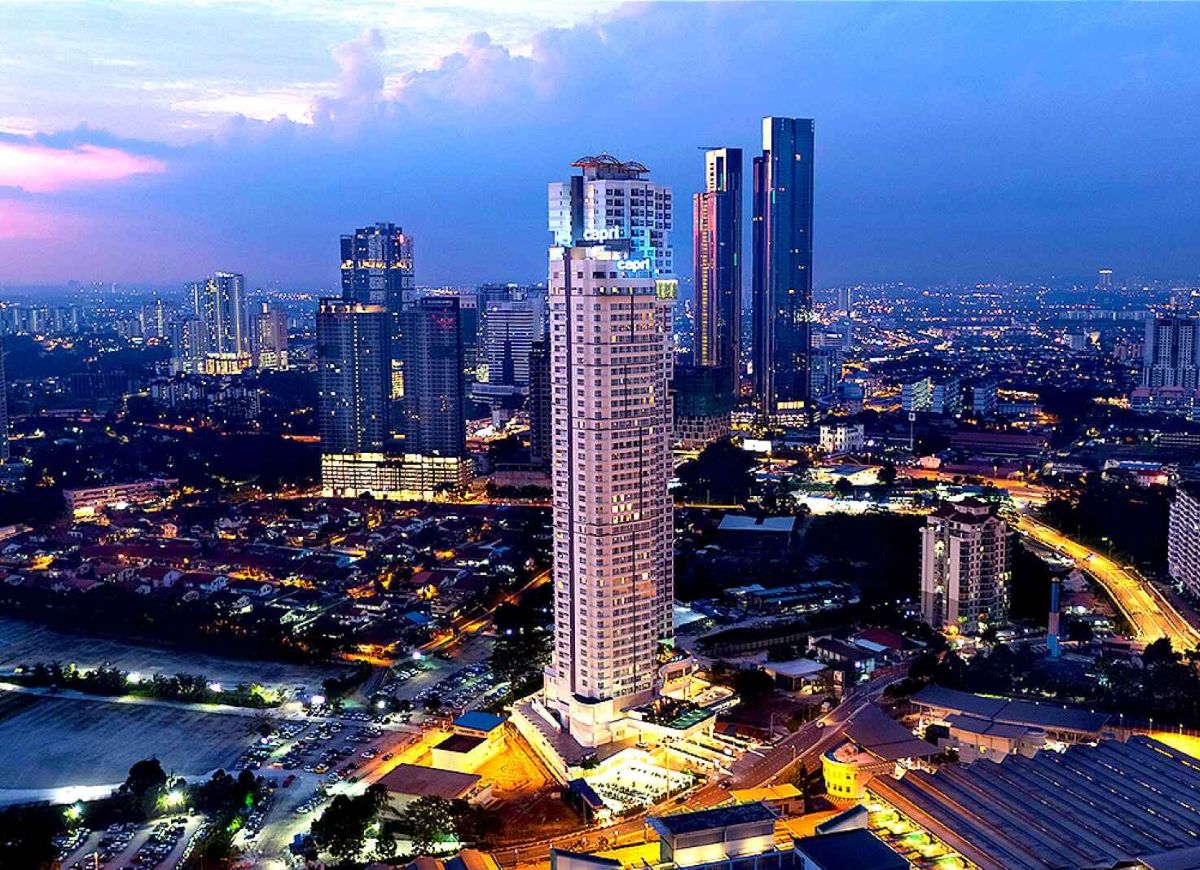
Walking through the bustling streets of Kuala Lumpur you can feel the pulse of a tourism renaissance. Travelers are packing flights heritage lanes are overflowing with life and national campaigns are celebrating record-breaking visitor numbers. Yet behind the glowing smiles of front-desk teams and booked lobbies a quiet anxiety lingers among local hoteliers. There is a paradox playing out in properties, across Malaysia right now: the rooms are full but the profit margins are alarmingly thin. Rising operational costs and relentless industry pressures mean that celebrating high foot traffic is no longer enough to keep doors open.
The Urgent Need to Abandon Fragmented Legacy Software in Favor of Unified Cloud Platforms
Advertisement
Advertisement
Many traditional establishments continue to anchor their daily operations on disjointed, antiquated software programs that complicate rather than streamline management workflows. These legacy systems isolate vital departments, creating communication silos between reservations, housekeeping, and front-desk personnel that frequently result in costly errors and wasted hours. Modernizing infrastructure by migrating to integrated, cloud-based hospitality platforms dissolves these barriers, allowing administrative teams to oversee property management, guest bookings, and point-of-sale transactions from a single dashboard.
This digital transformation drastically minimizes manual entry mistakes, preserves valuable working hours, and enhances cross-departmental coordination across bustling urban hubs from Kuala Lumpur to Penang. Furthermore, cloud ecosystems empower management staff to monitor metrics in real-time, ensuring that properties maintain operational agility despite fluctuating market demands and seasonal visitor spikes.
Advertisement
Advertisement
Transforming the Entire Traveler Experience Through Seamless Digital Touchpoints and Tailored Engagement
Modern explorers demand an entirely frictionless journey that begins long before they physically arrive at their destination, redefining expectations for hospitality providers everywhere. From initial online inspiration and transparent pre-arrival communication to swift digital check-ins and thoughtful post-stay follow-ups, every interaction dictates brand loyalty and guest satisfaction. Hoteliers must recognize that these sequential touchpoints collectively shape the modern vacationer’s perception, making it vital to eliminate friction at every stage of the travel cycle. Travelers traversing international borders anticipate personalized care that mirrors their digital habits, compelling lodging operators to invest in intuitive communication channels and mobile-optimized services. By prioritizing comprehensive guest journeys, properties cultivate lasting emotional connections with visitors, transforming transient tourists into dedicated brand advocates who champion the destination long after returning home.
Advertisement
Advertisement
Unlocking the True Decision-Making Power of Artificial Intelligence Through Centralized Data Architecture
Artificial Intelligence serves as a revolutionary instrument capable of forecasting shifting market trends, automating guest messaging, and dynamically optimizing room rates to maximize revenue potential. However, these advanced computational models cannot function effectively when fed scattered, isolated, or inconsistent data sets originating from separate departmental silos. Establishing a unified data repository is therefore a mandatory prerequisite for hoteliers aiming to harness predictive analytics and machine learning algorithms with absolute precision. When operational metrics, consumer preferences, and booking histories flow into a single centralized architecture, machine learning engines can generate actionable insights that guide executive decisions. This technological maturity enables properties to anticipate demand surges accurately, adjust pricing strategies dynamically, and deliver hyper-personalized experiences that elevate the entire hospitality ecosystem.
Prioritizing Exceptional Value Creation Over Destructive Race-to-the-Bottom Pricing Models
Achieving sustainable, long-term growth requires industry operators to abandon aggressive discounting and destructive race-to-the-bottom pricing models that ultimately devalue the destination experience. Instead, forward-thinking leaders must focus on curating unique, immersive guest experiences, implementing sophisticated upselling techniques, and optimizing internal efficiency to safeguard their profit margins. This strategic recalibration ensures that properties attract discerning travelers who appreciate authentic cultural immersion and superior service quality rather than mere budget accommodations. By elevating the standard of hospitality, regional operators protect their financial health while simultaneously enhancing the global reputation of the tourism sector. Ultimately, translating record-breaking visitor arrivals into robust, enduring profitability demands an unwavering commitment to modern technology, intelligent data utilization, and exceptional service delivery.
Mitigating the Heavy Financial Toll of Online Travel Agency Commissions on Independent Lodging Properties
Independent lodging operators frequently rely on third-party booking platforms to secure steady visitor volumes, yet this dependency introduces severe financial friction through steep commission structures. Digital booking aggregators controlled nearly 57.35% of the total booking share, forcing smaller hotels to surrender significant portions of their revenue just to maintain baseline occupancy. This heavy reliance on external channels compresses net operating margins, leaving property owners with minimal capital for vital facility refurbishments or digital upgrades. Developing robust direct-booking strategies, enhanced loyalty incentives, and optimized official websites allows operators to reclaim control over their inventory and improve net average daily rates over time.
Advertisement
Advertisement
Strategic restructuring of digital distribution channels enables independent establishments to bypass costly intermediary fees, fostering direct financial relationships with modern travelers. By implementing streamlined booking engines and personalized digital rewards, properties successfully encourage guests to book directly rather than through third-party aggregators.
Navigating Minimum Wage Adjustments and Acute Workforce Pressures Across Urban and Rural Lodging Sectors
Labor cost inflation has emerged as one of the most pressing operational challenges for regional hospitality businesses following recent regulatory adjustments. The national minimum wage framework, set at approximately MYR 1,700 (or roughly USD 419.46) per month, has directly increased baseline staffing expenses across the board. This financial pressure is particularly acute for independent properties operating on tight budgets, compelling management teams to rethink traditional staffing models. To maintain service standards without inflating overhead, forward-thinking hotels are cross-training employees across multiple departments, deploying automated guest-services kiosks, and streamlining backend administrative workflows.
Workforce optimization strategies have become essential as properties balance fair compensation mandates with sustainable operational overheads in competitive markets. By investing in multi-skilling initiatives and intelligent automation solutions, hospitality operators successfully mitigate labor shortages while preserving high standards of guest service quality.
Capitalizing on the Accelerated Luxury Pipeline and Premium Average Daily Rate Benchmarks
The rapid expansion of high-end hospitality inventory in major metropolitan hubs is fundamentally altering revenue performance metrics and attracting affluent international travelers. Urban centers such as Kuala Lumpur feature an extensive under-construction luxury pipeline encompassing thousands of premier rooms within the bustling Golden Triangle and iconic developments like Merdeka 118. High-net-worth guests and corporate accounts continue to support robust average daily rates, which reached approximately USD 183.52 (or MYR 743.78) during peak periods, driving revenue per available room upward. By diversifying service offerings to cater to luxury consumers, properties can insulate themselves against broad economic fluctuations and lower-tier price wars.
Advertisement
Advertisement
Elevated positioning within high-end segments allows forward-looking hoteliers to maximize yield performance during peak tourism seasons without compromising brand prestige. Premium architectural design, bespoke wellness offerings, and personalized concierge services remain critical drivers for capturing high-spending global clientele.
Leveraging Major Infrastructure Investments and Transportation Mega-Projects to Unlock Secondary Corridors
Transformative infrastructure developments are rapidly decentralizing tourist traffic, opening up secondary and tertiary destinations that previously experienced limited international exposure. Strategic transportation initiatives such as the RTS Link connecting the southern gateway of Johor Bahru and the East Coast Rail Link are reducing travel times and encouraging regional exploration. These connectivity enhancements distribute visitor density more evenly across the country, encouraging longer stays and supporting sustainable tourism growth in regions outside the traditional urban centers. Hoteliers positioned along these expanding transit corridors benefit from lower land acquisition costs and an influx of culturally curious travelers seeking authentic regional experiences.
Improved regional connectivity fundamentally reshapes travel itineraries, enabling visitors to venture beyond metropolitan hubs into culturally rich rural landscapes. Hospitality investors capitalize on these transit expansions by establishing boutique properties that cater to slow-travel enthusiasts and regional explorers.
Integrating Eco-Certified Practices and Niche Sustainable Tourism Frameworks to Capture Premium Yields
Modern travelers are increasingly prioritizing environmental responsibility, prompting forward-thinking hospitality brands to adopt rigorous green certifications and sustainable operational frameworks. Properties that successfully implement energy-efficient technologies, waste reduction protocols, and locally sourced supply chains are better positioned to command premium room rates from eco-conscious demographics. This strategic alignment with global conservation trends enhances brand reputation while simultaneously lowering utility expenses through reduced resource consumption. By transforming sustainability from a marketing buzzword into an integrated operational ethos, lodging providers create distinct competitive advantages in crowded regional markets.
Advertisement
Advertisement
Eco-conscious asset management directly addresses the mounting expectations of global travelers who demand transparent environmental stewardship from their chosen accommodations. Implementing measurable sustainability metrics safeguards natural resources while enhancing long-term operational resilience and brand equity.
Harnessing Specialized E-Sports and Millennial-Focused Themed Accommodations to Capture Emerging Demographics
The rapid evolution of consumer preferences has given rise to highly specialized lodging concepts tailored specifically to digital-native generations and gaming enthusiasts. E-sports-themed hotels equipped with high-performance gaming hardware, dedicated streaming studios, and community event spaces are successfully tapping into lucrative millennial and Gen-Z demographics. These niche properties generate high non-room revenue streams through food and beverage sales during competitive tournaments and social gaming events. Adapting physical and digital infrastructure to support these modern lifestyle trends allows traditional operators to diversify their target audiences and secure long-term brand loyalty.
Targeted concept integration transforms standard hotel rooms into immersive lifestyle environments that resonate strongly with tech-savvy international youth travelers. This strategic diversification ensures that properties remain relevant amidst rapidly shifting generational travel habits and digital entertainment demands.
Addressing Urban Utility Pressures and Sustainable Densification Challenges in Historic Districts
Rapid urban densification and surging room-night demand place considerable strain on municipal utilities and critical infrastructure within historic cultural districts. Popular heritage zones in George Town on Penang island and central Melaka face growing challenges related to waste management, water supply stability, and electricity grid capacity. Collaborative planning between municipal authorities and hotel operators is vital to ensure that tourism expansion does not compromise the livability and architectural integrity of these treasured destinations. Implementing smart resource monitoring systems and investing in decentralized utility solutions enables properties to minimize their environmental footprint while supporting balanced urban growth.
Advertisement
Advertisement
Balancing heritage preservation with modern commercial demands requires meticulous urban planning and active cooperation between municipal leaders and private hospitality stakeholders. Protecting the cultural fabric of historic districts ensures that destinations retain their unique authentic charm for future generations of global travelers.
Enhancing Cross-Border Visa Liberalization Policies and Expanding Targeted Regional Marketing Campaigns
Government-backed visa facilitation programs play a pivotal role in stimulating inbound travel demand and diversifying the international visitor base across seasonal cycles. Strategic extensions of visa exemption policies for key source markets, including extended stays of up to ninety days for visitors from China and streamlined entry provisions for travelers from India, have significantly boosted arrival figures. Backed by substantial promotional funding totaling hundreds of millions of ringgit under national initiatives like Visit Malaysia, tourism authorities are effectively smoothing out demand troughs. Hoteliers who align their marketing campaigns with these government-led promotional pushes can successfully capture high-value visitors during traditional shoulder periods and festive seasons.
Proactive government policies combined with targeted international marketing campaigns create predictable arrival patterns that help hoteliers optimize staffing and inventory management. Aligning private property marketing efforts with national tourism board initiatives maximizes promotional reach and drives sustainable year-round occupancy.
The Final Verdict
As the sun goes down over the minarets and tall buildings of Kuala Lumpur, the real energy of our business shows itself not in numbers on a page but in the happy faces of people who felt like they found a place to call home. We have gone through the challenges of visitors coming and less money to work with learning that staying in business isn’t just about having full rooms. It needs heart, bravery and a strong respect for the skill of making people feel welcome. By using tools and keeping our cultural treasures safe from Penang, to Melaka we make sure that every guest leaves with a real wish to come back again.
Advertisement
