

How Stunning Economic Changes In Zimbabwe Prove Tourism Outpaces Mining & Agriculture In GDP Contribution To Shape Travel

Published
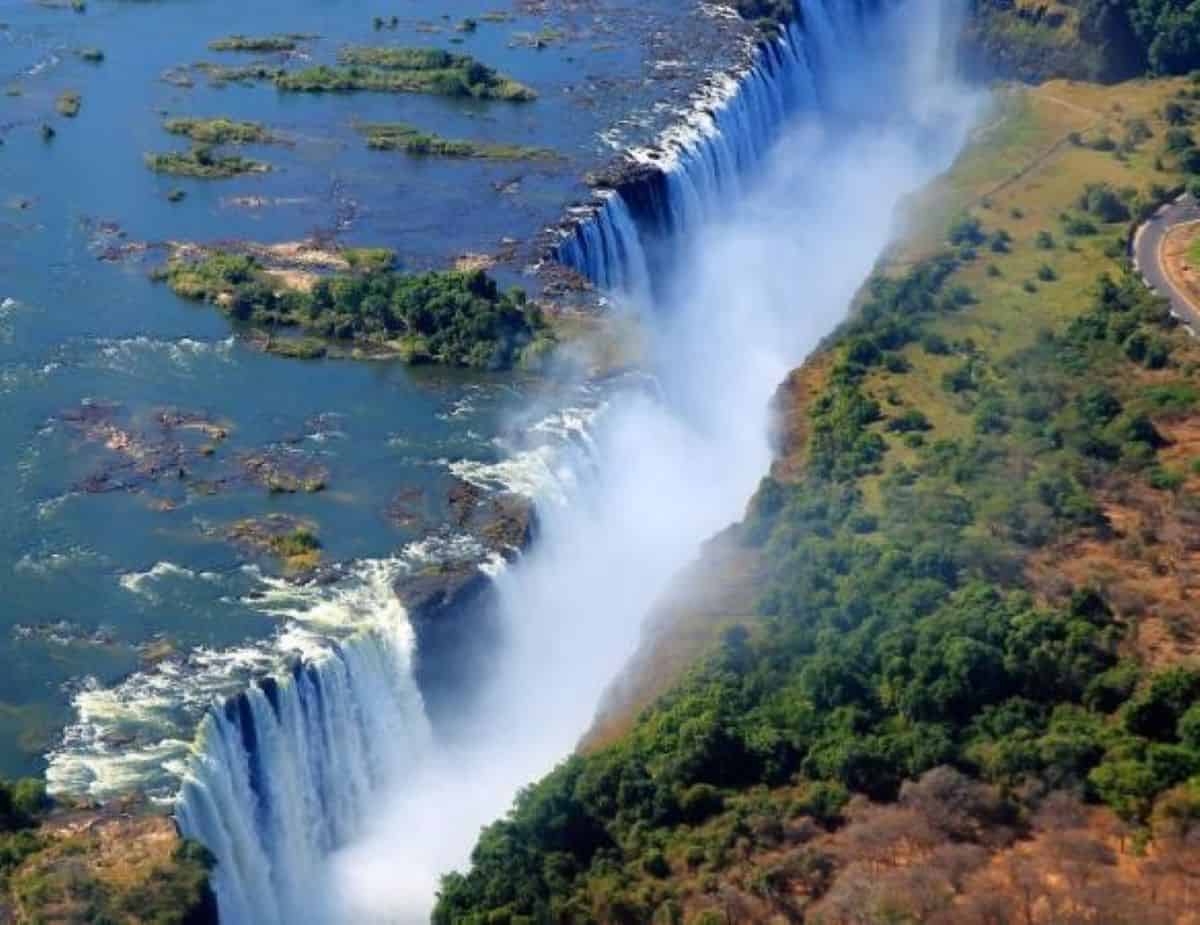
Stepping off a plane into a foreign landscape feels truly magical. The warm breeze touches the skin and tourism knows that tourism is actually helping to protect the wild. Recently Zimbabwe has achieved something. Tourism now contributes more to GDP than mining and agriculture underscoring the importance of the environment in an inspiring manner. Tourism is not about numbers on a page, tourism is about local communities smiling brighter elephants roaming free and travelers discovering a deeper more authentic bond, with the earth. When we choose to travel we become part of a beautiful story where protecting nature brings true lasting prosperity.
Unpacking the Core Economic Drivers Behind the Remarkable Surge in Wealth Generation Across Southern Africa
Industry analysts indicate that this remarkable economic surge is heavily backed by official data pointing to the incredible richness of the local natural landscapes and wildlife. Observers note that these abundant natural assets continue to generate critical income and employment opportunities for countless local citizens across Zimbabwe. Economists emphasize that this steady influx of financial capital empowers communities, creates stable livelihoods, and fosters a deeper appreciation for the intrinsic value of local biodiversity. Moreover, specialists point out that the continuous inflow of international visitors provides the necessary financial engine to maintain national parks and support regional community development initiatives.
Looking at the broader international landscape, observers explain that this phenomenon mirrors a growing global trend where travelers increasingly prioritize destinations rich in wildlife and untouched wilderness. Analysts note that global tourists are shifting away from mass commercialized tourism toward immersive, nature-centric journeys that offer genuine connection and educational value. Commentators suggest that as Zimbabwe showcases its magnificent terrain, it sets a powerful benchmark for other nations aiming to balance economic expansion with the celebration of natural beauty. Ultimately, this dynamic reshapes how international itineraries are crafted, placing high value on destinations that protect their natural capital while welcoming global explorers.
Advertisement
Advertisement
Recognizing the Vital Connection Between Environmental Preservation and Long-Term Industry Survival in Developing Regions
Environmental scientists and economic observers stress that this pivotal economic milestone relies entirely on maintaining a healthy, resilient environment. Specialists explain that protecting national parks, delicate ecosystems, and rich biodiversity is not merely an ethical choice but an absolute necessity for keeping the tourism industry alive in Zimbabwe. Observers note that without rigorous conservation protocols, the very landscapes that draw millions of visitors would degrade, ultimately threatening the economic foundation that has just surpassed mining and agriculture. Therefore, experts emphasize that maintaining ecological integrity must remain at the forefront of all regional development planning.
Advertisement
Advertisement
On a global scale, industry forecasters indicate that travelers are becoming acutely aware of the ecological footprint left behind by modern tourism. Analysts observe that international visitors increasingly demand transparency regarding how destinations manage their natural resources and wildlife conservation efforts. Commentators suggest that nations worldwide must adopt stringent preservation measures to remain competitive in the eyes of conscious global travelers. By prioritizing environmental stewardship, Zimbabwe exemplifies how protecting local ecosystems directly secures a prosperous, enduring future for both the national economy and the international travel community.
Embracing Responsible Eco-Friendly Practices to Guarantee Sustained Global Prosperity for Future Generations
Industry strategists emphasize that to secure long-term prosperity, leaders must prioritize eco-friendly, responsible tourism practices that actively protect local communities and natural assets for future generations. Observers note that implementing sustainable guidelines ensures that the economic benefits derived from international visitors do not come at the expense of ecological health or social equity within Zimbabwe. Commentators explain that responsible tourism fosters a harmonious relationship between travelers, local residents, and the surrounding wildlife, creating a self-sustaining cycle of mutual benefit and respect.
Finally, global analysts observe that this forward-thinking approach profoundly influences travel expectations and behaviors on an international scale. Observers point out that modern global travelers increasingly seek out destinations committed to sustainability, ethical community engagement, and environmental conservation. Specialists conclude that as Zimbabwe champions these responsible practices, it provides an inspiring model for the entire global tourism ecosystem. International visitors are thus reminded that sustainable travel is a shared global responsibility, ensuring that breathtaking natural wonders remain vibrant and accessible for all upcoming generations.
Evaluating Quantitative Metrics and Economic Indicators Detailing the Financial Dominance of Travel Over Extractive Industries
Economic analysts observe that Zimbabwe has crossed a monumental threshold where modern tourism metrics officially outpace historical resource heavyweights like mining and agriculture. According to national financial data, the tourism sector now contributes an unprecedented share to the national Gross Domestic Product (GDP), fundamentally redefining regional wealth creation. Financial experts indicate that recent trade evaluations recorded national tourism revenues surging past $1.2 billion, showcasing an extraordinary leap in economic output compared to traditional primary industries. Furthermore, sector investments expanded significantly, registering roughly $190.5 million in capital injections that directly target regional hospitality development and modern infrastructure enhancements.
Advertisement
Advertisement
Looking at the broader international economic landscape, global financial forecasters note that this structural transition mirrors a worldwide shift toward service-driven economies in developing regions. Observers explain that nations relying solely on volatile commodity markets are increasingly vulnerable to global price fluctuations, making the service-oriented tourism model a much more resilient financial pillar. International trade specialists emphasize that when a country successfully leverages its ecological and cultural capital, it creates a diversified monetary ecosystem that stabilizes local currencies and reduces over-reliance on mineral extraction. Consequently, global economists view this milestone in Zimbabwe as a textbook blueprint for sustainable, high-yield economic diversification across the developing world.
Analyzing Infrastructure Enhancements and Passenger Capacity Expansions Driving International Inbound Travel
Transportation logistics experts report that physical infrastructure developments across Zimbabwe have played a critical role in accommodating this massive surge in global travel demand. Observers highlight the major expansion project at Robert Gabriel Mugabe International Airport in Harare, which successfully boosted annual passenger-handling capacity from 2.5 million up to 6 million travelers. Additionally, authorities extended the main runway at Victoria Falls International Airport to seamlessly accommodate wide-body long-haul aircraft, directly connecting regional destinations with key international transit hubs. Analysts note that these strategic capital investments have drastically improved regional accessibility, allowing global explorers to reach iconic landmarks with unprecedented ease and operational efficiency.
On a global scale, international aviation strategists point out that modern travelers place a premium on seamless connectivity, reliable flight options, and modernized terminal facilities when selecting long-haul holiday destinations. Commentators observe that nations failing to upgrade their critical transit infrastructure frequently lose out to competing international markets that offer frictionless entry points and superior travel logistics. By investing heavily in state-of-the-art aviation networks, Zimbabwe has positioned itself as an exceptionally competitive player within the global tourism marketplace. International tour operators note that these infrastructure milestones assure global travelers of high standards of safety, convenience, and comfort throughout their journey.
Measuring the Direct Impact of International Visitor Volume on Local Employment and Workforce Development
Labor market researchers indicate that the rapid expansion of the tourism sector in Zimbabwe has generated a monumental wave of formal and informal employment opportunities for local citizens. Official reports show that tourism investments alone have created thousands of stable, skilled jobs across hotels, safari lodges, restaurants, and wildlife conservation reserves. Economists point out that this widespread job creation helps alleviate regional unemployment pressures, providing reliable household incomes and fostering professional growth within the hospitality and service sectors. Specialists note that every international visitor contributes directly to sustaining livelihoods, transforming local communities into active participants in the nation’s economic prosperity.
Advertisement
Advertisement
From a global human resources perspective, international labor organizations frequently highlight tourism as one of the most effective catalysts for rapid job creation and skills transfer in emerging economies. Observers note that global travelers increasingly value destinations where their financial expenditures directly benefit indigenous workers and support ethical labor practices. Commentators suggest that as Zimbabwe continues to formalize and expand its hospitality workforce, it establishes a commendable standard for inclusive economic growth. International visitors are thus reassured that their holiday spending actively empowers local communities, ensuring that the financial rewards of global tourism are distributed equitably among residents.
Assessing the Scale of Biodiversity Conservation and National Park Protection Across Prime Wilderness Reserves
Environmental scientists emphasize that the economic dominance of tourism in Zimbabwe places an unprecedented spotlight on the active protection of world-renowned wilderness areas. Observers note that prime ecological sanctuaries like Hwange National Park, Mana Pools, and Gonarezhou National Park serve as the foundational bedrock of the nation’s entire tourism economy. Statistical conservation audits reveal that maintaining these pristine habitats requires rigorous anti-poaching protocols, strict wildlife management, and continuous ecological monitoring. Specialists stress that without these intensive preservation measures, the magnificent landscapes and diverse fauna that attract international nature enthusiasts would face irreversible degradation.
On a global scale, international conservation bodies observe that eco-conscious travelers are increasingly evaluating destinations based on their biological preservation track records and environmental policies. Analysts point out that modern global explorers actively seek out regions committed to safeguarding endangered species and protecting fragile natural ecosystems from commercial over-exploitation. By dedicating substantial financial resources to wildlife protection, Zimbabwe demonstrates a profound commitment to environmental stewardship that deeply resonates with international environmental standards. Global tourists can therefore embark on their journeys with confidence, knowing that their presence helps fund the long-term survival of irreplaceable natural treasures.
Investigating Regional Accommodation Growth and Hospitality Investment Trends Across Popular Tourist Hubs
Real estate and hospitality analysts report that the accommodation subsector within Zimbabwe has experienced an unprecedented surge in capital investments and infrastructural upgrades. Data indicates that lodging facilities captured the vast majority of tourism-related investments, totaling an estimated $164 million in recent financial cycles. Observers note that this capital influx has facilitated the construction of luxury eco-lodges, boutique hotels, and tented safari camps tailored to meet the sophisticated demands of global travelers. Furthermore, financial experts highlight that regions designated as special economic zones, particularly around Victoria Falls, have unlocked massive potential for real estate development and high-end resort expansion.
Advertisement
Advertisement
Looking at the broader international hospitality market, global hotel chains and independent lodge operators closely monitor these regional development trends to identify emerging high-yield destinations. Commentators explain that modern international tourists are continuously searching for unique, immersive lodging experiences that blend supreme comfort with authentic wilderness immersion. By fostering a diverse hospitality ecosystem ranging from luxury eco-resorts to accessible middle-class accommodations, Zimbabwe successfully captures a wide spectrum of the global travel market. International visitors benefit from this competitive lodging landscape, enjoying world-class amenities while deeply experiencing the distinct cultural and natural environment of Southern Africa.
Evaluating the Influence of Domestic Versus International Tourist Demographics on Regional Market Stability
Market research specialists note that the economic resilience of the tourism sector in Zimbabwe relies on a healthy, balanced mix of both domestic travelers and international visitors. Tourism statistics reveal that while regional visitors from across Africa form the largest share of inbound arrivals, significant traveler percentages also originate from Europe, the Americas, and Asia. Analysts emphasize that this diverse demographic spread acts as a powerful financial buffer, protecting the local tourism economy against sudden geopolitical shocks or economic downturns in any single source market. Additionally, robust domestic travel initiatives ensure that local residents continually explore their national parks, historical monuments, and cultural landmarks.
On an international scale, global tourism strategists stress that destination resilience is heavily dependent on maintaining diversified visitor pipelines across multiple continents. Observers point out that international travelers look for stability, safety, and welcoming cultural environments when planning complex long-haul itineraries across foreign borders. Commentators suggest that by successfully catering to a multicultural global audience while simultaneously nurturing domestic tourism, Zimbabwe achieves remarkable market equilibrium. Global explorers are thus drawn to a destination that is culturally vibrant, internationally accessible, and economically stable throughout every season of the year.
Reviewing the Integration of Sustainable Eco-Tourism Frameworks and Responsible Travel Mandates
Industry policy makers emphasize that maintaining long-term economic leadership requires the strict implementation of sustainable eco-tourism frameworks and responsible travel mandates across Zimbabwe. Observers note that regulatory bodies actively promote green initiatives, energy efficiency in lodges, and waste reduction programs to minimize the ecological footprint of mass visitor influxes. Environmental auditors point out that these proactive sustainability measures ensure that natural habitats remain uncontaminated and that local wildlife populations thrive without human disruption. Specialists conclude that embedding ecological responsibility into everyday operations is the only viable method to safeguard the industry’s future.
Advertisement
Advertisement
From a worldwide perspective, international travel associations report that sustainability has evolved from a niche preference into a decisive factor for global consumers selecting holiday destinations. Analysts observe that modern global tourists actively research whether tour operators, safari organizers, and hotels adhere to certified green standards and ethical wildlife interaction guidelines. By championing transparent sustainability practices, Zimbabwe positions itself as a premier destination for conscious global travelers who refuse to compromise environmental integrity for leisure. International visitors are consequently empowered to travel responsibly, contributing directly to a global movement that values planetary preservation above all else.
Projecting Future Global Travel Trends and Long-Term Economic Prosperity Driven by Natural Asset Preservation
Future economic forecasters project that the ongoing success of the tourism sector in Zimbabwe will continue to set transformative benchmarks for travel industries worldwide. Observers anticipate that as global interest in authentic wilderness experiences intensifies, the nation will attract an even greater share of international travelers seeking meaningful, low-impact adventures. Analysts emphasize that the foundational link between economic prosperity and rigorous environmental conservation will remain the primary driving force behind all upcoming regional development strategies. Experts conclude that by steadfastly protecting its natural capital, the nation guarantees enduring financial stability and an inspiring legacy for international tourism.
On a global scale, international travel futurists suggest that this remarkable transition highlights a vital lesson for economies everywhere: true long-term prosperity is inextricably bound to ecological health. Commentators observe that as global wanderers increasingly prioritize ethical, nature-focused journeys, destinations that successfully harmonize economic growth with environmental protection will dominate the future travel landscape. International visitors are thus reminded that their choice of destination plays a profound role in shaping a sustainable world. Ultimately, Zimbabwe stands out as a radiant global beacon, proving that preserving the beauty of the natural world is the ultimate catalyst for everlasting economic and cultural success.
The Final Horizon
There is a magic, in knowing that the paths we walk can make a place better than it was when we arrived. Seeing rise to protect its wildlife and its green lands choosing nature over mining and greed brings a kind of hope that feels almost sacred. Each step we take on these trails is not a journey it’s a quiet vow. A promise to guard what’s wild to keep the air clean the forests and the wild places free. As we gather our things for the road ahead let us move with purpose with care and with a love strong it refuses to let the earth be broken. Let us travel not to see but to protect. Let us carry the wildness in our hearts and leave kindness behind.
Advertisement
