
Selara Africa Enters the Luxury Travel Arena With Bespoke Journeys Across Six African Countries

Published
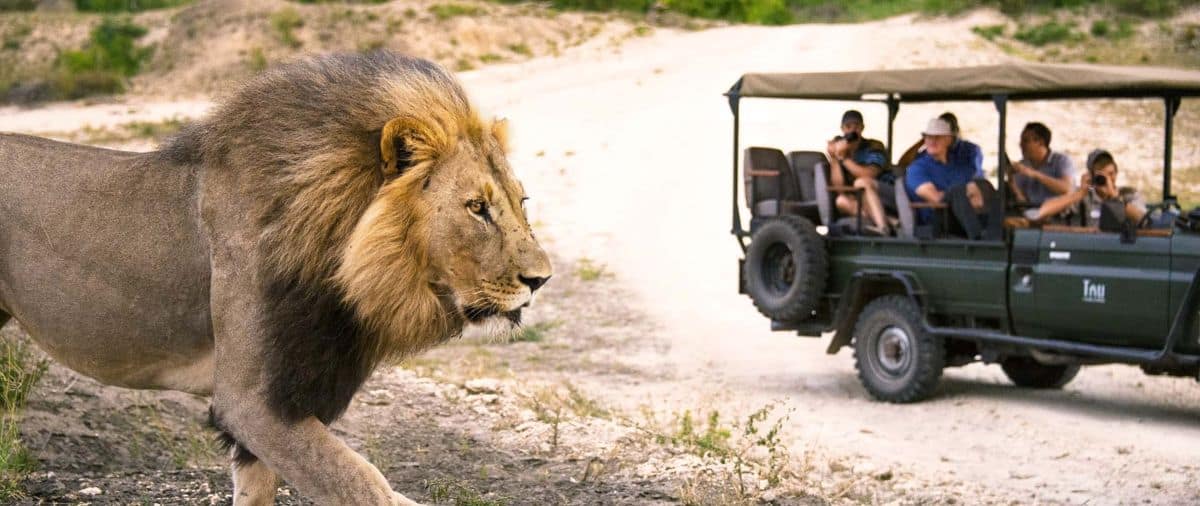
Selara Africa has entered the North American luxury travel market with an advisor-first model covering Botswana, Egypt, Kenya, Rwanda, South Africa and Tanzania. Launched on 22 September 2026, the African-founded operator aims to simplify complex luxury journeys through bespoke itinerary design, destination expertise and round-the-clock operational support. The company is led by Sherwin Banda, who brings more than 25 years of tourism and hospitality experience. Its commercial proposition also includes up to 15% commission, paid in the month of client departure. A launch incentive adds another 2% on qualifying booked revenue through 31 March 2027. The debut arrives as several African destinations report strong tourism momentum and pursue higher-value, longer-stay travel.
A New Model Puts Advisors First
The launch places travel advisors at the centre of Selara Africa’s commercial strategy. Rather than competing directly for the consumer relationship, the company says it works behind the scenes as an extension of the advisor’s business.
Advertisement
Advertisement
That distinction matters in luxury African travel. Safari itineraries often combine several lodges, domestic flights, transfers, guides and activities across different regions. A single journey can therefore require extensive coordination before departure and continuous management after arrival.
Selara Africa is designed around that complexity. Its teams in North America and Africa combine local destination knowledge with advisor-facing support. The model allows advisors to retain ownership of the client relationship while accessing specialist expertise behind the scenes.
Advertisement
Advertisement
Sherwin Banda, President of Selara Africa, said on 22 September 2026, “Travel advisors don’t need another supplier; they need a partner who is genuinely invested in their success.”
He added that the business was created to combine North American and African expertise while keeping advisors at the centre of the relationship.
Advertisement
Advertisement
The approach reflects a wider shift within luxury travel towards high-touch, personalised trip design. Travellers increasingly seek experiences that match their interests rather than standardised packages.
For Africa, that requirement becomes particularly significant. Wildlife experiences, seasonal movements, conservation areas and remote luxury camps can all influence itinerary planning.
Six Countries Create A Diverse Portfolio
The initial portfolio spans six destinations with markedly different tourism identities. That gives advisors scope to build journeys around wildlife, heritage, adventure, wine, culture and luxury hospitality.
| Destination | Key Travel Proposition | Potential Luxury Travel Angle |
|---|---|---|
| Botswana | Wildlife and wilderness | Private safari camps and conservation-led experiences |
| Egypt | Heritage, Nile and Red Sea | Nile journeys, archaeology and luxury river experiences |
| Kenya | Safari and wildlife | Great Migration and hot-air-balloon experiences |
| Rwanda | Wildlife and conservation | Gorilla trekking and high-end wilderness stays |
| South Africa | Wildlife, wine, food and cities | Safari, Cape Winelands and luxury multi-city journeys |
| Tanzania | Safari and landscapes | Migration-focused journeys and premium safari circuits |
The portfolio also gives advisors opportunities to combine destinations. South Africa, for example, can support a broader itinerary involving wildlife, wine and urban experiences.
Kenya and Tanzania can support safari-focused programmes, while Egypt introduces a substantially different proposition. Its Nile, archaeological heritage and Red Sea experiences allow advisors to build culturally focused luxury holidays.
The operator says additional destinations will follow. It also plans to introduce small-group departures, expanding the model beyond fully customised private journeys.
Advertisement
Advertisement
Africa’s Tourism Market Adds Momentum
The timing of the launch is notable because African destinations continue to strengthen international tourism.
South Africa recorded 10.48 million international arrivals in 2025, representing a 17.6% increase from 2024. The figure also marked the country’s highest recorded international arrival total.
Momentum continued during 2026. South Africa reported 4.22 million international tourist arrivals between January and May, up 12.8% year on year. European arrivals increased 11.1%, while arrivals from African markets grew 14.7%.
Kenya is also targeting significant expansion. Its tourism ministry recorded 2.4 million international visitors in 2024, up 15% from 2023. Tourism earnings reached KSh452.2 billion during the same year.
Kenya’s current medium-term planning targets 3.25 million international arrivals for 2026/27. Its longer-term strategy targets 5 million international arrivals by 2030.
These figures do not measure the luxury segment specifically. However, they illustrate the expanding international demand across two of Selara Africa’s core destinations.
Advertisement
Advertisement
| Tourism Indicator | Latest Official Figure | Period |
|---|---|---|
| South Africa international arrivals | 10.48 million | 2025 |
| South Africa year-on-year growth | 17.6% | 2025 |
| South Africa international arrivals | 4.22 million | Jan-May 2026 |
| South Africa Jan-May growth | 12.8% | 2026 |
| Kenya international visitors | 2.4 million | 2024 |
| Kenya tourism earnings | KSh452.2 billion | 2024 |
| Kenya 2026/27 arrivals target | 3.25 million | 2026/27 |
| Kenya 2030 arrivals target | 5 million | 2030 |
The figures provide useful context for advisors considering Africa as a growth market. They also underline the importance of operators that can translate rising destination interest into well-managed itineraries.
Luxury Travel Needs More Than Beautiful Lodges
Africa’s luxury proposition extends beyond accommodation. The strongest itineraries increasingly combine accommodation with access, interpretation, conservation and meaningful local experiences.
A premium safari may involve multiple transfers, charter flights, park regulations and changing wildlife patterns. The quality of coordination can therefore influence the entire client experience.
Selara Africa says its destination specialists help advisors account for seasonal game movements, regional entry requirements and luxury lodge selection. Its operational team can then monitor internal flights, transfers and lodge stays while clients travel.
That structure addresses one of the biggest practical challenges in African travel. A journey can look straightforward on paper but involve numerous independent service components.
The operator’s stated 24/7 ground support therefore has a practical role. It provides a local response mechanism when flight schedules, transfers or other arrangements require attention.
Advertisement
Advertisement
For North American advisors, the dual-continent structure also bridges a time-zone challenge. Advisor support operates during North American business hours, while the African team manages clients on the ground around the clock.
Advisor Resources Extend Beyond Booking
The commercial proposition extends beyond itinerary construction.
Selara Africa provides partner advisors with an Advisor Hub containing white-label sales documents, destination guides and media resources. It also offers destination education and access to familiarisation opportunities.
White-label materials can be particularly useful for agencies selling complex long-haul journeys. Advisors can present customised proposals under their own branding while using specialist destination content.
The operator’s website states that client-facing documentation, including digital itineraries and pre-departure guides, can be customised under the agency’s branding.
The commercial structure also places emphasis on advisor earnings.
Advertisement
Advertisement
| Advisor Benefit | Selara Africa Offering |
|---|---|
| Commission | Up to 15% |
| Commission timing | Month of client departure |
| Launch incentive | Additional 2% on qualifying booked revenue |
| Incentive period | Through 31 March 2027 |
| Sales resources | White-label documents and destination guides |
| Destination support | Specialist guidance and itinerary development |
| Client support | 24/7 operational assistance in Africa |
| Training | Destination education |
| Familiarisation | FAM trip opportunities |
The additional 2% incentive has conditions linked to qualifying production thresholds. Advisors should therefore confirm the applicable requirements directly before calculating expected earnings.
What The Launch Means For Travellers
For travellers, the most important development is not the commission structure. It is the potential effect of an advisor-focused operating model on trip quality.
A bespoke journey can begin with the traveller’s interests rather than a predetermined package. That could mean prioritising wildlife photography, combining safari with wine tourism or building an itinerary around Egypt’s archaeological heritage.
Selara Africa’s model also allows advisors to adjust the journey around pace and personal travel style. That can be important for multigenerational groups, couples and travellers with different interests.
For example, a safari-focused itinerary does not necessarily need to remain exclusively wildlife-oriented. South Africa can combine safari with Cape Winelands experiences, while Egypt can combine archaeology with Nile cruising and Red Sea stays.
The Egyptian tourism authority itself highlights the country’s broad mix of archaeological sites, Nile experiences, Red Sea tourism, desert adventures and cultural attractions.
Advertisement
Advertisement
That diversity reinforces the value of itinerary specialists. Africa is not one homogeneous tourism market, and travellers can encounter substantially different logistics between countries.
Conservation Becomes Part Of The Proposition
Luxury travel increasingly faces a question beyond comfort. Travellers and advisors also want to understand how tourism contributes to destinations.
Selara Africa says it works with conservation trusts, non-profit organisations and community initiatives across the continent. The operator positions these partnerships as part of its broader travel philosophy.
The model can connect premium travel with local economic participation. However, travellers should still ask advisors for specific information about individual conservation partners and the measurable outcomes of particular experiences.
That distinction matters. Responsible tourism claims are most valuable when travellers can understand where money goes and how local communities benefit.
For destinations such as Kenya, Botswana, Rwanda and Tanzania, conservation remains closely linked to the tourism economy. Wildlife experiences depend on maintaining ecosystems, protected areas and community relationships over the long term.
Advertisement
Advertisement
Practical Planning Matters Across Africa
The new operator’s portfolio also highlights why travellers should avoid treating Africa as a single destination.
Visa requirements differ between countries. Entry rules can also change according to nationality and travel history. Travellers should therefore confirm requirements before booking flights and again before departure.
Egypt, for instance, provides nationality-specific visa arrangements. Its official tourism platform states that eligible travellers can obtain visas through arrival or electronic channels, while additional nationalities may qualify under specific conditions.
Internal transport requires similar attention. Safari destinations can involve light aircraft, road transfers and remote camps rather than conventional point-to-point tourism infrastructure.
Travel advisors can therefore add value by planning realistic connection times. They can also match luggage requirements, seasonal conditions and activity intensity with the traveller’s expectations.
| Planning Area | Why It Matters |
|---|---|
| Visa requirements | Rules vary between African countries and nationalities |
| Internal flights | Safari regions may require specialist aircraft |
| Transfers | Remote lodges can involve lengthy road journeys |
| Seasonality | Wildlife experiences can vary by month |
| Luggage | Small aircraft may impose stricter baggage limits |
| Travel insurance | Remote travel can require comprehensive cover |
| Health preparation | Requirements vary by destination and itinerary |
| Conservation fees | Some experiences include destination or park charges |
| Connectivity | Remote camps may have limited communications |
| Emergency support | Local assistance can be valuable during complex journeys |
Travellers should also distinguish between an itinerary that looks geographically efficient and one that works operationally. A specialist advisor can assess both before confirming the trip.
Advertisement
Advertisement
South Africa Illustrates The Wider Opportunity
South Africa provides a useful example of how African tourism is broadening beyond traditional safari demand.
The country recorded more than 2.9 million inbound travellers in the first quarter of 2026, representing 12.6% growth year on year. Government tourism policy is also targeting 15 million international arrivals by 2030.
That growth strategy includes greater connectivity, broader destination marketing and diversification of tourism products.
The implication for luxury operators is significant. A traveller may no longer view South Africa simply as an add-on safari destination. Cape Town, the Winelands, cultural experiences, coastal journeys and wildlife can form a single premium itinerary.
The same principle applies elsewhere. Kenya can combine wildlife with coastal travel. Egypt can combine heritage with the Red Sea. Tanzania can pair safari experiences with beach stays.
That flexibility supports the growing demand for multi-experience luxury travel rather than narrowly defined holiday packages.
Advertisement
Advertisement
A Focus On Long-Term Advisor Relationships
The launch ultimately reflects a commercial bet on expertise and relationships.
Selara Africa is not entering the market merely as another supplier of African hotel rooms and safari packages. Its positioning centres on reducing the complexity advisors face when creating highly personalised journeys.
That model places considerable importance on execution. A strong proposal can attract a booking, but reliable operations determine whether the client experience matches expectations.
The company therefore enters a market where destination knowledge, local relationships and rapid problem-solving remain critical. Its six-country launch provides a substantial starting platform, while future destinations and small-group departures could broaden its reach.
For travellers, the immediate significance lies in the additional specialist capacity available through North American advisors. For advisors, the launch creates another route into a continent where demand is growing and itinerary complexity remains high.
Africa’s tourism story is increasingly moving beyond a single safari narrative. Luxury, conservation, culture, gastronomy, heritage and personalised experiences are becoming interconnected parts of the proposition.
Selara Africa’s launch arrives directly within that evolution. Its success will ultimately depend on how effectively its advisor-first promise translates into seamless journeys on the ground. For travellers seeking complex African itineraries, that operational distinction could prove as important as the luxury properties themselves.
Advertisement
