
US Storm Safety Experts Warn Homeowners Against Taping Windows as Severe Weather Threatens Properties

Published
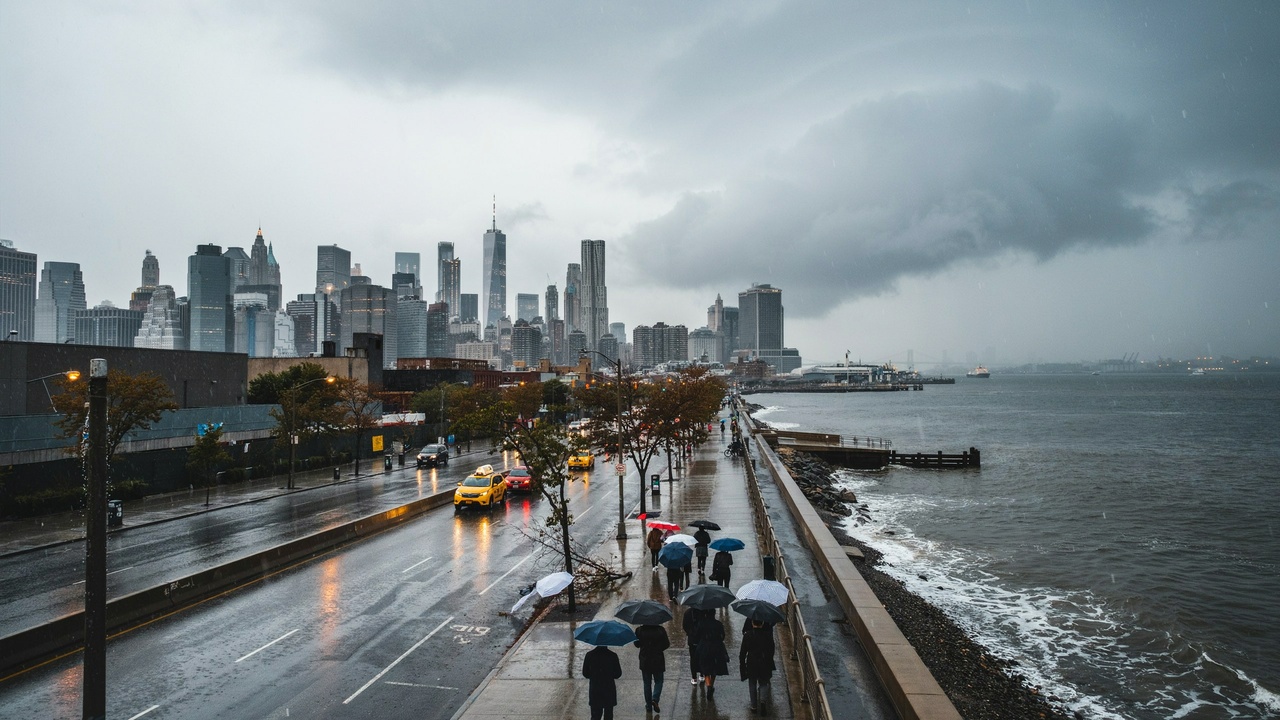
US homeowners urged to secure roofs, windows and garage doors before powerful storms strike as safety specialists highlight practical measures to reduce property damage and protect lives. From strengthening vulnerable structures to preparing emergency supplies, expert guidance explains how residents and travellers can respond safely before, during and after severe weather.
Storm Protection Becomes Essential as Severe Weather Threatens Homes and Travel
Severe storms can cause extensive damage to residential properties, disrupt transport networks and create dangerous conditions for residents and visitors. Strong winds, heavy rainfall, flying debris and flooding can threaten buildings within hours, making advance preparation essential for protecting people and reducing avoidable losses.
Specialists at Roofing SEO Services have outlined practical steps homeowners can take before, during and after severe weather. Their recommendations address common mistakes, including taping windows, overlooking garage doors and failing to secure outdoor equipment.
The guidance broadly reflects established safety recommendations from the Federal Emergency Management Agency (FEMA), the National Weather Service (NWS) and the Insurance Institute for Business & Home Safety (IBHS).
Advertisement
Advertisement
For the travel and tourism industry, storm preparedness also matters because holiday homes, rental accommodation and coastal tourism properties can face similar weather-related risks. Property owners, accommodation providers and travellers all benefit from understanding how to respond when severe weather threatens a destination.
Roofs, Windows and Garage Doors Require Early Attention
The roof, windows and garage door are among the most vulnerable parts of a building during powerful windstorms. Damage to these structures can allow wind and rain to enter, potentially increasing the scale of destruction.
Advertisement
Advertisement
Homeowners should inspect roofs for damaged or missing tiles and shingles, repair loose components and clear gutters to support proper drainage.
Trees also require attention. Dead branches and unstable limbs should be removed before severe weather arrives because falling vegetation can damage buildings, vehicles and nearby infrastructure.
Outdoor furniture, bins, barbecues and gardening equipment should be secured or moved indoors. During strong winds, unsecured objects can become dangerous projectiles.
Garage doors deserve particular attention. A poorly reinforced door can fail under intense wind pressure, potentially exposing the building interior and contributing to further structural damage.
Property owners should consider suitable wind-rated doors or professionally approved reinforcement systems.
“Storm preparedness is not simply about protecting buildings; it is about safeguarding families, travellers, communities and the tourism infrastructure that supports local economies. As severe weather continues to challenge destinations worldwide, practical safety awareness must become an essential part of responsible travel and property management. Simple preventive measures, including strengthening roofs, securing garage doors, protecting windows and maintaining emergency supplies, can make a meaningful difference when dangerous conditions develop. For hotels, holiday rentals and tourism businesses, preparedness also demonstrates a commitment to guest safety and operational resilience. Equally important is ensuring that residents and visitors receive accurate information, understand evacuation procedures and avoid unnecessary risks during flooding or power disruptions. At Travel And Tour World, we believe that sharing reliable, accessible safety guidance helps build informed communities and more resilient destinations. Preparedness today can protect lives, preserve livelihoods and support faster recovery tomorrow.” — Anup Kumar Keshan, Founder and Editor-in-Chief, Travel And Tour World
Advertisement
Advertisement
Why Taping Windows Is Not an Effective Storm Safety Measure
One of the most persistent misconceptions about storm preparation involves placing adhesive tape across windows.
Safety specialists warn that tape does not meaningfully strengthen glass or prevent windows from breaking during severe weather.
Instead, homeowners should consider properly installed storm shutters or appropriately secured plywood panels where recommended.
Impact-resistant glazing can provide additional protection in areas regularly exposed to hurricanes and powerful windstorms.
Protective measures must be installed correctly and comply with relevant local building requirements.
For hotels, holiday rentals and other accommodation providers, inspecting window protection systems before storm season can help reduce risks to guests and employees.
Advertisement
Advertisement
Emergency Kits Can Support Households During Travel and Power Disruptions
Storm preparedness extends beyond structural protection. Households should maintain emergency supplies in case electricity, drinking water or transport services become unavailable.
A basic emergency kit should contain drinking water, non-perishable food, prescription medication, first-aid supplies, torches, spare batteries and portable charging equipment.
FEMA recommends storing at least one gallon of water per person per day for several days, with additional supplies where necessary.
Important documents should be protected in waterproof containers or bags.
Travellers staying in unfamiliar accommodation should also identify emergency exits, local shelter arrangements and official weather information sources.
Visitors should follow local authority instructions rather than relying exclusively on social media updates.
Advertisement
Advertisement
Staying Indoors and Avoiding Floodwater During Severe Weather
During powerful storms, personal safety must take priority over protecting possessions.
Residents should remain inside a secure building and move away from windows, exterior doors and exposed areas.
For extreme wind threats, an interior room on the lowest safe floor can provide additional protection. However, people facing flooding must follow evacuation instructions and move to higher ground when safe.
Hurricanes present an additional danger because temporary calm conditions may indicate that the eye is passing overhead. Destructive winds can return suddenly from another direction.
Flooded roads are another major hazard.
The National Weather Service warns that approximately 12 inches of moving water can carry away a small vehicle, while deeper water can threaten larger vehicles.
Advertisement
Advertisement
Drivers should never attempt to cross flooded roads, even when the water appears shallow.
With storms creating a serious threat to houses every year, new guidance from specialists at Roofing SEO Services reveals how to protect your property before, during, and after a storm
Generator Safety and Power Outages Need Special Attention
Extended electricity outages frequently accompany major storms, particularly when trees or debris damage power infrastructure.
Portable generators can provide temporary electricity, but improper operation creates a serious carbon monoxide poisoning risk.
Generators must operate outdoors, at least 20 feet, approximately six metres, from buildings, with exhaust directed away from doors, windows and ventilation openings.
They must never be operated inside houses, garages or enclosed spaces.
Advertisement
Advertisement
Battery-powered torches are safer than candles during power cuts because they reduce fire risks.
Residents should also avoid fallen electrical cables and report damaged power infrastructure to the relevant utility provider.
Assessing Property Damage Safely After a Storm
Once severe weather has passed, homeowners should wait for official confirmation that outdoor conditions are safe.
Initial inspections should focus on visible structural damage, fallen electrical lines, gas leaks and unstable trees.
Floodwater must be treated as potentially hazardous because it can contain sewage, sharp debris, chemicals and electrical dangers.
Homeowners should photograph damage before beginning repairs where it is safe to do so. Clear records can support insurance claims and help establish the extent of property losses.
Advertisement
Advertisement
Residents should also check on vulnerable neighbours, including older people and those living alone, without exposing themselves to additional danger.
Accommodation operators should inspect guest facilities before reopening affected areas.
Experts Highlight Overlooked Garage Door Risks
Dr M Mansoor Siddique, Director of Roofing SEO Services, identifies garage doors as an important but frequently neglected element of storm protection.
He explains that garage door failure during powerful winds can expose other parts of a property to damage.
His advice reinforces the importance of preparing vulnerable building components well before official storm warnings are issued.
For homeowners and tourism accommodation operators, early maintenance, reliable weather information and clear emergency procedures can significantly improve readiness.
Protecting homes from severe storms requires preparation, reliable safety information and careful decisions throughout an emergency. Strengthening roofs, windows and garage doors, preparing essential supplies and avoiding dangerous floodwater can reduce risks. For residents, travellers and accommodation providers, early planning remains central to improving safety and limiting damage.
Advertisement
