
Qatar’s Doha Promise Unforgettable Rural Adventures with Authentic Food and Tours

Updated
Published
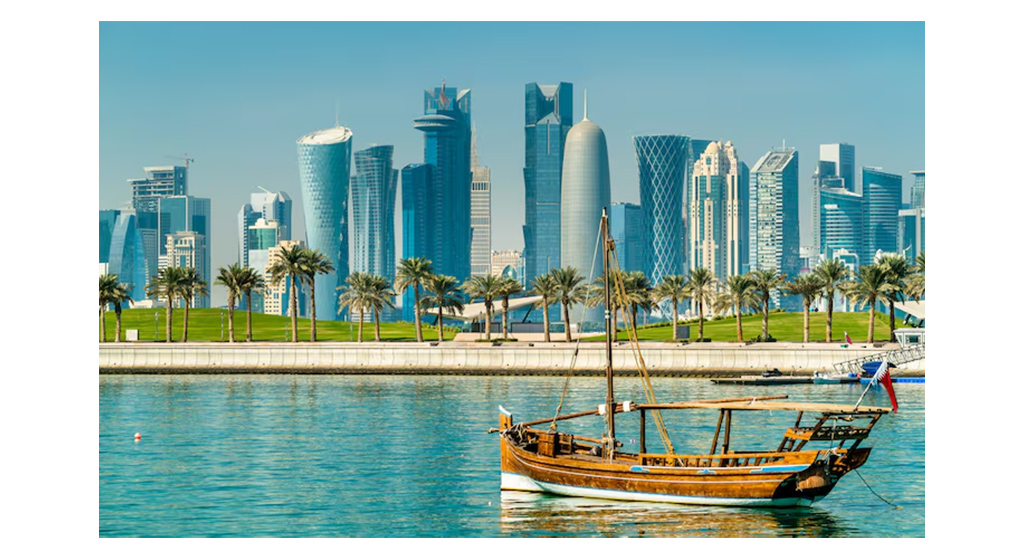
As global travel shifts toward immersive cultural and regional exploration, Qatar’s Doha Promise Unforgettable Rural Adventures with Authentic Food and Tours emerges as a major official initiative. Released through verified reports, this strategic program redefines the national tourism landscape by spotlighting heritage hinterlands, indigenous gastronomy, and sustainable community experiences. Supported by impressive economic metrics and a stellar rise in global competitiveness rankings, public officials successfully diversify visitor attractions beyond urban skylines. Stakeholders across hospitality, transport, and event sectors anticipate profound economic growth, cementing Qatar position as a premier international destination for modern global travelers seeking authentic cultural holiday experiences today.
Introduction to Qatar’s Evolving Tourism Paradigm
The global tourism sector is undergoing a profound structural transformation, moving away from mass urban sightseeing toward hyper-personalized, culturally grounded, and environmentally sustainable regional experiences. Within this rapidly shifting international landscape, the State of Qatar has positioned itself at the forefront of destination innovation. Verified official reports released in late 2026 underscore a monumental strategic pivot spearheaded by Qatar Tourism and national administrative bodies. Central to this evolution is Qatar’s Doha Promise Unforgettable Rural Adventures with Authentic Food and Tours, a comprehensive policy framework designed to unlock the untapped potential of Qatar’s hinterlands, coastal mangroves, historical settlements, and culinary heritage.
For decades, international perceptions of Qatar were dominated by its gleaming metropolitan core in Doha, characterized by futuristic skyscrapers, world-class museums, and luxury shopping hubs. However, recent government directives and strategic planning documents published via the official Hukoomi portal reveal a concerted effort to showcase the nation’s diverse geography and rich ancestral traditions. By bridging the gap between urban sophistication and rural authenticity, public authorities are successfully broadening the appeal of the peninsula to high-value international travelers and domestic explorers alike.
Advertisement
Advertisement
Shifting Focus from Urban Splendour to Regional Heritage
The transition from a purely capital-centric tourism model to a decentralized, region-wide visitor economy is not merely a marketing maneuver; it represents a core pillar of the Qatar National Vision 2030. As economic diversification gains momentum, policymakers have recognized that long-term sustainability in tourism relies on distributing visitor flows across multiple geographic zones. Rural regions such as Al Shamal in the north, Al Khor and Al Thakira on the eastern coast, and the dramatic geological formations of Zekreet in the west are receiving unprecedented infrastructural and promotional support.
Advertisement
Advertisement
This decentralized approach ensures that local communities directly benefit from visitor spending while preserving fragile ecosystems and archaeological treasures. Sustainable heritage preservation has become a guiding principle for regional development. By integrating historical forts, traditional fishing villages, and protected wildlife reserves into official tour itineraries, authorities offer travelers an immersive window into pre-modern Qatari life. These initiatives are meticulously regulated to prevent over-tourism, ensuring that environmental carrying capacities are respected across all designated rural and coastal zones.
The Strategic Genesis of Rural and Culinary Tourism Policies
The conceptual foundation of Qatar’s Doha Promise Unforgettable Rural Adventures with Authentic Food and Tours stems from comprehensive research into modern consumer behavior. Post-pandemic travelers increasingly prioritize authenticity, cultural immersion, and culinary storytelling. Recognizing this global trend, the Ministry of Economy and Commerce, alongside Qatar Tourism, formulated targeted policies to cultivate agritourism, culinary trails, and heritage excursions.
Government announcements highlight that these policies are designed to create symbiotic relationships between local agricultural producers, artisanal food processors, and tour operators. By celebrating indigenous Qatari gastronomy—ranging from slow-cooked meat dishes like machbūs to artisanal date molasses and freshly baked traditional breads—the initiative transforms dining from a routine necessity into a core cultural voyage. Official training programs have been instituted to assist local culinary entrepreneurs in meeting international hygiene and service standards while preserving authentic preparation techniques handed down through generations.
Official Government Announcements and Institutional Frameworks
Recent announcements from federal ministries and regulatory bodies emphasize strict adherence to transparency, safety, and sustainable growth. The National Planning Council has released comprehensive statistical compendiums detailing the performance and future projections of the hospitality and tourism sectors. These official releases provide investors, business owners, and international analysts with precise data regarding infrastructural expansion, regulatory updates, and public sector investments.
Advertisement
Advertisement
Institutional integration has been significantly strengthened through electronic connectivity agreements between judicial, commercial, and tourism authorities. For instance, recent memorandums signed by the Supreme Judicial Council and the General Tax Authority ensure that tourism-related enterprises benefit from streamlined digital administrative services. Such institutional synergy reduces bureaucratic friction, encouraging foreign direct investment and domestic entrepreneurship within rural and culinary tourism sub-sectors.
The National Planning Council and Hukoomi Portal Directives
The dissemination of official tourism guidelines is heavily anchored in the Hukoomi portal, Qatar’s official e-government gateway. Through this centralized digital hub, prospective investors, licensed tour operators, and travelers can access verified regulations governing eco-tourism permits, culinary establishment licencing, and cultural site access. The portal provides real-time updates on public safety protocols, environmental protection mandates, and transport connectivity across the peninsula.
Government directives emphasize that all rural adventure and food tour operators must comply with rigorous environmental and safety standards. These include mandatory training for tour guides, adherence to strict waste management protocols in protected nature reserves such as the Al Thakira Mangroves, and compliance with food safety regulations enforced by the Ministry of Public Health. By maintaining uncompromising standards, public authorities ensure that Qatar’s Doha Promise Unforgettable Rural Adventures with Authentic Food and Tours remains synonymous with uncompromised quality and safety.
WEF Travel & Tourism Development Index 2026: Qatar’s Historic Ten-Place Leap
A definitive external validation of Qatar’s tourism strategy arrived with the publication of the World Economic Forum’s Travel and Tourism Development Index (TTDI) 2026. In this highly anticipated global ranking, the State of Qatar climbed an extraordinary 10 places globally to secure the 47th position, registering one of the largest competitive improvements recorded worldwide.
Advertisement
Advertisement
According to official WEF evaluations, Qatar’s ascent was driven by remarkable gains across several key pillars, most notably price competitiveness, which surged by 49%, and overall openness to travel and tourism, which rose by 12%. Furthermore, international statistical evaluations ranked Qatar first globally and regionally in general infrastructure and tertiary inbound mobility indicators. This stellar institutional backing provides a robust economic foundation for Qatar’s Doha Promise Unforgettable Rural Adventures with Authentic Food and Tours, validating government investments and reinforcing global investor confidence in the Qatari visitor economy.
Unpacking Qatar’s Doha Promise Unforgettable Rural Adventures with Authentic Food and Tours
At the heart of Qatar’s contemporary tourism narrative lies a commitment to delivering transformative, multi-sensory experiences. Qatar’s Doha Promise Unforgettable Rural Adventures with Authentic Food and Tours is structured around several distinct thematic pillars that guide visitors away from conventional tourist corridors and deep into the heart of Qatari heritage, geography, and culinary arts.
The initiative is meticulously curated to balance active outdoor exploration with leisurely cultural engagement. Whether navigating the meandering waterways of northern mangrove forests by kayak, exploring millennia-old archaeological sites, or partaking in communal feasts featuring time-honored local recipes, travelers are offered a seamless blend of education, recreation, and luxury.
Immersive Cultural Exploration Beyond Doha’s Skyline
While Doha continues to captivate visitors with architectural masterpieces such as the National Museum of Qatar and the Museum of Islamic Art, the true soul of the nation extends far beyond the capital’s urban borders. The rural adventure framework encourages travelers to venture into the desert interior and coastal expanses where traditional lifestyles persist.
Advertisement
Advertisement
Guided excursions led by certified local experts take visitors through historical settlements, where elders recount tales of pearl diving, nomadic desert survival, and maritime trade. These cultural interactions are designed with deep ethical consideration, ensuring that local communities retain agency over their narratives and derive tangible economic benefits from tourism activities. Doha cultural tourism is thus expanded into a national network of living museums and interactive heritage centers.
Heritage Trails: Al Zubara, Purple Island, and Coastal Enclaves
The geographical scope of the rural adventures initiative encompasses several internationally recognized heritage sites and ecological sanctuaries. Chief among these is the Al Zubara Archaeological Site, a UNESCO World Heritage designation that preserves the remains of an 18th-century pearl-diving and trading port. Official guided tours now offer deeper historical context, connecting the ruins of Al Zubara with surrounding coastal defense towers and traditional settlements.
Similarly, Purple Island (Jazirat Bin Ghannam) and the neighboring Al Thakira Mangroves offer visitors a striking natural contrast to arid desert landscapes. Official eco-tourism programs provide non-motorized water sports, guided bird-watching tours focusing on migratory flamingos and herons, and educational seminars on coastal marine biodiversity. These sites exemplify how regional tourism infrastructure can be developed harmoniously with strict environmental conservation mandates.
Culinary Heritage Integration: From Traditional Souqs to Regional Farm-to-Table Experiences
Food is a universal language of hospitality, and Qatari cuisine serves as a vibrant archive of the nation’s historical crossroads between the Arabian Peninsula, Persia, East Africa, and the Indian subcontinent. Qatar’s Doha Promise Unforgettable Rural Adventures with Authentic Food and Tours integrates gastronomy into every facet of the visitor journey.
Advertisement
Advertisement
In historic marketplaces such as Souq Waqif, curated culinary walks allow visitors to explore spice, saffron, and date emporiums under the guidance of culinary historians. Beyond the capital, rural farm-to-table experiences invite travelers to participate in traditional agricultural practices, harvest organic produce, and dine with local farming families. Dishes such as harees, thareed, and sweet luqaimat are prepared over open fires, offering an unforgettable taste of authentic Qatari culture paired with legendary Arabian hospitality.
Comprehensive Statistics and Hospitality Sector Performance
To fully appreciate the scope of current tourism developments, one must examine official statistical releases from the National Planning Council and Qatar Tourism. The data reveals a thriving visitor economy characterized by robust growth in inbound arrivals, extended average lengths of stay, and exceptionally high hospitality sector utilization rates.
Inbound Visitor Metrics: Analyzing First-Quarter Surges in 2026
Official tourism reports indicate that Qatar welcomed 1.13 million visitors during the first quarter of 2026 alone, demonstrating sustained momentum following the infrastructural legacy of international sporting events hosted in recent years. Monthly arrival figures illustrated consistent international demand: 646,000 visitors arrived in January, followed by 423,000 in February, with subsequent stabilization setting the stage for aggressive second-half campaigns.
The launch of Visit Qatar’s annual “Hello Summer” campaign in April—running through September 2026—further catalyzed inbound travel. By offering diversified entertainment programs, major music concerts, family attractions at leading shopping malls, and specialized water park experiences, public authorities successfully mitigated traditional seasonal slowdowns, transforming summer into a vibrant tourism period.
Advertisement
Advertisement
Hotel Occupancy, Room Nights, and Infrastructure Capacity
The expansion of visitor arrivals has been fully matched by the maturation of Qatar’s hospitality infrastructure. Official statistics show that the nation boasts a comprehensive inventory comprising 189 hotels and hotel apartments, offering 46,806 rooms and 68,495 beds.
During the reporting periods, the hospitality sector welcomed an impressive 6.67 million guests, who collectively recorded 15.68 million room nights. These figures reflect exceptional asset utilization and strong investor confidence. Furthermore, the diversification of lodging options—ranging from ultra-luxury five-star coastal resorts to boutique heritage hotels in historic districts and licensed eco-lodges near rural nature reserves—ensures that accommodations cater to diverse budgetary and experiential preferences.
Domestic Travel Trends and Seasonal Campaign Momentum
Beyond international arrivals, domestic tourism has emerged as a powerful stabilizing force within Qatar’s visitor economy. Official surveys indicate that a growing proportion of local residents choose domestic holidays, exploring public and private beaches, island resorts, nature reserves, and historical forts across the weekends and holiday periods.
This robust domestic engagement is actively supported by targeted promotional campaigns and infrastructure upgrades. Enhanced public transport connectivity, managed by state-backed logistics networks, ensures effortless travel from central Doha to coastal and rural destinations. The synergy between domestic leisure trends and international marketing campaigns creates a resilient, year-round tourism ecosystem.
Advertisement
Advertisement
Economic Implications and Business Opportunities in the Visitor Economy
The rapid expansion of tourism, catalyzed by strategic frameworks like Qatar’s Doha Promise Unforgettable Rural Adventures with Authentic Food and Tours, generates profound macroeconomic ripple effects. Tourism is no longer viewed merely as a service sector activity; it is a primary engine of non-oil economic diversification, driving enterprise creation, employment, and regional development.
Diversification Beyond Oil: Strengthening Non-Oil GDP Sectors
In alignment with national strategic objectives, the contribution of non-oil sectors to Qatar’s Gross Domestic Product (GDP) continues to expand. Tourism acts as a powerful economic multiplier, stimulating demand across multiple auxiliary industries including transportation, food and beverage, retail, construction, event management, and digital technology.
Official economic assessments confirm that increased visitor spending directly supports small and medium-sized enterprises (SMEs), fostering a vibrant entrepreneurial culture. By decentralizing tourism activities away from urban centers, economic benefits are distributed more equitably across municipal boundaries, uplifting rural economies and creating specialized employment opportunities for local residents.
Investment Pathways across Hospitality, Transport, and Technology
Advertisement
Advertisement
The maturation of Qatar’s tourism sector has opened diverse investment pathways for both domestic and international enterprises. While mega-hotels historically dominated tourism investment, current market conditions favor specialized, lower-capital ventures that enrich the visitor experience.
Key areas experiencing rapid investment growth include:
- Specialized Tourism Experiences: Guided desert excursions, marine eco-tours, cultural workshops, and adventure sports operations.
- Agritourism and Culinary Ventures: Farm-to-table dining concepts, artisanal food production, and traditional culinary academies.
- Tourism Technology and Digital Solutions: Booking platforms, multilingual destination apps, virtual reality heritage reconstruction, and digital marketing services tailored for hospitality clients.
- B2B Event Services: MICE (Meetings, Incentives, Conferences, and Exhibitions) logistics, specialized exhibition design, and corporate hospitality management.
Investors can leverage flexible regulatory structures, including mainland commercial registrations, Qatar Financial Centre (QFC) frameworks, and specialized offerings within Qatar Free Zones, which provide strategic advantages for international businesses establishing regional headquarters.
Micro-Enterprise and SME Empowerment in Rural Tourism Hubs
A vital socio-economic objective of the rural adventures initiative is the empowerment of local micro-enterprises and SMEs. Government-backed capacity-building programs provide rural artisans, craftspeople, and culinary producers with the training, digital tools, and marketplace access necessary to commercialize their traditional skills.
In heritage hubs and rural cooperatives, local vendors are supported in establishing compliant commercial enterprises, ensuring that the economic gains of tourism remain rooted within the community. This grassroots economic empowerment fosters community pride, preserves intangible cultural heritage, and guarantees authentic visitor interactions.
Advertisement
Advertisement
Policy Implications and Regulatory Frameworks
The sustainable scaling of Qatar’s tourism industry relies on sophisticated, transparent, and adaptive regulatory frameworks. Public authorities have instituted rigorous policies to balance commercial growth with environmental stewardship, consumer protection, and institutional integrity.
Streamlining Licensing and Business Setup for Tourism Operators
Navigating the regulatory environment for tourism-related businesses has been significantly streamlined through coordinated digital governance. Government bodies have introduced unified licensing protocols that clearly define requirements based on specific operational activities, whether in mainland jurisdictions or free zones.
Prospective operators benefit from transparent guidelines regarding health and safety compliance, environmental impact assessments, and labor standards. This regulatory clarity minimizes administrative delays, reduces compliance costs, and accelerates time-to-market for innovative tourism startups and established hospitality brands alike.
Sustainability, Environmental Protection, and Heritage Conservation Standards
Advertisement
Advertisement
Environmental sustainability is codified into the operational mandates governing rural and coastal tourism. Operators working within protected areas—such as marine reserves, mangrove forests, and archaeological zones—are subject to stringent ecological protection protocols.
Mandates include zero-waste policies, energy efficiency requirements, sustainable water management practices, and strict limitations on visitor density in fragile ecosystems. Heritage conservation guidelines ensure that architectural restorations adhere to international preservation standards, protecting the historical integrity of monuments while adapting them for safe public appreciation.
Safety, Security, and Global Competitiveness Pillar Analysis
Qatar consistently maintains its ranking among the safest tourism destinations in the world, a distinction verified by international security indices and official government data. This exceptional level of public safety serves as a powerful competitive advantage, instilling confidence in family travelers, solo explorers, and corporate delegations.
The WEF Travel & Tourism Development Index 2026 underscored safety and security as foundational pillars of Qatar’s tourism appeal. Combined with world-class aviation infrastructure—anchored by Qatar Airways’ global network connecting over 160 destinations through more than 140 daily flights—the nation offers an unmatched combination of security, connectivity, and hospitality excellence.
Official Statements and Industry Expert Perspectives
Advertisement
Advertisement
Official pronouncements from government leaders and commentary from international tourism experts reinforce the positive trajectory of Qatar’s visitor economy.
Insights from Tourism Authorities and Government Officials
Senior officials from Qatar Tourism and economic ministries have repeatedly emphasized that the nation’s tourism strategy is built on sustainable excellence rather than short-term visitor volume. In recent policy addresses, leadership noted that initiatives like Qatar’s Doha Promise Unforgettable Rural Adventures with Authentic Food and Tours exemplify Qatar’s capacity to innovate while honoring its ancestral roots.
Government spokespersons highlighted that international recognition—such as the nation’s historic ten-place leap in the WEF TTDI 2026 rankings—reflects the success of long-term capital investments, regulatory modernization, and cross-sector institutional collaboration.
Private Sector Reactions and Hospitality Leadership Commentary
Industry leaders within Qatar’s private hospitality and travel sectors have expressed strong optimism regarding H2 2026 performance and medium-term projections. Hotel executives and tour operators report surging demand for bundled experiential packages that combine urban luxury with rural exploration.
Advertisement
Advertisement
Commentary from hospitality associations underscores that culinary tourism and heritage excursions have successfully extended average guest stays, boosting overall tourism expenditure. Private sector stakeholders continue to collaborate closely with government agencies to co-create innovative attractions, ensuring that Qatar’s tourism product remains dynamic, competitive, and globally appealing.
Future Outlook: Sustaining Momentum into 2027 and Beyond
As the tourism sector looks toward 2027 and subsequent developmental horizons, strategic planning focuses on deepening infrastructural resilience, expanding digital integration, and broadening international source markets.
Strategic Expansion Plans for Regional Infrastructure
Future infrastructure investments will prioritize enhanced public transport links between Doha and remote rural hubs, including expanded high-speed coach networks, eco-friendly ferry services along the eastern coastline, and upgraded visitor centers at key archaeological sites.
Furthermore, smart tourism initiatives—supported by advanced data analytics hosted on government digital portals—will enable real-time visitor flow management, ensuring optimal crowd distribution and exceptional guest experiences across all regional attractions.
Advertisement
Advertisement
Long-Term Vision for Global Destination Leadership
Ultimately, Qatar’s Doha Promise Unforgettable Rural Adventures with Authentic Food and Tours symbolizes a visionary blueprint for modern destination management. By harmonizing economic diversification, environmental sustainability, cultural preservation, and world-class hospitality, Qatar has established a sustainable benchmark for regional tourism development.
As global travelers increasingly seek destinations that offer depth, authenticity, and uncompromising quality, Qatar stands poised as a shining exemplar of visionary governance and cultural pride, securing its rightful place among the world’s premier international travel destinations for generations to come.
Advertisement
