
Mexico and USA Dazzle with Día de los Muertos 2026 Across Eight Iconic Destinations and Sacred Celebrations: All You Need to Know

Published
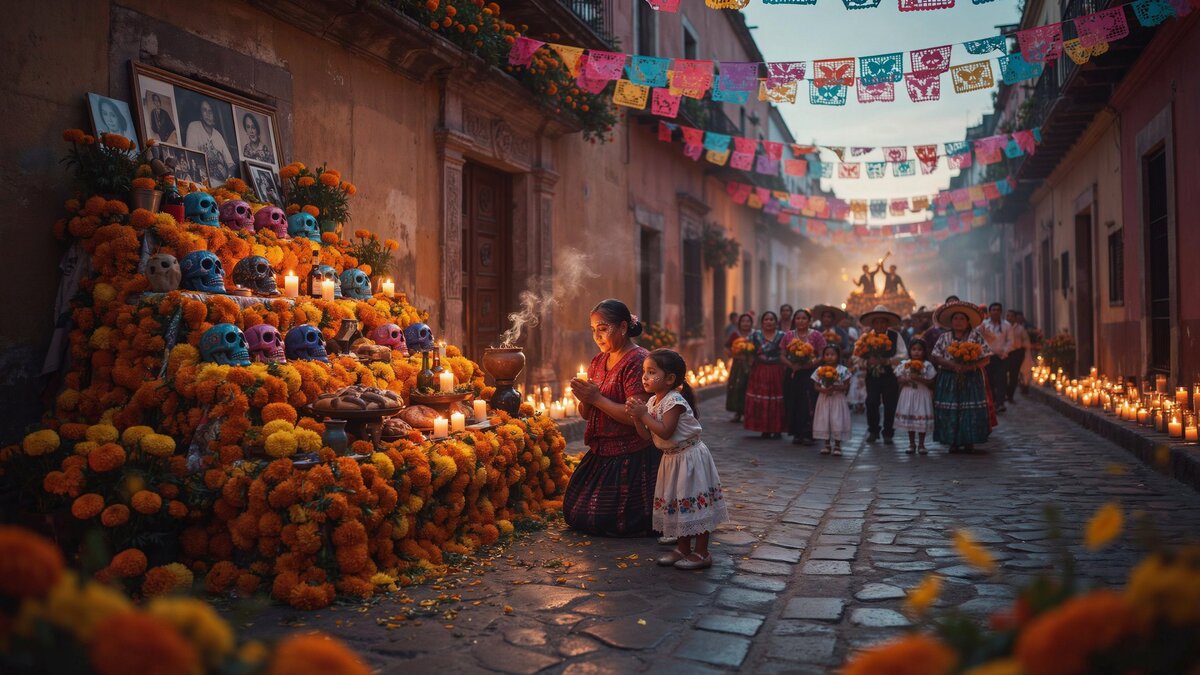
Día de los Muertos 2026 is set to transform destinations across Mexico and the United States into extraordinary centres of cultural celebration, with illuminated cemeteries, elaborate ancestral altars, traditional music and colourful street processions. From Oaxaca’s historic neighbourhoods and Michoacán’s lakeside communities to Los Angeles and San Antonio, travellers can experience different interpretations of a tradition rooted in remembrance and family connections. The principal observances take place around 31 October to 2 November, although several public festivals begin earlier. For international visitors, the season offers a remarkable opportunity to discover Mexican heritage through living traditions rather than conventional tourist attractions.
Why Día de los Muertos Is One of North America’s Most Meaningful Cultural Celebrations?
Día de los Muertos, or Day of the Dead, honours deceased relatives through offerings, prayers, food and community gatherings.
Advertisement
Advertisement
UNESCO recognises Mexico’s Indigenous festivity dedicated to the dead as Intangible Cultural Heritage of Humanity, originally proclaimed in 2003 and inscribed on its Representative List in 2008.
The tradition combines Indigenous spiritual practices with Catholic observances introduced during the colonial period.
Advertisement
Advertisement
Families create ofrendas, or altars, featuring photographs, candles, marigolds and favourite foods associated with deceased loved ones.
Rather than presenting death solely as an occasion for mourning, the celebration emphasises memory, continuity and relationships across generations.
Advertisement
Advertisement
Eight Destinations Bringing Día de los Muertos 2026 to Life
| Destination | Country | Distinctive experience |
|---|---|---|
| Oaxaca City and Etla Valley | Mexico | Traditional comparsas and community processions |
| Mexico City and Mixquic | Mexico | Monumental altars, parades and candlelit cemetery rituals |
| Mérida and Pomuch | Mexico | Maya Hanal Pixán traditions |
| Guanajuato City | Mexico | Monumental university altar and tunnel celebrations |
| Pátzcuaro and Janitzio | Mexico | Purépecha remembrance and overnight vigils |
| Guadalajara | Mexico | Cultural celebrations and contemporary festival experiences |
| Los Angeles | USA | Mexican-American altars and community festivities |
| San Antonio | USA | Public art, memorial altars and cultural performances |
Oaxaca City and Etla Valley: Where Music, Art and Ancestral Customs Meet
Oaxaca offers one of Mexico’s most distinctive Día de los Muertos experiences.
Its historic streets become gathering places for traditional processions known as comparsas, featuring musicians, dancers and elaborate costumes.
Colourful sand designs, floral arrangements and memorial altars appear throughout the city.
Nearby Etla Valley communities preserve their own traditions, including muerteadas, theatrical processions combining music, performances and local participation.
San Agustín Etla is particularly associated with overnight celebrations.
Visitors should distinguish public festivities from private family observances, especially around cemeteries.
Advertisement
Advertisement
Mexico’s National Institute for Federalism and Municipal Development identifies Oaxaca as an important centre of traditional Day of the Dead observances.
Mexico City and Mixquic: Monumental Celebrations Meet Candlelit Remembrance
Mexico City combines large-scale public entertainment with centuries-old neighbourhood traditions.
The capital’s celebrations include elaborate installations, public altars and the Grand Day of the Dead Parade.
San Andrés Mixquic, within the Tláhuac borough, offers a contrasting experience rooted in community remembrance.
Its most significant ceremony, La Alumbrada, takes place on 2 November, when candles illuminate graves and families gather to honour deceased relatives.
The capital’s official 2026 Día de Muertos visitor guide identifies Mixquic, Xochimilco and the city’s major public installations among the season’s cultural attractions.
Advertisement
Advertisement
Mérida and Pomuch: Ancient Maya Heritage Gives the Festival a Distinctive Identity
In Mexico’s Yucatán Peninsula, remembrance traditions are closely associated with Hanal Pixán, meaning food for the souls.
Mérida celebrates through its Festival de las Ánimas, featuring processions, altars, performances and traditional cuisine.
The city’s Paseo de las Ánimas connects the General Cemetery with the San Juan area.
In neighbouring Campeche state, Pomuch preserves the ancestral Choo Ba’ak practice, through which families respectfully clean and care for the remains of deceased relatives.
The Campeche government recognises this tradition as part of the state’s intangible cultural heritage.
Guanajuato City: Historic Underground Passages Become an Extraordinary Cultural Stage
Guanajuato’s eighth Day of the Dead Festival is scheduled for 28 October to 2 November 2026.
Advertisement
Advertisement
The city will feature its monumental altar on the University of Guanajuato’s staircase, alongside cultural activities in its famous underground tunnels.
Traditional food, artistic displays and performances will contribute to the celebration.
The 2026 programme also includes Japanese Bon Odori performances, introducing an international cultural exchange element.
Guanajuato’s distinctive architecture makes the event particularly appealing to heritage travellers.
Pátzcuaro and Janitzio: Michoacán’s Lakeside Communities Preserve Sacred Night Vigils
Pátzcuaro and Janitzio, in Michoacán, are internationally associated with traditional Day of the Dead observances.
Pátzcuaro’s historic centre provides a base for exploring the surrounding lake communities.
Advertisement
Advertisement
Janitzio Island is particularly significant for its overnight cemetery vigil, when families gather beside decorated graves.
Candles, flowers and offerings form part of the Purépecha community’s remembrance practices.
The observances are spiritual and familial rather than performances organised primarily for tourists.
Guadalajara: Jalisco Combines Traditional Remembrance With Contemporary Entertainment
Guadalajara offers a different interpretation of Día de los Muertos through public cultural activities and modern attractions.
Jalisco’s tourism authorities have announced the seventh edition of Calaverandia, a ticketed Day of the Dead-themed park at Parque Ávila Camacho, beginning 20 October 2026.
The attraction combines immersive entertainment with imagery inspired by Mexican remembrance traditions.
Advertisement
Advertisement
Jalisco is also preparing Festival de las Almas activities across several municipalities, including Guadalajara and Puerto Vallarta.
Los Angeles: Mexican-American Communities Transform California Into a Celebration of Memory
Los Angeles brings Día de los Muertos traditions into the heart of Southern California.
Olvera Street’s 2026 festival runs from 25 October to 2 November, featuring community altars, performances and evening processions.
Hollywood Forever Cemetery hosts its celebration on 24 October.
Gloria Molina Grand Park will present an altar exhibition from 24 October to 2 November, featuring 17 installations created by artists and community organisations.
These celebrations reflect the continuing importance of Mexican cultural identity in the United States.
Advertisement
Advertisement
San Antonio: Texas Celebrates Mexican Heritage Through Art, Music and Community Altars
San Antonio’s Muertos Fest returns to Hemisfair from 23 to 25 October 2026.
The free event features more than 80 handmade memorial altars, accompanied by processions, music, dance, poetry and food.
Historic Market Square will also host Día de los Muertos activities on 24 and 25 October.
San Antonio’s celebrations demonstrate how Mexican traditions continue to shape the cultural identity of Texas.
What Travellers Should Know Before Planning a Día de los Muertos Holiday?
The strongest travel period generally extends from late October into early November, although event schedules differ between destinations.
Visitors should reserve accommodation early in popular heritage centres and check individual festival programmes for admission requirements.
Advertisement
Advertisement
Photography at cemeteries requires particular sensitivity. Travellers should seek permission before photographing families, graves or private rituals.
Mexico offers the widest range of Indigenous and regional traditions, while the United States provides opportunities to experience Mexican-American cultural interpretations.
Frequently Asked Questions
1. When is Día de los Muertos celebrated in 2026?
The principal observances fall around 31 October, 1 November and 2 November, with public events beginning earlier in several cities.
2. Which countries feature in this travel guide?
Mexico and the United States, covering eight destination groups across both countries.
Advertisement
Advertisement
3. Where can visitors experience traditional cemetery vigils?
Janitzio in Michoacán and San Andrés Mixquic in Mexico City are particularly associated with candlelit remembrance ceremonies.
4. Which destinations have confirmed major 2026 festival dates?
Guanajuato, Guadalajara, Los Angeles and San Antonio have published significant programme details, while Mérida has an official festival calendar available.
A Cultural Journey That Connects Mexico and the United States
Día de los Muertos 2026 offers travellers an opportunity to explore how remembrance traditions connect communities across national borders. Mexico’s Indigenous ceremonies, regional food customs and historic festivals remain central to the celebration, while Los Angeles and San Antonio demonstrate its continuing cultural importance in the United States. Whether visitors encounter a monumental public altar, a musical procession or a quiet cemetery vigil, the most meaningful experiences come from understanding the people and beliefs behind each tradition. Across these eight destinations, the season reveals how cultural heritage continues to shape contemporary travel, community identity and the preservation of family memories.
Advertisement
