
Bangladesh Tourism Is Now Set To Unlock More Unique Opportunities As The New WEF Ranking Shows A Better Growth Path

Updated
Published
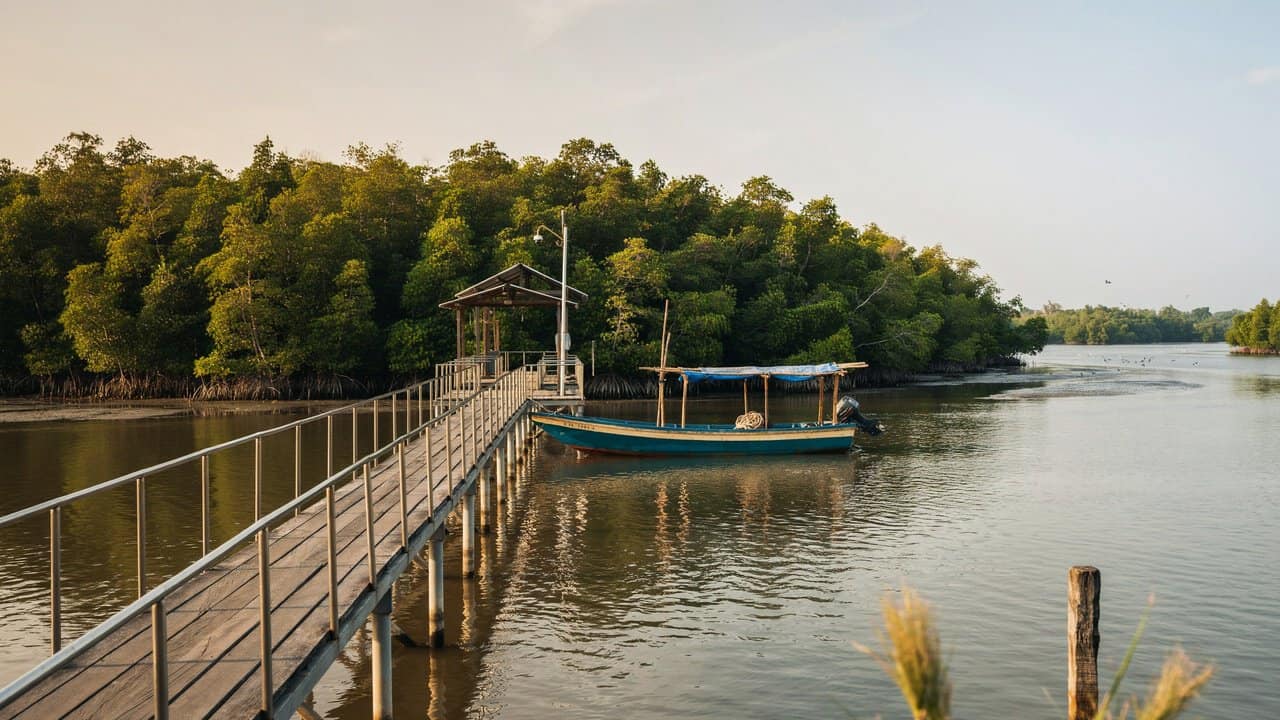
Image generated with Ai
Bangladesh Tourism has entered a new phase of global scrutiny after the World Economic Forum Travel & Tourism Development Index 2024 ranked the country 109th among 119 economies. Released in May 2024, the assessment placed Bangladesh at the lowest position among the 19 Asia-Pacific economies included in the index, with a score of 3.19 out of 7. The report does not change visa rules, passport requirements or entry procedures. Instead, it highlights development areas linked with tourism infrastructure, services, investment conditions, sustainability and travel accessibility that could influence future tourism growth.
Bangladesh Tourism Development Challenges Revealed Through Global Assessment
The latest global tourism assessment has highlighted that Bangladesh’s challenge is not the absence of tourism resources but the ability to build a complete system that supports international travel. The World Economic Forum’s Travel & Tourism Development Index measures the conditions that allow destinations to develop sustainable and resilient tourism sectors. It evaluates five dimensions, 17 pillars and 102 indicators covering areas such as enabling conditions, infrastructure, tourism resources and sustainability.
Advertisement
Advertisement
The ranking placed Bangladesh behind several regional markets because of weaknesses in tourism-supporting systems. The assessment showed that the country has valuable tourism resources, including natural and cultural attractions, but faces difficulties in converting these assets into stronger international competitiveness. The result has increased attention on infrastructure quality, visitor services, workforce capability and destination management.
The findings do not mean that travellers cannot visit Bangladesh. Existing visa procedures, passport requirements and border regulations remain separate government decisions. The ranking is a measurement of tourism development conditions rather than a travel restriction system.
Advertisement
Advertisement
News Focus Ratio Table
| News Component | Share of Story | Officially Verified Finding | Relevance to Travellers | Official Source |
|---|---|---|---|---|
| Tourism competitiveness ranking | 35% | Bangladesh ranked 109th out of 119 economies with a score of 3.19/7 | Shows the current level of tourism development conditions | World Economic Forum TTDI 2024 |
| Infrastructure and services | 20% | The index assesses transport, tourism facilities and supporting services | Influences visitor accessibility and travel experience | World Economic Forum TTDI 2024 |
| Tourism policy environment | 15% | Tourism policies and enabling conditions form part of the assessment | Affects long-term sector development | World Economic Forum TTDI 2024 |
| Tourism resources | 15% | Bangladesh performed relatively better in tourism resources | Shows existing attraction potential | World Economic Forum TTDI 2024 |
| Sustainability and workforce factors | 15% | Sustainability and human resource areas remain important development considerations | Affects long-term tourism capacity | World Economic Forum TTDI 2024 |
The evidence confirms that Bangladesh’s tourism position is shaped by several connected factors. It does not confirm that international arrivals have automatically declined because of the ranking. Instead, it identifies areas where future improvements could strengthen competitiveness.
Current Situation: Tourism Development Capacity Remains the Main Concern
Bangladesh Tourism is currently being viewed through the wider issue of destination readiness. The global assessment shows that successful tourism growth requires more than attractive locations. Countries need efficient transport networks, quality accommodation, skilled workers, visitor information systems and effective destination management.
Advertisement
Advertisement
The assessment found differences between Bangladesh’s tourism resources and its supporting systems. The country has recognised natural and cultural attractions, including coastal areas, heritage locations and ecological destinations. However, international tourism markets increasingly depend on convenience, connectivity and service standards.
The discussion around Bangladesh Tourism Development Challenges mainly focuses on improving these supporting structures. Areas such as airport connectivity, tourism facilities, investment opportunities and hospitality skills are important parts of building a stronger visitor economy.
Advertisement
Advertisement
The ranking itself has no direct impact on travellers planning trips. Visitors should continue following official government guidance regarding visas, passports and entry requirements.
Why This Development Matters for Global Travellers
The importance of the ranking extends beyond a position on an international index. Tourism competitiveness affects how easily destinations attract visitors, investors and travel businesses.
For international travellers, tourism development conditions can influence practical experiences. Transport availability, airport services, accommodation choices and local mobility can affect the convenience of a journey.
For the tourism industry, the assessment provides information about areas requiring improvement. Better infrastructure and stronger services can help destinations compete more effectively in the international market.
Advertisement
Advertisement
Bangladesh faces competition from neighbouring destinations that have developed larger tourism ecosystems. Regional markets with extensive air connectivity, established hospitality networks and strong destination promotion often attract larger numbers of international visitors.
However, Bangladesh’s ranking does not remove its tourism potential. The country continues to have natural, cultural and ecological attractions that provide opportunities for future growth.
Chronology of the Tourism Development Assessment
The World Economic Forum published the Travel & Tourism Development Index 2024 on 21 May 2024. The index was developed as an evolution of the earlier Travel & Tourism Competitiveness Index and examines the conditions supporting sustainable tourism development.
The 2024 edition assessed 119 economies using a framework based on five dimensions, 17 pillars and 102 indicators. These indicators measure areas including tourism policy conditions, infrastructure, resources and sustainability.
Bangladesh received a score of 3.19 out of 7 and ranked 109th globally. The country was also ranked lowest among the 19 Asia-Pacific economies included in the assessment.
Following the publication of the index, discussions around Bangladesh Tourism Development Challenges increased because the results highlighted gaps between tourism potential and tourism development capacity.
Advertisement
Advertisement
Understanding the Context Behind the Development
The main factor behind the ranking is the difference between tourism assets and tourism support systems. Bangladesh has destinations that attract interest, but international tourism requires wider infrastructure and operational capacity.
Infrastructure and Connectivity Requirements
Transport connectivity remains a central factor in tourism competitiveness. International travellers often consider flight availability, journey time, airport efficiency and local transport options before selecting destinations.
Improved connectivity can support easier access for overseas visitors. Better links between airports, cities and attractions can also help distribute tourism benefits beyond major locations.
Tourism Services and Workforce Development
Hospitality services influence how visitors experience a destination. Tourism workers require skills in customer service, communication and international hospitality standards.
Developing tourism-related skills can support better visitor experiences and strengthen the industry’s ability to serve international markets.
Sustainability and Long-Term Planning
The index also highlights sustainability as an important tourism development factor. Natural attractions require careful management to protect environmental resources while supporting economic opportunities.
Advertisement
Advertisement
The available evidence does not identify one single cause behind Bangladesh’s ranking. Instead, the result reflects several connected conditions affecting tourism development.
Verified Figures and What They Mean
| Indicator | Verified Data | Meaning for Travel |
|---|---|---|
| Global ranking | 109th out of 119 economies | Shows Bangladesh’s position in tourism development conditions |
| Overall score | 3.19 out of 7 | Reflects performance across tourism-related indicators |
| Asia-Pacific comparison | Lowest among 19 assessed economies | Shows regional competitiveness pressure |
| Assessment framework | Five dimensions, 17 pillars and 102 indicators | Measures tourism systems rather than only visitor numbers |
The figures show that the assessment is focused on development capacity. It does not measure whether tourists can enter Bangladesh or whether destinations are unsuitable for visitors.
Tourism and Traveller Impact
The impact on Bangladesh Tourism is mainly related to future competitiveness rather than immediate travel disruption. Travellers do not face new restrictions because of the ranking.
International visitors should continue checking official travel information before departure. Visa requirements, border procedures and passport rules remain determined by government authorities.
The tourism industry may use the findings to identify areas needing improvement. Better infrastructure, stronger services and improved accessibility could support future visitor growth.
Local communities may benefit if tourism development expands responsibly. Increased tourism activity can support employment and local businesses when destinations are managed sustainably.
Advertisement
Advertisement
Practical Information for Travellers
Travellers planning a visit should:
- Check current Bangladesh visa and entry requirements through official government sources.
- Confirm passport validity before travelling.
- Review flight routes and transport arrangements before departure.
- Check destination information for coastal, cultural and nature-based locations.
- Follow official safety and health guidance.
- Monitor updates from relevant authorities before travel.
The ranking should be understood as a development assessment, not a travel warning.
What Travellers Should Watch Next
Future Bangladesh Tourism progress will depend on confirmed improvements in infrastructure, connectivity, visitor services and tourism planning.
Travellers should monitor:
- Official announcements on visa and border procedures.
- Airport and transport infrastructure updates.
- Tourism development programmes.
- Destination management improvements.
- New travel access initiatives.
No immediate policy change has been announced because of the ranking.
Future Outlook
Bangladesh’s tourism future will depend on strengthening the systems that support international visitors. The country’s natural and cultural attractions provide opportunities, but global competition requires efficient infrastructure, skilled services and sustainable planning.
Advertisement
Advertisement
The findings from the index provide a framework for understanding where improvements may be needed. They do not predict future visitor numbers or confirm future investment outcomes.
Addressing Bangladesh Tourism Development Challenges will require continued attention to transport access, tourism facilities, workforce development and environmental management.
Conclusion
Bangladesh Tourism has received renewed global attention after the World Economic Forum Travel & Tourism Development Index 2024 highlighted development gaps. The country ranked 109th among 119 economies, reflecting challenges linked with infrastructure, services, sustainability and tourism conditions. The assessment does not affect visas, passports or current travel procedures. However, it shows areas where improvements could strengthen the destination’s competitiveness. Addressing Bangladesh Tourism Development Challenges through better connectivity, investment, skilled services and sustainable planning could support future tourism development. The next stage will depend on official actions, infrastructure progress and continued improvements across the tourism ecosystem.
Advertisement
