
Europe Retains Three-Hour Flight Delay Compensation Rule for Germany, France, Spain, Italy, Netherlands and Other European Union Destinations – A Complete Travel Guide for Passengers

Published
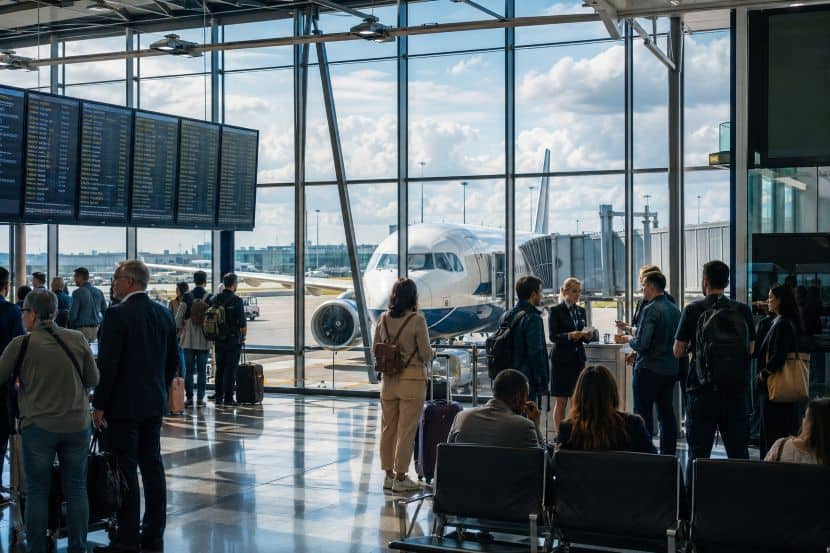
Image generated with Ai
Europe’s long-running debate over EU air passenger rights has entered a decisive new phase after European policymakers agreed on the first substantial reform of the EU261 passenger compensation framework in more than two decades. While airlines had sought sweeping changes that would have delayed compensation eligibility and reduced operational costs, the revised agreement broadly preserves the system that millions of travellers across European Union member states have relied upon since 2004. For airlines, the outcome means continuing to shoulder billions of euros in annual disruption-related liabilities. For passengers, however, it reinforces one of the world’s strongest aviation consumer protection regimes, offering greater certainty as international travel continues its robust recovery.
The decision carries considerable significance for the travel industry. European airports have experienced sustained growth since international tourism rebounded following the pandemic, while airlines continue expanding long-haul and intra-European networks. Against this backdrop, maintaining the familiar three-hour compensation threshold provides reassurance for both leisure and business travellers planning journeys across destinations including Germany, France, Spain, Italy, Netherlands and other major European tourism markets. Although several operational improvements have been introduced to modernise passenger rights, the central principle of compensating travellers for lengthy delays remains firmly embedded within Europe’s aviation framework, ensuring consumer confidence remains an important pillar of regional tourism.
Why the EU261 Reform Matters for European Tourism and Aviation
For travellers, EU air passenger rights influence far more than financial compensation. They shape booking confidence, airline accountability and destination accessibility across one of the world’s busiest aviation regions.
European aviation has recovered strongly over the past three years. According to industry estimates, European airports handled well over two billion passengers during 2024, while international visitor demand continues to grow across Mediterranean, Nordic and Central European destinations. As flight frequencies increase during peak holiday seasons, delays caused by weather, air traffic congestion and operational challenges inevitably become more common.
Advertisement
Advertisement
Maintaining compensation eligibility after delays exceeding three hours means travellers continue enjoying predictable legal protections regardless of whether they are flying for tourism, business meetings or visiting family.
Advertisement
Advertisement
The latest reform also introduces several practical improvements designed to make disruption management more transparent, including stronger communication obligations, improved support during extended delays and clearer passenger information throughout their journey.
Key Elements of the Revised EU Passenger Rights Framework
| Policy Area | Updated Position |
|---|---|
| Delay compensation | Three-hour threshold broadly maintained |
| Compensation amount | €250–€600 depending on flight distance |
| Passenger assistance | Strengthened obligations during disruptions |
| Family seating | Greater protection for passengers travelling together |
| Information transparency | Airlines required to provide clearer disruption updates |
| Digital boarding | Mandatory app-only boarding passes discouraged |
Airlines Continue Facing Multi-Billion-Euro Financial Pressure
Although airlines welcomed certain administrative clarifications within the revised legislation, the industry’s central objective was not achieved.
European airline associations have argued for years that the existing compensation model places an exceptionally heavy financial burden on carriers during operational disruption. Industry estimates suggest passenger compensation, accommodation, meals, airport assistance and associated disruption management collectively cost airlines approximately €8 billion annually.
Executives have repeatedly maintained that extending compensation eligibility beyond three hours would have provided additional flexibility to recover delayed aircraft rotations, reposition crews and avoid widespread flight cancellations. Instead, policymakers determined that preserving existing passenger protections better serves consumers while encouraging operational resilience.
This debate reflects a broader tension within European aviation.
Advertisement
Advertisement
On one side, airlines continue investing billions of euros in fleet renewal, sustainable aviation fuel adoption, digital technologies and decarbonisation initiatives. Simultaneously, airports across Europe face infrastructure constraints, increasing air traffic demand and periodic staffing shortages, all of which contribute to operational disruption.
Meanwhile, consumer organisations argue that weakening compensation rules would transfer the burden of delays from airlines to passengers, particularly during busy holiday periods when accommodation and replacement transport costs can escalate rapidly.
The Financial Impact Across Europe’s Airline Industry
| Indicator | Estimated Figure |
| Annual EU261-related airline costs | Approximately €8 billion |
| Original EU261 introduction | 2004 |
| Years spent negotiating reform | More than 13 years |
| Standard compensation range | €250–€600 |
| Compensation trigger | Delay exceeding three hours |
What International Travellers Should Know Before Flying
For visitors planning holidays across Europe, the latest reforms provide welcome certainty rather than dramatic change.
Passengers travelling between major hubs such as Frankfurt, Paris, Amsterdam, Madrid, Rome and Copenhagen should continue to retain broadly similar rights if flights experience significant delays that fall within airline responsibility.
Travellers are nevertheless encouraged to keep boarding passes, booking confirmations and disruption notifications, as these documents remain essential when submitting compensation claims. Purchasing comprehensive travel insurance also continues to provide valuable protection for circumstances that fall outside airline liability, including severe weather, natural disasters or extraordinary operational events.
Advertisement
Advertisement
Equally important, travellers should monitor airline notifications before departure, particularly during summer holiday peaks when congestion throughout European airspace can increase delay risks. Digital updates, airport information systems and official airline communication channels remain the fastest way to receive schedule changes and alternative travel arrangements.
As Europe prepares for another busy tourism season, the revised passenger rights framework ultimately seeks to balance consumer protection with operational efficiency. While airlines continue adapting to rising demand and infrastructure pressures, millions of travellers can continue planning journeys knowing that one of the world’s strongest passenger protection systems remains largely intact.
A Long Legislative Journey That Finally Reached the Finish Line
The latest agreement marks the culmination of more than 13 years of negotiations between European institutions, national governments, airlines and consumer advocacy organisations. Since the original EU261 Regulation entered into force in 2004, the aviation landscape has changed dramatically. Low-cost carriers have expanded across the continent, passenger numbers have surged, digital technology has transformed the airport experience, and the COVID-19 pandemic exposed weaknesses in disruption management that policymakers believed required modernisation.
Rather than dismantling the compensation framework, legislators chose to refine it. The revised package introduces greater legal clarity around airline obligations while simplifying several procedural requirements for passengers seeking assistance. The objective is to reduce disputes, improve consistency among member states and make passenger rights easier to enforce across the European Union.
Industry observers believe this approach reflects a compromise between preserving consumer confidence and recognising the operational realities facing airlines in an increasingly congested aviation market.
Advertisement
Advertisement
What the Updated Rules Mean for Holidaymakers and Business Travellers
For the millions of visitors arriving in Europe each year, the revised framework provides welcome continuity.
Whether flying to Mediterranean beach resorts, Alpine ski destinations, historic capitals or major business centres, travellers can continue to expect compensation where delays meet the legal threshold and fall within an airline’s responsibility.
The reforms also strengthen several practical aspects of the travel experience beyond financial compensation.
| Traveller Benefit | Practical Impact |
|---|---|
| Clearer passenger information | Faster updates during delays and cancellations |
| Improved duty of care | Better access to meals, accommodation and transport when required |
| Family seating protections | Greater likelihood of children sitting with accompanying adults without additional charges |
| Greater transparency | Easier understanding of passenger rights before and during travel |
| Standardised procedures | More consistent implementation across EU member states |
These operational improvements may appear modest individually, yet collectively they can significantly reduce uncertainty during disrupted journeys, particularly during peak summer travel periods.
Europe Continues Setting the Global Benchmark for Passenger Protection
Few regions provide passenger protection on the scale seen within Europe.
Advertisement
Advertisement
While countries including Canada, the United Kingdom and several other jurisdictions have introduced passenger rights legislation in recent years, the European Union’s framework remains one of the most comprehensive systems worldwide.
Its influence has extended well beyond Europe, encouraging policymakers elsewhere to strengthen aviation consumer protection as international passenger demand continues to grow.
For tourism destinations, this matters because traveller confidence influences booking behaviour. Consumers who believe their rights are protected are generally more willing to book international holidays months in advance, benefiting airlines, hotels, tour operators and destination management organisations alike.
This confidence becomes particularly valuable during periods of operational uncertainty caused by extreme weather, airport congestion or industrial action.
Europe’s Aviation Recovery Remains Strong Despite Operational Challenges
The decision also arrives during a period of continued expansion across the European travel market.
Advertisement
Advertisement
International visitor arrivals continue rising across Southern Europe, while Northern and Central European cities are recording strong business travel demand. Airlines have restored most pre-pandemic international routes, introduced additional frequencies and invested heavily in newer, more fuel-efficient aircraft.
However, growth has created fresh operational challenges.
Air traffic management constraints, airport infrastructure limitations, weather-related disruption and seasonal staffing shortages continue placing pressure on airline operations, particularly during school holidays.
These structural issues explain why airlines had hoped for greater operational flexibility under the revised legislation. Nevertheless, policymakers concluded that improving operational efficiency should occur alongside—not instead of—robust passenger protection.
Practical Travel Advice Before Flying Across Europe
Although the revised legislation preserves strong legal safeguards, travellers can still minimise disruption through careful preparation.
Advertisement
Advertisement
Booking directly with airlines often makes schedule changes easier to manage. Downloading an airline’s official mobile application enables real-time notifications, while checking flight status before leaving for the airport can prevent unnecessary waiting.
Passengers should also retain boarding passes, booking confirmations and receipts for meals, accommodation or alternative transport if significant delays occur. These documents remain valuable should compensation or reimbursement become necessary.
For multi-country European itineraries involving rail connections, cruises or organised tours, allowing generous transfer times remains advisable, particularly during the busy summer season when airport congestion is traditionally highest.
Travel insurance continues to complement statutory passenger rights by covering circumstances that EU261 may not address, including medical emergencies, lost baggage and extraordinary events beyond airline control.
Looking Beyond Compensation Towards a More Resilient Aviation Future
The revised EU air passenger rights framework demonstrates that consumer protection remains central to European transport policy even as the aviation industry undergoes profound transformation.
Advertisement
Advertisement
Airlines are simultaneously investing in sustainable aviation fuel, fleet modernisation, artificial intelligence, digital passenger services and carbon reduction initiatives. Airports are expanding terminals, upgrading security systems and improving passenger flows to accommodate growing international demand.
Against this backdrop, policymakers have chosen continuity over radical reform.
The preserved three-hour compensation threshold signals that passenger confidence continues to be viewed as a strategic asset for Europe’s tourism economy. While airlines may continue advocating future adjustments as operational costs evolve, travellers retain a legal framework that remains among the strongest anywhere in the world.
For Europe’s tourism industry, this stability offers an important competitive advantage. Visitors planning holidays across the continent can continue booking with confidence, knowing that well-established protections remain available should unexpected disruption occur. As international travel demand continues its upward trajectory, maintaining trust between airlines and passengers will remain just as important as expanding routes, investing in new aircraft and improving airport infrastructure.
FAQs
1. What has changed under the European Union’s revised EU261 passenger rights rules?
The European Union has updated certain aspects of its air passenger rights framework, including clearer airline responsibilities, stronger communication requirements during disruptions and enhanced protections for passengers. However, the core compensation system for eligible flight delays remains largely unchanged.
Advertisement
Advertisement
2. Are passengers still entitled to compensation if their flight is delayed by more than three hours?
Yes. Under the revised EU261 framework, passengers may still be eligible for compensation ranging from €250 to €600, depending on the flight distance and provided the delay falls within the airline’s responsibility and is not caused by extraordinary circumstances.
3. Which flights are covered by EU261 passenger rights?
EU261 generally applies to flights departing from airports in the European Union, regardless of the airline, and to flights arriving in the European Union when operated by an EU-based airline. Certain additional countries in the European Economic Area and Switzerland also apply similar passenger protection rules.
4. How do the updated rules affect international tourists travelling to Europe?
The revised framework offers greater certainty for leisure and business travellers by maintaining strong consumer protections. Visitors travelling across Europe can continue to benefit from compensation rights, assistance during major delays and clearer information from airlines when disruptions occur.
5. What should travellers do if their flight is significantly delayed or cancelled?
Passengers should keep their boarding passes, booking confirmations and receipts for any reasonable expenses incurred during the disruption. They should first contact the airline for assistance and, if eligible, submit a compensation claim in accordance with the applicable EU261 regulations.
Advertisement
