
Mexico and Leading American Countries Target More Visitors Through Heritage Festivals

Published
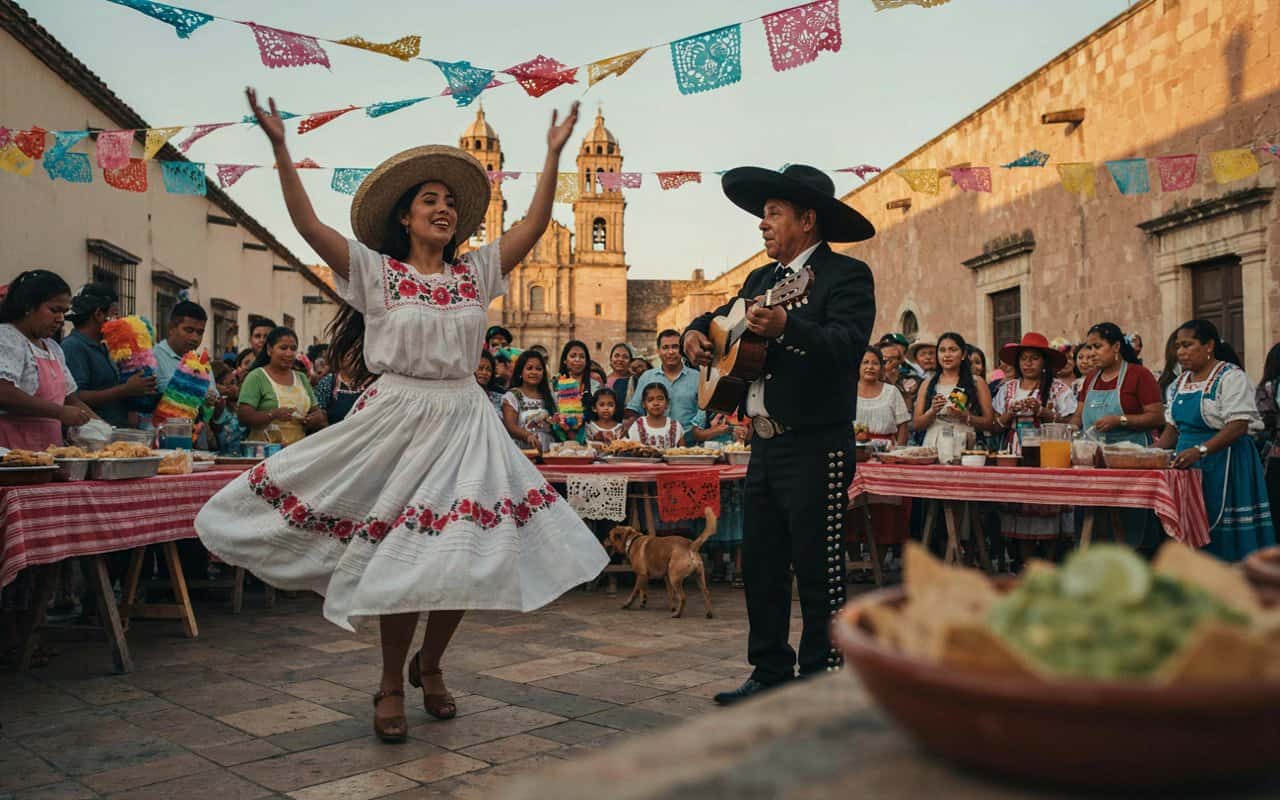
Image generated with Ai
Mexico, Peru, Brazil, Guatemala, and other major American destinations prepare for a tourism surge with must-visit heritage festivals in 2026. The cultural calendar across the region is attracting global attention as communities showcase traditions that connect history, identity, and local creativity through memorable celebrations. These events are creating fresh opportunities for visitors seeking authentic experiences beyond conventional sightseeing routes. Governments and tourism bodies are highlighting these gatherings because they support communities while protecting valuable customs and encouraging responsible travel choices. The growing interest reflects a shift towards deeper connections where travellers explore stories traditions and places through meaningful encounters that reveal the true spirit.
Across the Americas, heritage festivals are expected to become major cultural tourism attractions around World Tourism Day 2026, offering travellers opportunities to experience Indigenous traditions, historic celebrations, music, food, and community-based cultural events in destinations including Mexico, Peru, Brazil, Guatemala, Canada, and the Caribbean.
Heritage Festival Trends Across the Americas for World Tourism Day 2026
| Country | City / Region | Heritage Festival / Event | Expected 2026 Timing | Heritage Focus | Why It Matters for Travellers | Key Experiences |
|---|---|---|---|---|---|---|
| Mexico | Oaxaca, Oaxaca State | Guelaguetza Festival | July 2026 (annual cultural season) | Indigenous Zapotec and Mixtec traditions | One of Mexico’s most recognised cultural celebrations showcasing Indigenous heritage and community identity | Traditional dances, regional costumes, folk music, artisan markets, Oaxacan cuisine |
| Mexico | Mexico City | Day of the Dead Celebrations | October–November 2026 | Ancient Indigenous beliefs blended with Catholic traditions | A globally recognised heritage experience connecting visitors with Mexico’s ancestral customs | Altars, marigold displays, parades, traditional food and cultural exhibitions |
| Guatemala | Antigua Guatemala | Semana Santa (Holy Week Heritage Celebrations) | March–April 2026 | Colonial religious heritage and Maya influences | Antigua’s historic streets become a major cultural tourism destination through centuries-old traditions | Processions, colourful carpets, colonial architecture, religious art |
| Peru | Cusco | Inti Raymi Festival | June 2026 | Inca civilisation and Andean heritage | One of South America’s strongest Indigenous heritage celebrations, linked to the Inca Sun Festival | Historical ceremonies, traditional clothing, music, performances at Sacsayhuamán |
| Brazil | Salvador, Bahia | Festa de Iemanjá and Afro-Brazilian Cultural Celebrations | February 2026 | Afro-Brazilian religious and cultural heritage | Highlights the African roots of Brazilian culture and Bahia’s historic identity | Music, rituals, coastal ceremonies, local cuisine and cultural performances |
| Brazil | Rio de Janeiro | Carnival Cultural Heritage Events | February 2026 | Samba, Afro-Brazilian traditions and urban heritage | Carnival remains one of the world’s most influential cultural tourism experiences | Samba schools, parades, neighbourhood celebrations, music traditions |
| Colombia | Cartagena | Independence Festival of Cartagena | November 2026 | Caribbean history and Afro-Colombian heritage | Combines historical memory with music and community celebrations in a UNESCO-listed city | Parades, traditional performances, local food and historic district experiences |
| Colombia | Bogotá | Festival de la Colombianidad / Cultural Heritage Events | 2026 cultural calendar | Colombian regional traditions | Offers visitors exposure to national crafts, music and folklore | Dance performances, artisan exhibitions, traditional cuisine |
| Ecuador | Quito | Quito Heritage and Cultural Celebrations | December 2026 | Colonial heritage and Ecuadorian traditions | Quito’s UNESCO historic centre provides a strong heritage tourism setting | Street performances, traditional events, museums and historic landmarks |
| Bolivia | La Paz | Gran Poder Festival | May–June 2026 | Andean Indigenous and Catholic cultural fusion | A major cultural expression combining Indigenous identity, dance and community participation | Elaborate costumes, folkloric dances, music and street celebrations |
| Argentina | Buenos Aires | National Folklore and Tango Heritage Events | Throughout 2026 | Tango and Argentine cultural traditions | Tango represents one of Argentina’s strongest cultural tourism symbols | Tango performances, milongas, traditional music and dance workshops |
| Chile | Rapa Nui (Easter Island) | Tapati Rapa Nui Festival | February 2026 | Polynesian Indigenous heritage | Provides rare access to Rapa Nui traditions connected with ancestral culture | Traditional sports, dance, music, crafts and storytelling |
| Canada | Toronto | Toronto Caribbean Carnival | August 2026 | Caribbean diaspora heritage | One of North America’s largest celebrations of Caribbean culture | Costumes, Caribbean music, dance, food and cultural parades |
| Canada | Quebec City | New France Festival (Festival Nouvelle-France) | August 2026 | French colonial history | Brings historic Quebec heritage to life through historical recreation | Period costumes, historic demonstrations, traditional food |
| United States | New Orleans, Louisiana | Mardi Gras Heritage Celebrations | February 2026 | French, African and Caribbean cultural influences | A globally recognised cultural event rooted in centuries of local traditions | Parades, music, Creole cuisine, neighbourhood celebrations |
| United States | Santa Fe, New Mexico | Indian Market and Indigenous Heritage Events | August 2026 | Native American art and traditions | Showcases Indigenous craftsmanship and cultural preservation | Native art, jewellery, textiles and cultural programmes |
| United States | Hawaii | Aloha Festivals | September 2026 | Hawaiian Indigenous culture | Preserves and promotes Hawaiian traditions through community celebrations | Hula, traditional music, local food and cultural storytelling |
| Cuba | Havana | Havana Cultural Heritage Events | 2026 calendar year | Spanish colonial, Afro-Cuban and musical heritage | Havana’s historic character makes it a major cultural tourism destination | Music performances, historic tours, dance and Cuban cuisine |
| Dominican Republic | Santo Domingo | Merengue and Cultural Heritage Festivals | 2026 calendar year | Dominican music and national identity | Highlights the country’s internationally recognised musical traditions | Dance, live music, cultural exhibitions |
| Jamaica | Kingston | Reggae Heritage and Cultural Events | 2026 calendar year | Reggae, Jamaican history and identity | Music heritage attracts travellers seeking authentic cultural experiences | Concerts, museums, food experiences and community events |
| Trinidad and Tobago | Port of Spain | Carnival Heritage Celebrations | February 2026 | African, Indian, European and Caribbean traditions | One of the Caribbean’s most culturally diverse celebrations | Steelpan music, masquerade, calypso and street parades |
The Americas are expected to attract cultural travellers through festivals that combine history, identity and community participation. Indigenous celebrations in Mexico, Peru, Bolivia and Chile continue to preserve ancient traditions while creating tourism opportunities for local communities.
Caribbean and Latin American destinations are also strengthening cultural tourism through music, food and performing arts. Festivals linked with samba, reggae, tango, carnival and Afro-Caribbean heritage remain important attractions because they offer visitors direct connections with living traditions.
Advertisement
Advertisement
Heritage tourism is increasingly moving beyond monuments and museums. Travellers are seeking experiences involving local communities, traditional cooking, crafts, storytelling and performances. This makes cultural festivals significant contributors to sustainable tourism development. World Tourism Day highlights tourism’s social and cultural value, encouraging destinations to protect heritage while welcoming international visitors.
Key Takeaways for 2026 Heritage Travelers
| Travel Priority | Recommended Destinations |
|---|---|
| Indigenous heritage | Peru, Mexico, Bolivia, Chile, Guatemala |
| Music and dance traditions | Brazil, Argentina, Jamaica, Cuba, Trinidad and Tobago |
| Colonial history | Mexico, Guatemala, Colombia, Ecuador, Canada |
| Food and cultural experiences | Mexico, Brazil, Peru, Colombia |
| UNESCO-linked heritage settings | Cusco, Antigua Guatemala, Cartagena, Quito, Havana |
Why are heritage festivals becoming a major tourism attraction across the Americas in 2026?
Heritage festivals across the Americas are gaining importance as travellers increasingly look for authentic cultural experiences rather than conventional sightseeing. In 2026, destinations are expected to highlight festivals that connect visitors with local history, Indigenous knowledge, traditional arts, regional cuisine, music, and community celebrations.
Advertisement
Advertisement
World Tourism Day 2026 provides an important moment for destinations to showcase how tourism can support cultural preservation while creating economic opportunities for local communities. Across North, Central, South America, and the Caribbean, festivals are becoming platforms where ancient traditions and modern tourism meet.
From Mexico’s Indigenous celebrations to Peru’s Inca-inspired ceremonies and Brazil’s Afro-cultural events, heritage festivals offer visitors a deeper understanding of national identities. These experiences allow travellers to explore living traditions that continue to shape communities.
Advertisement
Advertisement
The growing popularity of cultural tourism is also encouraging governments and tourism organisations to promote festivals as sustainable travel experiences. Instead of focusing only on attractions and landmarks, destinations are increasingly presenting local people, traditions, and stories as central parts of the visitor journey.
Which Mexican heritage festivals are expected to attract cultural travellers in 2026?
Mexico remains one of the strongest heritage tourism destinations in the Americas, with festivals reflecting thousands of years of Indigenous and colonial history. Events such as the Guelaguetza in Oaxaca and the Day of the Dead celebrations continue to attract international visitors seeking cultural experiences.
The Guelaguetza represents the traditions of Oaxaca’s Indigenous communities, particularly Zapotec and Mixtec cultures. The festival brings together regional dances, traditional clothing, music performances, and local food. Travellers experience the diversity of Oaxaca through community celebrations rather than traditional tourist activities alone.
Later in the year, the Day of the Dead celebrations provide another major cultural attraction. The festival combines Indigenous beliefs and Catholic influences through symbolic rituals, decorated altars, marigold displays, traditional foods, and public celebrations.
Advertisement
Advertisement
For 2026 travellers, Mexico’s heritage festivals offer opportunities to explore cultural identity through storytelling, craftsmanship, cuisine, and artistic expression. These celebrations demonstrate how traditions passed through generations continue to influence modern Mexican society.
Why are Peru and Bolivia becoming important destinations for Indigenous heritage tourism?
Peru and Bolivia are expected to remain key destinations for travellers interested in Indigenous heritage and ancient civilisations. Their festivals connect modern communities with the history of the Inca Empire and Andean cultures.
In Peru, the Inti Raymi Festival in Cusco remains one of the most recognised cultural celebrations in South America. The event recreates elements of the traditional Inca Sun Festival and attracts visitors interested in history, archaeology, and Indigenous traditions.
The celebration includes ceremonies, traditional clothing, music, and performances near historic locations connected with the Inca civilisation. For travellers, the festival provides a connection between Peru’s archaeological heritage and contemporary cultural identity.
Bolivia’s Gran Poder Festival also highlights the importance of Andean traditions. The celebration combines Indigenous beliefs with Catholic influences through elaborate costumes, music, and dance performances.
These festivals represent more than entertainment. They demonstrate how communities preserve cultural memory while welcoming international visitors. As cultural tourism expands in 2026, Peru and Bolivia are expected to appeal to travellers searching for meaningful heritage experiences.
Advertisement
Advertisement
How are Brazil and Caribbean destinations using music and cultural festivals to attract visitors?
Brazil and Caribbean destinations continue to use music, dance, and cultural celebrations as major tourism drivers. Their festivals reflect centuries of cultural exchange involving Indigenous, African, European, and Caribbean influences.
Brazil’s cultural tourism appeal is strongly connected with events such as Carnival and Afro-Brazilian celebrations in Bahia. Salvador, in particular, offers visitors opportunities to explore traditions shaped by African heritage, including music, religious practices, food, and community gatherings.
Carnival remains one of Brazil’s most recognised cultural events. Beyond large parades, the celebration represents neighbourhood traditions, samba culture, artistic creativity, and social participation.
Across the Caribbean, destinations such as Jamaica, Cuba, and Trinidad and Tobago continue promoting music and cultural heritage. Jamaica’s reggae traditions, Cuba’s Afro-Cuban music heritage, and Trinidad and Tobago’s Carnival celebrations demonstrate the region’s diverse cultural identity.
For international travellers, these destinations provide immersive experiences where music, food, and history combine. Heritage festivals are becoming important tools for attracting visitors while supporting local artists, performers, and cultural organisations.
Why are Central American heritage festivals gaining attention among international travellers?
Central America offers heritage festivals that combine Indigenous traditions, colonial history, and religious celebrations. Countries including Guatemala and Costa Rica are using cultural events to strengthen tourism connections.
Advertisement
Advertisement
Guatemala’s Semana Santa celebrations in Antigua Guatemala remain among the region’s most significant cultural events. The festival transforms the historic city into a centre of religious processions, traditional artwork, and community participation.
Visitors experience colourful streets, handmade decorations, historic architecture, and centuries-old customs. The event demonstrates how colonial heritage and Indigenous influences continue to shape Guatemala’s cultural identity.
Central American destinations are increasingly highlighting heritage tourism because it encourages longer stays and deeper engagement with local communities. Travellers attending these events often explore historic districts, local markets, traditional cuisine, and artisan workshops.
For 2026, cultural festivals across Central America are expected to attract visitors seeking experiences connected with history and authentic community traditions. These celebrations provide destinations with opportunities to showcase their unique identities on the global tourism stage.
How are Canada and the United States promoting cultural heritage festivals in 2026?
North America also offers a wide range of heritage festivals representing Indigenous cultures, immigrant communities, and historic traditions. Canada and the United States continue developing cultural tourism through events that celebrate diverse identities.
In Canada, festivals such as the Toronto Caribbean Carnival highlight the influence of Caribbean communities and their contributions to Canadian culture. The event features music, dance, costumes, and food traditions from across the Caribbean.
Advertisement
Advertisement
Quebec also promotes its French colonial heritage through historic celebrations that recreate elements of early settlement history. Visitors can explore traditional crafts, food, performances, and historical storytelling.
In the United States, destinations such as Hawaii, New Mexico, and Louisiana provide major heritage experiences. Hawaii’s cultural festivals showcase Indigenous Hawaiian traditions, including hula, music, and storytelling. Santa Fe highlights Native American art and craftsmanship, while New Orleans continues to attract visitors through its historic Mardi Gras traditions.
These festivals show how heritage tourism in North America reflects multiple cultural influences. They provide travellers with opportunities to understand communities through their traditions and creative expressions.
What role will heritage festivals play in World Tourism Day 2026 tourism strategies?
Heritage festivals are expected to play an important role in tourism strategies connected with World Tourism Day 2026. Destinations are increasingly recognising that cultural events can support economic development while protecting traditional practices.
Festivals create opportunities for local businesses, including restaurants, hotels, artisans, transport providers, and cultural organisations. They also encourage visitors to explore beyond major attractions by travelling to communities where traditions remain active.
Tourism authorities across the Americas are focusing on experiences that promote authenticity and sustainability. Heritage festivals align with this approach because they encourage interaction between visitors and local residents.
Advertisement
Advertisement
However, successful cultural tourism requires careful management. Destinations must balance visitor demand with cultural preservation. Maintaining respect for local traditions is essential to ensuring festivals remain meaningful for future generations.
For travellers, heritage festivals provide opportunities to experience destinations through local perspectives. They transform journeys into cultural exchanges where visitors gain knowledge about history, identity, and traditions.
Which heritage festivals should travellers consider for an Americas cultural journey in 2026?
Travellers planning cultural journeys in 2026 will find heritage festivals across the Americas offering diverse experiences. Mexico provides Indigenous celebrations and ancestral traditions, while Peru and Bolivia highlight ancient Andean heritage.
Brazil and Caribbean destinations attract visitors through music, dance, and multicultural celebrations. Guatemala and other Central American countries showcase colonial history combined with Indigenous influences. Canada and the United States offer festivals reflecting Indigenous cultures, migration histories, and regional identities.
The appeal of these festivals lies in their ability to connect visitors with real communities. They provide experiences that cannot be replicated through museums or standard sightseeing alone.
As World Tourism Day 2026 approaches, heritage festivals across the Americas are expected to demonstrate how tourism can preserve culture while creating meaningful connections between destinations and travellers.
Advertisement
Advertisement
For global visitors, these celebrations represent an opportunity to discover the Americas through its traditions, stories, and people.
Heritage festival growth across the Americas is being driven by rising demand for authentic cultural experiences and stronger interest in local identity. The answer lies in destinations using celebrations to preserve history while welcoming visitors through immersive activities. The reason behind this momentum is the ability of these gatherings to combine tradition, community and tourism value in one journey. In 2026, travellers can discover diverse customs across multiple regions as festivals create meaningful connections between people and places. These events will continue strengthening cultural awareness and supporting local economies because they transform ordinary trips into memorable experiences filled with purpose.
Advertisement
