
Argentina Advances With Formosa Chaco Catamarca and More as Secret Landscapes Draw Travellers

Published
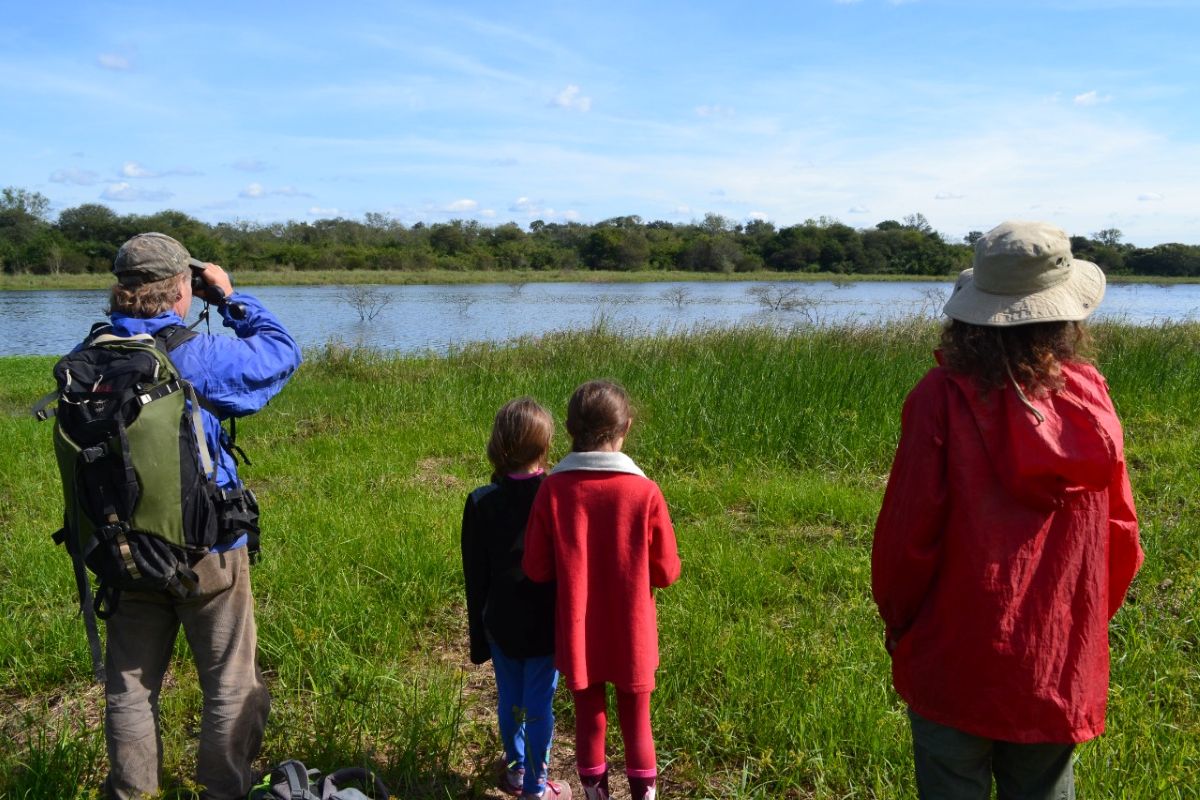
image argentina
Argentina is famous for Buenos Aires, Iguazú Falls, Mendoza wine country, Bariloche, El Calafate and Ushuaia. These places draw visitors from around the world. But another Argentina waits beyond these well-known travel names. It is quieter. It is wilder. It has wetlands, forests, rock deserts, small towns, rare animals and rich local culture.
Many travellers now want calm holidays. They want open space. They want nature. They want to feel close to a real place. Argentina has many lesser-known destinations that can meet this growing demand. From Formosa’s wetlands to Chaco’s forests and Catamarca’s high desert, these places offer a new tourism story.
Advertisement
Advertisement
Bañado La Estrella Gives Formosa a Major Wetland Tourism Chance
Bañado La Estrella in Formosa is one of Argentina’s most beautiful wetland areas. It covers more than 400,000 hectares. The Pilcomayo River fills much of the land during the year. Water, forest and open sky create a stunning natural scene.
Visitors can travel by canoe through still water and flooded woodland. They can see birds, capybaras, caimans and other wildlife. The wetland is home to more than 500 bird species. This makes it a strong destination for birdwatchers, photographers and nature lovers.
Sunsets are another great attraction. Palm trees stand over the water. Orange, red and pink colours spread across the sky. These colours shine on the wetland below. The view creates a peaceful and memorable travel experience.
The area also brings local culture into the tourism story. The Pilagá community of Campo del Cielo creates crafts from natural fibres and wood. Visitors can learn about local traditions through respectful community experiences. Good tourism can help local people earn money while protecting their culture and land.
El Impenetrable Turns Chaco Into a New Safari Destination
El Impenetrable National Park in Chaco offers a very different side of Argentina. It is a vast forest landscape. Native trees, open land and deep silence fill the park. The protected area covers about 128,000 hectares of Chaco forest.
This is not a place for crowded streets or large resorts. It is a place for slow travel. Visitors can explore forest paths, join wildlife trips and stay close to nature. A free campsite managed by local people gives visitors a simple overnight option. It can host up to 40 people.
This tourism model is important. It shows that a remote destination can welcome visitors without losing its character. Local guides, transport providers and small businesses can benefit from visitor spending. At the same time, visitors can learn why the forest needs protection.
Chaco can grow as a low-density nature tourism destination. It can attract people who want responsible adventure, wildlife experiences and a true escape from busy city life.
Advertisement
Advertisement
Catamarca’s White Rock Desert Feels Like Another Planet
The Puna region of Catamarca is one of Argentina’s most dramatic landscapes. It is high, dry and far from the usual tourism routes. Volcanoes, salt flats and wide desert land stretch across this part of the country.
Antofagasta de la Sierra is the main starting point for visitors. From here, travellers can discover Campo de Piedra Pómez. This huge field of pale volcanic rock looks unlike any normal desert. Wind and time have shaped the stone into strange forms, tall rocks and flowing waves.
The landscape feels like another planet. It gives travellers a strong reason to look beyond Argentina’s famous northern routes. Nearby places include volcanoes, Laguna Blanca and wide salt-flat areas.
This journey needs careful planning. The altitude is high. Roads can be long. Visitors need water, warm clothes, suitable transport and experienced local guides. Catamarca can build careful adventure tourism here through small groups and nature protection.
Moconá Falls Offers a Quiet Jungle Alternative to Iguazú
Misiones is known for Iguazú Falls. Yet Moconá Falls gives travellers another reason to visit the province. These falls are rare because they run alongside the Uruguay River. Most waterfalls cut across a river. Moconá follows the river for around 1,900 metres.
The falls sit inside the Yabotí Biosphere Reserve. Thick rainforest surrounds the area. Visitors can take boat trips, walk jungle trails and enjoy viewpoints over the forest and water.
River levels can change access to the falls. Travellers should check conditions before they arrive. This makes each visit different. Nature shapes the experience.
Moconá can help Misiones encourage visitors to stay longer. It offers a quieter jungle journey after the busy paths of Iguazú. It also creates chances for smaller communities, local accommodation and forest guides to benefit from tourism.
Advertisement
Advertisement
Sierra de las Quijadas Brings Ancient Argentina to Life
Sierra de las Quijadas National Park in San Luis is a powerful place for travellers who love desert landscapes, fossils and hiking. Red cliffs rise up to 250 metres. Wind, water and sun have shaped the land for around 130 million years.
The park has fossils linked to ancient flying reptiles called pterosaurs. Visitors can hike to Potrero de la Aguada, a huge natural amphitheatre in the centre of the park. Guanacos, foxes, condors and other native animals add to the adventure.
The park is about 116 kilometres from San Luis city. This makes it easier to reach than many remote nature destinations. The best time to visit is from April to November. Summer heat can be very strong. Visitors should carry water, wear sun protection and use good walking shoes.
San Luis can promote this park as a road-trip destination where travellers can walk through ancient landscapes. It brings together geology, wildlife and outdoor adventure.
Trevelin and Los Alerces Give Patagonia a Fresh Story
Patagonia has many famous destinations. But Trevelin and Los Alerces National Park offer a quieter and more cultural route. Trevelin is a small town with Welsh heritage. Its name means mill town in Welsh.
Nearby Los Alerces National Park has lakes, rivers and a large area of Valdivian rainforest. Visitors can travel from Esquel or Trevelin to reach the park. They can enjoy forests, water views and peaceful outdoor activities.
Spring gives Trevelin another reason to visit. Tulip fields bring strong colour to the landscape. Visitors can also explore local heritage, enjoy regional food and travel on the historic La Trochita train from Esquel.
This route gives travellers more than a quick Patagonian stop. It combines nature, history, food and culture. It is ideal for people who want to travel slowly and stay longer.
Advertisement
Advertisement
Argentina’s Tourism Future Can Grow Beyond Its Famous Icons
These places are not unknown to the communities that live near them. But they remain less visible to many international travellers. Their tourism value is clear.
They can spread visitor income beyond the biggest cities and famous attractions. They can support guides, family-run stays, local transport, small restaurants and craft makers. They can also reduce pressure on Argentina’s busiest tourism places.
Argentina has a powerful chance to show a deeper travel story. Its future is not only in famous landmarks. It is also in wetlands, forests, desert rock fields and small communities. These places give travellers something special: space, nature and a true feeling of Argentina.
Advertisement
