
Israel Stands Firmly With Qatar And Other Countries As Strait Of Hormuz Crisis And Regional Escalations Put Gulf Tourism On Alert

Updated
Published
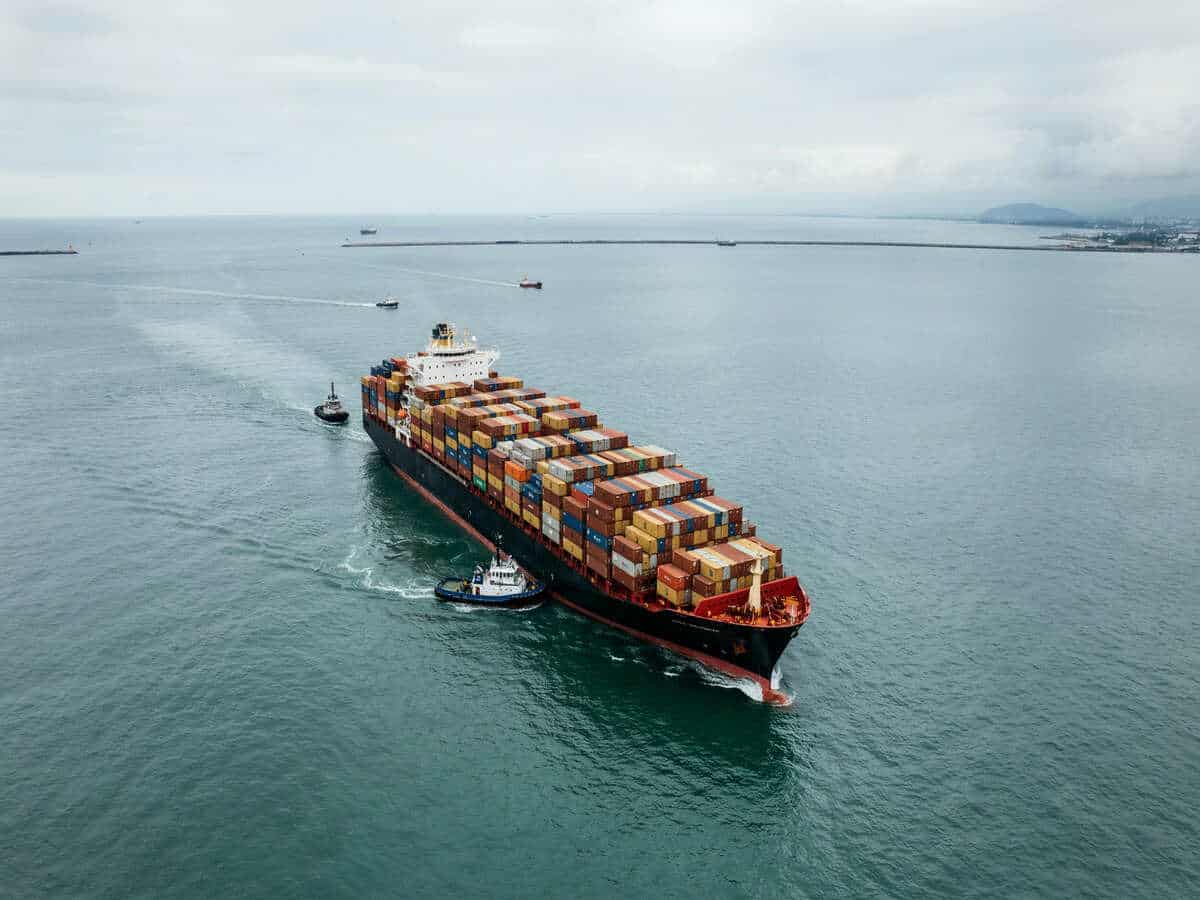
Image generated with Ai
Rising military tensions between the United States, Israel and Iran have placed the Gulf region under renewed security pressure, creating fresh concerns for aviation, maritime travel and tourism. The Strait of Hormuz, one of the world’s most important energy and shipping routes, has become the centre of international attention as military exchanges and security threats increase. Countries across the Gulf, including Qatar, the United Arab Emirates, Bahrain, Oman, Saudi Arabia and Kuwait, are closely monitoring developments because of their geographical position, economic importance and links to global travel networks. Airlines have adjusted operations, travellers are being urged to remain alert, and governments are reviewing security measures as uncertainty grows across the region.
The latest escalation has increased concerns that any further military confrontation could affect tourism confidence, airport operations, cruise movements and international connectivity. Gulf countries have built some of the world’s busiest travel hubs, making regional stability essential for millions of passengers who transit through airports such as Dubai, Doha and Abu Dhabi every year.
Advertisement
Advertisement
Strait Of Hormuz Crisis Creates New Travel Risks Across A Region Dependent On Global Tourism
The Strait of Hormuz has become the biggest concern in September because it connects the Persian Gulf with the Gulf of Oman and the wider Indian Ocean. A large share of global energy shipments passes through this narrow waterway, making any military disruption a major international issue.
The crisis has created risks beyond energy markets. Tourism and travel depend heavily on safe air routes, secure maritime passages and passenger confidence. Any increase in military activity during September could lead to:
Advertisement
Advertisement
- Flight route changes and longer travel times
- Temporary airspace restrictions
- Cruise itinerary adjustments
- Increased airport security procedures
- Reduced traveller confidence
Recent aviation warnings and security updates in September have highlighted the sensitivity of Gulf airspace, with airlines and authorities closely monitoring developments and preparing for possible operational changes.arnings and operational changes have highlighted the sensitivity of Gulf airspace. Aviation authorities have advised airlines to closely assess risks in parts of the Gulf region, while carriers continue adjusting schedules based on security conditions.
Advertisement
Advertisement
Israel And Qatar Stand At The Centre Of A Wider Regional Security Challenge
Israel remains one of the most closely watched countries because of its role in the wider regional conflict environment. Any escalation involving Iran and its allies creates the possibility of additional security threats, missile activity or border tensions.
Qatar has also become a major focus because of its strategic importance. The country hosts major international events, welcomes millions of visitors and serves as a key aviation hub through Doha’s global connectivity.
The security concerns surrounding Qatar are linked to:
- Its location in the Gulf region
- Presence of international military facilities
- Importance as an aviation and tourism gateway
- Possible exposure to wider regional retaliation
Despite the risks, Qatar continues to maintain its position as a major tourism and business destination. However, travellers and airlines remain highly sensitive to any changes in regional security conditions.
Country-By-Country Threat Analysis And Tourism Impact
| Country | Current Threat Concern | Tourism Impact |
|---|---|---|
| Iran | Direct conflict zone with military strikes, internal security concerns and coastal tensions near the Strait of Hormuz | International tourism faces severe disruption, with travel restrictions and reduced visitor confidence |
| Israel | Risk of regional retaliation due to its role in the conflict | Tourism demand may weaken due to security concerns and changing travel advisories |
| Qatar | Strategic location and international military importance increase exposure | Possible flight disruptions, airspace concerns and traveller caution |
| United Arab Emirates | Proximity to Iran and dependence on Gulf aviation and maritime routes create vulnerability | Dubai and Abu Dhabi tourism could face temporary travel uncertainty |
| Bahrain | Hosts important international military facilities and lies close to Gulf tensions | Business and leisure travel may be affected by security alerts |
| Oman | Located near the Strait of Hormuz and Gulf of Oman, making maritime security critical | Cruise tourism, coastal tourism and shipping activities face monitoring |
| Saudi Arabia | Major Gulf economy and energy exporter with strategic regional importance | Tourism growth could face challenges if regional tensions expand |
| Kuwait | Close to Iraq and Iran with strategic military importance | Aviation and business travel may face operational challenges |
| Iraq | Hosts foreign forces and remains vulnerable to regional spillover | Tourism faces significant security concerns |
| Jordan | Important regional partner with exposure to missile and security threats | Religious and cultural tourism may be affected by traveller concerns |
| Lebanon | Risks linked to regional armed groups and political instability | Tourism recovery faces further uncertainty |
| Yemen | Ongoing instability and maritime security concerns near important shipping routes | Tourism remains severely restricted |
Iran Faces The Highest Risk As Conflict Pressure Increases
Iran remains the country most directly affected by the escalation. Military activity, economic pressure and tensions around its coastline have created significant uncertainty.
Advertisement
Advertisement
The country’s tourism sector, which has historically attracted visitors interested in culture, history and heritage sites, faces major challenges because international travellers often avoid destinations experiencing military instability.
The Strait of Hormuz issue has increased pressure because Iran’s coastal areas are strategically important for maritime movement. Any prolonged disruption could affect not only Iran but also neighbouring economies dependent on Gulf trade.
UAE Tourism Watches Gulf Security Situation Closely
The United Arab Emirates is one of the most important tourism markets in the region. Dubai and Abu Dhabi attract millions of international visitors every year through luxury tourism, business travel, aviation connections and major events.
However, the UAE’s location near the Strait of Hormuz means it remains exposed to regional uncertainty.
Potential tourism challenges include:
Advertisement
Advertisement
- Airline schedule adjustments
- Passenger concerns about transit routes
- Maritime security issues
- Temporary changes in travel behaviour
Dubai International Airport is one of the world’s busiest aviation hubs, meaning even limited regional disruption can have international consequences. Airlines continue monitoring operations as security conditions evolve.
Qatar Protects Its Position As Gulf Tourism Gateway Amid Rising Risks
Qatar has transformed itself into a major tourism and aviation destination. Doha serves as a global connection point, while the country continues developing luxury tourism, cultural attractions and international events.
However, its strategic importance also places it under increased security attention.
Potential tourism concerns include:
- Airspace restrictions during emergency situations
- Passenger uncertainty
- Increased airport security measures
- Event-related travel monitoring
The country’s ability to maintain safe operations will remain important for regional tourism confidence.
Advertisement
Advertisement
Oman Becomes A Critical Maritime Security Watch-point
Oman holds a unique position because it sits beside the Gulf of Oman and near the entrance to the Strait of Hormuz.
Unlike some Gulf states, Oman has traditionally maintained diplomatic communication channels with different regional powers. However, its geographical position means maritime security remains a major concern.
Any disruption around Omani waters could affect:
- Cruise operations
- Shipping routes
- Coastal tourism
- Regional logistics
Recent maritime incidents near the Strait have increased attention on vessel safety and shipping security.
Bahrain And Kuwait Face Risks Due To Strategic Locations
Bahrain and Kuwait are also closely monitored because of their strategic positions.
Advertisement
Advertisement
Bahrain hosts important international military infrastructure, increasing its visibility during regional crises.
Kuwait’s location between Iraq, Saudi Arabia and Iran makes it strategically important. Any expansion of tensions could affect aviation, business travel and regional movement.
Both countries rely on international visitors, business travellers and expatriate communities, making security stability essential for their economies.
Saudi Arabia Remains Important For Gulf Stability And Tourism Growth
Saudi Arabia has been rapidly expanding tourism through major projects, heritage development and international events.
However, as the region’s largest economy and a key energy producer, Saudi Arabia remains closely connected to Gulf security.
Advertisement
Advertisement
Potential risks include:
- Maritime disruption
- Economic uncertainty
- Changes in international travel confidence
Saudi Arabia’s tourism ambitions depend heavily on regional stability and international perceptions of safety.
Tourism Industry Faces A New Era Of Security Awareness
The Gulf region has become one of the world’s fastest-growing tourism destinations. However, the Strait of Hormuz crisis demonstrates how quickly geopolitical events can affect global travel.
Tourism stakeholders are now focusing on:
- Flexible travel planning
- Real-time security monitoring
- Airline coordination
- Passenger communication
- Emergency preparedness
Travel advisers and governments continue recommending that visitors check official updates before travelling and remain aware of possible changes.
Advertisement
Advertisement
Gulf Tourism Outlook Depends On Regional Stability And Diplomatic Solutions
The future of Gulf tourism will depend heavily on whether tensions continue rising or diplomatic efforts succeed.
Countries such as Qatar, UAE, Oman and Saudi Arabia have invested heavily in becoming global tourism destinations. Their long-term growth depends on maintaining safe airports, secure borders and reliable international connections.
Escalation in the Strait of Hormuz and the Middle East has put Gulf tourism and travel security into jeopardy.
The crisis in the Strait of Hormuz has demonstrated how regional disputes can rapidly turn into international problems in tourism. Though Gulf tourism is still functioning, tourists, airlines and the tourism sector have been observing developments carefully.
Advertisement
