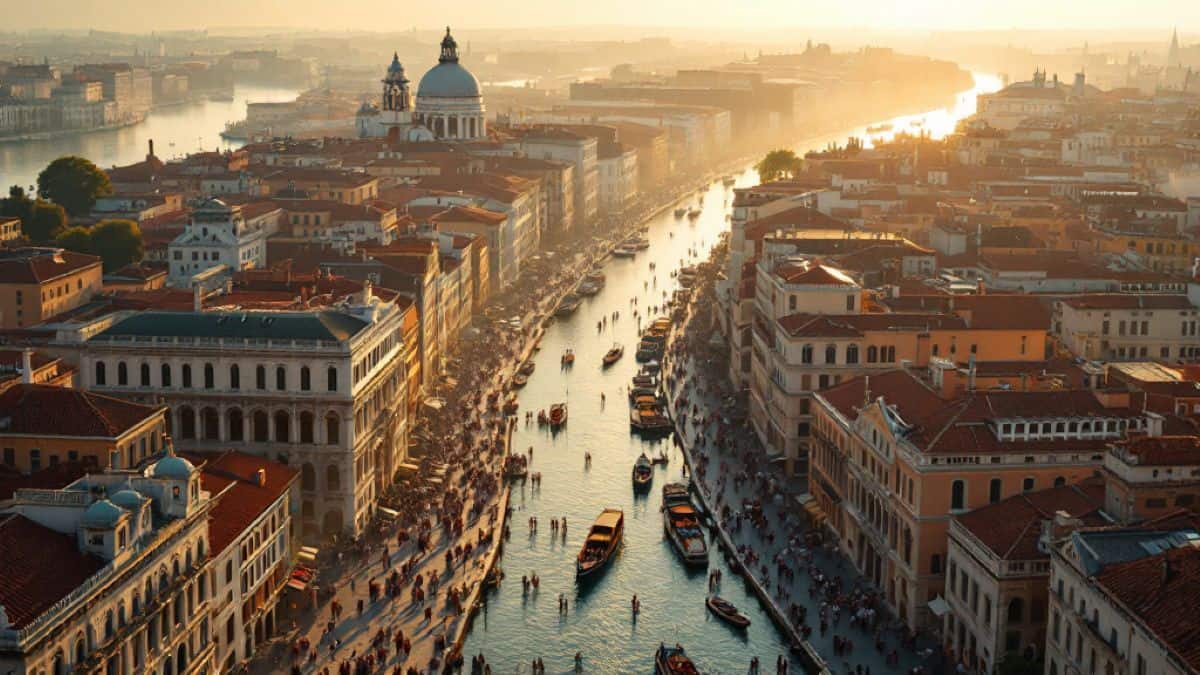
Image generated with Ai
Italy joins Spain, Greece, Malta and Austria in a historic tourism war against overtourism as Europe’s most popular destinations introduce powerful new visitor limits, travel controls and sustainable rules to protect their future. As overcrowded cities, famous landmarks and fragile coastal areas face rising pressure, governments are triggering a massive holiday revolution that is changing how travellers explore the continent. Furthermore, this major shift is creating a new era where responsible travel, smarter planning and sustainable tourism are becoming the priority. Italy and its European partners are taking bold action to balance tourism growth with cultural protection and local community needs. The new measures are not stopping holidays but are reshaping them. Europe’s tourism future is now moving towards controlled, meaningful and environmentally friendly experiences for millions of global visitors.
Spain has long been one of Europe’s biggest tourism powerhouses. Its sunny beaches, historic cities, food culture and vibrant lifestyle attract travellers from around the world.
However, some Spanish destinations have faced increasing pressure from high visitor numbers. Popular coastal areas and major cities have experienced challenges linked to overcrowding, housing demand and environmental concerns.
Spain is now working towards a more balanced tourism strategy. Instead of concentrating millions of visitors in a small number of famous locations, authorities are promoting wider regional tourism.
Advertisement
The country is encouraging travellers to discover lesser-known destinations, rural areas and cultural regions. This approach helps reduce pressure on overcrowded places while allowing more communities to benefit from tourism income.
Spain is also focusing on better regulation of tourist accommodation and improving sustainability standards. The aim is to create a tourism system that supports both visitors and residents.
The country’s tourism transformation shows that future travel growth cannot depend only on increasing visitor numbers. It must also focus on responsible development.
Spain’s message is clear. Tourism should bring economic opportunities while protecting local lifestyles and natural resources.
Advertisement
Advertisement
By creating a more balanced visitor distribution system, Spain is attempting to build a stronger and more sustainable tourism future.
Greece has become one of Europe’s most attractive holiday destinations. Its islands, ancient landmarks, crystal-clear waters and cultural heritage continue to attract millions of international travellers.
However, popular Greek islands and historic attractions have faced growing pressure during busy travel seasons. Large visitor numbers can create challenges related to infrastructure, water resources, waste management and environmental protection.
To address these issues, Greece has started adopting stronger tourism management policies. The country is introducing measures aimed at controlling pressure on highly visited locations and improving sustainability.
Tourism-related charges and visitor management systems are becoming part of the strategy. These measures aim to support local infrastructure while ensuring destinations remain attractive for future travellers.
Greece understands that its natural beauty is its greatest tourism asset. Protecting beaches, islands and cultural sites is therefore becoming a national priority.
The country is moving towards a model where tourism growth must be carefully managed. The focus is shifting from attracting the highest possible number of visitors towards creating meaningful travel experiences.
This approach allows Greece to protect its unique identity while continuing to welcome international travellers.
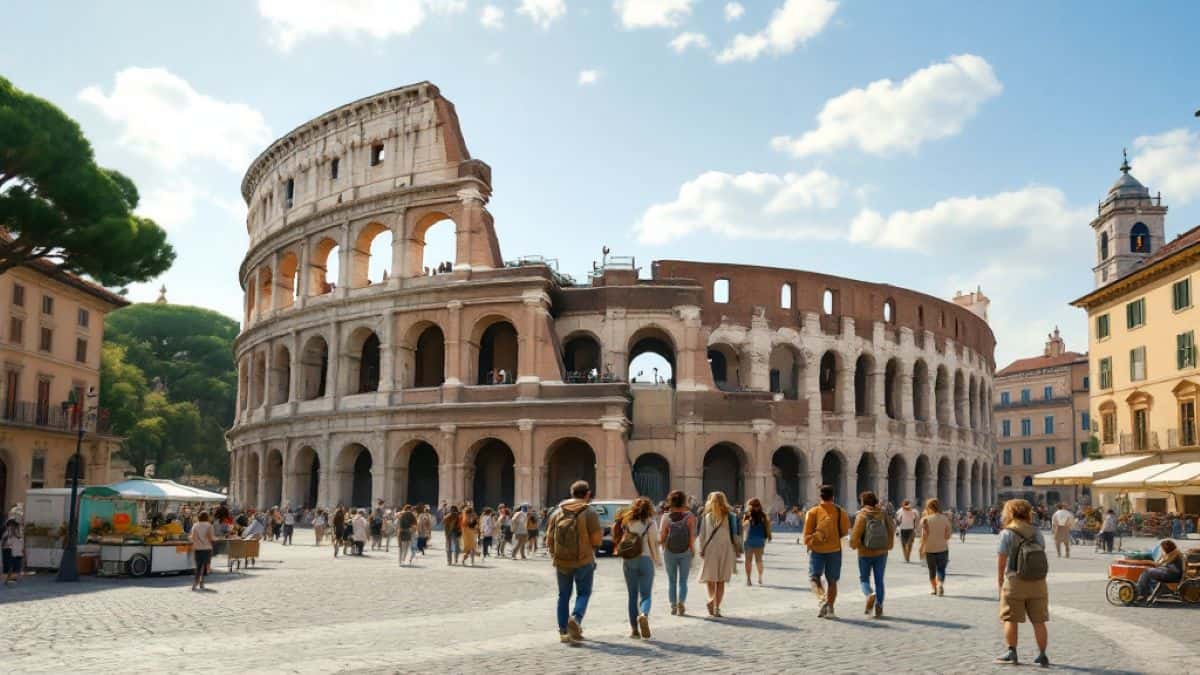
Image generated with Ai
Malta has become increasingly popular among international travellers because of its historic cities, Mediterranean coastline and unique cultural heritage.
However, Malta faces a special challenge. The country has a small land area but attracts a large number of visitors. This creates significant pressure on transport systems, infrastructure, natural spaces and local communities.
Tourism remains a major economic driver for Malta. However, authorities recognise that continued growth must be carefully managed.
The country is focusing on visitor-flow management and carrying-capacity planning. These strategies aim to understand how many visitors different locations can safely support without causing long-term damage.
Malta’s challenge represents a wider issue faced by many small destinations worldwide. High visitor numbers can create economic benefits but can also place pressure on limited resources.
The country is therefore working towards a smarter tourism model. This includes improving sustainability, protecting natural areas and encouraging travellers to explore different parts of the destination.
Malta’s future tourism success will depend on finding the right balance between welcoming visitors and protecting the island’s unique character.
Austria is famous for its beautiful landscapes, historic cities and cultural attractions. Destinations such as Salzburg attract travellers with their architecture, music heritage and traditional charm.
However, increasing visitor activity has created challenges in some historic areas. Large numbers of tourist vehicles and heavy visitor movement can affect local residents and reduce the quality of the travel experience.
Austria has responded with measures designed to improve visitor management. In certain areas, authorities have introduced restrictions to reduce congestion and protect historic environments.
These policies aim to create a better balance between tourism activity and everyday community life.
Austria’s approach highlights an important point. Overtourism is not only about the number of people visiting a destination. It is also about how visitors move, where they stay and how tourism affects local communities.
By improving traffic management and controlling pressure points, Austria hopes to protect its heritage while continuing to welcome travellers.
The country’s actions demonstrate how even well-developed tourism destinations must adapt to changing travel patterns.

Image generated with Ai
The battle against overtourism represents a major turning point for European tourism. Countries are no longer measuring success only through visitor numbers.
The future of travel will focus on balance. Destinations want tourism growth, but they also want environmental protection, cultural preservation and better living conditions for residents.
Italy, Spain, Greece, Malta and Austria are leading examples of this transformation. Their policies show that responsible tourism is becoming a central priority across Europe.
Visitor limits, tourism charges, access controls and sustainability programmes are becoming important tools for managing travel demand.
For travellers, this change may create a new holiday experience. Instead of overcrowded attractions and rushed visits, future tourism could encourage slower travel, longer stays and deeper cultural connections.
Europe is not closing its doors to visitors. Instead, it is redesigning tourism for the future.
The continent’s message is powerful. The best destinations are not only places that attract millions of people. They are places that remain beautiful, authentic and welcoming for generations to come.
As Europe enters this new tourism era, sustainable travel is becoming the key to protecting its legendary destinations while keeping them open to the world.
Advertisement
Tags: Austria travel restrictions, Europe Overtourism Crisis, European tourism revolution, future of European holidays, Greece visitor limits
Advertisement
Advertisement













Friday, September 4, 2026

Friday, September 4, 2026

Friday, September 4, 2026

Thursday, September 3, 2026

Wednesday, September 2, 2026

Friday, September 4, 2026

Friday, September 4, 2026