
Germany Unites with UK and More in Leading Spain Hotel Tourism as Prices Rise Nearly 7% and Overseas Overnight Stays Grow in September

Published
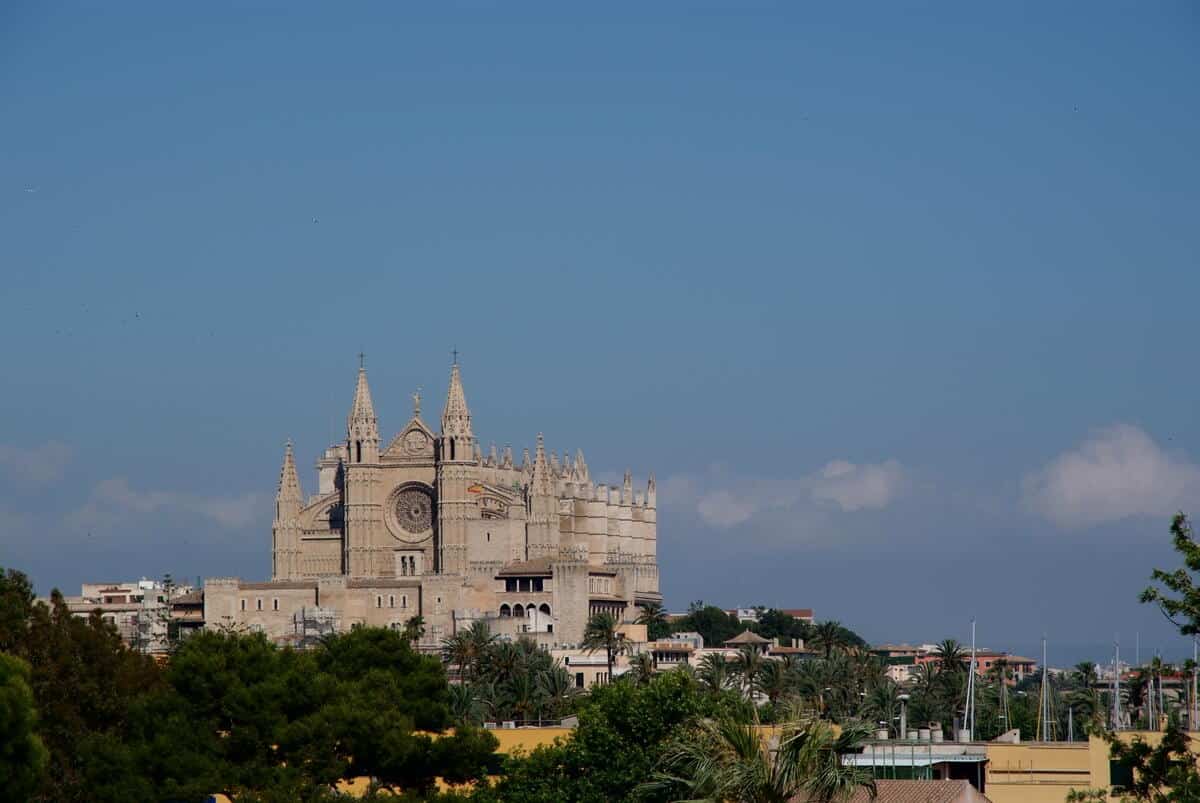
Germany and the United Kingdom were the largest foreign suppliers of Spain’s overseas hotel demand as the number of stays rose by 3.2% despite a 6.7% rise in prices. The Spanish tourism industry saw rising hotel accommodation prices and higher international demand during September 2026, with Germany, the United Kingdom and overseas contributing significantly towards the number of hotel overnight stays. According to the data released by Spain’s National Statistics Institute (INE), hotel prices increased by 6.7%, while overnight stays by foreign visitors rose by 3.2%. Despite the higher prices for accommodation, foreign tourism continues to support Spain’s hospitality industry, especially in the popular destinations such as Mallorca, Barcelona, Madrid and the Canary Islands. However, the rise in hotel prices has also triggered the growing cost of accommodation for tourists planning to spend their holidays in Spain.
Spain Hotel Prices Rise by 6.7% as Accommodation Costs Continue to Increase
A significant increase in Spain hotel prices was recorded during September 2026, continuing the upward trend observed since the pandemic. According to the latest hotel tourism statistics, the Hotel Price Index increased by 6.7%, marking its strongest annual growth since April 2025.
The rise was reported to be considerably above the general inflation rate, reflecting the continued increase in accommodation charges across the country.
The average daily rate, commonly known as ADR, reached €141.60 per occupied hotel room, representing a 7.4% increase compared with September 2025.
Advertisement
Advertisement
For international tourists, these figures indicate that accommodation has become more expensive than during the corresponding period last year. Travellers visiting Spain’s popular cities, coastal destinations and island resorts may therefore need to allocate larger budgets towards hotel stays.
Germany and the United Kingdom Lead Spain’s International Hotel Tourism
A substantial share of international hotel overnight stays in Spain was generated by visitors from the United Kingdom and Germany during September 2026.
Advertisement
Advertisement
The United Kingdom remained the largest of the reported international source markets, contributing 27.2% of all overnight stays by non-residents.
Germany followed with a 17.4% share, reinforcing its position as another major contributor to Spanish hotel tourism.
Advertisement
Advertisement
Additional demand was recorded from visitors arriving from France, the United States and the Netherlands, although individual percentages for these markets were not specified.
| International source market | Share of non-resident hotel overnight stays |
|---|---|
| United Kingdom | 27.2% |
| Germany | 17.4% |
| France | Among the other leading markets |
| United States | Among the other leading markets |
| Netherlands | Among the other leading markets |
Together, British and German visitors accounted for 44.6% of overnight stays made by international travellers in Spanish hotels during September.
These figures demonstrate the importance of European source markets to Spain’s hospitality sector, even as accommodation prices continue to rise.
Overseas Overnight Stays Grow as Domestic Hotel Demand Declines
Spain’s hotel industry recorded more than 40.1 million overnight stays in September 2026, representing annual growth of 1.7%.
Advertisement
Advertisement
However, different trends were observed between domestic and international visitors.
Overnight stays made by non-residents increased by 3.2%, while those recorded for travellers living in Spain decreased by 1.9%.
The figures indicate that international visitors were responsible for the stronger performance recorded during the month, while domestic hotel demand weakened.
A positive trend was also maintained during the first nine months of 2026, when total hotel overnight stays increased by 1.5% compared with the corresponding period of 2025.
| Hotel overnight stay indicator | Change |
|---|---|
| September 2026 total overnight stays | More than 40.1 million |
| September total annual growth | +1.7% |
| September international overnight stays | +3.2% |
| September domestic overnight stays | −1.9% |
| January–September total growth | +1.5% |
| January–September international growth | +2.2% |
| January–September domestic growth | +0.1% |
These results show that international tourism continued to provide an important foundation for Spain’s hotel accommodation market.
Marbella Records Spain’s Highest Hotel Room Rates and Revenue
Considerable differences in accommodation costs were recorded across Spain’s hotel destinations and property categories.
Advertisement
Advertisement
Marbella emerged as the destination with the highest reported average daily room rate, reaching €286.60 during September 2026.
The destination also recorded the highest revenue per available room, or RevPAR, at €231.20.
Across Spain, RevPAR reached €110.50, an annual increase of 7.7%.
Unlike ADR, which measures revenue earned from occupied rooms, RevPAR also considers available room capacity, making it a useful indicator of hotel revenue performance.
| Destination or hotel category | ADR | RevPAR |
|---|---|---|
| Marbella | €286.60 | €231.20 |
| Five-star hotels | €332.80 | €257.90 |
| Four-star hotels | €144.30 | €122.80 |
| Three-star hotels | €115.60 | €92.30 |
The highest accommodation rates by hotel category were recorded among five-star properties, where ADR reached €332.80.
Four-star hotels registered an average of €144.30, while three-star accommodation averaged €115.60 per occupied room.
Advertisement
Advertisement
These figures illustrate the considerable price differences travellers may encounter when choosing between hotel categories.
Ceuta and Madrid Record Major Hotel Price Increases
Regional differences were also highlighted by Spain’s Hotel Price Index.
The highest annual hotel price increase was recorded in Ceuta, where prices climbed by 13.7%.
Madrid followed with a rise of 10.4%, substantially exceeding the national increase of 6.7%.
Meanwhile, smaller increases were reported in Aragón and Extremadura, where hotel prices rose by 2.4% and 3.6%, respectively.
| Autonomous community or city | Annual hotel price increase |
|---|---|
| Ceuta | 13.7% |
| Madrid | 10.4% |
| Extremadura | 3.6% |
| Aragón | 2.4% |
The regional figures demonstrate that rising accommodation costs have not been experienced equally across Spain.
Advertisement
Advertisement
For tourists comparing destinations, these variations provide useful insight into how hotel price growth differs between locations. However, a smaller percentage increase does not necessarily mean that a destination has the lowest room prices.
Mallorca Leads Overnight Stays as Spain’s Island Tourism Remains Strong
Spain’s islands continued to account for a substantial proportion of hotel accommodation demand during September.
Mallorca recorded more than 7.3 million overnight stays, the highest total among the tourist areas identified in the statistics.
At destination level, Madrid, Barcelona and Calvià in Mallorca registered the highest numbers of overnight stays.
Among international visitors, the Balearic Islands accounted for the largest reported share of hotel overnight stays, reaching 32.5%.
Catalonia followed with 18.4%, while the Canary Islands accounted for 17.7%.
Advertisement
Advertisement
| Destination region | Share of non-resident overnight stays |
|---|---|
| Balearic Islands | 32.5% |
| Catalonia | 18.4% |
| Canary Islands | 17.7% |
Domestic travel patterns differed from those of international visitors.
Andalusia, Catalonia and the Valencian Community were the leading destinations for travellers resident in Spain, collectively accounting for almost half of domestic hotel overnight stays during September.
The geographical distribution confirms the continuing importance of Mediterranean coastal regions, major cities and island destinations to Spain’s hotel tourism sector.
Balearic Islands Achieve Highest Hotel Occupancy Across Spain
Strong hotel occupancy was recorded during September, particularly in Spain’s island destinations.
Across the country, 67% of available hotel beds were occupied, representing a 0.3% increase compared with September 2025, according to the reported figures.
Weekend occupancy was higher, reaching 72.6%, reflecting stronger use of available accommodation capacity during these periods.
Advertisement
Advertisement
The Balearic Islands recorded the highest bed occupancy rate at 82.6%, exceeding the overall national level.
| Hotel occupancy indicator | September 2026 |
|---|---|
| National bed occupancy | 67.0% |
| National weekend occupancy | 72.6% |
| Balearic Islands bed occupancy | 82.6% |
Higher occupancy indicates that a larger proportion of available hotel beds was being used.
For travellers, the statistics provide important context when evaluating accommodation availability in popular holiday regions. However, occupancy levels alone do not establish whether rooms were unavailable on particular dates.
Rising Hotel Costs Create New Budget Considerations for International Travellers
The increase in hotel prices presents an important consideration for travellers planning holidays in Spain.
With average room rates reaching €141.60 and higher charges being recorded in premium destinations such as Marbella, accommodation is becoming a larger potential expense for visitors.
The impact may be particularly relevant for families, extended-stay holidaymakers and travellers working within fixed budgets.
Advertisement
Advertisement
At the same time, the increase in international overnight stays demonstrates that demand continued to grow despite the higher average cost of hotel accommodation.
The contrasting trends suggest that Spain’s hotel sector maintained its ability to attract overseas visitors during September, although the statistics do not establish how individual travellers adjusted their spending decisions.
Comparing destinations, property categories and travel dates may help visitors make more informed accommodation choices.
Spain’s Hotel Tourism Growth Highlights Strong Overseas Demand Despite Higher Prices
Spain’s September 2026 hotel figures reveal a tourism industry characterised by rising prices, stronger international demand and significant differences between destinations.
With hotel prices increasing by 6.7%, international overnight stays growing by 3.2%, and more than 40.1 million total overnight stays, foreign visitors continued to play a central role in supporting the hospitality sector.
The United Kingdom and Germany remained particularly important source markets, while Mallorca, Madrid, Barcelona and other established destinations maintained substantial hotel demand.
Advertisement
Advertisement
For travellers, the main challenge remains the rising cost of accommodation. For the hotel industry, higher room revenue and growing international stays indicate continued commercial strength.
Germany, the UK and other international markets drove Spain’s hotel tourism growth in September 2023, with overseas overnight stays rising by 3.2%. Although hotel prices climbed by 6.7%, Spain’s hospitality sector is seeing an increase in foreign visitor demand.
In the light of this information, Spain’s hotel tourism sector is seeing stronger demand from overseas visitors and rising holiday accommodation costs; therefore, value is becoming an increasingly important factor.
Advertisement
