
Sweden Unites with Norway And More Rekindling Nordic Indigenous Truth Through Sápmi Cultural Journeys

Published
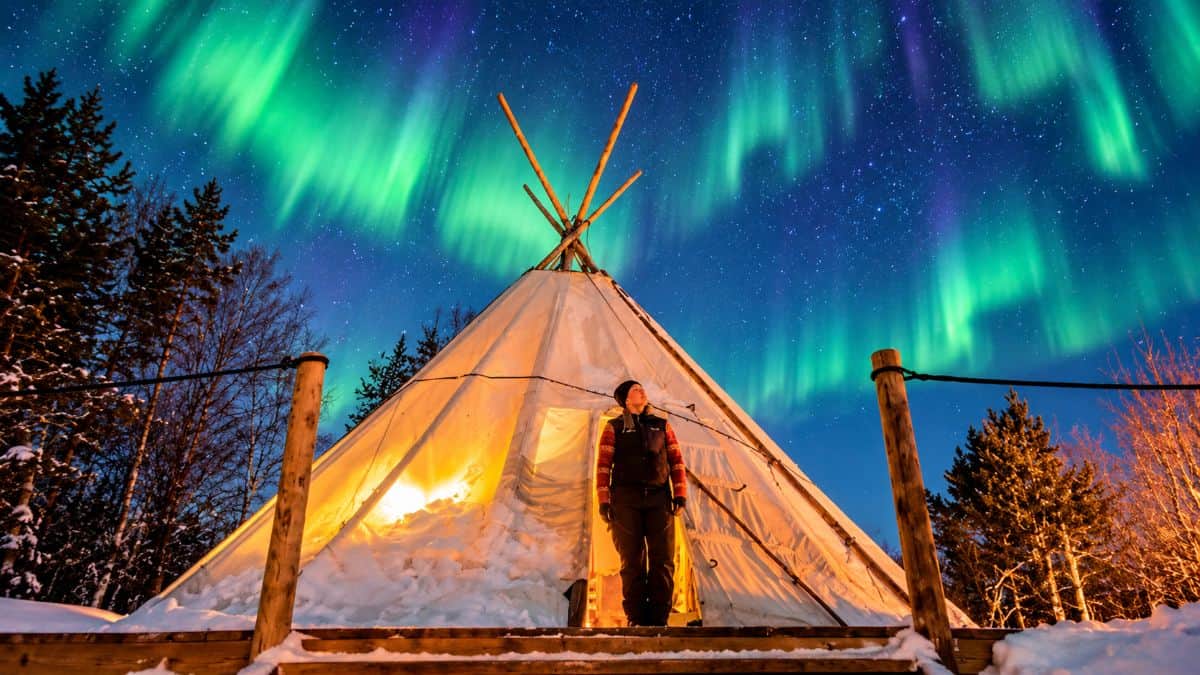
Arctic journeys across northern Scandinavia invariably lead travellers into Sápmi, a vast cultural landscape spanning the northern parts of Sweden, Norway, and Finland. Renowned for snow-capped fells, ancient boreal forests, and the luminous spectacle of the aurora borealis, the region is also home to the European Union’s only recognised Indigenous community, the Sámi. While Arctic holidaymakers frequently admire reindeer husbandry, handcrafted duodji souvenirs, and local culinary traditions, beneath this celebrated outdoor haven lies a poignant history marked by displacement, cultural assimilation, and ongoing debates over historical restitution.
Contemporary cultural travel increasingly calls for mindful engagement that honours the historical truth of native inhabitants. In Sweden, where roughly half of the estimated 100,000 Sámi live, a government-appointed Truth Commission recently revealed systemic injustices dating from the seventeenth century, concluding with a comprehensive 71-point call to action recommending a state apology. For conscious travellers tracing Arctic routes from northern Sweden through Norwegian fjords and Finnish wilderness, understanding this delicate political and cultural atmosphere enriches every encounter, converting a conventional holiday into an informed exploration of northern resilience.
Advertisement
Advertisement
Historical Shadows Behind Arctic Landscapes
Traversing the wilderness of Jokkmokk or Kiruna reveals dramatic geography deeply connected to Sámi ancestral roots. For centuries, state authorities implemented policies that suppressed native languages, separated families, and restricted customary land use across a region rich in minerals, timber, and water resources. European explorers historically perceived the territory as uncultivated frontier, overlooking sophisticated pasture preservation systems that sustained Indigenous families across generations. The recent Swedish Truth Commission documented hundreds of firsthand accounts highlighting structural discrimination, racial biological research, and forced relocations, proving that the physical terrain travellers cherish holds enduring communal memory.
Modern historical tourism relies heavily on transparent interpretation. Visitors who explore Swedish Lapland often visit local heritage archives and village museums to learn how pastoralist communities survived state-mandated land reclassifications. Appreciating this background enables global explorers to view mountain trails not merely as physical hiking routes, but as ancestral corridors preserved despite profound systemic challenges.
Advertisement
Advertisement
Nordic Reconciliation Across Arctic Borders
Regional governance regarding Indigenous rights varies noticeably between neighbouring countries. Norway formally apologised to its Sámi population decades ago, setting a standard for institutional reconciliation through royal and parliamentary recognition. Finland conducted its own comprehensive truth commission and remains engaged in constructive policy dialogue, establishing formal dialogues surrounding self-determination and territorial custodianship. Conversely, Sweden has progressed cautiously, with the mandate of its commission focusing primarily on truth examination rather than formal reconciliation agreements.
| Country | Formal State Apology | Policy Framework Title | Primary Focus on Tourism and Land |
| Norway | Delivered in 1997 | Truth and Reconciliation | Co-managed cultural landscapes and pasture preservation |
| Sweden | Currently under parliamentary review | Truth Commission | Industrial resource balance and pastoral heritage corridors |
| Finland | Deliberating final resolution | Truth and Reconciliation | Cultural autonomy and native language preservation paths |
International travellers journeying across cross-border circuits notice distinct regional nuances in cultural representation. In northern Norway, state acknowledgement paved the way for collaborative heritage curation, enabling Indigenous institutions to design visitor narratives directly. In Sweden, where national lawmakers continue to deliberate over formal institutional apologies, cultural preservation often relies on grassroots community leadership and local tourism cooperatives determined to safeguard their ancestral narratives independently.
Advertisement
Advertisement
Responsible Travel Along Cultural Trails
Experiencing Sápmi with cultural awareness means seeking out authentic community-led experiences rather than commercialised pastimes. Ethical tourism operators advise holidaymakers to support licensed enterprises owned directly by community members, ensuring economic returns benefit northern communities. Travellers can learn traditional lasso throwing, participate in seasonal pasture care, and listen to traditional joik vocal performance within authentic lavvu settings, developing deep appreciation for customs that endured decades of educational assimilation.
Authentic engagements also extend to sustainable gastronomy, featuring smoked reindeer, mountain berries, and Arctic char sourced through centuries-old harvesting methods. Rather than treating cultural manifestations as casual spectacles, discerning visitors approach these activities with mindfulness, recognising that cultural display represents an enduring assertion of native identity.
Environmental Custodianship in Northern Scandinavia
Reindeer pastoralism shapes the northern ecology, maintaining tundra biodiversity through grazing patterns established over millennia. Today, changing weather patterns and industrial expansions create new obstacles for local herders, particularly in mineral-rich northern Sweden. Responsible Arctic adventurers minimise their ecological footprint by remaining on marked routes, observing seasonal animal migrations from respectful distances, and adhering to Leave No Trace principles throughout national parks like Abisko and Padjelanta.
Travellers interested in geography and environmental stewardship gain singular insight by speaking with community leaders who bridge ancestral ecology and contemporary climate science. Their traditional ecological wisdom provides an indispensable guide for preserving northern European wilderness in an era of rapid environmental change.
Frequently Asked Questions
Who are the Sámi people?
The Sámi are the recognised Indigenous people residing across the Arctic regions of northern Sweden, Norway, Finland, and Russia’s Kola Peninsula.
Advertisement
Advertisement
What geographical territory is known as Sápmi?
Sápmi is the traditional cultural homeland of the Sámi people, covering approximately one third of northern Scandinavia.
Why did the Swedish Truth Commission recommend an official apology?
The commission found centuries of state-sanctioned land dispossession, language suppression, and discriminatory policies that inflicted enduring harm on Indigenous communities.
Have Norway and Finland apologised to their Sámi populations?
Norway delivered a formal state apology in 1997, while Finland has concluded a commission process and continues national discussions regarding formal reconciliation.
Advertisement
Advertisement
How can visitors experience authentic cultural tourism in the region?
Travellers should choose certified Indigenous-owned tour companies that offer direct community engagement, traditional storytelling, and authentic crafts.
What is duodji in northern Scandinavian tradition?
Duodji refers to traditional handicrafts made from natural materials like birch wood, reindeer antler, and leather, blending functionality with intricate artistic designs.
Is it safe to travel across northern Sweden during winter?
Winter travel is safe when using well-equipped transport, wearing appropriate thermal layers, and respecting regional meteorological advisories.
Advertisement
Advertisement
Do visitors need special permissions to enter Sámi heritage areas?
Most natural areas and trails remain open under Scandinavian public access principles, though visitors must avoid disrupting active grazing grounds and working corrals.
What is the joik in Indigenous Arctic culture?
A joik is a unique vocal tradition that evokes the essence of a person, animal, or landscape through melodic expression without relying on conventional song structures.
Why is sustainable travel essential in Arctic landscapes?
Arctic ecosystems are fragile and susceptible to climate shifts, making low-impact tourism vital for protecting both natural habitats and ancestral grazing corridors.
Advertisement
