
Birmingham Aligns With Manchester And More Cities Facing Unprecedented Energy Shocks And Brutal Fuel Pressures Destroying Travel Across England

Published
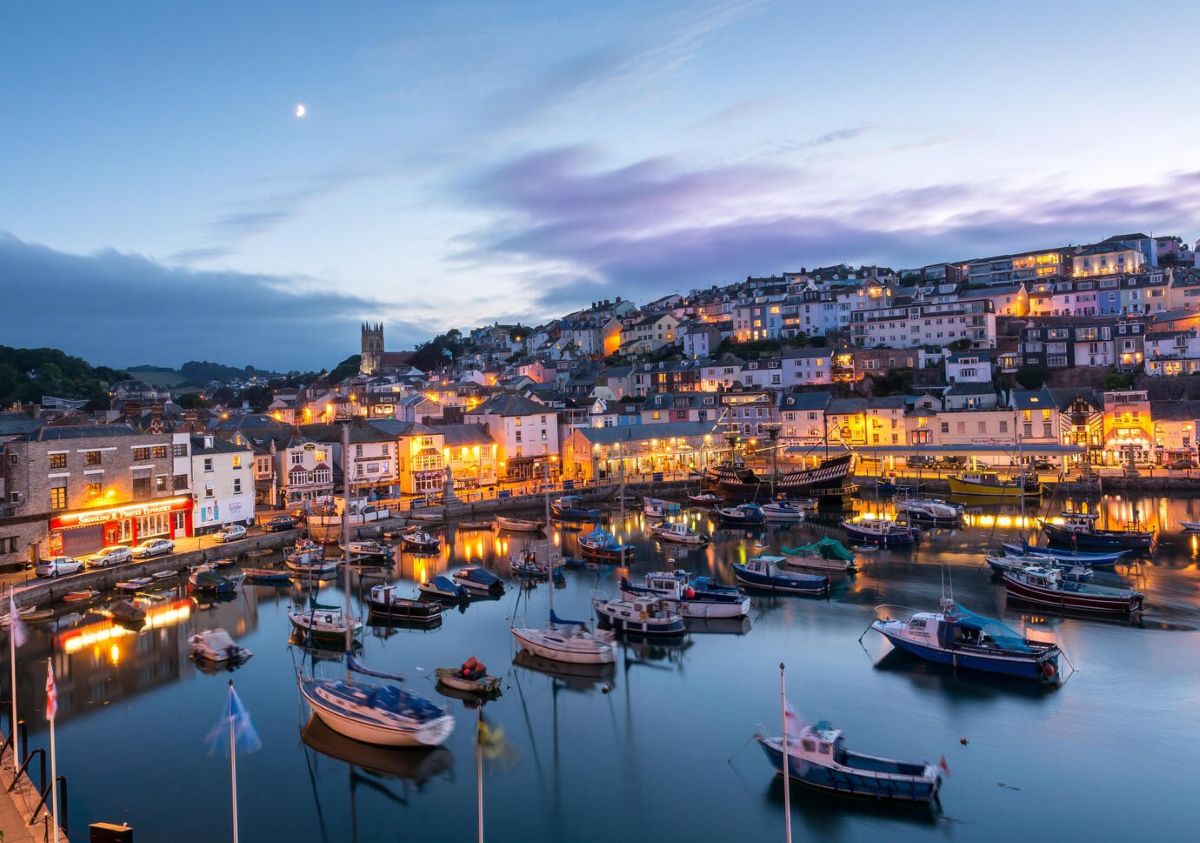
There is a quiet feeling of tension spreading through England most loved city streets lately. If you have tried to book a weekend trip or called a taxi in London, Birmingham, Manchester, Liverpool or Leeds you can almost sense the pressure. Under the lights and busy old streets our favorite cities are quietly struggling with a tough energy shortage and rising fuel costs. It is sad to see family-owned pubs, warm little hotels and famous local theaters battle, against huge utility bills. Travelers are also feeling the effect as every trip now costs a bit more and lasts a bit less.
How Are Energy Shocks And Fuel Pressures Reshaping Urban Travel Dynamics Across England’s Major Economic And Cultural Hubs?
The broader macroeconomic environment across the United Kingdom sets a challenging stage for metropolitan tourism. Energy price inflation, highlighted heavily in House of Commons Library research briefings on tourism policy, has disproportionately penalized the hospitality and leisure sectors. Consecutive global shocks to oil and diesel distribution have pushed fuel costs near historic highs, strangling the transit economics of coach operators, rental vehicle fleets, and municipal networks. Furthermore, DESNZ Public Attitudes Trackers reveal that public anxiety over grid reliability and energy security remains elevated, pushing domestic travelers to substitute private vehicle journeys with restricted public options or truncate their travel distances. These macroeconomic strains directly bleed into the distinct operational landscapes of England’s top five cities, transforming urban getaways.
Behind these overarching national trends lie distinct regional vulnerabilities that amplify the cost of leisure. When commercial heating, electricity, and transport overheads surge simultaneously, urban tourism operators face difficult choices between absorbing losses or passing inflated expenses directly to consumers. This delicate financial balancing act creates ripples across every facet of the visitor journey, from hotel check-ins to sightseeing excursions. Ultimately, the cumulative weight of these energy pressures threatens to slow down the robust post-pandemic recovery previously anticipated across major urban tourism markets.
Advertisement
Advertisement
Why Is London Experiencing Severe Transit Squeezes And Skyrocketing Operational Overheads For Visitors?
As the nation’s premier magnet for international and domestic travelers, London relies heavily on its deeply integrated transit infrastructure managed by Transport for London (TfL). However, soaring electricity costs for underground and rail services, coupled with intense diesel tariffs for commercial fleets and black cabs, have triggered severe friction across the capital’s transit arteries. Visitors face increasingly steep fares as transport providers struggle to absorb mounting energy overheads.
Advertisement
Advertisement
Compounding this transit squeeze, strict Ultra Low Emission Zone (ULEZ) compliance requirements mesh awkwardly with skyrocketing commercial fuel costs, heavily driving up operational expenditures for private tour buses and local taxi drivers. This financial burden inevitably dampens localized sightseeing mobility, forcing budget-conscious tourists to walk more or bypass outer borough attractions entirely. Consequently, London’s unmatched tourism appeal must navigate a complex landscape where moving around the city demands a significantly higher financial commitment than in previous years.
How Do Energy Pressures And Convention Center Costs Impact Birmingham’s Regional Coach And Business Tourism?
Advertisement
Advertisement
As a vital midlands logistics and manufacturing core, Birmingham acts as a central crossroads for the United Kingdom’s primary motorway networks, including the M6, M5, and M42, alongside extensive national coach routes. Unfortunately, high fuel costs directly penalize regional coach tourism while simultaneously driving up baseline overheads for hotels and major hospitality venues. Because the city relies heavily on large conventions and lucrative business tourism, spiking energy expenses for sprawling exhibition spaces like the NEC have forced venues into defensive pricing models.
Domestic tourists driving into the West Midlands find themselves grappling with heavily squeezed household budgets, leading many to opt for shorter regional stays instead of multi-day urban explorations. By shortening their itineraries, visitors actively bypass high fuel and municipal parking expenditures, leaving local hoteliers and independent restaurateurs yearning for longer booking windows. This shift underscores how regional transit economics directly dictate the economic vitality of England’s second city.
In What Ways Are Power Tariffs And Aviation Pressures Transforming Manchester’s Vibrant Night-Time Economy And Travel Connectivity?
As the unmistakable cultural and aviation nexus of the North, Manchester anchors regional tourism through its legendary night-time economy, thriving music culture, and global connectivity via Manchester Airport. Yet, the local hospitality sector—comprising independent pubs, bars, and live music venues—has faced severe margin compression driven by punishing commercial energy tariffs. These persistent power pressures have forced several iconic establishments to curtail their operating hours, fundamentally altering the lively nocturnal energy that routinely attracts weekend leisure seekers.
Advertisement
Advertisement
At the same time, jet fuel pricing pressures and regional rail instability tied directly to operational energy constraints have created friction for international travelers routing through Manchester Airport into the broader North of England. Visitors encounter a delicate paradox where world-class cultural offerings are increasingly hemmed in by the harsh realities of utility billing and transit unpredictability. Navigating Manchester’s famed social scene now requires careful planning around restricted venue hours and heightened travel fares.
How Are Steep Utility Bills And Regional Transport Costs Depressing Spontaneous Day-Visits To Liverpool’s Waterfront?
As a celebrated heritage and maritime destination, Liverpool leans heavily on its rich cultural footprint, world-class museums, and iconic Beatles-linked tourism to draw crowds. Waterfront hotels, galleries, and independent hospitality operators are currently grappling with steep heating and electricity bills that threaten their daily operational margins. Because a remarkably high volume of Liverpool’s tourism is regional and driven by car or coach travel, elevated fuel pump prices directly suppress spontaneous day-trips from across the North West and North Wales.
Furthermore, this financial strain has translated into reduced profitability for boutique hotels and independent eateries, triggering a noticeable contraction in service quality and restricted opening windows during off-peak periods. Travelers arriving during peak seasons often encounter scaled-back operations, highlighting how vulnerable regional heritage tourism is to macro-level utility fluctuations. Preserving Liverpool’s legendary warmth and hospitality requires urgent adaptation to an era of enduring energy scarcity.
Why Are Soaring Real Estate Overheads And Corporate Energy Austerity Hampers Leeds’s Retail And Business Tourism?
As the financial and retail powerhouse of Yorkshire, Leeds seamlessly combines corporate business travel with high-end retail tourism centered around destinations like Victoria Leeds and Trinity Leeds, while serving as the primary gateway to the Yorkshire Dales. Commercial real estate, massive retail complexes, and urban hotels face intense electricity and gas overheads that challenge their long-term viability. Business travel, which historically commands a significantly higher daily spend per visitor, has faced strict corporate cutbacks on travel budgets amid broader corporate energy austerity measures.
Advertisement
Advertisement
Tourists utilizing Leeds as a comfortable base to explore nearby natural attractions face prohibitive fuel costs for rental cars and private vehicles, steering a noticeable behavioral shift toward localized city-center walking itineraries. Rather than venturing out into the wider regional landscape, visitors tend to keep their expenditures tightly ring-fenced within the urban core. This inward-looking travel pattern alters the traditional dispersal of tourism revenue across the wider Yorkshire region.
How Do Non-Domestic Energy Tariffs And Utility Cost Spikes Threaten Small And Medium Hospitality Enterprises Across England’s Urban Centers?
Recent data compiled jointly from Office for National Statistics releases and UKHospitality metrics, as highlighted in House of Commons Library briefs, paints a striking picture of the nation’s leisure backbone. Specifically, the UK accommodation and food services sector encompasses a sprawling network of 176,685 active businesses nationwide, of which an overwhelming 99.6% operate as small or medium-sized enterprises. Amid a turbulent and unpredictable energy market, roughly 17% of all hospitality operators point directly to utility bills as their absolute primary business vulnerability, compared to a mere 6% across general British commerce. This stark disparity creates an intense financial squeeze for independent boutique hotels, cozy family-run inns, and local eateries scattered throughout London, Birmingham, Manchester, Liverpool, and Leeds. Consequently, these independent businesses are frequently driven into defensive menu pricing, reduced operating schedules, and painful service cutbacks that alter the classic tourist experience.
Independent accommodation providers and neighborhood food spots possess very little financial padding when commercial electricity and gas tariffs multiply without warning. When monthly utility overheads devour an unmanageable slice of gross revenue, vital facility updates, aesthetic improvements, and customer-facing investments are instantly pushed aside. Urban tourism relies heavily on the diverse, authentic charm delivered by these independent operators to pull weekend explorers and international holidaymakers through their doors. Therefore, prolonged non-domestic energy pressures threaten not only individual enterprise survival, but also the rich cultural fabric that makes England’s premier city breaks so magnetic.
In What Ways Do Surging Minimum Wage Mandates And Rising Labour Overheads Compound Energy Crunches For Urban Tourism Operators?
Official labor market reports indicate that the United Kingdom hospitality sector sustains approximately 2.6 million jobs, accounting for roughly 7.1% of total national employment. Following consecutive statutory adjustments—highlighted by the April statutory National Minimum Wage increase establishing a base rate of £12.71 per hour for individuals aged 21 and over—independent surveys show that 55% of hospitality employers report labor expenses actively dragging down operational turnover. Urban tourism businesses across major economic centers find themselves caught inside a tightening economic vice, squeezed simultaneously by surging utility tariffs and mandatory staff payroll obligations designed to protect household incomes.
Advertisement
Advertisement
This compounding financial weight forces metropolitan tourism managers to rethink staffing models, often triggering reduced front-of-house rosters and leaner service execution during quieter midweek windows. Because hospitality is an inherently human-centric industry, trimming back on trained floor personnel directly diminishes the warmth, attentiveness, and overall quality of visitor interactions. When business owners must choose between keeping utility accounts clear and satisfying mandatory wage hikes, the long-term stability of urban tourism experiences faces severe structural strain.
How Do Spiking Diesel Pump Prices And Historical Supply Shocks Constrain Regional Coach Operators And Car-Dependent Domestic Tourists?
Detailed road fuel tracking compiled by parliamentary researchers reveals that retail pump prices reached dramatic historical peaks of 191.6 pence per litre for petrol and 199.2 pence per litre for diesel. Subsequent international supply chain disruptions and geopolitical conflicts in major oil territories have routinely triggered sudden weekly price jumps of up to 25 pence a litre for commercial diesel. These intense input cost spikes disproportionately penalize coach-reliant tourism networks entering major transport hubs like Birmingham and Manchester, driving up ticket prices for budget-conscious domestic travelers.
Car-dependent visitors planning weekend road trips or extended regional getaways face heavy financial disincentives when filling up private vehicle tanks at these elevated pump rates. Consequently, domestic tourists frequently truncate their travel itineraries or cancel spontaneous multi-stop excursions entirely to bypass prohibitive travel expenditures. This behavioral shift shrinks visitor footfall at peripheral urban attractions, disrupting classic travel distribution patterns across England’s key regional corridors.
Why Are Squeezed Household Incomes And Inflationary Pressures Driving Domestic Leisure Seekers Toward Shorter Regional Getaways?
Consumer behavior metrics emphasize that domestic tourism remains a pillar of national leisure, with Great Britain residents generating an incredible 1.0 billion tourism day visits alongside substantial overnight stays, contributing £54.8 billion in direct spending. However, cumulative cost-of-living adjustments—compounded by real-term drops in non-pensioner median household incomes following post-pandemic inflation—have left large segments of the population reporting they are exercising extreme financial caution. Many domestic consumers actively cut back on discretionary leisure budgets, producing a noticeable contraction in multi-day booking windows across urban accommodation markets.
Advertisement
Advertisement
When households face tighter monthly disposable limits due to broader inflationary pressures on grocery, housing, and utility bills, discretionary holiday getaways are the first expenditure category to face cutbacks. Travelers substitute expensive multi-night city holidays with compressed single-day trips or localized staycations, depriving metropolitan centers of high-yield overnight tourism revenue. This shifting consumer mindset forces urban tourism boards to recalibrate marketing strategies and appeal directly to value-focused explorers.
To What Extent Are Corporate Budget Retrenchments And Energy Austerity Measures Impacting High-Yield Business Tourism In Financial Centers Like Leeds And London?
Business travel historically commands a significantly higher daily spend per visitor compared to traditional leisure tourism, providing vital financial stability for convention spaces, exhibition halls, and corporate hotels. Official economic indicators reveal that while overall inbound tourism reached record post-pandemic heights with 42.6 million inbound visits generating £32.5 billion in spending, corporate travel budgets have experienced strict internal austerity. Major firms managing soaring commercial real estate electricity and gas bills have implemented stringent corporate travel caps, directly dampening high-end business tourism in premier financial hubs like Leeds and London.
Corporate conference organizers and business event planners face tighter departmental budgets, leading to smaller delegations, shorter conference runtimes, and reduced ancillary spending on corporate dining and entertainment. Because high-yield business travelers underpin the profitable mid-week occupancy rates of large urban hotels, corporate energy austerity ripples negatively across the entire metropolitan hospitality ecosystem. This shift forces city stakeholders to seek alternative paths to maintain business-to-business tourism viability.
How Do DESNZ Public Attitudes Toward Grid Reliability And Fuel Security Influence Traveler Mobility Choices Across English Cities?
Official findings published within Department for Energy Security and Net Zero Public Attitudes Trackers indicate that public anxiety regarding national grid stability, sudden energy price spikes, and long-term fuel security remains persistently elevated. This underlying consumer unease alters public transport psychology and travel planning habits, leading domestic travelers to substitute private vehicle journeys with constrained public rail networks or restrict their travel radiuses entirely. Such cautious mobility choices dampen weekend tourism inflows into regional destinations such as Liverpool and Birmingham.
Advertisement
Advertisement
When travelers perceive heightened uncertainty around energy infrastructure reliability and transit pricing volatility, they naturally favor destinations closer to home or rely on predictable walking itineraries. This psychological barrier prevents spontaneous regional exploration and reduces the propensity for tourists to venture outside immediate urban centers. Addressing these consumer confidence hurdles remains essential for restoring robust regional mobility across the country.
What Role Do Volatile Jet Fuel Tariffs And Regional Rail Constraints Play In Shaping International Arrivals At Major Northern Aviation Hubs?
International connectivity anchored by critical infrastructure like Manchester Airport drives vital regional dispersal of overseas visitors into the wider North of England. Official trade tracking data demonstrates that global benchmark Brent crude regularly hovers around elevated thresholds near $88.75 per barrel during periods of acute market pressure, directly inflating airline operating expenditures. These persistent jet fuel pricing spikes translate directly into higher international airfares and stricter regional airline routing constraints, creating significant friction for overseas visitors seeking to explore destinations beyond London.
When international flight connections become noticeably more expensive and regional rail networks experience operational instability tied to power constraints, overseas visitors streamline their itineraries. International tourists often concentrate their visits strictly within primary capital airports and central London, bypassing northern gateways and regional cultural hubs. This bottleneck restricts the balanced geographic distribution of inbound tourism revenue across England.
How Do Strict Urban Emission Regulations And High Commercial Power Tariffs Burden Fleet Operators And Inner-City Sightseeing Tours?
Strict municipal environmental containment policies—such as the rigorous enforcement of London’s Ultra Low Emission Zone—legitimately require commercial fleet operators to maintain modern, fully compliant vehicles. However, when these environmental compliance mandates coincide with commercial electricity and fuel tariffs that have more than doubled across peak historical operating windows, black cab drivers, private hire vehicles, and open-top tourist bus operators face compounding capital outlays. These heavy financial burdens inevitably drive up urban transit fares for sightseers attempting to navigate historic city centers.
Advertisement
Advertisement
Tourists relying on traditional hop-on hop-off buses, licensed taxis, and private tour operators encounter higher ticket prices as providers pass on unavoidable maintenance and energy overheads. Consequently, budget-conscious visitors opt for walking tours or utilize crowded public transit options instead of traditional sightseeing fleets. This operational squeeze limits the commercial viability of specialized urban transport services tailored specifically for leisure travelers.
The Final Verdict
At the end of the day seeing England’s incredible city soul pushed to the limit by things like rising utility bills and fuel prices is truly heartbreaking. These aren’t numbers, on a report. These are the pubs we gather in the warm heritage hotels that open their doors to us and the little spontaneous trips we live for. When the pressure of energy costs starts to drain the life from our urban spots we all lose a piece of the magic. But if we come together support businesses and truly understand the storm these places are facing we can help keep our favorite streets glowing bright even through the hardest times.
Frequently Asked Questions
- How are energy shortages impacting tourism in England? Energy shortages have significantly driven up operational, heating, and transit costs for hospitality and transport providers across major English cities, leading to higher consumer prices and altered travel behaviors.
- Which official bodies provide data on these energy and tourism pressures? Official insights and economic evaluations are regularly published by the House of Commons Library and the Department for Energy Security and Net Zero (DESNZ).
- Are travelers changing their habits due to fuel pressures? Yes, domestic travelers are increasingly shortening their trip distances, opting for shorter regional stays, and substituting private vehicles with public or walking alternatives.
- What specific cities are most affected by these energy dynamics? The primary urban hubs bearing the brunt of these pressures include London, Birmingham, Manchester, Liverpool, and Leeds.
Advertisement
