
USA Competes with Spain and France for Basketball Tourism Attention as NBA Cup 2026 Builds Excitement

Updated
Published
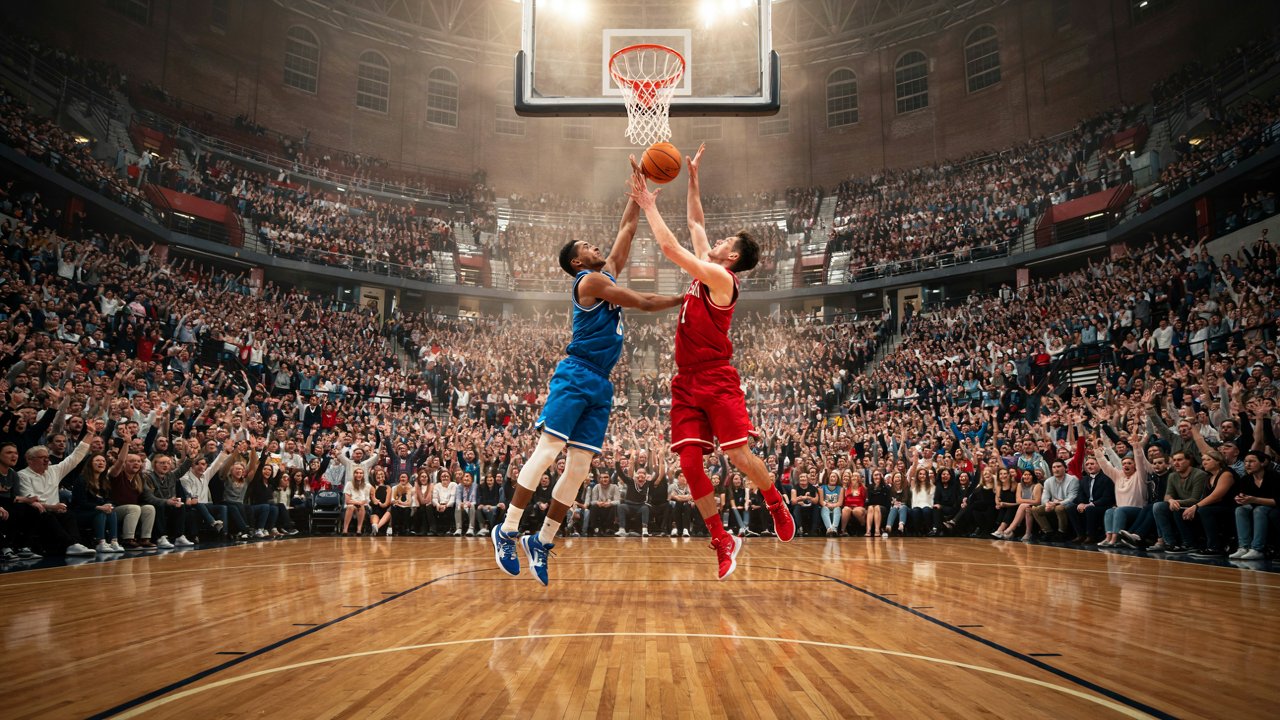
USA Competes with Canada, Spain and France for Basketball Tourism Attention as NBA Cup 2026 Builds Excitement.The Emirates NBA Cup 2026, scheduled from 30 October to 11 December 2026, will bring together all 30 NBA franchises from the United States and Canada, creating a major opportunity for basketball tourism, international travel and urban hospitality growth. The tournament will feature group-stage competitions across North American cities, followed by knockout rounds and a championship final at Hinkle Fieldhouse in Indianapolis, Indiana, on 11 December.
Leading teams, including the Los Angeles Lakers, Boston Celtics, Golden State Warriors, New York Knicks and Toronto Raptors, will compete in a format designed to generate excitement during the regular season. International basketball stars representing countries such as Serbia, Slovenia, Greece, France and Canada add to the competition’s global appeal. The event is expected to create opportunities for hotel bookings, airline travel, restaurants, local transport and entertainment businesses across participating cities. Indianapolis could particularly benefit from championship-related visitors exploring its sporting heritage, cultural attractions and downtown hospitality establishments.
Beyond North America, the tournament highlights the growing international appeal of basketball cup competitions, with Spain, Italy, France, Türkiye and Greece operating established domestic tournament formats. The NBA Cup therefore represents both a major sporting competition and a platform for promoting urban sports tourism.
Where Does This Event Take Place and Who Is Participating?
The tournament follows a two-stage operational framework combining distributed home-market arena fixtures with a centralized championship showcase:
Advertisement
Advertisement
- Group Play and Knockout Rounds: Preliminary group-stage games (staged on Tuesdays and Fridays between October 30 and late November), alongside the Quarterfinals (December 4–5) and Semifinals (December 8–9), are hosted directly on home courts across major metropolitan markets. Premier venues include TD Garden (Boston), Barclays Center and Madison Square Garden (New York), Crypto.com Arena and Intuit Dome (Los Angeles), Chase Center (San Francisco), Scotiabank Arena (Toronto), United Center (Chicago), and American Airlines Center (Dallas).
- The Indianapolis Championship Game: The tournament final takes place on Friday, December 11, 2026, in Indianapolis, Indiana, hosted at the historic Hinkle Fieldhouse (with surrounding civic activations coordinated through Gainbridge Fieldhouse and downtown Indianapolis).
- Participating Franchises: All 30 NBA teams participate across six drawn groups (three Eastern Conference and three Western Conference groups of five teams each). Marquee contenders include the Boston Celtics, New York Knicks, Los Angeles Lakers, Golden State Warriors, Oklahoma City Thunder, Denver Nuggets, Milwaukee Bucks, Dallas Mavericks, Minnesota Timberwolves, and the Toronto Raptors.
- Global Superstar Representation: The rosters feature over 125 international players from more than 40 nations, spotlighting global headline stars such as Nikola Jokić (Serbia), Luka Dončić (Slovenia), Giannis Antetokounmpo (Greece), Shai Gilgeous-Alexander (Canada), and Victor Wembanyama (France).
How Has In-Person Attendance Tracked Over the Last Five Years?
Audited box-office records demonstrate continuous post-pandemic growth in attendance velocity, with the introduction and maturation of the NBA Cup in 2023 acting as a major catalyst for record regular-season turnouts:
| NBA Season Edition | Aggregate Regular-Season Attendance | Average Attendance Per Game | Arena Capacity Sold | Audited Operational & Staging Dynamics |
| 2021–22 | ~17,124,000 | 17,184 | 91.2% | Post-pandemic venue reopening under civic health guidelines; initial domestic crowd return. |
| 2022–23 | 22,234,502 | 18,077 | 97.0% | Surpassed 22 million total spectators; record 791 arena sellouts across North America. |
| 2023–24 | 22,538,518 | 18,324 | 98.2% | Inaugural NBA In-Season Tournament debut; set all-time regular-season box-office benchmarks. |
| 2024–25 | ~22,300,000 | 18,147 | 97.4% | Emirates brand integration; in-season tournament group-night attendance up 8% over baselines. |
| 2025–26 | ~22,450,000 | 18,255 | 97.8% | Peak regular-season turnstile revenue; November Tournament Nights achieved 99.1% capacity. |
Which Other Countries Have This Same In-Season Tournament Format?
USA Leads Canada and France into Basketball Tourism Spotlight as NBA Cup 2026 Ignites Indianapolis.While the NBA Cup represents the highest-profile commercial in-season tournament in North American professional team sports, sovereign basketball leagues across Europe, Asia, and Latin America have long utilized identical cup traditions:
Advertisement
Advertisement
- Spain (Copa del Rey de Baloncesto): Organized by Liga ACB, Spain’s iconic mid-season tournament brings the top eight domestic clubs together in a single host city over four days, serving as the cultural archetype for the NBA’s in-season model.
- Italy (Coppa Italia di Pallacanestro): Organised by the Lega Basket Serie A (LBA), gathering Italy’s top eight regular-season teams into an arena knockout showcase each February.
- France (Leaders Cup): Operated by LNB Pro A at arenas like the Arena Futuroscope, bringing France’s top basketball clubs into a high-intensity mid-season trophy playoff.
- Turkey & Greece (Turkish Cup & Greek Cup): High-stakes knockout tournaments staged at municipal arenas, featuring EuroLeague powerhouses such as Panathinaikos, Olympiacos, Fenerbahçe, and Anadolu Efes.
- Philippines (PBA Philippine Cup): A foundational conference tournament in the Philippine Basketball Association featuring exclusively domestic players competing without foreign imports.
Which Region of Travelers Visits This Event Most?
Visitor flow analytics monitored in coordination with the U.S. Department of Commerce – International Trade Administration (Trade.gov) identify three core demographic corridors:
- Domestic Interstate Highway & Rail Corridors (65%+ of Turnout): Regional drive-market spectators residing within a 2-to-5-hour radius account for the majority of non-local ticket holders during group stages. For the Indianapolis Championship, high volumes commute along Interstates 65, 70, 69, and 74 from Chicago, Cincinnati, Louisville, Columbus, and St. Louis.
- National Long-Haul Flight Corridors (22% of Attendance): Hardcore basketball followers fly into tournament markets and Indianapolis International Airport (IND) from major media markets—predominantly New York, Los Angeles, Miami, Dallas, and Atlanta—booking two- to three-night hotel stays.
- International Basketball Tourists (13% of Arrivals): Overseas attendees arrive from Western Europe (France, Spain, Germany, the UK), Canada, and Latin America (Mexico, Brazil), alongside Asia-Pacific delegations traveling on specialized sports-tourism itineraries.
Which Country Benefits Most and How Are Tourism and the Economy Impacted?
The United States—alongside host cities like Indianapolis and regional gateway markets—stands as the primary fiscal and economic beneficiary of the event:
┌────────────────────────────────────────────────────────────────────────┐
│                   MUNICIPAL ECONOMIC & TOURISM FOOTPRINT               │
├───────────────────────────────────┬────────────────────────────────────┤
│       DIRECT HOSPITALITY          │       COMMERCIAL & CIVIC TAX       │
├───────────────────────────────────┼────────────────────────────────────┤
│ • $70M–$90M estimated cumulative  │ • Indianapolis downtown hotel      │
│   spend across lodging, food &    │   occupancy climbs to 88%–94% over │
│   beverage, retail, and transit.  │   Championship weekend.            │
│                                   │                                    │
│ • Premium visitor profile:        │ • Elevated local food/beverage and │
│   sports tourists spend 30%–35%   │   innkeeper tax collections bolster│
│   more per day than casual peers. │   civic general fund receipts.     │
└───────────────────────────────────┴────────────────────────────────────┘
- Direct Counter-Cyclical Hospitality Spending: According to tourism expenditure benchmarks from the U.S. Department of Commerce – International Trade Administration (Trade.gov) and output multipliers tracked by the U.S. Bureau of Economic Analysis (BEA.gov), sports event travelers spend approximately 30% to 35% more per day than standard leisure visitors. The multi-week tournament injects an estimated $70 million to $90 million in direct and indirect consumer transactions across dining, retail, entertainment, and urban transport.
- Hotel Compression and ADR Elevation: During Group Play nights, arenas in major metropolitan centers generate mid-week occupancy lifts of 5% to 8%. For the Final in Indianapolis, hotels throughout Mile Square, Wholesale District, and along the Indianapolis Cultural Trail record weekend occupancy rates of 88% to 94%, elevating Average Daily Rates (ADR) during a key pre-holiday shoulder window.
- Municipal Infrastructure and Tax Retention: Host municipalities leverage existing arena infrastructure and public transport arteries without issuing new municipal debt bonds. Ticket surcharges, meals taxes, and county innkeeper revenues flow directly into municipal accounts, supporting public services and destination marketing initiatives.
USA and Canada Strengthen Their Global Basketball Tourism Appeal Through NBA Cup 2026
USA Leads Canada and France into Basketball Tourism Spotlight as NBA Cup 2026 Ignites Indianapolis.The Emirates NBA Cup 2026 demonstrates how professional basketball can connect international sporting competition with tourism development, hospitality spending and destination marketing. By involving 30 teams across the United States and Canada, the tournament creates opportunities for multiple cities to attract visiting supporters, encourage short leisure trips and strengthen their entertainment economies during the autumn and early winter travel seasons.
The championship final in Indianapolis on 11 December 2026 is especially significant because it brings a major NBA event to the historic Hinkle Fieldhouse, a venue closely associated with Indiana’s basketball heritage. Its selection also presents opportunities for the city to promote local attractions, restaurants, accommodation and basketball-related visitor experiences.
Meanwhile, comparable basketball cup competitions in Spain, Italy, France, Türkiye and Greece illustrate how tournament formats can support sporting traditions and attract travelling supporters. As basketball continues to engage international audiences, the NBA Cup could strengthen North America’s reputation for world-class sporting experiences.
Ultimately, the United States is positioned to receive the largest share of the tournament’s potential tourism benefits, while Canada participates through the Toronto Raptors and its international basketball audience. However, the precise economic impact will depend on actual visitor numbers, hotel performance and spending. The event offers a promising opportunity for Indianapolis and other NBA host cities to turn competitive basketball into wider tourism and hospitality growth.
Advertisement
