

FHS Dubai 2026 Envisages Tourism Boom Due to New Developments Across Major Projects like IHG Hotels and Resorts, Mövenpick Grand Al Bustan and Others

Published
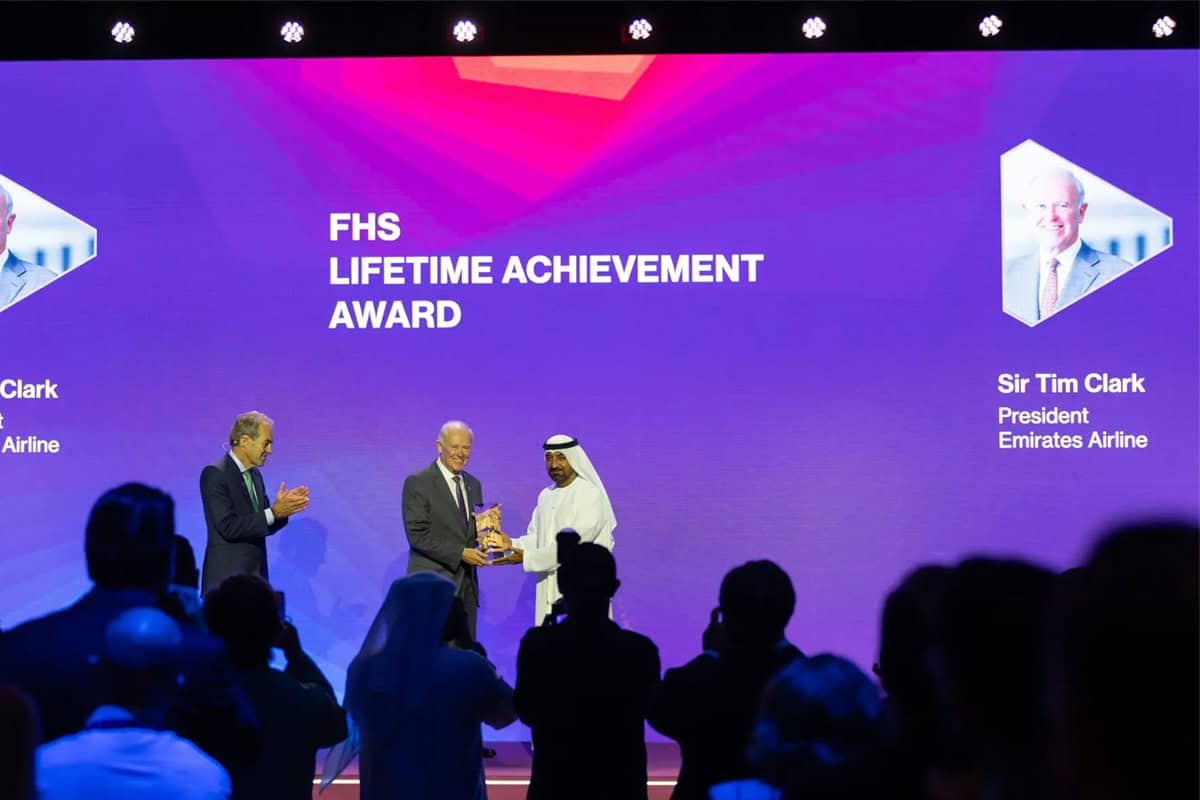
The global travel landscape is witnessing an unprecedented transformation driven by GCC hospitality sector expansion, as sovereign investment strategies and private capital reshape regional tourism infrastructure. Unveiled during the prestigious Future Hospitality Summit World 2026 in Dubai, the latest official data confirms that Middle Eastern destinations are accelerating premium hotel room development at record rates. Driven by national vision programmes, strategic international brand partnerships, and robust economic diversification agendas, this evolution redefines global commercial real estate benchmarks. Understanding these verified official figures is critical for global investors, corporate policymakers, and industry leaders navigating the Middle East’s rapidly growing asset management economy.
Background and Strategic Context of Gulf Hospitality
Historical Baseline of GCC Tourism Investments
Over the past decade, the Gulf Cooperation Council (GCC) member states—comprising the United Arab Emirates, Kingdom of Saudi Arabia, State of Qatar, Sultanate of Oman, Kingdom of Bahrain, and State of Kuwait—have systematically repositioned their national economies away from oil dependency. Tourism, travel, and commercial real estate have consistently served as the foundational pillars of this economic transition.
Advertisement
Advertisement
Historically, hotel developments across the Arabian Peninsula were predominantly concentrated around primary metropolitan trading hubs and religious pilgrimage sites. However, concerted institutional reforms, massive transport infrastructure upgrades, and liberalised visa policies—including the unified GCC tourist visa framework—have transformed the regional market into a global magnet for institutional investment and leisure travel.
┌─────────────────────────────────────────────────────────────────────────┐
│              GCC HOSPITALITY EXPANSION MILESTONES (2026–2030)            │
├────────────────────────────────┬────────────────────────────────────────┤
│ Total Regional Pipeline Value  │ US$90.0 Billion                        │
│ Projected New Key Deliveries   │ 126,000 Rooms by 2030                  │
│ Total GCC Inventory Target     │ 616,000 Hotel Keys by 2030             │
│ Current UAE Hotel Key Inventory│ 212,135 Rooms (as of August 2026)      │
│ Dubai Hotel Key Inventory      │ 151,380 Rooms (71.3% of UAE Total)     │
│ UAE H1 2026 Sector Revenues    │ AED 26.0 Billion (+6.3% YoY)           │
└────────────────────────────────┴────────────────────────────────────────┘
Paradigm Shift: Vision 2030 and UAE Tourism Strategy 2031
The acceleration of the Middle East tourism market is governed by targeted national strategic plans. In the United Arab Emirates, the national UAE Tourism Strategy 2031 sets a clear target to raise the tourism sector’s contribution to national Gross Domestic Product (GDP) to AED 450 billion (approximately US$ 122.5 billion) by 2031. The strategy aims to attract 40 million hotel guests annually while securing AED 100 billion in additional tourism investments.
Advertisement
Advertisement
Simultaneously, the Kingdom of Saudi Arabia’s Saudi Vision 2030 hospitality development strategy has allocated hundreds of billions of dollars toward giga-projects, urban infrastructure, and cultural heritage sites. KSA’s updated tourism target mandates welcoming 150 million domestic and international visitors annually by 2030, sparking an unprecedented construction pipeline across Riyadh, Jeddah, the Red Sea coast, and Holy Cities.
Future Hospitality Summit World 2026: Key Developments
Overview of FHS World 2026 in Dubai
Held at the Madinat Jumeirah Conference & Events Centre in Dubai, United Arab Emirates, from September 29 to October 1, 2026, the Future Hospitality Summit World 2026 served as the premier central transaction platform for regional and global hospitality investment decision-makers. Organised by global event firm The Bench, the milestone gathering convened high-level delegations, sovereign wealth managers, government ministers, property developers, and international operators.
Advertisement
Advertisement
The 2026 edition focused heavily on capital deployment efficiency, branded residential living, artificial intelligence integration, and cross-border public-private partnerships across the Middle East, Africa, and Eurasia.
High-Level Delegate Engagement and Asset Management Scale
Official figures released by the summit secretariat confirmed unprecedented global participation:
- Delegates and Global Reach: Over 1,000 decision-makers representing more than 50 countries assembled across the three-day forum.
- Capital Under Management: More than 200 accredited global institutional investors managing a combined asset portfolio exceeding US$ 6 trillion participated in executive deal-making sessions.
- Thought Leadership: Over 170 C-suite executives, government officials, and market analysts delivered keynotes and panel evaluations addressing the commercial real estate investment outlook.
Major Corporate Signings and Regional Portfolio Expansions
Aleph Hospitality Secures Mövenpick Grand Al Bustan Landmark
In one of the most prominent transaction announcements at FHS World 2026, independent hotel management company Aleph Hospitality formally signed a landmark management agreement for the iconic Mövenpick Grand Al Bustan. Situated in immediate proximity to Dubai International Airport (DXB), the five-star property represents a major strategic addition to Aleph’s third-party management portfolio.
This signing underlines a rapid growth trajectory for Aleph Hospitality, which revealed during the summit that it has signed nine management contracts year-to-date in 2026, adding over 1,300 keys to its operational and pipeline inventory across the region.
IHG Hotels & Resorts Introduces Garner Hotels to the UAE Market
Multinational hospitality giant IHG Hotels & Resorts announced the formal UAE launch of its midscale conversion brand, Garner Hotels. Designed to capture the growing hospitality asset management demand for high-quality, flexible midscale conversions, Garner allows independent hotel owners to join IHG’s global sales engine and loyalty framework with lower capital expenditure requirements.
This strategic entry addresses an accelerating structural shift in the GCC market: while luxury properties remain dominant, institutional investors are increasingly diversifying into midscale and conversion assets to capture rising intra-regional business and budget travel flows.
Advertisement
Advertisement
Accor Accelerates Property Footprint Across UAE and Iraq
French hospitality operator Accor unveiled brand-new strategic partnerships during FHS World 2026 to expand its presence across secondary and emerging regional urban centers:
- CITYVIEW Developments: A joint venture aiming to introduce premium lifestyle hospitality offerings and branded residences into high-growth urban districts in Dubai.
- KRD Holding Partnership: Strategic development agreements focused on constructing international-standard hotel properties across key commercial hubs in Iraq, satisfying expanding corporate travel demands.
Knowledge Economic City Finalises Major Real Estate Brokerage Deals in Madinah
Saudi Arabia-listed Knowledge Economic City (KEC) leveraged FHS World 2026 to sign two exclusive master brokerage agreements with Keller Williams Saudi Arabia and RE/MAX Smart Concept.
These agreements govern the international and domestic marketing and sales of approximately 368 premium residential units within the landmark Al Alyaa project in Madinah. The multi-use development incorporates residential, retail, healthcare, and hospitality components, positioned to capitalise on Saudi Arabia’s expanded pilgrimage infrastructure and non-Saudis real estate ownership regulations.
Radisson Hotel Group Expands Branded Residences and Extended-Stay Inventory
Radisson Hotel Group confirmed a significant acceleration of its pipeline across the Middle East and Northeast Africa (MEA) region. Radisson’s strategic focus centers heavily on two fast-growing asset classes:
- Branded Residences Market: High-margin residential developments integrated with international hotel management and luxury amenities.
- Extended-Stay Hotel Market: Serviced apartments and long-stay suites tailored for corporate relocations, technology professionals, and long-term business travelers.
GCC Hospitality Pipeline and Market Intelligence Analytics
Insights from the Cavendish Maxwell GCC Hospitality Report
A major highlight of FHS World 2026 was the official release of the comprehensive Cavendish Maxwell GCC Hospitality Report. The authoritative industry publication provides verified statistical projections regarding room supply, pipeline density, and regional growth vectors leading up to 2030.
┌─────────────────────────────────────────────────────────────────────────┐
│           GCC HOTEL ROOM SUPPLY: CURRENT VS 2030 PROJECTIONS            │
├───────────────────────────────┬───────────────────┬─────────────────────┤
│ Region                        │ August 2026 Supply│ Projected 2030 Supply│
├───────────────────────────────┼───────────────────┼─────────────────────┤
│ Total GCC Supply              │ 490,000 Keys      │ 616,000 Keys        │
│ Total Pipeline Additions      │ --                │ 126,000 Keys (+25.7%)│
│ United Arab Emirates (Total)  │ 212,135 Keys      │ ~245,000 Keys       │
│  └─ Dubai Sub-Market          │ 151,380 Keys      │ ~175,000 Keys       │
│ Kingdom of Saudi Arabia       │ ~185,000 Keys     │ ~260,000 Keys       │
│ Other GCC Members             │ ~92,865 Keys      │ ~111,000 Keys       │
└───────────────────────────────┴───────────────────┴─────────────────────┘
Room Inventory Projections Across Key Regional Markets
The report confirms that the GCC is on track to deliver approximately 126,000 new hotel rooms by 2030. This pipeline will expand the overall hotel key supply across the six member nations from roughly 490,000 operational rooms to approximately 616,000 keys—representing an inventory growth of over 25%.
Advertisement
Advertisement
- Saudi Arabia: Represents the single largest contributor to the regional pipeline, accounting for more than 55% of all under-construction hotel keys across the GCC.
- United Arab Emirates: Maintains the largest existing market share of operational hotel keys, boasting 212,135 completed rooms as of August 2026. Dubai accounts for the majority with 151,380 operational keys.
Capital Deployment: The US$ 90 Billion Hotel Construction Pipeline
According to official event briefing documents, the total value of active hotel construction, planning, and development projects across the GCC and North Africa region stands at US$ 90 billion. This massive capital commitment will expand the combined room inventory across the Middle East and North Africa by 27%.
Government Announcements and Public Policy Frameworks
UAE Ministry of Economy Performance Benchmark and Revenue Milestones
Official government figures published by the UAE Ministry of Economy highlight remarkable sector resilience and performance:
- Total Hotel Revenue: Operational hotel revenues across the United Arab Emirates surpassed AED 26 billion in the first half of 2026, marking a 6.3% year-on-year expansion.
- Average Occupancy Rate: UAE hotel establishments achieved an average national occupancy rate of 80.5% during H1 2026, maintaining Dubai and Abu Dhabi among the top-performing metropolitan hotel markets globally.
Commenting on the figures, UAE Minister of Economy and Tourism H.E. Abdulla bin Touq Al Marri emphasised that strong public-private sector integration continues to power national economic performance in alignment with the UAE Tourism Strategy 2031.
Saudi Arabia Vision 2030 Giga-Project Hospitality Deployments
The Saudi Ministry of Tourism and Ministry of Investment continue to push regulatory reforms to lower barriers for foreign hospitality developers. Key policy measures highlighted at FHS World 2026 include:
- Investment Enablement Program (TIEP): Streamlining land acquisition, licensing procedures, and financing options for private sector hotel projects in secondary Saudi cities.
- PropTech & Foreign Ownership Regulations: Expanded frameworks allowing international investors to purchase real estate and hospitality units within designated economic zones, including Knowledge Economic City in Madinah.
Regional Strategic Alignment with UN Tourism and Public-Private Alliances
Demonstrating global alignment, UN Tourism (formerly UNWTO) and summit organisers The Bench formalised strategic partnerships to drive targeted global tourism investment into emerging developing markets. The collaboration prioritises sustainable hospitality development, digital skills training, and institutional capital routing into Africa and the Middle East.
Economic Implications and Tourism Industry Impact
┌─────────────────────────────────────────────────────────────────────────┐
│            ECONOMIC IMPACT INDICATORS FOR GCC TOURISM SECTOR            │
├──────────────────────────────────┬──────────────────────────────────────┤
│ Metric                           │ Target Value / Official Benchmark    │
├──────────────────────────────────┼──────────────────────────────────────┤
│ UAE Tourism GDP Target (2031)    │ AED 450 Billion (~US$ 122.5B)        │
│ UAE Annual Visitor Target (2031) │ 40 Million Hotel Guests              │
│ KSA Annual Visitor Target (2030) │ 150 Million Total Visitors           │
│ GCC Active Hotel Pipeline Value  │ US$ 90 Billion Capital Allocation    │
│ Average Regional Hotel Occupancy │ 80.5% (UAE Baseline Benchmark)       │
└──────────────────────────────────┴──────────────────────────────────────┘
Direct GDP Contributions and Foreign Direct Investment Flows
The ongoing expansion of the GCC hospitality sector expansion serves as a core multiplier for macroeconomic growth. By scaling up hotel room inventory, transport capacity, and retail ecosystems, GCC economies generate high-margin tax revenues, foreign currency inflows, and non-oil GDP growth.
Advertisement
Advertisement
Foreign direct investment (FDI) into Middle Eastern commercial real estate has diversified significantly. European, Asian, and North American institutional funds are actively acquiring yield-generating hospitality assets in Dubai, Riyadh, and Ras Al Khaimah, drawn by high RevPAR (Revenue Per Available Room) metrics and tax-efficient corporate frameworks.
Labor Force Expansion and Sectoral Diversification
Hospitality growth acts as a direct catalyst for employment across construction, aviation, technology, food service, and facility management. The delivery of 126,000 new hotel rooms by 2030 is projected to create hundreds of thousands of permanent direct and indirect jobs across the region, heavily supporting national workforce localization programmes (e.g., Emiratisation and Saudization).
Public, Business, and Infrastructure Dynamics
Urban Infrastructure Integration and Airport-Adjacent Asset Performance
A critical operational trend highlighted during FHS World 2026 is the strategic clustering of hotel assets around major transit hubs. The agreement secured by Aleph Hospitality for the Mövenpick Grand Al Bustan illustrates the enduring investor demand for high-performing, airport-adjacent hospitality assets.
As regional aviation hubs—including Dubai International Airport (DXB), Al Maktoum International Airport (DWC), and King Salman International Airport in Riyadh—expand passenger capacities toward 100 million-plus travelers annually, prime hospitality assets situated within 10 minutes of terminal facilities yield consistently high occupancy rates driven by corporate transit and MICE (Meetings, Incentives, Conferences, and Exhibitions) delegates.
Experiential Travel, Longevity, and Branded Living Trends
Industry panel sessions at FHS World 2026 highlighted key operational transformations reshaping guest preferences:
- Branded Residences Integration: Real estate developers are increasingly pairing luxury residential towers with five-star hotel management brands to achieve premium sales square-footage pricing.
- Wellness and Longevity: Resort properties are integrating medical-grade wellness facilities, longevity clinics, and immersive environmental retreats to appeal to ultra-high-net-worth travellers.
- Experiential Hospitality: Major regional players, such as Modon Hospitality with its newly launched Afiniti brand, are shifting focus from destination-led stays toward experience-curated concepts tailored for families, adults-only luxury, and urban eco-resorts.
Official Statements and Industry Leader Insights
Commentary from Summit Organisers and Ministerial Leadership
Speaking at the opening of FHS World 2026, Jonathan Worsley, Chairman of The Bench, noted:
Advertisement
Advertisement
“The Future Hospitality Summit continues to serve as the definitive deal-making engine for the regional tourism investment ecosystem. Bringing together over $6 trillion in managed capital with visionary public and private sector developers allows us to concrete the strategic roadmap for the Middle East’s hospitality transformation through 2030 and beyond.”
Strategic Consensus on Selective Hospitality Capital Allocation
Despite immense growth, summit panels concluded that the current market phase represents a “more selective era” for capital allocation. Global institutional investors are increasingly prioritizing ESG-compliant infrastructure, proven operator track records, asset conversion efficiency, and strict feasibility modeling over purely speculative greenfield developments.
Future Outlook and Upcoming Global Event Milestones
Strategic Roadmap for FHS Egypt 2026
Building upon the momentum generated in Dubai, event organizers confirmed the expansion of the Future Hospitality Summit platform into crucial emerging African markets:
- Future Hospitality Summit (FHS) Egypt 2026: Scheduled to take place on November 10–11, 2026, at the Sofitel Downtown Cairo Nile.
- Focus: Channeling institutional private equity and sovereign capital into North African tourism infrastructure, coastal resort development along the Red Sea, and urban hotel refurbishments in Cairo.
Long-Term Projection: Transitioning to Wynn Al Marjan Island in 2027
Looking further ahead, The Bench officially announced that Future Hospitality Summit World 2027 will relocate its global summit venue to the landmark Wynn Al Marjan Island integrated resort in Ras Al Khaimah, UAE, in November 2027.
This transition underscores Ras Al Khaimah’s rapid emergence as a major global gaming, luxury, and leisure destination, reinforcing the broader narrative of GCC-wide hospitality diversification.
The official announcements delivered at Future Hospitality Summit World 2026 underline a transformative phase for Middle Eastern commercial real estate and travel. Driven by structural economic initiatives, massive pipeline expansion, and strategic corporate alliances, GCC hospitality sector expansion continues to set international benchmarks. With thousands of new room keys entering the development pipeline alongside expanding residential portfolios, the Gulf region is establishing an institutional-grade investment landscape. As government bodies and private operators execute long-term economic vision strategies through 2030 and beyond, the Gulf travel market remains a primary driver of global tourism capital, innovation, and sustainable infrastructure growth across markets.
Advertisement
