

Costa Rica’s Green Season Elevates Rainforest Travel, Wildlife Encounters and Affordable Holiday Experiences

Published
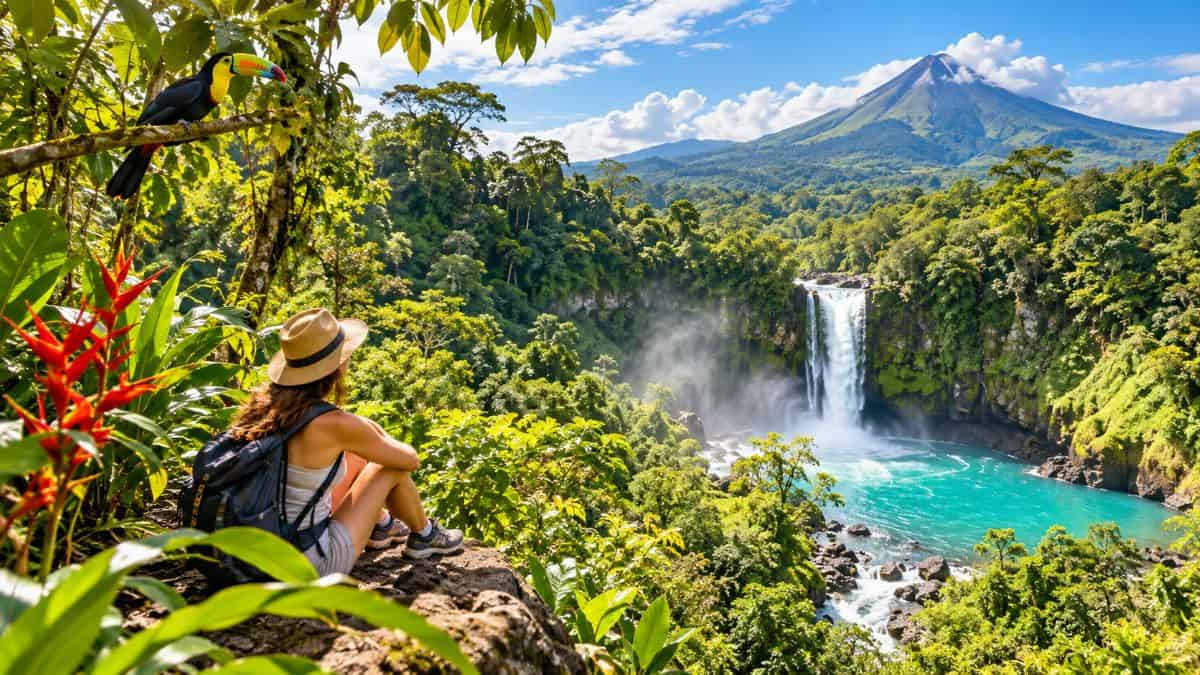
Costa Rica is attracting attention for its green season, offering travellers an alternative to the traditional dry-season holiday. Running broadly from May to November, depending on the region, this period transforms the country’s rainforests, mountains and coastal landscapes into vibrant natural environments. Although afternoon showers can influence travel plans, the season offers opportunities to explore waterfalls, observe wildlife and experience popular destinations with potentially fewer visitors. Seasonal accommodation and transport prices may also provide savings, making Costa Rica an appealing option for travellers seeking nature, adventure and value beyond conventional peak-season itineraries.
From La Fortuna and Monteverde to Manuel Antonio, the country combines rainforest walks, volcanic scenery, hanging bridges and Pacific beaches in a single journey. Late summer and early autumn can be particularly rewarding for wildlife enthusiasts, with opportunities for whale watching and sea turtle observation depending on location and seasonal conditions. Successful trips require preparation, including suitable waterproof clothing, insect repellent and flexible outdoor schedules. Travellers who understand local weather patterns and follow conservation guidance can enjoy the green season while supporting responsible tourism and protecting Costa Rica’s valuable ecosystems.
Why the Green Season Is Becoming an Attractive Travel Choice
Costa Rica’s rainy season offers a different perspective on the country’s natural attractions. Frequent rainfall nourishes dense vegetation, enhances the atmosphere of rainforest trails and replenishes rivers and waterfalls. Rather than treating wet weather solely as a disadvantage, visitors can plan activities around changing conditions and experience landscapes that appear particularly vibrant during this period.
Wildlife encounters are another important attraction. Sloths, monkeys, colourful birds and amphibians inhabit the country’s diverse ecosystems throughout the year, while certain coastal areas offer seasonal opportunities to observe whales and nesting sea turtles. Sightings are never guaranteed, and travellers should use responsible guides who maintain safe distances from animals.
Advertisement
Advertisement
The green season may also bring lower prices for flights, accommodation and car hire compared with busier periods. However, savings vary according to destination, demand, holidays and booking dates. Visitors should compare total trip costs rather than assume every property or transport service will offer a discount.
Leading Destinations for Costa Rica Rainy Season Tourism
La Fortuna, Monteverde and Manuel Antonio provide complementary experiences for travellers planning a multi-stop itinerary. La Fortuna is known for its waterfall, rainforest trails and views of Arenal Volcano. Monteverde offers cloud forest landscapes, hanging bridges and opportunities for guided canopy adventures. Manuel Antonio combines forest walks, wildlife observation and Pacific beaches.
Advertisement
Advertisement
Tenorio Volcano National Park, widely associated with the Río Celeste waterfall and river, is another notable destination. Its walking trail leads through forest towards the waterfall, although heavy rainfall can affect water clarity, trail conditions and access. Visitors should check local conditions before travelling.
Arenal-area reserves offer additional hiking opportunities, volcanic scenery and viewpoints. Lake Arenal can form part of the journey between La Fortuna and Monteverde, with transport arrangements requiring advance confirmation and flexibility when weather conditions deteriorate.
Key Green Season Experiences for International Travellers
| Destination | Main Experience | Important Consideration |
|---|---|---|
| La Fortuna | Waterfall visits, hot springs and rainforest excursions | Check trail conditions after heavy rain |
| Monteverde | Cloud forest walks, hanging bridges and ziplining | Prepare for mist, wet surfaces and changing visibility |
| Manuel Antonio | Beaches, wildlife observation and coastal trails | Follow park rules and respect animal habitats |
| Río Celeste | Forest hiking and waterfall viewpoints | Rainfall may alter river colour and trail accessibility |
| Arenal 1968 area | Volcanic landscapes and hiking routes | Choose trails appropriate to fitness and weather |
| Lake Arenal | Scenic crossings and views of Arenal Volcano | Confirm transport schedules and weather arrangements |
These destinations can be combined into an itinerary lasting several days, although journey times and road conditions should be considered when selecting accommodation. Allowing extra time between regions can reduce pressure when rain affects transport or outdoor activities.
Accommodation Options for Different Travel Styles
Costa Rica’s green season offers choices ranging from rainforest lodges to beachside resorts. In Bijagua de Upala, nature-focused accommodation can provide access to surrounding vegetation and wildlife-rich landscapes. In La Fortuna, properties near Arenal Volcano appeal to visitors interested in thermal waters, spa facilities and mountain views.
Monteverde is suitable for travellers seeking cloud forest scenery, gardens and cool mountain conditions. Manuel Antonio provides beach-oriented accommodation close to coastal attractions and protected forest areas.
Choosing a property involves more than comparing room rates. Travellers should check cancellation policies, road access during heavy rainfall, transport availability and whether outdoor facilities remain accessible in wet weather. Smaller properties may offer a more intimate experience, while larger resorts can provide additional indoor amenities when conditions restrict excursions.
Advertisement
Advertisement
Costa Rican Food Adds Another Dimension to the Journey
Local cuisine offers visitors a practical way to experience Costa Rican culture between outdoor activities. Gallo pinto, a traditional preparation of rice and beans often served with eggs, is a familiar breakfast choice. Patacones, made from flattened and fried plantains, are commonly served with accompaniments such as beans, vegetables or meat.
Ceviche is another popular option, particularly in coastal areas, although ingredients and preparation vary between establishments. Fresh fruit drinks, often listed as frescos or refrescos, provide another taste of local produce.
Travellers should consider food hygiene, dietary requirements and safe drinking water when choosing where to eat. Sampling regional dishes at established local restaurants can also help distribute tourism spending beyond accommodation and major attractions.
Practical Advice for Safer and More Responsible Travel
Preparation is essential for enjoying Costa Rica during wetter months. A lightweight rain jacket or poncho, waterproof footwear and quick-drying clothing can make outdoor activities more comfortable. Insect repellent, sun protection, a hat and swimwear are also useful because rain does not eliminate strong tropical sunshine.
Scheduling hikes and other outdoor excursions for the morning can help travellers make the most of relatively favourable conditions before possible afternoon showers. However, rainfall patterns differ across regions, so visitors should follow local forecasts and guidance rather than rely on a fixed timetable.
Hiring a properly qualified local guide can improve wildlife identification and provide valuable information about ecosystems and conservation. Visitors should remain on marked trails, avoid feeding or touching animals, carry rubbish out of protected areas and follow restrictions on food and single-use plastics. During severe weather, postponing an excursion is preferable to taking unnecessary risks.
Advertisement
Advertisement
What the Green Season Means for Costa Rica Tourism
The green season strengthens Costa Rica’s appeal as a destination for travellers interested in biodiversity, outdoor recreation and potentially more affordable holidays. It also creates opportunities for tourism businesses to attract visitors outside traditional high-demand periods.
Nevertheless, seasonal travel requires realistic expectations. Heavy rainfall can affect visibility, trail accessibility, road journeys and some outdoor activities. Prices and visitor numbers also vary, while wildlife encounters depend on natural conditions rather than guaranteed schedules.
For tourism operators, responsible planning means providing accurate information about weather-related limitations, supporting local guides and protecting sensitive environments. For visitors, flexibility and respect for conservation rules can help create a more rewarding experience while contributing to the long-term sustainability of Costa Rica’s tourism industry.
Frequently Asked Questions
1. When Is Costa Rica’s Green Season?
The green season generally runs from May through November, although its timing and rainfall patterns vary across the country.
2. Is Costa Rica Worth Visiting During the Rainy Season?
Advertisement
Advertisement
Yes. Visitors can experience lush rainforests, impressive waterfalls, wildlife encounters and potentially quieter attractions, provided they prepare for wet weather.
3. Does It Rain All Day in Costa Rica During the Green Season?
Not necessarily. Rain often arrives in the afternoon or evening in some areas, but conditions differ by region and day.
4. Which Places Are Best for Green Season Tourism?
La Fortuna, Monteverde, Manuel Antonio, Tenorio Volcano National Park and the Arenal region offer varied combinations of rainforest, beaches, waterfalls and volcanic scenery.
5. Can Travellers See Whales During the Green Season?
Advertisement
Advertisement
Certain coastal areas offer whale-watching opportunities during parts of the green season, particularly in late summer and early autumn. Sightings depend on location and natural migration patterns.
6. Is Costa Rica Cheaper During the Rainy Season?
Flights, accommodation and car hire may cost less during some periods, but prices depend on demand, destination, holidays and booking conditions.
7. What Should Visitors Pack for Costa Rica’s Green Season?
A rain jacket, waterproof walking shoes, quick-drying clothing, insect repellent, sunscreen, a hat and swimwear are useful essentials.
8. Is Hiking Safe During the Green Season?
Advertisement
Advertisement
Hiking can be enjoyable when trails are open and conditions are suitable. Visitors should check local advisories, avoid flooded routes and follow qualified guides’ instructions.
9. Is Costa Rica Suitable for Families During the Green Season?
Yes. Families can enjoy accessible trails, wildlife experiences, scenic journeys and suitable accommodation, provided activities match children’s ages and weather conditions.
10. How Can Travellers Support Sustainable Tourism in Costa Rica?
Visitors can hire qualified local guides, respect protected-area regulations, avoid disturbing wildlife, reduce waste and support locally owned accommodation and restaurants.
Advertisement
