

United States Holidaymakers Get a Border Wake Up Call as Europe’s EES Takes Hold

Updated
Published
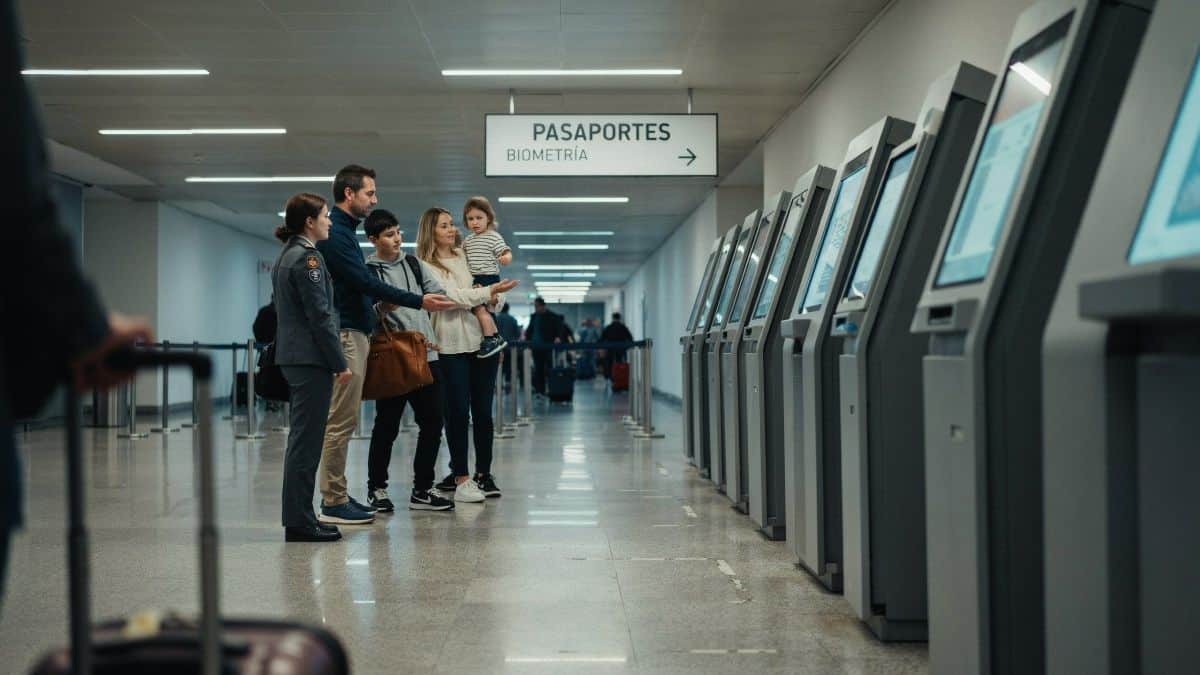
The US holidaymakers receive a definite border wake-up call from Europe’s EES becoming applicable to 29 participating states. EES will collect biometric data of non-EU citizens who qualify as travelers with digital data, face recognition and fingerprints on crossing an external border. It follows that American citizens might get through the biometric control upon their entry, but the Schengen intra-travel rules are other. Besides, Spain has informed about the temporary border checks in some flights and sea voyages to Italy from 8 to 22 October, but this measure is not applied to all American citizens coming to Europe. In turn, the upcoming ETIAS travel authorization of Europe is not launched, and there is no need for travelers to apply for ETIAS now. It is recommended for visitors to refer to the official information and follow the rules for the chosen routes to avoid any troubles.
Spain’s Border Notice Has a Narrow Route
Spain’s temporary border measure is limited by both date and route. It runs from 8 to 22 October 2026 and covers Spain’s internal air and sea borders with Italy. The notice cites concerns about public policy, internal security and migration movements within the Schengen area. It does not describe a blanket closure of Spain’s borders.
That distinction matters to an American tourist. A direct flight from the United States to Madrid or Barcelona crosses an external Schengen border. A flight or ferry from Spain to Italy crosses an internal Schengen border. Spain’s notice concerns the latter routes. Travellers connecting through Italy, or adding an Italian island or coastal stop, should check with their carrier for current instructions. The notified control is temporary. It does not mean that every passenger will face the same process at every crossing.
Europe’s Digital Border System Is Already Operating
The Entry/Exit System, known as EES, is now fully operational at the external borders of the 29 European countries that use it. It began operating in stages in October 2025 and reached full operation on 10 April 2026. It records covered non-EU visitors’ entry and exit details digitally, including passport information, facial images and fingerprints. It replaces passport stamps for those travellers.
Advertisement
Advertisement
For US citizens visiting participating countries for a short stay, EES is a border registration process. It is not a visa and does not require a separate fee or an application before travel. US travellers’ biometric and passport details are collected when they enter an EES country. Travellers should still allow time at the airport, as processing can depend on the location and the flow of arriving passengers.
ETIAS Is Not Yet a Requirement
EES and ETIAS are often mentioned together, but they are different systems. EES records border crossings. ETIAS is a planned pre-travel authorisation for visa-exempt visitors to 30 European countries. As of 10 October 2026, ETIAS is not operating and is not collecting applications. The EU says it will announce the launch date several months before the system begins.
Advertisement
Advertisement
This is an important update for Americans planning a European holiday. US citizens do not currently need an electronic authorisation for the Schengen Area. Some older pages still mention an anticipated ETIAS launch window. For the current position, travellers should use the latest EU operational notice. No one should pay an unofficial website for an ETIAS application while the official system is not accepting applications.
The Schengen 90-Day Limit Still Shapes Longer Holidays
A short-stay visit to the Schengen Area generally remains limited to 90 days in any 180-day period. The limit applies across the area, rather than giving a visitor a fresh allowance every time they move from one member country to another. A US traveller who spends time in Spain, then France and Italy, needs to count the full stay across those destinations.
The temporary Spain–Italy checks do not replace that stay rule. Nor do they create a new visa requirement for US visitors. They concern specified internal routes during a notified period. Travellers with a longer itinerary should keep a clear record of entry and exit dates and check the European Commission’s short-stay calculator if they are unsure how the days add up.
The United States Will Raise the ESTA Fee on 16 October
The United States has a separate change for travellers entering under its Visa Waiver Programme. The approved ESTA fee will rise to US$40.62 from 16 October 2026. The current fee is US$40.27, so the increase is 35 cents. If an application is denied, the processing charge will be US$10.62. The new amount is scheduled to take effect six days after the research cut-off used for this report.
ESTA applies to eligible visitors travelling under the Visa Waiver Programme. It is not a general fee paid by all US citizens when they leave the country, and it is not a charge for entering Europe. The programme allows eligible nationals to visit the United States for tourism or business for up to 90 days, subject to its requirements. Travellers should apply through the official ESTA system and confirm the current fee before submitting an application.
Road Trips Can Bring a Separate US Border Record
A visitor who flies to the United States and then takes a road trip to Canada or Mexico may encounter different document rules on the return journey. Some non-US travellers who are legally required to obtain a US Form I-94 at a land border must apply for that record. The total land-border I-94 fee is US$30. The fee does not apply in the same way to air or sea arrivals, where travellers are not required to submit that land-border application.
Advertisement
Advertisement
This is not a charge for every person crossing a land border. It applies to travellers who need the I-94 record. ESTA and I-94 also serve different roles. ESTA is travel authorisation for eligible Visa Waiver Programme visitors. I-94 records the terms of admission for travellers who must have it. Readers should check which rules match their citizenship, visa status and route.
A Canada Stop Can Change the Paperwork
Canada’s entry requirements depend on nationality, travel documents and the way a person arrives. For citizens of countries that require an electronic travel authorisation, an eTA is generally needed to board a flight to Canada. The same travellers do not need an eTA when arriving by car, bus, train or boat, though they still need a valid passport. Canada’s eTA costs CAN$7, and some applications can take longer than a few minutes to process.
That creates a useful comparison for an overseas visitor planning a North American trip. A flight from New York to Toronto can require an eTA for a traveller whose nationality is on Canada’s eTA list. The same traveller arriving in Canada by road from the United States follows a different eTA rule. The mode of travel can change the paperwork, but it does not remove the need to meet Canada’s entry requirements.
US Permanent Residents Have Their Own Canada Rules
A US green card does not make its holder a US citizen. Canada gives US lawful permanent residents a separate set of document instructions. When travelling to Canada by air, they need a valid passport or accepted travel document from their country of nationality, as well as a valid US permanent resident card or other accepted proof of status. Canada exempts US permanent residents from its eTA requirement.
This distinction can matter for families travelling together. One person may travel on a US passport, while another has a passport from a different country and a US green card. Their Canadian entry documents may differ, even though they live at the same address and take the same flight. Travellers should check requirements for each person rather than assuming that one family member’s documents cover everyone.
A US ESTA Does Not Automatically Cover Mexico
Mexico is another separate border decision. A US ESTA is not a US visa and cannot be used by itself to claim Mexico’s visa exemption for holders of qualifying foreign visas. Whether a person needs a Mexican visa depends on their nationality and whether they meet another recognised exemption.
Advertisement
Advertisement
This matters to visitors who add Mexico to a US holiday. An approved ESTA does not automatically settle entry to the next country. A traveller may qualify for visa-free entry on the basis of their passport or another qualifying document, but the US authorisation alone is not enough. Before booking a US–Mexico side trip, visitors should check Mexican requirements for their own nationality and travel documents.
A Short Side Trip Does Not Restart a US Stay
Visitors admitted to the United States under the Visa Waiver Programme can generally take a short trip to Canada, Mexico or a nearby island and return for the balance of their original 90-day admission period. That side trip does not normally create a fresh 90-day allowance. Travellers should count the time spent on the full itinerary.
For example, someone who spends most of an authorised stay in the United States cannot assume that a weekend in Canada resets the clock. The return trip usually falls within the original admission period. This rule is distinct from Europe’s Schengen 90-days-in-180-days calculation. Both systems have day limits, but travellers must apply each one to the relevant region and itinerary.
US Biometric Checks Focus on Foreign Nationals
The United States also has a biometric entry and exit framework. A Department of Homeland Security rule took effect on 26 December 2025. It allows officials to require photographs of foreign nationals entering or leaving the country and permits other biometric collection from non-exempt travellers. The rule expanded the legal framework beyond the earlier pilot-programme and port limitations.
US citizens can ask for an alternative identity check instead of facial comparison. The rule treats lawful permanent residents as foreign nationals for its purposes. It also recognises that implementation varies between travel settings, so the rule should not be read as proof that every crossing uses the same technology or process. Travellers concerned about what they will encounter should check current guidance from their carrier and the relevant port.
The Real Change Is a More Complicated Itinerary
Travelers from the United States receive a wake-up call at the borders due to the introduction of the EES system in Europe. There are currently several systems which define a single trip. The recent announcements have not brought any global rule. In contrast, Spain implements temporary checks on specified air and sea routes with Italy. The EES system keeps track of eligible travelers at European external borders; the ETIAS system is not active at the moment. Starting from 16 October, the United States increases the approved fee for ESTA. Thus, traveling in one holiday may be associated with different requirements and checks. A direct flight to Spain, a ferry to Italy, a flight to Toronto and a car ride back to the United States will result in different border procedures. It is necessary to find out the relevant requirements in accordance with the passport, resident status, means of transportation and dates of travel.
Advertisement
