
Amsterdam Unites with Barcelona and More European Cruise Destinations Now Limiting Capacity

Published
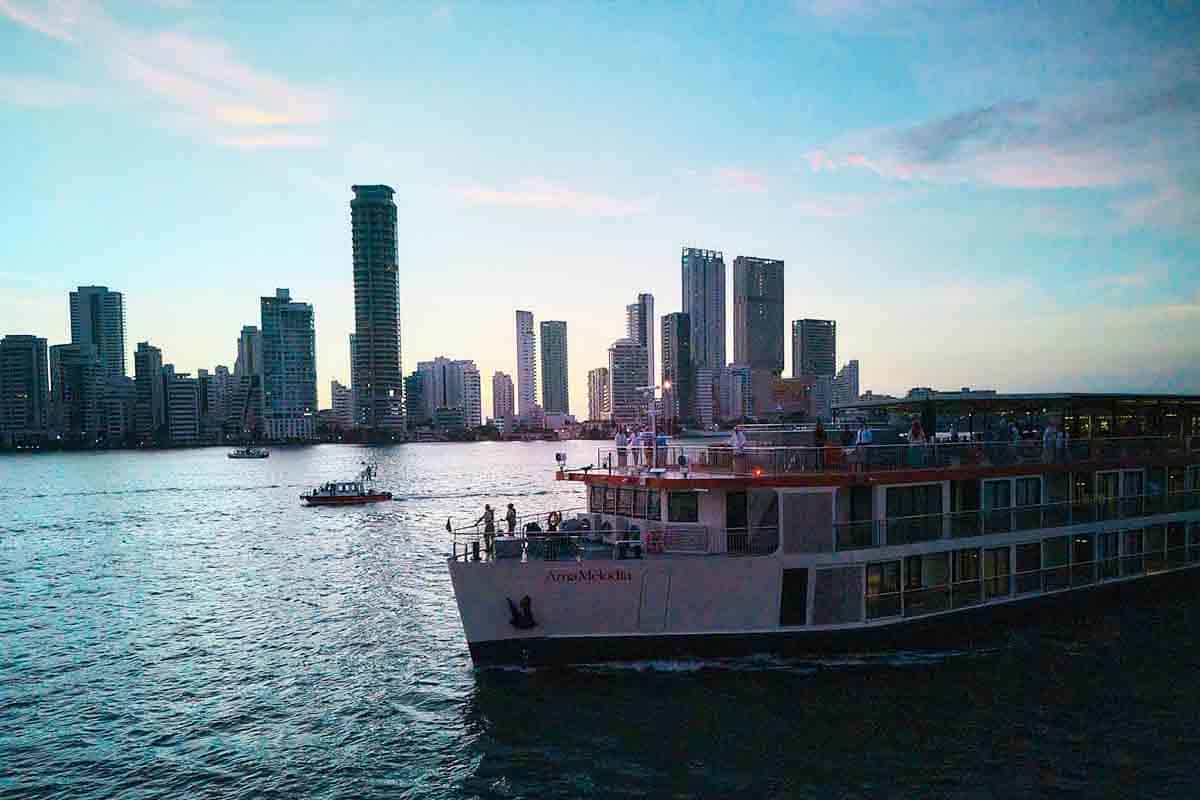
Amsterdam now unites with Barcelona and more European cruise destinations as cities limit cruise capacity. New passenger, ship and port controls are reshaping Europe’s cruise landscape fast.
Amsterdam unites with Barcelona and more European cruise destinations as cruise capacity comes under tighter control. Across Europe, cities are changing how cruise ships arrive, how many passengers they can handle, and when vessels can call. Meanwhile, Amsterdam is limiting ocean-cruise calls, while Barcelona is reshaping its terminal infrastructure.
Advertisement
Advertisement
Venice, Dubrovnik, Palma de Mallorca, Cannes and Santorini are also using different measures to manage cruise pressure. As a result, cruise lines face a changing operating environment. However, these moves do not represent a single European cruise ban. Instead, cities are seeking to balance tourism demand, infrastructure, local communities and the long-term sustainability of cruise destinations.
European cruise tourism is facing a structural change as several major destinations move to control the number, size and timing of cruise ships arriving at their ports.
Advertisement
Advertisement
From Amsterdam’s annual limit on ocean-cruise calls to Venice’s restrictions on large ships entering its historic waterways, authorities are increasingly treating cruise capacity as something that must be actively managed rather than expanded without limits.
The shift is particularly visible across the Mediterranean, where destinations such as Barcelona, Dubrovnik, Palma de Mallorca, Cannes and Santorini are introducing different forms of capacity control. These policies do not all amount to cruise bans; instead, they represent a growing effort to manage visitor concentration, protect historic areas, reduce pressure on infrastructure and change the pattern of cruise arrivals.
Advertisement
Advertisement
For cruise lines, the implications are significant. Itineraries increasingly have to account for berth availability, daily passenger ceilings, ship dimensions and seasonal restrictions. For passengers, meanwhile, these changes could eventually mean fewer mega-ship calls at some famous destinations, more use of alternative ports and greater emphasis on smaller or premium vessels.
Why Are European Cruise Destinations Limiting Capacity?
The central issue is concentration. A large cruise ship can bring several thousand visitors into a destination within a short period, creating sudden pressure on roads, attractions, public transport, waterfronts and historic districts.
Advertisement
Advertisement
European ports are responding in different ways because their physical circumstances are different. Some destinations have limited harbour space, while others are dealing with historic centres that were not designed for today’s cruise volumes. Consequently, there is no single European cruise-capacity policy.
Amsterdam is restricting annual calls. Venice has focused on ship size and access to sensitive waterways. Dubrovnik and Santorini have concentrated on passenger numbers, while Palma and Cannes have introduced measures aimed particularly at managing large ships and peak-day volumes.
The result is an increasingly fragmented cruise landscape in which cruise companies must understand individual destination rules rather than relying on traditional port capacity assumptions.
“Europe’s evolving approach to cruise capacity reflects an important moment for the global travel industry. Amsterdam, Barcelona and other leading European cruise destinations are demonstrating that the future of cruising will increasingly depend on thoughtful destination management, responsible infrastructure planning and stronger coordination between ports, cities and cruise companies. Capacity controls can create challenges for operators, but they can also encourage innovation, better visitor distribution and more sustainable tourism models. The industry should view these developments as an opportunity to develop smarter itineraries, diversify port networks and create higher-quality experiences for travellers and local communities. As European destinations refine their cruise policies, collaboration and transparent communication will be essential. The objective should be to maintain the economic value of cruise tourism while ensuring that destinations can manage visitor flows effectively and protect the character of the places that make European cruising so attractive.”— Anup Kumar Keshan, Founder and Editor-in-Chief, Travel And Tour World
Advertisement
Advertisement
European Cities Limiting Cruise Capacity
| Destination | Country | Cruise restriction | Timing/status | Cruise-industry impact |
|---|---|---|---|---|
| Amsterdam | Netherlands | Maximum 100 ocean-cruise calls per year from 2026; long-term plan to end sea cruises | 2026 onward; phase-out target 2035 | Fewer calls and potential substitution with other Dutch ports |
| Barcelona | Spain | Cruise terminals reduced; South terminal closes; cruise operations concentrated at Adossat | Major changes through 2026–27 | Capacity controlled through infrastructure rather than a simple passenger cap |
| Venice | Italy | Ships over 25,000 GT or 180m barred from historic waterways | Since 2021 | Large ships diverted to mainland/Marghera facilities |
| Dubrovnik | Croatia | Cruise scheduling designed around roughly 8,000 passengers/day; two-plus-one ship booking system | Active | Controls peak congestion and can reject additional calls |
| Palma de Mallorca | Spain | Maximum three cruise ships/day, with only one above 5,000 passengers; summer average to fall to 7,500 from 2027 | 2026–29 framework | Reduces peak-season mass-cruise pressure |
| Cannes | France | Maximum 6,000 cruise passengers/day; only one large ship/day; large-ship calls cut to 34 in 2026 and 31 in 2027 | From 1 Jan 2026 | Strong shift towards smaller/premium ships |
| Santorini | Greece | 8,000 cruise passengers/day ceiling | 2025/26 framework | Major reduction in peak-day cruise concentration |
| Nice | France | Cruise-ship restrictions introduced for the port/anchorage system | From 2025 | Greater control over cruise calls and ship characteristics |
What Is Happening in Amsterdam?
Amsterdam is taking one of Europe’s clearest approaches to reducing cruise activity. From 2026, the city’s Passenger Terminal Amsterdam is subject to a limit of 100 ocean-cruise calls a year, substantially below the level previously associated with the terminal.
The policy forms part of a wider municipal strategy concerning cruise tourism and the city’s relationship with large visitor flows. Amsterdam has also set a longer-term objective of ending sea cruises in the city by 2035.
For cruise operators, the immediate consequence is straightforward: fewer available Amsterdam calls. The city remains an important tourism destination, but cruise planners may increasingly have to consider alternative Dutch ports or restructure itineraries around limited Amsterdam availability.
The Amsterdam model is therefore significant because it addresses the number of cruise calls, rather than simply regulating individual ships.
How Is Barcelona Controlling Cruise Capacity?
Barcelona remains one of Europe’s most important cruise gateways, but its future cruise model is increasingly being shaped by infrastructure controls. The Port of Barcelona and Barcelona City Council have agreed on changes that reduce the number of cruise terminals and concentrate cruise activity within a more controlled area.
The city’s cruise infrastructure is being reduced from seven terminals to five, while the Barcelona South terminal is scheduled to close at the end of 2026. Future terminal planning is also designed around defined passenger-handling capacity.
Advertisement
Advertisement
This is a different approach from imposing a simple daily passenger ceiling. Instead, Barcelona is using the availability, location and configuration of terminals to determine how cruise traffic can develop.
For cruise companies, terminal capacity becomes a strategic planning factor, particularly for ships operating large numbers of embarkation and disembarkation passengers.
Why Did Venice Restrict Large Cruise Ships?
Venice became one of the most prominent examples of Europe’s large-ship restrictions after authorities prohibited large passenger vessels from using sensitive historic waterways. Since 2021, ships exceeding specified thresholds, including vessels above 25,000 gross tonnes or 180 metres, have faced restrictions from the historic approach around the Giudecca Canal and St Mark’s Basin.
The policy fundamentally changed the traditional cruise arrival experience in Venice. Large ships can no longer simply approach the historic centre in the same manner as before, and alternative facilities, including the Marghera area, have become increasingly important.
The Venetian model demonstrates how cruise restrictions can focus on ship characteristics rather than passenger numbers. A vessel carrying thousands of passengers may still serve the wider Venice market, but its access to the historic core is constrained.
How Is Dubrovnik Managing Cruise Passengers?
Dubrovnik has developed a detailed system for managing cruise arrivals around the capacity of the destination and its historic centre. The Dubrovnik Port Authority generally works around a target of approximately 8,000 cruise passengers per day, while its scheduling system seeks to prevent excessive concentration of large ships.
Advertisement
Advertisement
The port uses a 2+1 booking principle, allowing two large cruise ships at the port while another large vessel can be positioned in front of the Old City.
The objective is to manage the flow of visitors rather than eliminate cruise tourism. Berthing policies also distinguish between ships according to passenger capacity and require longer stays for larger vessels.
For cruise lines, Dubrovnik illustrates how scheduling itself can become a capacity-management tool, with the timing of calls becoming as important as the number of calls.
What Is Changing in Palma de Mallorca?
Palma de Mallorca is using daily ship limits and passenger controls to manage cruise pressure during busy periods. The destination operates under a framework allowing a maximum of three cruise ships per day, with only one permitted to carry more than 5,000 passengers.
Further changes are planned for the 2027–29 period, with the average summer cruise passenger capacity targeted to fall from approximately 8,500 to 7,500 passengers during the busiest months.
The distinction is important. Palma is not removing cruise tourism from the island; it is attempting to reduce the intensity of peak-season arrivals.
Advertisement
Advertisement
For cruise operators, this can influence itinerary timing, vessel deployment and port rotation. Ships may need to arrive on different days or at different times to fit within the available capacity.
Why Is Cannes Limiting Large Cruise Ships?
Cannes has introduced one of the most detailed large-cruise management frameworks in Europe. From 2026, the destination is working with a 6,000-cruise-passenger daily ceiling, while limiting the number of large ships that can call.
Ships carrying more than 3,000 passengers are subject to restricted annual calls, with the number set at 34 in 2026 and 31 in 2027. The policy also places greater emphasis on smaller vessels, including ships carrying fewer than 1,000 passengers.
This approach could gradually change the profile of cruise tourism in Cannes. Instead of maximising passenger throughput, the destination is seeking greater control over the scale and frequency of large-ship visits.
For cruise companies, the policy increases the importance of smaller luxury, boutique and expedition-style vessels when planning calls to the French Riviera destination.
What Is Santorini Doing About Cruise Crowding?
Santorini has also moved towards direct control of cruise passenger volumes. The island’s cruise-management framework places a ceiling of approximately 8,000 cruise passengers per day, creating a defined limit on the number of visitors arriving by sea.
Advertisement
Advertisement
The measure is particularly relevant to Santorini because the island’s geography concentrates visitors around a comparatively small number of attractions and transport routes. When several large ships arrive close together, thousands of passengers can enter the same areas within a narrow time window.
A daily ceiling changes the equation for cruise lines. Instead of scheduling calls solely around ship itineraries and berth availability, operators must consider whether the planned arrival fits within the destination’s passenger allocation.
Santorini therefore represents the growing European preference for controlling visitor volume at source.
What Does This Mean for European Cruise Lines?
The European cruise market is not facing one universal capacity restriction. Instead, cruise companies are encountering a collection of local rules that affect ships and itineraries in different ways.
A large vessel may be restricted in Venice because of its dimensions, face limited opportunities in Amsterdam because of annual call quotas, encounter passenger controls in Santorini or Dubrovnik, and face tighter large-ship scheduling in Cannes or Palma.
This makes itinerary planning increasingly complex.
Advertisement
Advertisement
Cruise lines may respond by deploying smaller ships, spreading calls across different days, increasing overnight stays, using alternative ports or adjusting the order of Mediterranean itineraries. Some operators may also place greater emphasis on destinations capable of handling large ships without comparable restrictions.
The long-term effect could be a more diversified European cruise network, with fewer destinations carrying the entire burden of mass cruise arrivals.
Could Smaller Cruise Ships Benefit From These Restrictions?
Smaller ships are particularly well positioned for destinations introducing capacity controls based on vessel size or passenger concentration. A vessel carrying several hundred passengers can fit more easily within some of the new frameworks than a mega-ship carrying several thousand people.
This does not mean large ships will disappear from European itineraries. Mega-ships remain central to the economics of many cruise companies, and major ports continue investing in infrastructure capable of receiving them.
However, destination policy could encourage cruise companies to match vessel size more closely with local capacity.
Luxury and expedition operators may also find opportunities because their ships generally carry fewer passengers and often focus on longer, higher-value experiences rather than extremely high passenger throughput.
Advertisement
Advertisement
Are European Cities Banning Cruise Tourism?
In most cases, no. The distinction between capacity management and a cruise ban is important.
Venice has restricted large ships from sensitive historic waterways, but cruise activity continues through alternative infrastructure. Barcelona remains a major cruise hub despite its terminal restructuring. Dubrovnik, Palma, Cannes and Santorini are managing cruise volumes rather than completely eliminating them.
Amsterdam is the most significant exception in terms of long-term direction because the city has stated an ambition to end sea cruises by 2035.
Across the wider European market, the more common pattern is controlled access: fewer calls, smaller ships, passenger ceilings, limited berths or restrictions during the busiest periods.
What Could European Cruise Tourism Look Like Next?
The European cruise sector is moving towards a model in which capacity, timing and ship size matter as much as demand.
The destinations examined here demonstrate several distinct approaches. Amsterdam is controlling annual calls; Barcelona is reshaping terminal infrastructure; Venice is restricting large ships from historic waterways; Dubrovnik is managing passenger concentration; Palma is controlling daily and seasonal capacity; Cannes is reducing large-ship calls; and Santorini is imposing a passenger ceiling.
Advertisement
Advertisement
Together, these policies point towards a broader transformation in European cruise tourism.
The future is unlikely to be defined simply by how many cruise ships can be accommodated. Instead, ports and cities will increasingly decide which ships arrive, how many passengers they bring, when they arrive and where those passengers can be handled.
For cruise lines, that means itinerary planning will require greater attention to destination-level regulations. For travellers, it could mean more smaller-ship options, different port combinations and potentially less intense crowding at Europe’s most heavily visited cruise destinations.
The underlying message from Europe’s major cruise destinations is clear: cruise tourism remains an important part of the travel economy, but uncontrolled concentration is increasingly being replaced by managed capacity.
The cause is growing pressure from concentrated cruise arrivals, especially when large ships deliver thousands of passengers within a few hours. The answer emerging across European cruise destinations is capacity management, using passenger ceilings, annual call limits, ship-size restrictions, berth controls and terminal changes.
The reason differs from city to city, but congestion, infrastructure pressure, historic-site protection and visitor management remain important considerations. Consequently, Amsterdam, Barcelona and other European destinations are adopting individual approaches rather than one common policy. This means cruise lines must increasingly match ships and itineraries with local capacity rules. Smaller vessels and alternative ports could therefore become increasingly relevant.
Advertisement
Advertisement
Amsterdam now joins Barcelona and more European cruise destinations in a wider shift towards managing cruise capacity. While the policies differ, the direction is increasingly clear: cities want greater control over cruise calls, passenger volumes, ship sizes and peak-day congestion. Amsterdam is reducing annual ocean-cruise calls, Barcelona is restructuring its terminals, while Venice, Dubrovnik, Palma, Cannes and Santorini are applying their own restrictions. Importantly, this does not mean Europe is closing its doors to cruise tourism. Instead, destinations are attempting to make cruise activity more compatible with local infrastructure and visitor-management objectives.
As these rules evolve, cruise companies will need to reassess ship deployment, port rotations and scheduling. At the same time, smaller ships, alternative ports and carefully timed arrivals could gain greater importance. Ultimately, Europe’s cruise market is entering a more controlled era, where capacity planning is becoming a central part of itinerary strategy and destination management.
Reference:
- Amsterdam – Cruise call limit and future cruise policy
https://www.cruiseeurope.com/news/news-ce-press-1740761981/ - Amsterdam Municipality – Long-term sea-cruise policy
https://www.amsterdam.nl/bestuur-organisatie/pers/persberichten/persberichten-nieuws-hester-buren/ - Port of Barcelona – Cruise agreement with Barcelona City Council
https://www.portdebarcelona.cat/en/business-and-services/cruise-ships/cruises-and-city/agreement-city-council - Port of Barcelona – Reduction in cruise terminals
https://www.portdebarcelona.cat/en/communication/news/barcelona-city-council-and-port-barcelona-sign-agreement-reduce-number-cruise-terminals-and-improve-mobility - Venice Municipality – Restrictions on large passenger ships
https://live.comune.venezia.it/it/node/136214 - Dubrovnik Port Authority – Cruise destination and passenger management
https://portdubrovnik.hr/index.php/en/traffic/dubrovnik-cruise-destination - Dubrovnik Port Authority – Cruise Ship Berthing Policy
https://www.portdubrovnik.hr/datoteke/cruise-ship-berthing-policy202320211112164657.pdf - Cannes – Cruise passenger and large-ship restrictions
https://www.cannes.com/_resource/Documents/Mairie/D%C3%A9mocratie%20Particip%27active/Projet-deliberations-conseil-municipal-27-juin-2025.pdf - Palma de Mallorca – Cruise berth reduction
https://travelweekly.co.uk/news/palma-to-reduce-cruise-ship-berths-in-summer-from-2027 - MedCruise – 2024 Mediterranean cruise statistics
https://www.medcruise.com/wp-content/uploads/2025/05/MedCruise-Statistics-Report_2024.pdf - World Bank – Cruise tourism and European port-city management
https://documents1.worldbank.org/curated/en/099073025114133692/pdf/P176624-64b3108d-d71c-4064-ab2f-4a3ef57a0ff3.pdf - Transport & Environment – European cruise-port capacity and environmental pressures
https://www.transportenvironment.org/articles/floating-hotels
Advertisement
