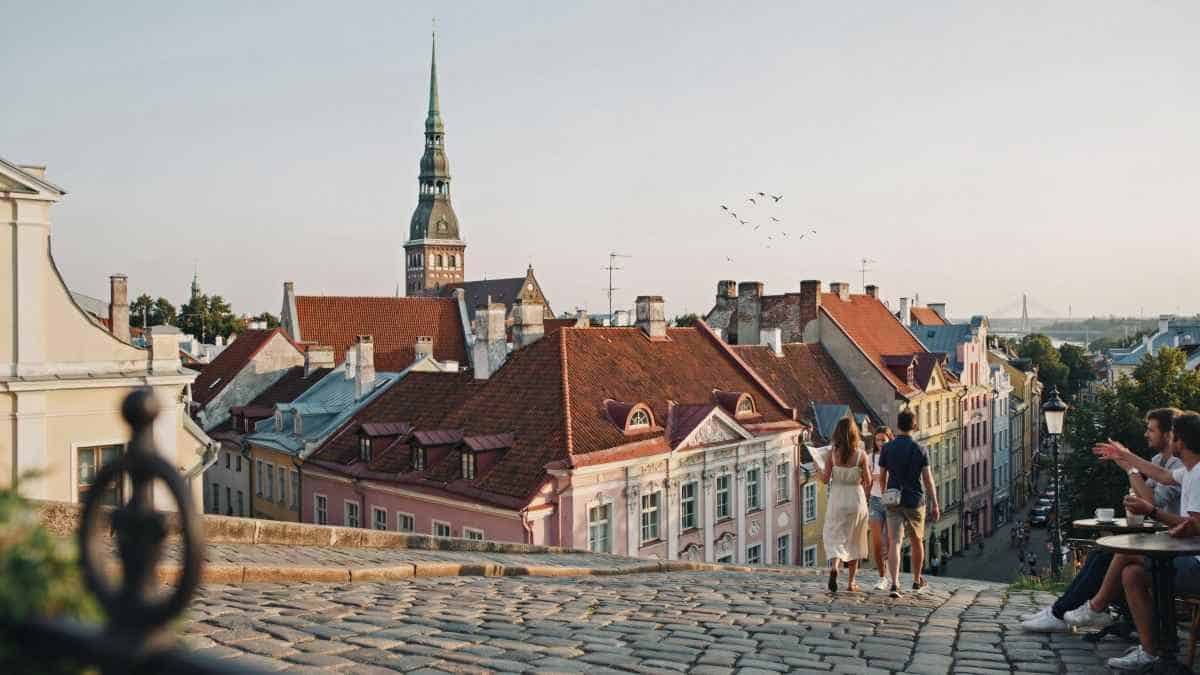
Image generated with Ai
This small country, Latvia, is getting international tourist recognition as it becomes one of the finalists in the category “The Most Desirable Country in Europe” at Wanderlust Travel Awards because more and more tourists show their interest in its beaches, architectural legacy, and nature. The Baltic State unites in itself the features of a seaside state because it has not only the sea coast but also a large amount of Art Nouveau heritage in Riga and protected areas, which are represented by the vast peat bogs. Thus, becoming a finalist, Latvia becomes one of the European destinations which receive international tourist attention. This Baltic State gives tourists an opportunity to spend time on the seaside, visit architectural sights and go for a walk in nature.
The Wanderlust Travel Awards shortlist provides Latvia with additional exposure among an international travel audience.
Being named a finalist for “The Most Desirable Country in Europe” places the country alongside other European destinations competing for recognition based on traveller interest and appeal.
For Latvia, the nomination highlights several tourism characteristics that distinguish the country within the Baltic region. These include its Baltic coastline, Riga’s architectural heritage and extensive natural landscapes.
Advertisement
International recognition can increase awareness among travellers who may be less familiar with Latvia compared with larger European tourism markets. Greater visibility can encourage visitors to consider the country for city breaks, cultural holidays and nature-focused journeys.
Riga is a major component of Latvia’s international tourism identity, particularly through its Art Nouveau architecture.
The capital contains a substantial collection of Art Nouveau buildings, creating opportunities for visitors to explore the architectural style through walking tours and dedicated heritage routes.
Architecture tourism provides a distinctive way to experience Riga, with historic streets and building façades forming an open-air cultural attraction. Visitors can combine architectural sightseeing with museums, restaurants, cafés and other city experiences.
Advertisement
Advertisement
The city’s heritage also makes Riga suitable for short European breaks, allowing international visitors to explore significant architectural areas within a relatively compact urban itinerary.
Art Nouveau therefore contributes to Latvia’s wider cultural tourism offer while giving Riga a recognisable identity within European city-break travel.
Latvia’s Baltic coastline provides a contrasting experience to the urban environment of Riga.
Coastal tourism allows visitors to explore beaches, seaside landscapes and small communities along the Baltic Sea. The coastline can be incorporated into longer Latvian itineraries that combine city sightseeing with outdoor and leisure experiences.
The seaside environment also supports seasonal travel, particularly during warmer months when visitors can spend time along beaches and coastal areas.
For international travellers, Latvia’s coastline offers an opportunity to experience the Baltic region through a combination of natural landscapes and local coastal culture.
The accessibility of coastal destinations from Riga also makes it possible to combine urban and seaside experiences within one trip.
Latvia’s peat bogs are another important element of its growing international tourism profile.
These wetland landscapes provide distinctive environments for travellers interested in nature, photography, hiking and outdoor exploration. Boardwalks and designated routes in accessible bog areas can allow visitors to experience wetland ecosystems while limiting disturbance to sensitive terrain.
Peat bog tourism also introduces travellers to a side of Latvia that differs significantly from conventional European city tourism.
The landscapes provide seasonal experiences throughout the year, with changing vegetation, weather and light creating different conditions for visitors. Nature-focused travel can therefore complement cultural tourism in Riga and coastal journeys.
The emphasis on natural landscapes also connects Latvia with the growing market for environmentally focused travel experiences.
Latvia’s natural environments provide opportunities for tourism development that can prioritise conservation and controlled visitor access.
Wetlands, forests and coastal landscapes require careful management because increased visitor numbers can place pressure on sensitive ecosystems. Structured trails and designated visitor routes can help concentrate tourism activity while protecting surrounding environments.
Nature tourism can also distribute visitor activity beyond major urban centres, giving travellers reasons to explore different parts of the country.
For Latvia, this creates a broader inbound tourism network in which Riga serves as a cultural gateway while coastal and rural destinations provide outdoor experiences.
The combination of heritage and nature tourism can also encourage longer stays, allowing visitors to include several different experiences within a single itinerary.
Latvia’s appeal to international travellers is built around the combination of distinctly different tourism experiences.
A visitor can begin with Art Nouveau architecture and cultural attractions in Riga, travel towards the Baltic coastline and continue into rural areas featuring forests and peat bogs.
This variety allows Latvia to serve different traveller interests without requiring long distances between some major attractions.
City-break visitors can focus on Riga, while longer-stay travellers can add coastal and nature destinations. Specialist visitors interested in architecture, wetlands, photography or outdoor recreation can also build more focused itineraries.
Being chosen as one of the finalists for Wanderlust Travel Awards gives further international publicity to Latvia’s tourism offer since there is currently a trend among tourists to visit unique cultural and nature destinations. Art Nouveau in Riga serves as a good example of urban tourism, while the Baltic Sea coast adds to the possibilities of seaside tourism. In addition, Latvia is known for its nature tourism owing to numerous peat bogs in the area. All of these elements make Latvia a diversified destination combining architecture, heritage, coastal areas, and outdoor activities. The award thus gives further publicity to Latvia on the European tourism market and presents Latvia’s cities, coast and nature through another platform.
Advertisement
Advertisement
Advertisement











Wednesday, September 2, 2026
Tuesday, September 1, 2026

Wednesday, September 2, 2026
Wednesday, September 2, 2026
Tuesday, September 1, 2026
Tuesday, September 1, 2026
Tuesday, September 1, 2026

Tuesday, September 1, 2026