
Slovenia Travel Surge Expands as Green Tourism Success Brings New Growth Challenges

Published
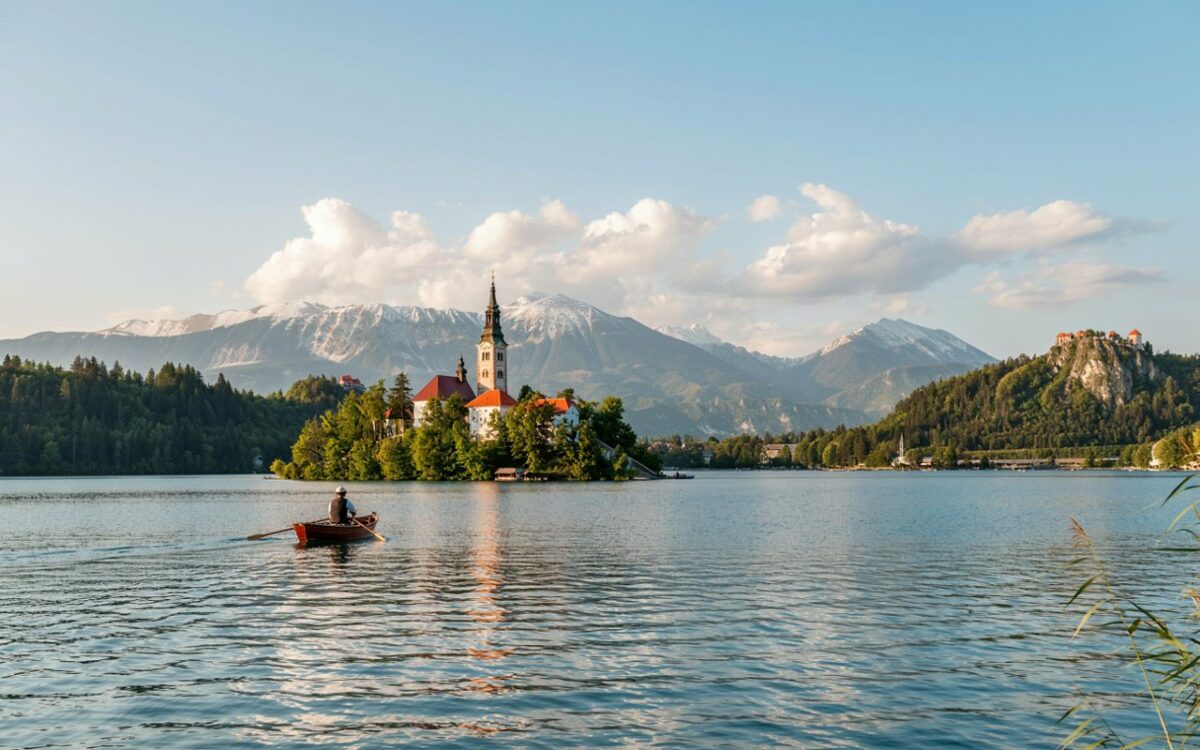
Image generated with Ai
Slovenia Travel is entering a remarkable new phase as increasing visitor numbers, rising international demand and growing interest in sustainable experiences strengthen the country’s position as one of Europe’s most attractive destinations. The tourism boom is creating new opportunities for businesses, communities and regional destinations while also creating new challenges around visitor management, environmental protection and maintaining quality experiences.
Slovenia has successfully attracted travellers through its combination of Alpine landscapes, historic cities, Adriatic coastline, outdoor adventures and green tourism initiatives.
Advertisement
Advertisement
Recent tourism results show continued growth in arrivals and overnight stays, reflecting Slovenia’s growing international reputation while highlighting the importance of balanced and responsible tourism development.
For a country recognised for pristine landscapes and sustainable tourism, the next challenge is ensuring that visitor growth strengthens local communities without affecting the natural and cultural assets that make Slovenia unique.
Advertisement
Advertisement
Why Is Slovenia Experiencing a Tourism Boom?
Slovenia’s tourism growth is being driven by increasing international demand for authentic, nature-focused and less crowded destinations.
Advertisement
Advertisement
Unlike many European locations facing extreme overtourism pressures, Slovenia has built its tourism identity around responsible travel, quality experiences and sustainable visitor management.
The country’s appeal comes from its remarkable diversity. Travellers can experience Alpine mountains, Mediterranean coastlines, forests, lakes, caves, vineyards and historic towns within a relatively compact area.
Official tourism data shows Slovenia recorded strong summer growth, with approximately 2.2 million tourist arrivals and 6.3 million overnight stays during July and August 2026, representing around 7% growth compared with the previous year.
The increase confirms Slovenia’s rising popularity among travellers searching for scenic landscapes, safe destinations and environmentally responsible experiences.
How Are International Visitors Driving Slovenia Travel Growth?
International travellers remain the main force behind Slovenia’s tourism expansion.
Advertisement
Advertisement
Foreign visitors account for the majority of overnight stays, demonstrating the country’s increasing appeal across global tourism markets.
Slovenia’s leading tourism markets include Germany, the Czech Republic, the Netherlands, Italy and Poland.
The country has also recorded stronger demand from markets including the United Kingdom, the United States, Spain, Serbia and Poland, highlighting Slovenia’s expanding international reach.
This diversification is helping Slovenia reduce dependence on limited source markets while strengthening its position as a year-round European destination.
Why Is Sustainable Tourism Central to Slovenia’s Future?
Sustainability has become one of Slovenia’s strongest tourism advantages.
Advertisement
Advertisement
The country has developed a reputation as a green destination by promoting responsible travel, environmental protection and tourism experiences that benefit local communities.
Slovenia’s tourism strategy focuses on creating higher-value experiences rather than simply increasing visitor numbers.
Government and tourism authorities have emphasised quality, sustainability and long-term resilience as important priorities for future tourism development.
This approach encourages travellers to explore rural areas, smaller destinations and authentic local experiences instead of concentrating only on famous attractions.
However, rising visitor numbers also create new responsibilities, particularly around managing pressure in popular destinations.
Advertisement
Advertisement
How Are Slovenia’s Mountain Destinations Benefiting From Tourism Growth?
Slovenia’s Alpine regions have become major beneficiaries of increasing tourism demand.
Mountain destinations are attracting visitors seeking hiking, cycling, skiing, wellness experiences and outdoor adventures.
The growth reflects a wider European travel trend where visitors are increasingly choosing nature-based holidays and cooler destinations.
Popular mountain destinations include Lake Bled, Triglav National Park, Kranjska Gora, Soča Valley and the Julian Alps.
Lake Bled remains one of Slovenia’s most recognised attractions, offering visitors scenic beauty, cultural heritage and outdoor activities.
Advertisement
Advertisement
The Soča Valley attracts adventure travellers through rafting, hiking, cycling and water-based experiences.
The popularity of mountain regions creates economic opportunities for rural communities but also requires careful management to protect landscapes and local lifestyles.
Why Is Ljubljana Becoming a Major European City Break Destination?
Ljubljana continues strengthening its role as Slovenia’s cultural and tourism gateway.
The capital attracts visitors through historic architecture, riverside scenery, green spaces and a growing food culture.
Travellers explore Ljubljana Castle, the old town, the Ljubljanica River, local markets, museums and cultural events.
Advertisement
Advertisement
The city’s compact size makes it ideal for short breaks while also serving as a starting point for exploring Slovenia’s wider regions.
Ljubljana’s reputation as one of Europe’s greener capitals has further strengthened its appeal among environmentally conscious travellers.
How Is Slovenia Balancing Tourism Growth and Local Challenges?
The tourism boom has created major economic opportunities, but it has also introduced challenges.
Popular destinations are experiencing increasing pressure on infrastructure, public spaces, transportation, accommodation and natural areas.
Tourism authorities have highlighted the importance of spreading visitors across different regions and seasons instead of concentrating demand in already popular locations.
Advertisement
Advertisement
Managing visitor flows has become essential to maintaining Slovenia’s reputation as a peaceful and sustainable destination.
The country is encouraging travellers to explore lesser-known areas, supporting rural tourism and reducing pressure on major attractions.
What Hidden Destinations Should Travellers Explore in Slovenia?
Beyond famous destinations such as Ljubljana and Lake Bled, Slovenia offers many lesser-known experiences.
Why Is Vipava Valley Becoming a Slow Travel Success Story?
Vipava Valley has emerged as an example of sustainable slow travel.
The region attracts visitors through vineyards, local cuisine, cycling routes and family-run experiences.
Advertisement
Advertisement
Travellers can discover traditional farms, wine producers and authentic rural hospitality while enjoying a quieter alternative to crowded destinations.
Why Should Travellers Visit Piran and the Adriatic Coast?
Slovenia’s coastline offers historic towns, Mediterranean cuisine and seaside experiences.
Piran is known for Venetian architecture, coastal views and cultural heritage.
What Makes Slovenia’s Karst Region Special?
The Karst landscape offers dramatic caves, underground rivers and unique geological attractions.
The region combines nature experiences with food and wine traditions.
Advertisement
Advertisement
What Travel Experiences Make Slovenia Unique?
Slovenia’s tourism strength comes from its ability to combine multiple experiences within one destination.
Travellers can enjoy adventure tourism, wellness retreats, wine experiences, culinary journeys, cultural tourism, nature exploration, cycling holidays and winter sports.
The country’s compact geography allows visitors to move easily between mountains, cities, forests and coastline.
This diversity makes Slovenia particularly attractive to travellers seeking meaningful experiences rather than traditional mass tourism.
How Is Slovenia Improving Year-Round Tourism?
Slovenia is increasingly focusing on reducing seasonal dependence.
Advertisement
Advertisement
Tourism authorities are promoting travel during spring, autumn and winter through wellness tourism, outdoor activities, cultural events, gastronomy and rural experiences.
The goal is to create a more balanced tourism economy that benefits destinations throughout the year.
Recent tourism strategies focus on spreading visitors across regions and seasons while creating greater value for communities and businesses.
What Does Slovenia’s Tourism Growth Mean for Travellers?
For travellers, Slovenia’s tourism boom creates more opportunities to discover a destination combining natural beauty, cultural authenticity and sustainable experiences.
Visitors can enjoy spectacular landscapes without the scale of overcrowding found in some major European destinations.
Advertisement
Advertisement
However, responsible travel will become increasingly important as visitor numbers continue rising.
Travellers can support sustainable tourism by exploring lesser-known regions, respecting communities and choosing environmentally responsible experiences.
Future Outlook for Slovenia Travel
Slovenia Travel is expected to continue growing as global visitors search for destinations offering authenticity, sustainability and unique experiences.
The country’s main challenge will be maintaining balance between tourism expansion and protecting the qualities that make Slovenia attractive.
With strong international demand, a successful green tourism strategy and diverse regional experiences, Slovenia is positioning itself as one of Europe’s most resilient tourism destinations.
Advertisement
Advertisement
The future success of Slovenian tourism will depend on managing growth responsibly while ensuring both visitors and residents benefit from tourism development.
Conclusion
Slovenia Travel is entering an exciting new era as tourism growth creates significant opportunities while increasing the need for sustainable destination management. The country’s Alpine landscapes, historic cities, Adriatic coastline and green tourism approach have transformed Slovenia into one of Europe’s most appealing destinations. Rising visitor numbers are supporting local economies, expanding global recognition and encouraging travellers to explore beyond traditional hotspots. However, protecting natural environments and maintaining high-quality experiences will be essential as tourism continues expanding. By focusing on responsible growth, regional development and authentic experiences, Slovenia is building a powerful future as one of Europe’s leading sustainable travel destinations.
Frequently Asked Questions
Why is Slovenia becoming popular with travellers?
Slovenia attracts visitors through its mountains, lakes, coastline, culture, sustainability and authentic experiences.
What are the top destinations in Slovenia?
Popular destinations include Ljubljana, Lake Bled, Soča Valley, Piran, Kranjska Gora and Triglav National Park.
Is Slovenia a sustainable tourism destination?
Yes. Slovenia promotes green tourism, responsible travel and balanced visitor development.
Advertisement
Advertisement
What activities can visitors enjoy in Slovenia?
Travellers can enjoy hiking, cycling, skiing, wellness, wine tourism, food experiences and cultural exploration.
Is Slovenia suitable for year-round travel?
Yes. Slovenia offers summer nature tourism, winter sports, cultural events and wellness experiences throughout the year.
Advertisement
