
Japan Leads Rail Innovation as West Japan Railway Stock Surges Amid Domestic Tourism Recovery and Strategic Digital Airline Partnerships

Published
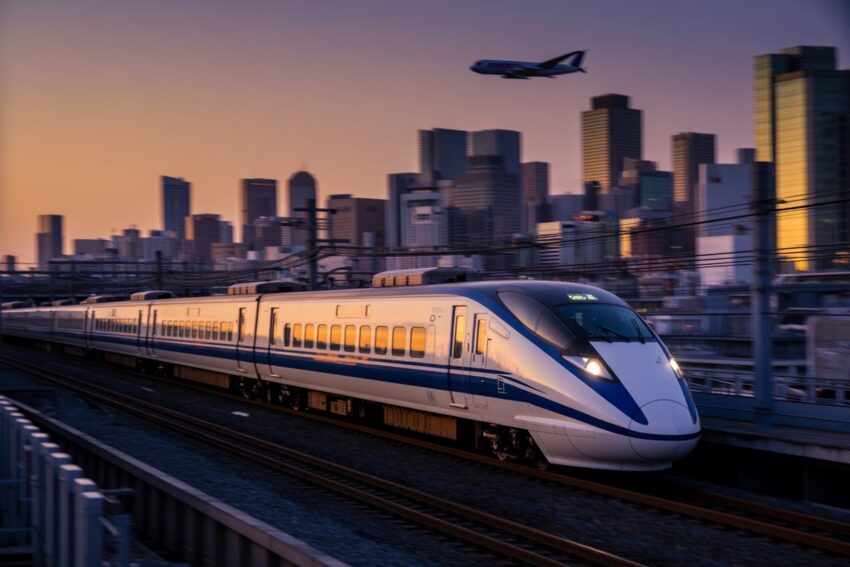 Image generated with Ai
Japan’s travel scene is shifting fast as one of its largest transport giants, West Japan Railway Company (JR West), rides a powerful wave of tourism recovery. In 2024 and into 2025, the railway reported markedly improved passenger traffic and a rebound in financial performance linked to renewed leisure demand and inbound travel growth. At the same time, JR West is breaking traditional moulds by forging digital partnerships with Japan’s biggest airlines — All Nippon Airways (ANA) and Japan Airlines (JAL) — to create a smoother, more integrated travel experience across air and rail. This transformation positions Railway Stock in a unique spotlight for transport investors and travel enthusiasts alike.
In this detailed travel sector overview, we explore how JR West is leveraging technology, strategic partnerships and its vast network to reshape Japanese travel. We also examine the challenges it faces — from operating costs to demographic shifts — and what that means for travellers, the tourism economy, and Railway Stock performance.
Advertisement
Advertisement
A Revived Travel Landscape Fuels Railway Momentum
After years of pandemic disruption, Japan’s once‑quiet travel arteries are humming again. Domestic travel demand has rebounded as local explorers return to familiar destinations and rediscover lesser‑known charms. International visitors are also gradually returning, drawn by visa relaxations and an enduring fascination with Japan’s culture and landscapes. Data from latest reports show West Japan Railway experienced higher passenger volumes in the fiscal year ending March 31, 2024, as tourism dynamics improved. This resurgence lifted leisure traffic on Shinkansen bullet trains and regional services, a key driver for revenue across both transportation and commercial station‑based operations.
Travel consumption in Japan continues to expand, with total spending rising year‑on‑year as both domestic and inbound visitors spend more on experiences, accommodation, rail journeys and local tours. This dynamic recovery is boosting the fortunes of companies like JR West and has put Railway Stock under the spotlight for investors tracking travel sector resurgence.
Advertisement
Advertisement
Seamless Journeys: Rail Meets the Sky with ANA & JAL
At the centre of JR West’s strategic pivot is a bold vision: integrate rail and air travel into a frictionless journey for passengers. In April 2026, JR West announced cooperation agreements with both ANA and JAL to strengthen mobility and tourism offerings in western Japan. These partnerships go beyond traditional collaboration by working towards eventual integration of rail and air bookings and payments.
The core components of this initiative focus on:
Advertisement
Advertisement
- Seamless Booking: Designing a system that lets travellers book air and rail segments together, eliminating multiple platforms and fragmented reservations. The plan envisages synchronized reservations and payments through unified digital services by the 2030s, greatly simplifying travel planning.
- Wide‑Area Tourism Routes: Crafting interconnected travel circuits that combine flights into major airports with Shinkansen and regional rail services. This approach aims to distribute visitors more broadly across western Japan attractions rather than confining them to urban hubs.
- Expanded Mobility Experiences: Linking rail and air to encourage extended stays, deeper exploration of cultural destinations, and richer tourism experiences for both domestic and international travellers.
This air‑rail synergy promises more than convenience. It is designed to open up Japan’s lesser‑explored regions to global travellers and encourage longer, more immersive journeys
How the Partnerships Work — A Traveller’s View
Imagine flying into Kansai International Airport from abroad. Under the envisioned integrated system, you could book your domestic flight and Shinkansen ride as one itinerary. Your journey might then continue effortlessly to Kyoto, Hiroshima, or even farther into the Chugoku region. No juggling between airline sites and rail portals. No separate ticket purchases. This future experience aims to be intuitive and efficient.
Advertisement
Advertisement
Although full integration will take time, JR West, ANA and JAL have already started laying the groundwork. Digital linkages between reservation systems and promising joint promotions are attracting attention from both travel planners and the investing community tracking Railway Stock
Why This Matters for Japan’s Travel Appeal
Japan has long relied on its celebrated rail system — especially the Shinkansen — to move millions of passengers with precision. Yet air travel has traditionally operated in a separate ecosystem. By knitting these modes together, JR West and its airline partners aim to enhance Japan’s travel competitiveness at a time when tourists can choose experiences anywhere in the world.
This integrated travel vision is especially meaningful for western Japan, which boasts historical cities like Kyoto and Nara, coastal marvels on the Seto Inland Sea and mountainous landscapes in the Chugoku and Hokuriku regions. By smoothing the arrival and onward travel experience, visitors may be inspired to explore beyond the major corridors, benefiting local economies and cultural attractions.
The partnerships also seek to expand “exchange population” — a term used to describe transient visitors who engage with local communities and tourism offerings — and “relationship population”, which refers to longer-term connections with regions, residents and lifestyle preferences. These broad community goals contribute to sustained tourism growth and deeper visitor engagement
Advertisement
Advertisement
Financial Growth Backed by Tourism Revival
With passenger numbers climbing, JR West saw improvements in its financial performance for the fiscal year ending March 2024. As passenger demand recovered, so did revenue from both rail fares and commercial segments located within station precincts. Retail, services and hospitality operations attached to stations also benefited from increased footfall.
This diversified revenue mix supports JR West’s ability to invest in new technologies and integrate services with partners like ANA and JAL. For travellers, it translates to more offerings, better connectivity and a richer overall experience.
For investors, the improved metrics linked to travel demand renew interest in Railway Stock, especially as transportation companies adapt to evolving travel patterns and seek new pathways to sustained growth
Headwinds: Costs, Demographics and Long‑Term Challenges
Despite these bright spots, JR West and its peers face significant structural challenges. Operating costs are rising due to higher energy prices and necessary wage adjustments for staff across rail operations. These expenses can weigh on profitability, especially when margins are under pressure.
More fundamentally, Japan’s demographic trends pose long‑term concerns. The nation’s population is aging and shrinking, particularly in rural areas served by JR West lines. This affects domestic travel demand, as fewer residents living along rail corridors mean fewer regular commuters and local leisure travellers. Addressing this requires creative tourism strategies that attract visitors from outside these regions and encourage repeat travel.
These demographic and cost pressures create a complex backdrop against which integrated travel initiatives must succeed. Enhancing international tourism appeal and maximizing visitor engagement will be critical to offsetting domestic population declines in some regions
Advertisement
Advertisement
What This Means for Travellers in 2026 and Beyond
Travel planners have much to look forward to. With integrated booking pathways on the horizon, exploring Japan could become dramatically easier. Combined air‑rail travel routes may encourage travellers to:
- Experience multi‑city itineraries without the usual planning friction.
- Discover regional gems — from historic castle towns to coastal scenic routes.
- Reduce transfer stress and maximise time enjoying experiences rather than coordinating logistics.
As Japan’s travel ecosystem evolves, the emphasis on seamless connectivity dovetails with broader tourism trends prioritising convenience, local exploration and immersive cultural experiences.
A Bold Travel Direction — The Road Ahead
JR West’s movement towards integrated travel is a bold step that aligns with rising travel expectations in the 21st century. By working hand‑in‑hand with ANA and JAL, the company is setting a precedent for multimodal travel that blends efficiency with adventure.
This strategy not only supports Japan’s overall tourism recovery but also enhances the appeal of Railway Stock as part of a forward‑thinking transport industry adapting to global travel trends.
For travellers, it means Japan’s vast landscapes, ancient temples and cutting‑edge cities will be more accessible than ever. For investors and the travel sector, it presents a compelling story of recovery, innovation and resilience.
Japan’s travel transformation is well underway. And Railway Stock may well embody one of its most exciting growth narratives.
Advertisement
