
Scotland Alongside Norway and Denmark Lead Europe’s Cool-Weather Tourism Boom as Travelers Seek Alternatives to Extreme Summer Heat: All You Need to Know

Published
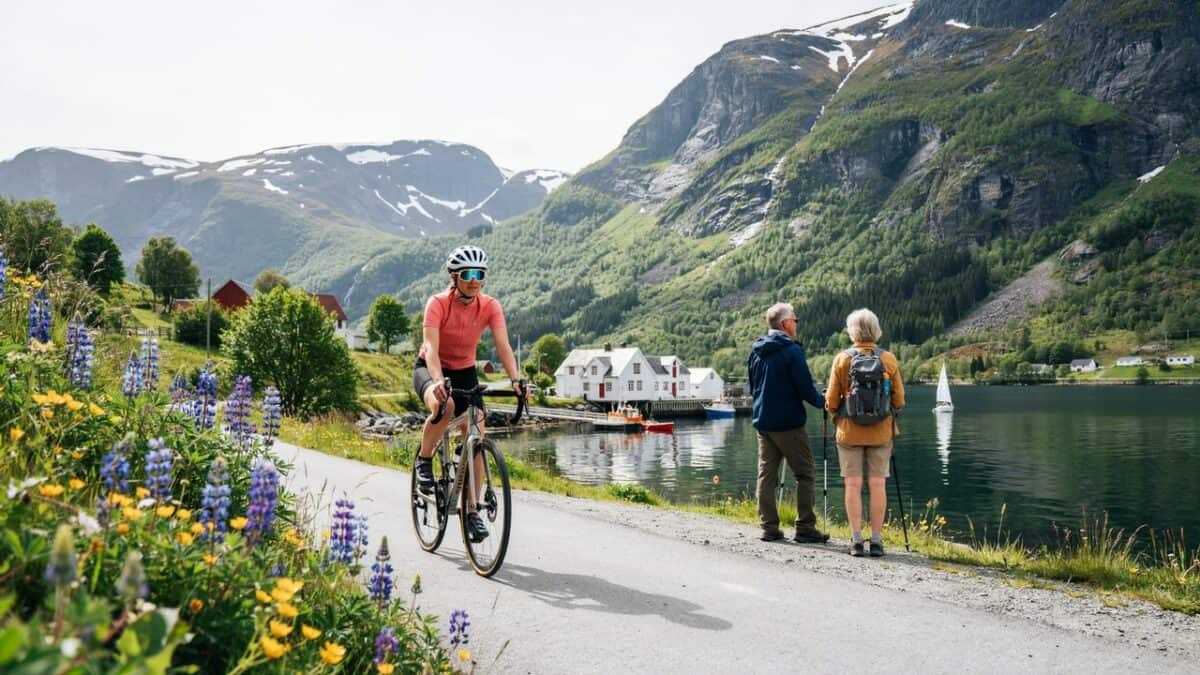
Image generated with Ai
European tourism has traditionally been built around a simple summer formula: sunshine, beaches and warm Mediterranean waters. But today’s traveler is increasingly looking for something broader.
The modern European summer holiday can mean a scenic road trip through the Highlands, a fjord cruise, a cycling holiday beside the Baltic, a long evening in a Nordic city or a hiking adventure through landscapes far removed from crowded beach resorts.
This change is creating an important opportunity for destinations that can offer comfortable outdoor experiences, dramatic scenery and authentic local culture.
Rather than signaling the end of traditional European beach holidays, the trend is expanding the continent’s tourism map.
Advertisement
Advertisement
From Beach Holidays to Experience-Led Travel
One of the biggest changes is the growing importance of what travelers can actually do at a destination.
Nature-based experiences are becoming increasingly valuable because they allow visitors to explore a country beyond its main cities.
Advertisement
Advertisement
| Travel Experience | Destinations Offering Strong Potential |
|---|---|
| Scenic road trips | Scotland, Norway |
| Fjord and coastal journeys | Norway, Iceland |
| Hiking and adventure | Scotland, Sweden, Finland |
| Cycling holidays | Denmark, Sweden |
| Cultural city breaks | Edinburgh, Copenhagen, Stockholm |
| Wildlife experiences | Scotland, Norway, Iceland |
| Rural tourism | Scotland, Finland, Sweden |
This creates opportunities for smaller towns and rural communities that traditionally received fewer international visitors than Europe’s major capitals.
Scotland’s Landscape Becomes a Tourism Asset
Scotland offers a particularly strong example of experience-led tourism.
Visitors can combine a city break in Edinburgh with journeys into the Highlands, coastal drives, historic castles and outdoor adventures.
The appeal is not based on a single attraction. It comes from the ability to build an entire holiday around Scotland’s landscapes and culture.
The Isle of Skye, Loch Ness, the Highlands and scenic driving routes give travelers reasons to stay longer and explore beyond the capital.
That matters for the tourism economy because longer itineraries can distribute visitor spending across accommodation providers, restaurants, transport operators, guides and local attractions.
Advertisement
Advertisement
Norway Turns Natural Geography Into a Holiday Experience
Norway’s tourism strength comes from its extraordinary geography.
Its fjords, mountains, waterfalls and coastal communities provide a natural foundation for adventure and scenic tourism.
A Norwegian holiday can include a combination of:
- Fjord cruises
- Hiking
- Scenic railway journeys
- Coastal voyages
- Wildlife watching
- Mountain excursions
- Small-town exploration
This type of tourism is particularly suited to travelers who want their holiday to involve movement and exploration rather than spending most of their time at a resort.
Denmark Shows That Cooler Travel Does Not Mean Remote Travel
Denmark offers a different version of the same tourism opportunity.
Travelers do not necessarily have to venture into remote wilderness to enjoy a more comfortable summer break. Copenhagen combines architecture, museums, food, waterfront areas and cycling with easy access to coastal and rural destinations.
Advertisement
Advertisement
This makes Denmark appealing to visitors who want city culture and outdoor experiences in the same trip.
The country’s cycling culture also adds another dimension to sustainable tourism, allowing visitors to experience destinations at a slower pace.
Northern Europe’s Biggest Advantage May Be Variety
The strongest attraction of these destinations is not simply their temperatures.
It is variety.
A traveler can move from an international city to a remote landscape within the same itinerary. A holiday can combine history, food, hiking, wildlife, architecture and coastal scenery without requiring multiple international flights.
That makes northern European tourism particularly attractive to travelers seeking meaningful experiences rather than conventional sightseeing.
Advertisement
Advertisement
The Opportunity for Smaller Destinations
The changing tourism landscape could also benefit places outside Europe’s famous capitals.
When travelers become interested in road trips, hiking routes, islands, villages and national parks, visitor spending can spread into areas that have historically received fewer tourists.
This can support:
- Local accommodation
- Family-owned restaurants
- Tour operators
- Craft businesses
- Transport services
- Cultural attractions
However, increased popularity also creates a responsibility to protect fragile landscapes and prevent new destinations from becoming victims of overtourism.
Shoulder Seasons Could Become More Important
Another major opportunity lies outside the traditional July-August peak.
Spring and autumn can provide travelers with attractive conditions for sightseeing, hiking, photography and cultural tourism while helping destinations reduce pressure during their busiest periods.
Advertisement
Advertisement
For tourism businesses, a longer season can mean more consistent employment and revenue.
For travelers, it can mean greater flexibility and potentially a more relaxed experience.
This makes seasonal diversification one of the most important opportunities emerging from Europe’s changing tourism environment.
Travelers Are Also Rethinking What Makes a Holiday Valuable
The definition of a good summer holiday is evolving.
For some travelers, the priority is no longer simply finding the hottest beach. Instead, they are looking for:
Comfort + scenery + culture + activities + authenticity.
Advertisement
Advertisement
That combination is helping destinations with mountains, forests, fjords, islands and historic towns compete more strongly for summer visitors.
It also explains why northern Europe can appeal to travelers who might previously have considered it primarily a winter destination.
A New Competition for Europe’s Tourism Industry
This does not mean Mediterranean destinations are losing their importance.
Spain, Italy, Greece, Portugal and Croatia remain enormously popular because of their beaches, cuisine, heritage and distinctive cultures.
Instead, Europe’s tourism industry is becoming more diversified.
Southern destinations can strengthen spring, autumn and cultural tourism, while northern destinations can expand their summer offerings. Together, these changes could create a tourism market that is less dependent on a few overcrowded destinations and a short peak season.
Advertisement
Advertisement
The Future May Belong to Flexible European Holidays
The next phase of European tourism may not be about choosing between north and south.
It could be about choosing the right experience at the right time of year.
A traveler might spend a few days exploring a historic city, continue through the countryside, take a coastal journey and finish with an outdoor adventure.
That flexibility gives Europe one of its greatest tourism advantages: an enormous variety of experiences within relatively accessible distances.
As travel habits evolve, the continent’s biggest tourism story may therefore be less about where travelers are leaving and more about where they are discovering something new.
Frequently Asked Questions
1. What is changing in European summer tourism?
Travelers are increasingly considering climate comfort, nature, outdoor activities and cultural experiences alongside traditional beach holidays.
Advertisement
Advertisement
2. Does this mean Mediterranean tourism is declining?
Not necessarily. Mediterranean destinations remain extremely popular, but tourism demand is becoming more diversified across seasons and regions.
3. Why is nature tourism becoming important?
Nature-based holidays offer activities such as hiking, cycling, wildlife watching and scenic exploration, allowing visitors to experience destinations beyond major tourist centers.
4. Can cooler destinations help reduce overtourism?
They can potentially distribute visitors more widely, particularly when tourism expands into smaller towns and rural regions. However, those destinations also need careful visitor management.
5. Could Europe’s tourism season become longer?
Yes. Greater interest in spring and autumn travel could help destinations reduce dependence on the traditional summer peak and create a more balanced tourism economy.
Advertisement
