
Thailand is Facing a New Bangkok Flood Crisis as Heavy Rains Disrupt Travel Access and Tourism Movement Now

Published
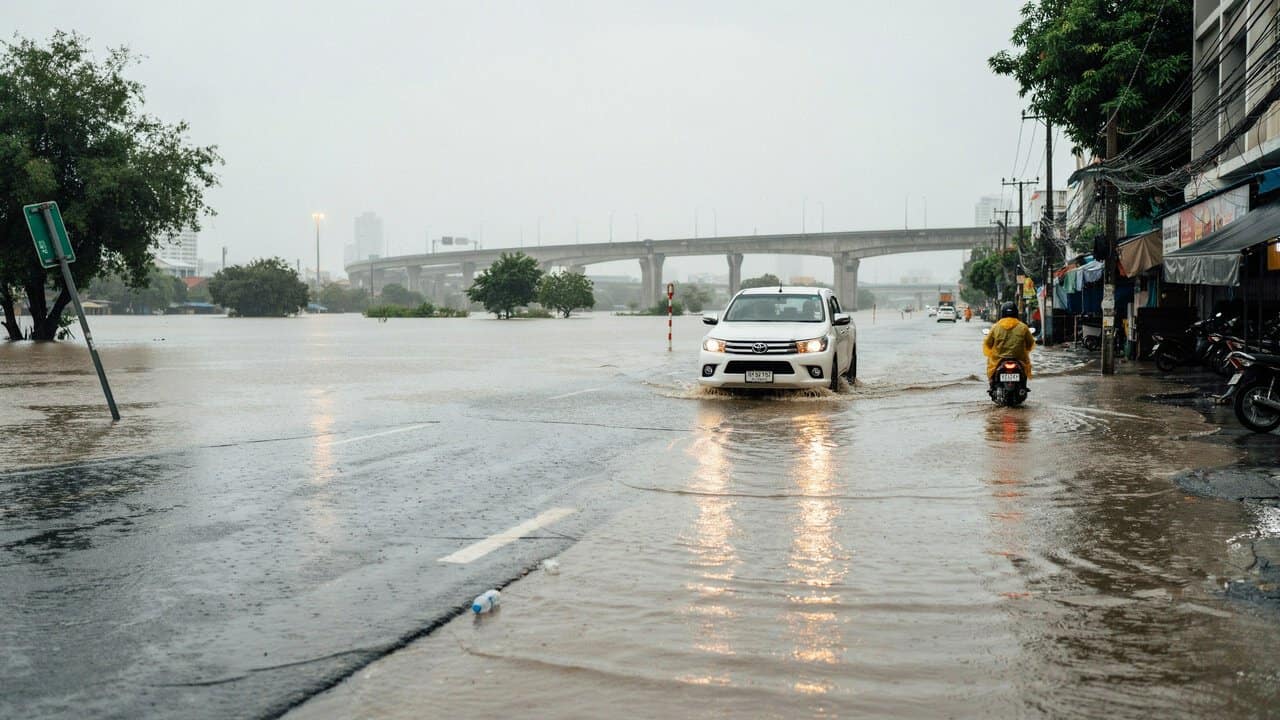
Image generated with Ai
Bangkok Flood have affected Thailand’s capital after intense rainfall caused widespread waterlogging, transport disruption and emergency response measures in September 2026. The situation has affected roads, residential areas and daily movement across the city, while authorities continue drainage and recovery operations. Bangkok remains accessible for travellers, but visitors may face longer transfer times and changing local conditions. The development matters because the capital is one of Thailand’s main tourism gateways, connecting international visitors with hotels, attractions and transport networks. No visa or passport changes have been introduced as authorities manage the weather-related disruption.
News Focus and Evidence Breakdown
The latest situation is centred on severe rainfall, urban flooding and the effect on movement within Bangkok. The verified evidence shows that the main travel connection is transport accessibility rather than border restrictions or a nationwide tourism interruption.
Advertisement
Advertisement
| News Component | Share of Story (Editorial Assessment, Not Official Statistics) | Officially Verified Finding | Relevance to Travellers | Official Source Category |
|---|---|---|---|---|
| Weather and flooding | 40% | Heavy rainfall caused flooding across Bangkok, affecting urban areas, communities and local movement. | Determines immediate travel conditions, road accessibility and safety considerations. | Bangkok authorities, disaster management agencies, meteorological updates |
| Transport and mobility | 25% | Flooded roads and water accumulation disrupted local movement and created potential delays across affected areas. | May increase airport transfer times, affect sightseeing schedules and require alternative routes. | Bangkok transport authorities, local emergency updates |
| Tourism operations | 15% | Tourism facilities continue operating, but visitor movement may be affected by localised flooding and transport challenges. | Travellers may need flexible itineraries and updated information before visiting attractions. | Tourism authority guidance, destination updates |
| Aviation access | 10% | Bangkok’s major airports remain operational, with the main concern focused on surface access rather than flight disruption. | Passengers should allow additional time for airport transfers and monitor travel conditions. | Airport authorities, aviation updates |
| Immigration and entry rules | 5% | No flood-related changes have been announced for visas, passports or border procedures. | International arrivals continue under existing entry requirements. | Immigration authorities, government travel information |
| Recovery and resilience | 5% | Authorities are continuing drainage operations, emergency response and restoration efforts. | Future travel conditions depend on recovery progress and weather developments. | Disaster response authorities |
The evidence confirms that the event is primarily a weather and urban mobility issue. It does not establish any closure of Thailand’s tourism sector, airport network or immigration system. Travellers should understand that the main disruption relates to movement within Bangkok rather than entering the country.
Current Situation Across Bangkok’s Travel Network
Bangkok is currently managing the effects of heavy rainfall that caused flooding in multiple areas. Authorities have reported affected roads, increased water levels and emergency measures designed to support residents and reduce disruption. The flooding followed a period of intense rainfall, with some locations receiving close to 300 millimetres within a short period.
Advertisement
Advertisement
The Thailand Bangkok Flood Crisis remains an active situation requiring continued monitoring because weather conditions and drainage progress will determine how quickly normal movement returns. For travellers, the immediate concern is not whether Bangkok is open, but how easily they can move between airports, hotels, attractions and transport connections.
Why the News Matters for Travellers and Tourism
Bangkok plays a central role in Thailand’s tourism economy because many international visitors arrive through the capital before travelling to other destinations. Any disruption affecting roads, transfers or urban transport can influence visitor experiences even when flights continue normally.
Advertisement
Advertisement
The current Bangkok Floods situation demonstrates how extreme weather can affect tourism operations without creating a complete travel shutdown. Hotels, restaurants and attractions remain part of the visitor economy, but temporary accessibility issues can influence daily schedules, transportation planning and local services.
The Thailand Bangkok Flood Crisis also highlights the importance of climate resilience in major tourism destinations. Cities welcoming millions of visitors require effective drainage systems, emergency communication and adaptable transport networks to manage sudden weather events.
Chronology of Events and Verified Developments
The situation developed after heavy rainfall affected Bangkok and surrounding areas during September 2026. Continuous rainfall increased water levels in urban drainage systems, leading to flooding in several districts. Authorities then introduced emergency measures, including assistance operations and public safety guidance.
As flooding expanded, Bangkok was declared a disaster-affected area. Authorities focused on drainage, emergency support and reducing risks to communities. Residents and travellers were advised to remain aware of changing road conditions and avoid unnecessary movement in severely affected areas.
By late September, flooding reports showed continued impacts across Bangkok and other provinces, with thousands of households affected. Recovery efforts remained focused on water management and restoring normal conditions.
Understanding the Context Behind the Development
- Extreme Rainfall and Urban Infrastructure Pressure
The immediate trigger behind the flooding was heavy rainfall combined with limited drainage capacity during a period of intense weather. Official updates identified rainfall and water movement as key factors behind rising flood conditions.
Advertisement
Advertisement
Bangkok’s geography makes water management a significant challenge. The city has extensive urban development, low-lying areas and complex drainage networks. During periods of intense rainfall, large volumes of water can place pressure on infrastructure and affect road accessibility.
- Travel Dependence on Urban Mobility
The tourism impact is connected mainly to Bangkok’s dependence on efficient transport movement. International visitors rely on road connections between airports, hotels and attractions. Even when aviation operations continue, difficulties on surrounding roads can create delays.
The current situation does not confirm a reduction in international arrivals or a nationwide tourism decline. However, it shows how local weather events can affect visitor movement and destination operations.
The strongest verified explanation is that extreme rainfall created temporary mobility challenges. The most important supporting condition is the pressure placed on urban drainage and transport systems. The longer-term effect on tourism demand remains unconfirmed.
Verified Figures and What They Mean
Official information provides several important indicators about the scale of the flooding situation.
| Indicator | Verified Information | Meaning for Travel |
|---|---|---|
| Rainfall | Nearly 300 mm recorded in parts of Bangkok over approximately 48 hours | Increased risk of local flooding and transport delays |
| Affected households | Around 52,000 households affected in Bangkok | Shows the scale of local disruption |
| Geographic impact | Flooding reported across Bangkok districts and other provinces | Travellers should check specific areas before travelling |
| Airports | Bangkok’s main airports remain operational | Flights continue, but road transfers need planning |
These figures show that the situation is significant at a local level but does not represent a complete interruption of Thailand’s international travel system.
Advertisement
Advertisement
Tourism and Traveller Impact
The Thailand Bangkok Flood Crisis has created short-term challenges for travellers moving around the capital. Visitors may experience slower journeys, delayed transfers and changes to planned activities, especially in areas affected by flooding.
The most affected groups are likely to be travellers depending on road transport, including airport transfers, private vehicles and sightseeing routes. Business travellers may also need additional time for meetings and city movement.
Air travel remains available because major airports continue operating. However, passengers should recognise that airport accessibility depends on surrounding road conditions. The difference between airport operations and city transport disruption is important when planning journeys.
There is currently no confirmed evidence of changes to tourism visas, passport rules or international entry procedures. The disruption remains focused on local mobility and weather conditions.
Practical Information for Travellers
Travellers visiting Bangkok should continue checking official updates before and during their journey. The current situation requires awareness rather than immediate changes to travel plans.
- Check flight schedules and airport announcements before departure.
- Allow additional time for journeys to and from airports.
- Monitor local weather and road conditions.
- Keep passport and travel documents available as normal.
- Confirm hotel access routes before travelling across affected areas.
- Follow official safety guidance during heavy rainfall.
The best approach for visitors is to remain flexible and use updated transport information. Travellers should avoid relying on normal journey times while flooding conditions continue.
Advertisement
Advertisement
What Travellers Should Do Next: Monitor Conditions and Prepare for Possible Delays
Visitors already in Bangkok or arriving soon should continue monitoring official updates because local conditions can change quickly during periods of heavy rainfall.
Travellers should:
- Check official weather warnings regularly.
- Confirm airport transfer arrangements.
- Leave extra time for road journeys.
- Contact accommodation providers if access routes are affected.
- Review travel insurance coverage where necessary.
The situation does not currently require widespread travel cancellation, but careful planning remains important while recovery operations continue.
Future Outlook for Bangkok Tourism Recovery
Authorities are continuing drainage activities and response measures to restore normal conditions. The next stage will depend on rainfall patterns, water levels and the speed at which affected roads and communities recover.
The Bangkok Floods event is expected to remain a short-term destination management challenge unless further severe weather develops. Future improvements will depend on infrastructure resilience and effective urban water management.
For tourism, the priority remains maintaining visitor accessibility and confidence. Bangkok continues to function as a travel destination, but travellers should remain aware that weather-related disruption can temporarily affect movement.
Advertisement
Advertisement
The Thailand Bangkok Flood Crisis provides a reminder that major tourism hubs must continuously strengthen climate adaptation measures while supporting visitor safety.
Bangkok Floods Show the Importance of Travel Resilience
Bangkok Floods have created temporary challenges for tourism movement, mainly through road disruption and slower local travel. Airports remain operational, while visa and passport procedures continue unchanged. The situation highlights how extreme weather can affect major tourism destinations without stopping international travel. The Thailand Bangkok Flood Crisis remains focused on mobility, infrastructure and recovery efforts rather than border restrictions. Travellers should continue monitoring official updates and plan additional journey time where needed. As conditions improve, Bangkok’s tourism network will depend on effective recovery measures, infrastructure resilience and clear communication to maintain safe visitor movement.
Advertisement
