
America’s Seven Underrated Ski Towns Offer Authentic Winter Travel Beyond Major Resorts

Published
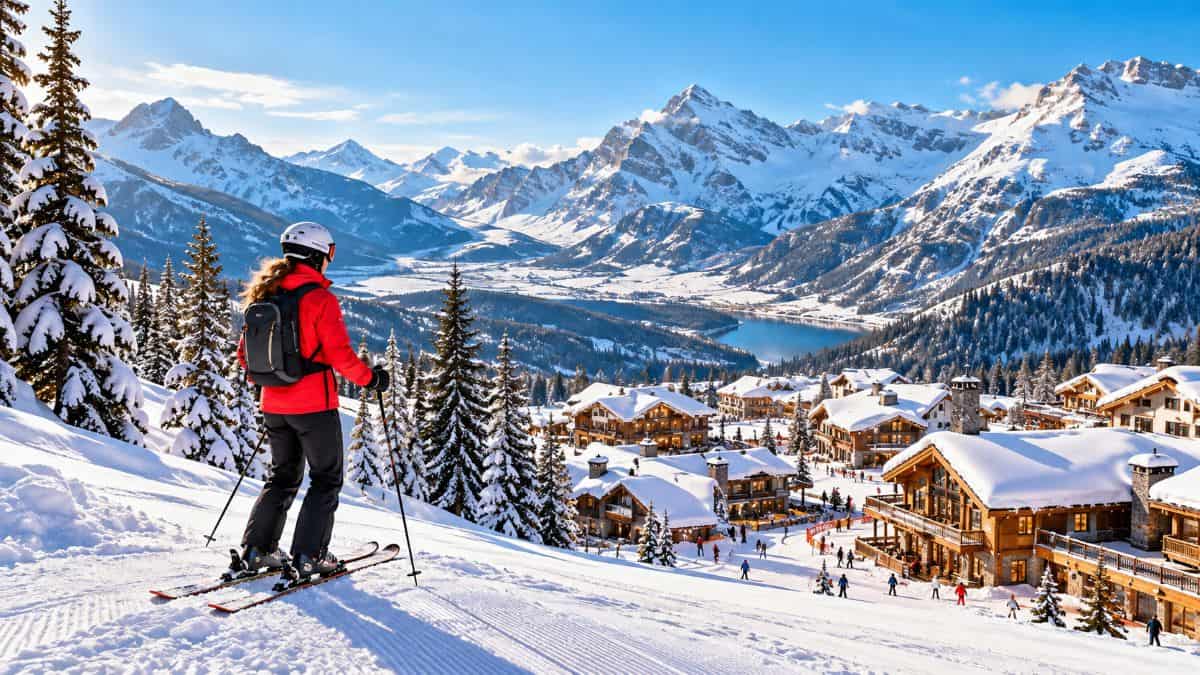
Image generated with Ai
The United States is entering another winter travel season with a growing spotlight on seven lesser-known ski towns that offer an alternative to the country’s best-known mountain destinations. Red Lodge in Montana, Ruidoso in New Mexico, Waitsfield in Vermont, McCall in Idaho, Leadville in Colorado, Sisters in Oregon and Harbor Springs in Michigan combine access to skiing with smaller communities, independent businesses and distinctive regional character.
The destinations stand apart from major resort hubs because skiing is only part of the visitor experience. Their appeal extends to historic downtowns, outdoor recreation, cultural events, local dining and winter activities beyond downhill skiing. For travellers seeking quieter mountain holidays, these communities could provide a different proposition from highly developed resort markets.
The trend also highlights a broader opportunity for US winter tourism. As travellers look for experiences that combine outdoor adventure with local culture and potentially less crowded environments, smaller mountain communities can attract visitors without relying entirely on luxury resort infrastructure. Their success, however, depends on accessibility, snow conditions, accommodation capacity and the ability to preserve the community character that makes them attractive in the first place.
Smaller Ski Towns Gain Attention In The US Winter Travel Market
The seven destinations span several US regions and represent different forms of winter tourism. Some are traditional mountain communities, while others are towns where skiing operates alongside broader outdoor and cultural attractions.
Advertisement
Advertisement
Red Lodge and Leadville retain strong links to mining and Western history. Waitsfield reflects New England’s established skiing culture, while McCall combines mountain recreation with a lakeside setting. Sisters provides access to Oregon’s Cascades, Ruidoso brings Southwestern culture into a winter holiday, and Harbor Springs offers a quieter Midwest alternative.
| Destination | State | Ski Area | Key Tourism Character |
|---|---|---|---|
| Red Lodge | Montana | Red Lodge Mountain | Western culture and mountain adventure |
| Ruidoso | New Mexico | Ski Apache | Southwestern culture and winter recreation |
| Waitsfield | Vermont | Mad River Glen, Sugarbush | Traditional New England skiing |
| McCall | Idaho | Brundage Mountain | Snow sports and lakeside recreation |
| Leadville | Colorado | Ski Cooper | Mining heritage and community character |
| Sisters | Oregon | Hoodoo Ski Area | Western-style town and outdoor adventure |
| Harbor Springs | Michigan | Nub’s Nob, The Highlands | Family skiing and waterfront tourism |
Together, these destinations demonstrate how regional tourism can diversify the US winter market beyond internationally recognised ski centres.
Advertisement
Advertisement
Montana’s Red Lodge Connects Skiing With Western Adventure
Red Lodge offers visitors a combination of mountain recreation and a historic Western-town atmosphere. Red Lodge Mountain provides access to skiing, while the town’s Main Street features independent shops, cafés, galleries and bars.
Its location also connects winter visitors with the wider landscapes and attractions of Montana. The proximity to Yellowstone and the Beartooth region adds potential for travellers who want to combine skiing with sightseeing and outdoor exploration.
Advertisement
Advertisement
For tourism businesses, this creates an opportunity to promote a broader itinerary rather than a single-purpose ski holiday. Accommodation providers, restaurants, local retailers and adventure operators can potentially benefit from visitors extending their stays to experience several aspects of the region.
New Mexico Brings Southwestern Character To Ski Tourism
Ruidoso offers a distinctly different winter proposition. Located in the mountains of southern New Mexico, the community combines access to Ski Apache with galleries, breweries, casinos and Southwestern cultural influences.
The destination also has a character that differentiates it from conventional ski-resort environments. Visitors can experience mountain recreation while remaining connected to the landscape and culture of New Mexico.
This positioning could support regional tourism by attracting travellers who want skiing without the atmosphere associated with larger resort destinations. It also creates opportunities for multi-interest travel, where outdoor recreation is combined with dining, arts, entertainment and local experiences.
Advertisement
Advertisement
Vermont’s Waitsfield Retains A Strong Ski Community Identity
Waitsfield represents a more established form of ski tourism. Located in Vermont’s Mad River Valley, the town provides access to Mad River Glen and Sugarbush while retaining a relatively small-community atmosphere.
Its appeal is closely connected with New England architecture, covered bridges, local businesses and a long-standing skiing culture. Rather than depending entirely on resort-style development, the destination offers visitors a sense of place alongside winter sports.
That combination may be particularly relevant to travellers who value cultural authenticity as part of a ski holiday. The surrounding community also gives hospitality and food businesses an opportunity to benefit from visitors who spend time away from the slopes.
Idaho’s McCall Expands Winter Tourism Beyond Downhill Skiing
McCall provides one of the broadest winter tourism propositions among the seven destinations. Brundage Mountain is the principal ski attraction, but visitors can also experience Payette Lake, Nordic skiing, snowmobiling, ice-related recreation and hot springs.
The McCall Winter Carnival adds another dimension to the seasonal economy, bringing together snow sculptures, entertainment and community events.
For tourism planners, this diversity is significant because it reduces reliance on downhill skiing alone. Visitors who do not ski, families travelling together and travellers seeking varied winter activities can all contribute to demand for accommodation, restaurants, transport and local attractions.
Advertisement
Advertisement
Colorado’s Leadville Combines Skiing With Mining Heritage
Leadville occupies a distinctive position in Colorado’s tourism landscape. Known for its historic mining background and high-altitude setting, the town offers an alternative to larger resort destinations across the state.
Ski Cooper provides skiing close to Leadville, while the town itself offers historic buildings, independent cafés, accommodation and local businesses. The result is a winter destination where heritage and outdoor recreation are closely connected.
Its tourism opportunity lies partly in attracting travellers interested in Colorado beyond the state’s globally recognised resort centres. Heritage tourism, skiing and outdoor adventure can work together to encourage longer and more varied stays.
Oregon’s Sisters Offers A Cost-Conscious Winter Alternative
Sisters is better known as a gateway to Central Oregon’s outdoor landscapes than as a major ski town. Yet its location provides access to Hoodoo Ski Area, while its Western-style downtown gives visitors an alternative base for a winter trip.
Independent shops, cafés and local businesses contribute to the destination’s appeal, while the surrounding landscape supports outdoor recreation beyond skiing.
For travellers watching holiday costs, the combination of a smaller community and nearby ski facilities could make Sisters relevant to the wider market for value-conscious winter travel.
Advertisement
Advertisement
Michigan’s Harbor Springs Targets Quiet Family Ski Holidays
Harbor Springs provides a different winter tourism model in the Midwest. Situated near Little Traverse Bay, the town combines historic architecture, independent businesses and waterfront scenery with access to Nub’s Nob and The Highlands.
The area can appeal particularly to families seeking skiing without the scale of a major mountain resort. Dining, accommodation and nearby recreational facilities allow the community to operate as a winter base while retaining its broader year-round identity.
This seasonal diversification is important for destinations where summer tourism traditionally plays a larger role. Winter visitors can provide additional demand during a different period of the year.
Aviation And Connectivity Remain Important To Smaller Destinations
The principal challenge shared by these communities is accessibility. Smaller ski towns generally depend on a combination of regional airports, major airport gateways and ground transportation rather than direct international connectivity.
| Destination | Major Airport Gateway Identified | Connectivity Consideration |
|---|---|---|
| Red Lodge | Billings | Requires onward ground travel |
| Ruidoso | Albuquerque | Longer regional road connection |
| Waitsfield | Burlington | Relatively close airport access |
| McCall | Boise | Significant onward road journey |
| Leadville | Denver | Long ground connection from major gateway |
| Sisters | Portland | Longer transfer into Central Oregon |
| Harbor Springs | Traverse City | Regional airport access |
For international travellers, these destinations are more likely to form part of a broader US itinerary than operate as standalone aviation gateways. This creates potential for partnerships between regional tourism businesses, transport providers and destination organisations.
Hospitality And Tourism Investment Could Benefit From Diversification
Smaller ski towns can generate tourism value across more than lift operations. Hotels, independent accommodation providers, restaurants, cafés, retailers, guides, equipment businesses and cultural attractions all participate in the visitor economy.
Advertisement
Advertisement
The opportunity is particularly relevant when travellers choose experiences based on authenticity and local character. However, growth also needs to be managed carefully. Rapid development could place pressure on housing, infrastructure, transport and local resources while potentially changing the character that initially attracted visitors.
For these destinations, maintaining a balance between visitor growth and community needs will remain important as winter tourism demand evolves.
Key Tourism Opportunities In 2026
The seven destinations collectively illustrate several opportunities for the US winter travel market. Skiing remains the central attraction, but each community has additional assets that can broaden the visitor proposition.
| Tourism Opportunity | Relevant Destinations | Potential Benefit |
|---|---|---|
| Ski and snowboard holidays | All seven | Core winter demand |
| Cultural and heritage tourism | Leadville, Red Lodge, Sisters | Extends the travel experience |
| Family winter holidays | Harbor Springs, McCall, Ruidoso | Broader visitor appeal |
| Outdoor adventure | McCall, Red Lodge, Sisters | Supports multi-activity trips |
| Regional road trips | Red Lodge, Leadville, Sisters | Connects multiple destinations |
| Events and seasonal festivals | McCall | Creates demand beyond skiing |
The wider opportunity is to position smaller communities as complete winter destinations rather than simply alternatives to larger ski resorts.
Challenges And Uncertainties
The growing popularity of under-the-radar destinations can create its own pressures. Increased visitor numbers may affect accommodation availability, roads, parking, local services and community infrastructure.
Snow reliability is another important consideration for winter tourism. Ski destinations remain dependent on seasonal conditions, while changing weather patterns can affect operating periods and visitor planning.
Advertisement
Advertisement
Accessibility also matters. Long transfers from major airports may discourage travellers seeking convenient ski breaks, particularly international visitors unfamiliar with regional US transport networks.
The challenge for destination managers is therefore to increase awareness without allowing growth to undermine affordability, authenticity or the local character that differentiates these communities.
Future Outlook For US Ski Tourism
The seven destinations demonstrate how the US winter travel market is becoming broader than its most famous ski resorts. Red Lodge, Ruidoso, Waitsfield, McCall, Leadville, Sisters and Harbor Springs each combine skiing with local culture, outdoor recreation and community-based tourism in different ways.
For travellers, that creates more options for winter holidays centred on skiing, heritage, nature and regional experiences. For tourism businesses, the destinations provide opportunities to develop longer stays and multi-activity itineraries rather than relying exclusively on lift access.
If interest in less crowded and more locally rooted winter experiences continues through the 2026 season, these smaller communities could receive greater attention from domestic and international travellers. Their longer-term tourism potential will depend on maintaining reliable access, suitable infrastructure and the authentic character that currently sets them apart.
FAQs
1. Which US ski towns are highlighted as under-the-radar destinations for 2026?
The seven destinations are Red Lodge in Montana, Ruidoso in New Mexico, Waitsfield in Vermont, McCall in Idaho, Leadville in Colorado, Sisters in Oregon and Harbor Springs in Michigan.
Advertisement
Advertisement
2. Why are smaller US ski towns attracting winter travellers?
They combine skiing with local culture, outdoor recreation, independent businesses and smaller-community experiences.
3. Which destination is near Yellowstone?
Red Lodge, Montana, offers access to the wider Yellowstone and Beartooth region, creating opportunities for combined winter and sightseeing itineraries.
4. Which of the destinations offers access to Mad River Glen?
Waitsfield, Vermont, provides access to Mad River Glen and Sugarbush in the Mad River Valley.
5. What ski area is located near McCall, Idaho?
Brundage Mountain is the principal ski area associated with McCall.
6. Is Leadville suitable for a ski holiday?
Leadville provides access to Ski Cooper while also offering historic architecture, mining heritage and independent local businesses.
7. Which destination combines skiing with Southwestern culture?
Ruidoso, New Mexico, combines access to Ski Apache with Southwestern scenery, arts, entertainment and local businesses.
Advertisement
Advertisement
8. Which destination is suitable for families seeking a quieter ski trip?
Harbor Springs, Michigan, provides access to nearby ski areas and offers accommodation, dining and a quieter community setting.
9. Can these ski towns be reached by international travellers?
Yes, but most require travel through larger airport gateways followed by regional ground transportation.
10. Could these destinations become more popular in 2026?
They could attract greater attention if demand continues for less crowded, locally focused and diversified winter travel experiences, although growth will depend on access, snow conditions, infrastructure and accommodation capacity.
Advertisement
