
London Independent Hotel Show Puts Hotel Technology, Design and Guest Experience at Centre of Hospitality Growth

Published
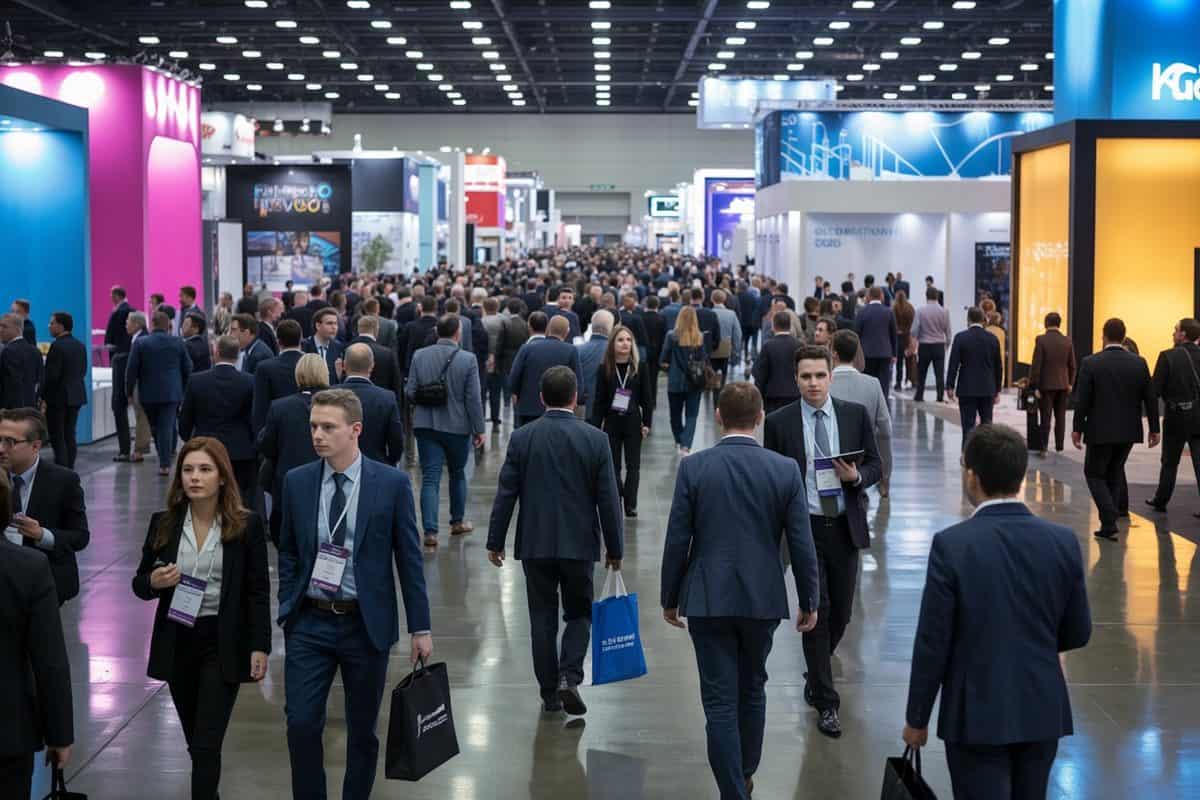
The Independent Hotel Show returned to Olympia London on 5 and 6 October 2026, bringing hotel owners, operators, designers and technology suppliers together as the boutique and luxury accommodation sector confronts rising guest expectations, operational costs and rapid digital change.
London’s Independent Hotel Show has again underlined the growing influence of the independent hotel sector within the wider travel and tourism economy. Held at Olympia London’s National Hall, the two-day business event focused on the issues shaping boutique, luxury and independently operated accommodation: technology investment, hotel design, service standards, staffing, commercial resilience and the guest experience.
Advertisement
Advertisement
The show arrived at a time when independent hotels are looking for ways to retain their individuality while responding to many of the same pressures faced by major international brands. Guests increasingly expect smooth digital journeys, personalised stays, responsible operations and distinctive design. At the same time, owners are dealing with labour costs, changing booking behaviour and the need to protect profitability.
Organisers positioned the 2026 edition around the theme, Shaping Tomorrow: Where Innovation Meets Independent Spirit. The message was clear. Technology is now central to hotel operations, but it must support rather than replace the personality, local knowledge and service culture that make independent properties attractive to travellers.
Advertisement
Advertisement
A specialist meeting point for boutique and luxury hotels
The Independent Hotel Show is designed specifically for the luxury, boutique and independent hotel market. Unlike broad consumer travel exhibitions, it serves as a business-to-business meeting place for hotel owners, general managers, procurement teams, designers, hospitality consultants and suppliers.
The 2026 edition brought together more than 200 exhibiting brands, according to the organiser, alongside thousands of hotel buyers and more than 100 speakers and industry voices. The exhibition covered a wide range of hotel needs, from property-management systems and guest messaging tools to furniture, bedding, amenities, food and beverage solutions, wellness products, interiors and housekeeping services.
Advertisement
Advertisement
For small and medium-sized hotels, these contacts can be particularly important. Independent operators often have less buying power and smaller internal teams than international hotel chains. A specialist trade event allows decision-makers to compare suppliers, understand new products and identify practical solutions in one place.
The show also reflected the broader value of the independent hotel sector to destination tourism. Boutique hotels, heritage properties and design-led stays often help travellers experience a city or region beyond standard accommodation. They encourage spending in local restaurants, shops, galleries, neighbourhoods and cultural attractions. Their success is therefore closely tied to the visitor economy of London and destinations across the United Kingdom.
Artificial intelligence moves from discussion to hotel operations
Technology was one of the strongest themes at the 2026 event. Hotel businesses are increasingly exploring artificial intelligence, automation and data tools to handle routine work, improve communication and create more responsive guest journeys.
For independent hotels, the question is not simply whether to use AI. It is how to use it without losing the human service that guests often expect from a smaller and more personal property.
The Innovation Stage examined how new tools are changing areas such as reservations, digital marketing, guest messaging, revenue management and operational planning. AI can help hotels respond quickly to guest queries, interpret booking patterns, manage demand and reduce repetitive administrative work. However, the technology also raises questions around trust, accuracy, brand voice and the extent to which an automated service should interact with a traveller.
That balance matters greatly in luxury and boutique hospitality. A guest may welcome an instant answer to a late-night request or a tailored pre-arrival message. But the same guest may still expect knowledgeable staff, personal recommendations and a sense that the hotel understands the reason for their trip.
Advertisement
Advertisement
The event’s discussions showed that technology is increasingly being viewed as a way to give staff more time for meaningful guest interaction, rather than as a direct substitute for people. This is likely to remain a defining issue for the hotel industry as digital tools become more advanced and more widely available.
Design becomes a commercial and guest-experience decision
Hotel design was another major focus at Olympia London. In the independent sector, design is not just about appearance. It can influence guest satisfaction, online visibility, length of stay, spending and repeat bookings.
The 2026 show used specially designed areas to bring its central theme to life. The Hotel Business Stage, Innovation Stage and Social Business Space were developed as environments for ideas, conversations and networking. Their purpose was to demonstrate how materials, lighting, sound, layout and atmosphere can affect the way people feel in a hospitality space.
For hotel owners, this is an important commercial lesson. Travellers now make many booking decisions through images, reviews and social media. A well-designed bedroom, lobby, restaurant or wellness area can strengthen a property’s identity and help it stand out in a competitive market. However, design also has to work operationally. Hotels must consider maintenance, accessibility, durability, energy use and how a space supports guests and staff throughout the day.
The programme also explored the growing interest in adaptable spaces. Hotels are increasingly expected to serve different guests at different times: leisure travellers, remote workers, business guests, local diners and event attendees. Flexible design can allow an independent hotel to create more revenue opportunities without losing its sense of place.
Business strategy beyond the bedroom
The hotel business is increasingly shaped by more than room sales. Food and beverage, wellness, meetings, local partnerships, direct bookings and guest loyalty all form part of a modern property’s commercial strategy.
Advertisement
Advertisement
The Hotel Business Stage addressed topics including profitability, recruitment, branding, sustainability and changing consumer expectations. These areas are especially relevant as travellers seek more memorable and experience-led stays. Guests are not only booking a room. They are choosing a location, a story, a design style, a food offer and a level of service.
Independent properties can often move quickly when consumer preferences shift. They can develop local collaborations, refresh menus, improve neighbourhood experiences or introduce new guest services without the long approval processes sometimes found in large hotel groups. However, this flexibility requires clear planning and a firm understanding of the hotel’s identity.
The Independent Hotel Show gave operators an opportunity to consider how they can build revenue while keeping that identity intact. A heritage hotel, a coastal retreat, an urban boutique property and a countryside inn may have different audiences, but they share the same need to create an experience that is clear, consistent and commercially sustainable.
New hosted-buyer programme strengthens supplier connections
A notable addition for 2026 was the hosted-buyer programme. It created scheduled one-to-one meetings between qualified hotel owners and operators and hospitality suppliers.
This format is increasingly common across travel and hospitality trade events because it helps attendees use limited time more effectively. Instead of relying only on informal conversations on the show floor, buyers can meet suppliers whose products or services are relevant to their investment plans.
For hotel businesses considering a refurbishment, technology upgrade, sustainability project or new wellness offer, these meetings can speed up research and procurement. For suppliers, they offer direct access to senior decision-makers in a sector where purchasing choices are often based on trust, quality and long-term support.
Advertisement
Advertisement
The programme also reinforced the show’s role as a platform for business growth rather than simply a product display.
Why the Independent Hotel Show matters for travel and tourism
The Independent Hotel Show remains important because accommodation shapes the visitor experience from arrival to departure. Hotels influence where travellers stay, how long they remain, what they spend and which parts of a destination they explore.
As the travel sector becomes more competitive, independent hotels are under pressure to combine high standards with a distinctive personality. The 2026 London edition showed that innovation, thoughtful design and personal service are no longer separate priorities. They must work together.
For the travel industry, the event offered a clear view of where boutique and luxury hospitality is heading. The future is likely to include more intelligent technology, more flexible spaces, stronger local storytelling and a continued focus on guest experience. For independent hoteliers, the challenge will be to embrace these changes while preserving the character that makes their properties memorable.
Advertisement
