
Italy Stands Alongside United Kingdom as Screen Tourism Triggers a Massive European Travel Surge for Tourists

Published
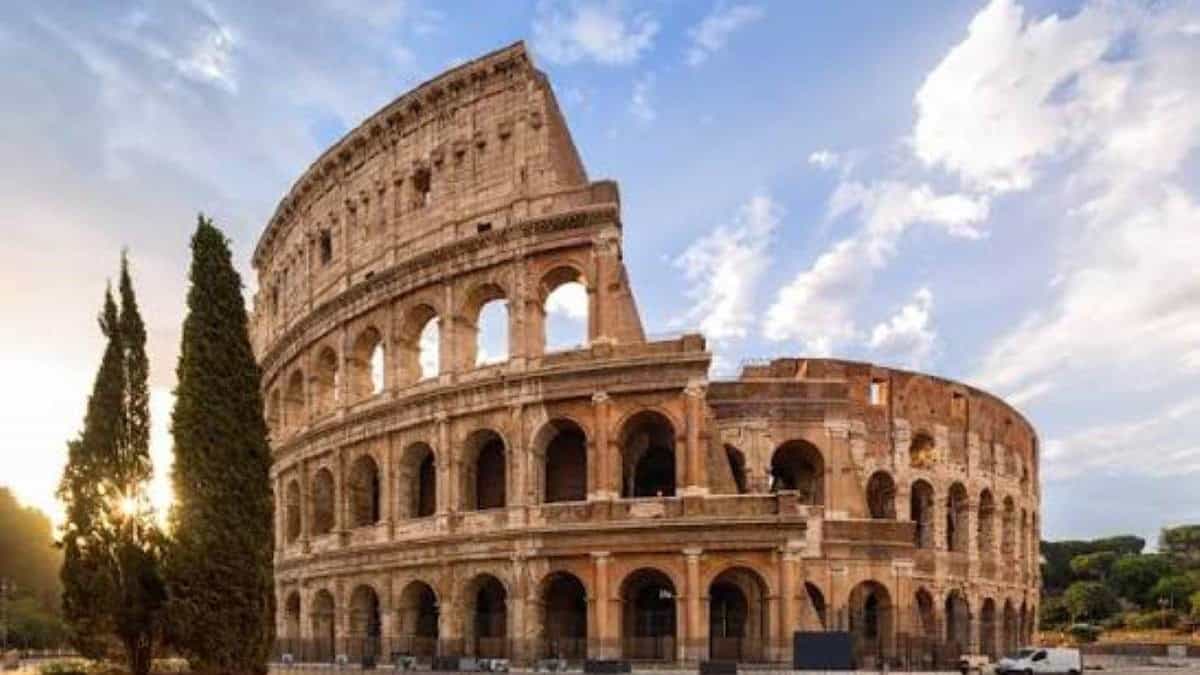
Italy stands alongside the United Kingdom as Europe enters a striking new chapter in travel. Screen tourism is no longer a niche interest reserved for devoted film fans. It is increasingly shaping where tourists want to go, what they want to see, and how they plan their holidays. From Rome and Tuscany to Yorkshire and other iconic locations, familiar scenes are turning destinations into powerful travel magnets. As a result, a massive European travel surge is taking shape around stories first discovered on screens. Tourists are not simply watching their favourite films and series. They are following characters, landscapes and memorable locations into the real world. Meanwhile, streaming platforms are giving these places global visibility at remarkable speed. Why is this trend gaining such momentum, and which countries stand to benefit most? Travel And Tour World explores the data, destinations, and cinematic forces driving this powerful shift.
Europe’s Screen Tourism Boom: How Movies and TV Shows Are Turning Film Locations Into Travel Hotspots
Movies and television shows are changing the way travellers discover Europe. A landscape seen on screen, a historic street used in a drama, or a hotel featured in a series can now become the starting point for a holiday.
Advertisement
Advertisement
This growing form of travel is known as set-jetting. It involves visiting destinations that have appeared in films or television shows, letting travellers experience places connected to stories and characters they already know.
Europe is particularly well placed to benefit. The continent combines historic cities, dramatic countryside, Mediterranean coastlines and recognisable architectural landmarks with a long history of film production.
Advertisement
Advertisement
In 2026, destinations across the United Kingdom, Italy, Croatia and Greece are among those being linked to major productions. Some have already recorded measurable increases in travel searches after releases. Others are being identified as destinations that could benefit from upcoming films and television projects.
The result is a new relationship between entertainment and tourism. A screen production can introduce a destination to millions of viewers, while tourism allows those viewers to turn a fictional experience into a real journey.
Advertisement
Advertisement
Comment of Anup Kumar Keshan, Founder and Editor-in-Chief, Travel And Tour World – “Film and television are becoming powerful gateways to destination discovery. Europe has a unique advantage, with its historic cities, landscapes and cultural richness already familiar to global audiences. As screen-inspired travel grows, tourism boards can turn cinematic visibility into meaningful journeys that support local communities, businesses and wider regional tourism.”
2026 European Tourism Market: The Countries Driving the Travel Recovery
| Country / Market | 2026 tourism statistic | Year-on-year change | What it indicates |
|---|---|---|---|
| European Union | 1.321 billion overnight stays in H1 2026 | +1.7% | EU tourism continued to expand in the first half of 2026 |
| Italy | 47.0 million arrivals and 147.9 million tourist nights in Q2 2026 | Arrivals -0.8%; nights +3.9% | Longer stays and stronger international demand supported the market |
| Greece | 4.922 million inbound travellers in June 2026 | +6.9% | International visitor flows continued to rise |
| Croatia | 3.0 million tourist arrivals and 13.5 million nights in June 2026 | Arrivals -6.6%; nights -6.1% | Foreign demand remained dominant despite a monthly decline |
| United Kingdom | 136.8 million passenger arrivals in the year ending June 2026 | +1% | Overall arrivals remained above the previous year |
United Kingdom: Yorkshire Moves From Literary Landscape to Screen Attraction
Yorkshire is one of Europe’s clearest examples of the current screen-tourism effect. The significance of Yorkshire is larger than one film.
The region already has a strong tourism identity built around landscapes, heritage, historic towns and countryside. Screen exposure adds another reason to visit. The moors associated with Brontë’s literary world can now be seen through a contemporary cinematic interpretation, creating a bridge between literature, film and physical travel.
That combination matters because screen tourism does not always replace traditional destination appeal. Instead, it can provide another layer.
A visitor may arrive because of Wuthering Heights but spend time exploring the wider Yorkshire landscape, local businesses and attractions. This is precisely why destinations can benefit when film interest is converted into broader itineraries rather than a single photo opportunity.
The same forecast included the Dolomites in Italy and several other destinations connected to forthcoming screen releases. These locations are forecasts rather than confirmed increases in visitor numbers, so their eventual impact will depend on audience response and travel behaviour.
Advertisement
Advertisement
Italy: Rome Shows the Power of a Streaming Franchise
Italy provides another strong example of how television can influence established destinations.
Rome does not need a television series to introduce it to international travellers. The Italian capital is already one of Europe’s best-known cultural destinations. Yet screen exposure can still change how audiences think about the city.
This is an important distinction.
Set-jetting is not necessarily about taking an unknown destination and making it famous. In cities such as Rome, entertainment can refresh interest among people who already know the destination.
A viewer who has previously considered Rome may suddenly see it through a different lens. Streets, restaurants, architecture, and everyday city scenes become part of a familiar story. The destination gains a contemporary cultural reference point alongside its historic attractions.
These examples show the breadth of Italy’s opportunity. Screen tourism does not depend on a single type of landscape. Romantic cities, rural countryside and dramatic mountains can all become part of the same travel trend.
Advertisement
Advertisement
Tuscany, in particular, demonstrates how film can complement an existing destination identity. Its appeal already rests on landscapes, food, architecture and cultural heritage. A major production can provide another emotional reason for travellers to experience those elements in person.
Croatia: The Dalmatian Coast Benefits From Cinematic Familiarity
Croatia has already demonstrated the tourism power of screen exposure through major international productions.
Dubrovnik became strongly associated with King’s Landing through Game of Thrones, helping establish the city as one of the world’s best-known examples of screen tourism. The phenomenon illustrates how a destination can become part of a fictional world in the minds of international audiences.
The significance of the Croatian example lies in the ability of film and television to distribute attention beyond the most familiar destinations.
A famous filming location can create an initial reason to travel, but the wider region can benefit if visitors extend their trips. Coastal towns, islands, local food and cultural attractions can become part of a larger itinerary.
This matters for destinations dealing with intense visitor pressure. When screen interest is managed carefully, it can potentially encourage travellers to explore beyond one famous landmark.
Advertisement
Advertisement
The challenge is ensuring that cinematic popularity does not reduce a destination to a backdrop.
A successful screen-tourism strategy should encourage visitors to understand the real place behind the fictional setting. The landscapes, communities and businesses that existed before the cameras arrived remain the destination’s most important assets.
Greece: The Peloponnese Prepares for a New Cinematic Wave
Greece is another European country where screen exposure could influence future travel demand.
That difference is important.
A forecast does not mean that a destination has already experienced a particular increase in visitors. It identifies a potential connection between an entertainment release and future travel interest.
For Greece, the relationship between cinema and tourism is especially natural. The country already has a powerful international identity based on ancient history, islands, coastlines and mythology. A film based on one of the world’s best-known classical stories can add another layer to that identity.
Advertisement
Advertisement
The Peloponnese also shows why the next phase of screen tourism may benefit destinations outside the most recognisable European capitals.
Travellers who have already visited Athens, Santorini or Mykonos may look for a different Greek experience. A major film can give a less internationally dominant region a new narrative that encourages discovery.
The opportunity is therefore not simply to attract people who want to recreate scenes. It is to use the screen connection as a gateway to the wider region.
France: The Next Opportunity Is Closely Watched
France remains one of Europe’s strongest cinematic destinations, from Paris to the French Riviera.
Paris has long been part of international cinema, while productions such as Emily in Paris have given audiences a contemporary and highly visual interpretation of the French capital.
The connection between a production and tourism can be commercially powerful, but the timing matters. A destination may be discussed extensively before filming begins, after a trailer is released, immediately after a series launches, or months later when travellers begin planning trips.
Advertisement
Advertisement
Tourism organisations therefore need to watch entertainment trends continuously rather than assuming that every production will automatically create a visitor boom.
Why Streaming Has Changed the Equation
The growth of streaming has made screen tourism more dynamic.
Traditional cinema could introduce a destination through a major theatrical release, but streaming allows viewers to spend much more time with fictional worlds. A television series can return to the same destination across several episodes or seasons.
That repeated exposure can strengthen emotional familiarity. The company describes the attraction as more than simply visiting a place. Travellers are effectively stepping into a story that already means something to them.
This explains why the trend can influence younger travellers so strongly.
Gen Z and Millennials have grown up in an environment where travel inspiration comes from a mixture of television, streaming platforms, social media and online communities. A destination no longer needs to appear in a traditional travel advertisement to enter someone’s holiday plans.
Advertisement
Advertisement
A memorable scene can be enough.
The Difference Between a Film Setting and a Filming Location
There is, however, an important warning for travellers.
A location shown in a film or series is not always the place where the scene was actually filmed.
Productions can use studios, substitute locations, digital effects or different cities to represent another destination.
This distinction can completely change an itinerary.
Someone travelling to recreate a particular scene may arrive at the wrong city if they only search for the fictional setting. Careful research is therefore becoming part of the set-jetting experience.
Advertisement
Advertisement
Travellers should also check opening hours, access rules and reservation requirements for specific filming locations. Popular sites can attract large numbers of fans, particularly when a production becomes an international hit.
The most rewarding approach is to treat the film connection as the beginning of a trip rather than the entire trip.
From Famous Scene to Wider Destination
There is a broader lesson for European tourism boards.
A screen production can create attention, but destinations need to convert that attention into meaningful travel.
That means encouraging visitors to explore local neighbourhoods, restaurants, cultural attractions, independent businesses and landscapes beyond the famous scene.
Yorkshire is a useful example. A visitor inspired by Wuthering Heights can explore the wider region rather than stopping at a single location. In Rome, a traveller arriving because of Emily in Paris can combine contemporary screen locations with the city’s historical and cultural attractions.
Advertisement
Advertisement
This approach spreads economic benefits and gives travellers a fuller understanding of the destination.
It also protects the value of the location itself. If a place becomes known only as a film backdrop, its real identity can disappear behind the fictional one.
A New Marketing Opportunity for Europe
The growth of screen-inspired travel gives European destinations a new way to connect with international audiences.
Tourism boards have traditionally promoted beaches, museums, architecture, food and heritage. Those remain important. But film and television can provide something conventional advertising sometimes struggles to create: an emotional relationship before the traveller arrives.
The data suggests that relationship is becoming measurable.
Yorkshire’s 60% increase in search interest following Wuthering Heights, Rome’s 35% rise after Emily in Paris Season 5 and the forecast for destinations such as Tuscany, the Dalmatian Coast and the Peloponnese show different stages of the same process.
Advertisement
Advertisement
Some destinations are responding to a confirmed surge. Others are preparing for one.
That distinction will become increasingly important as tourism organisations attempt to predict which films and series will become the next global travel catalysts.
The Bigger European Travel Picture
Europe’s advantage is its extraordinary variety.
A traveller can follow literary landscapes in northern England, cinematic countryside in Tuscany, Mediterranean scenery along the Croatian coast, ancient mythology in Greece and contemporary urban stories in Rome or Paris.
Each destination can offer a different version of the same experience: the chance to see a place that audiences first encountered through a screen.
But the strongest destinations will not simply recreate the fictional world.
Advertisement
Advertisement
They will show travellers what lies beyond it.
That is ultimately why screen tourism has become more than a passing entertainment trend. A film may create curiosity, a television series may build emotional familiarity, and social media may turn that fascination into an itinerary. Yet the destination itself still has to deliver the experience.
For Europe, the opportunity is therefore much larger than putting filming locations on a tourism map. It is about connecting stories with real places, spreading visitors across regions and giving audiences a reason to discover the culture, landscape and communities that existed long before the cameras arrived.
Advertisement
