
Tanzania, Morocco, and More Countries Gain 30-Day Visa-Free Entry to the Philippines as Travel Access Expands

Published
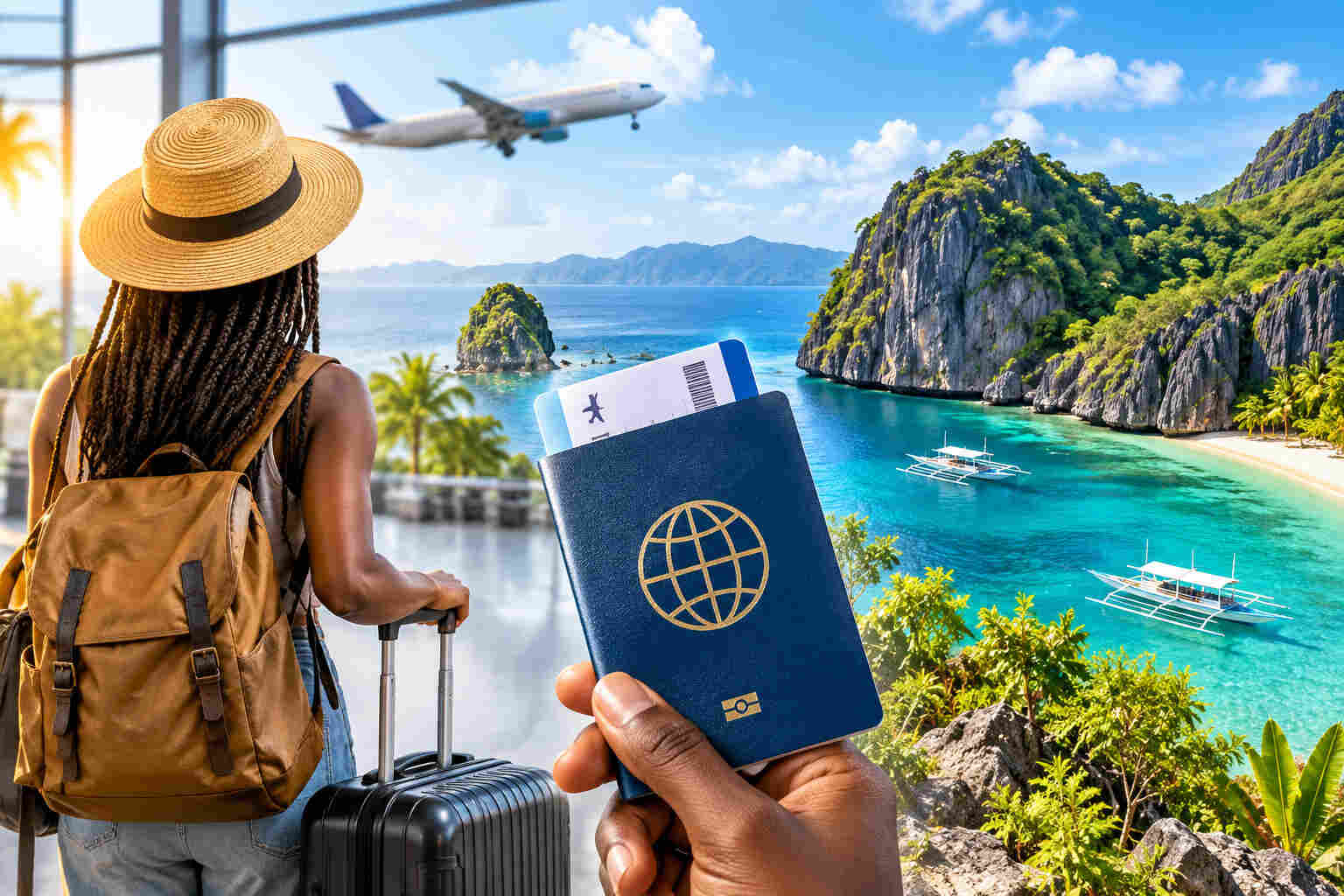
It is easy for travelers from countries such as Tanzania, Morocco, and other nations to visit the Philippines without visa requirements due to the availability of visa free entry within 30 days.
The Philippine government continues to allow visa-free visits to the Southeast Asian country by many travelers coming from many countries. The visa-free travel will last for a period not exceeding 30 days.
Advertisement
Advertisement
The arrangement covers a significant group of African countries as well as major tourism markets across Europe, North America, Asia and Oceania. However, eligibility is not universal. Travellers must check their nationality, passport validity and onward-travel requirements before departure.
For the Philippines, easier entry is more than a border policy. It forms part of a wider strategy to make the country more accessible to international visitors while supporting tourism businesses, destinations, transport networks and investment.
Advertisement
Advertisement
African Travellers Gain Wider Access to the Philippines
A substantial number of African passport holders qualify for the Philippines’ standard visa-free entry arrangement.
Eligible travellers include citizens of Ghana, Kenya, South Africa, Uganda, Tanzania, Ethiopia, Angola, Morocco, Rwanda, Senegal, Zambia and Zimbabwe.
Advertisement
Advertisement
The arrangement also covers citizens of Botswana, Cameroon, Cape Verde, Côte d’Ivoire, the Democratic Republic of Congo, Mauritius, Namibia, Seychelles, Tunisia and Togo.
For eligible travellers, the system removes the need to secure a conventional visitor visa before taking a short trip to the Philippines, provided all immigration conditions are satisfied.
This can make planning easier for tourists travelling for holidays, family visits and other permitted short-term purposes. It may also help strengthen tourism links between the Philippines and emerging African outbound travel markets.
Visa-Free Access Does Not Cover Every African Country
Despite the extensive list of eligible African nations, travellers should not assume that every passport issued on the continent receives the same treatment.
Nationals of several countries remain outside the standard 30-day visa-free arrangement.
These include Nigeria, Algeria, Egypt, Libya, Sierra Leone, Somalia, South Sudan and Sudan. Travellers holding passports from these countries generally need to obtain an appropriate Philippine visa before travelling rather than relying on the standard visa exemption.
Advertisement
Advertisement
The distinction makes nationality checks particularly important before booking flights and accommodation.
Entry requirements can differ substantially even between neighbouring countries. Travellers should therefore verify their eligibility with Philippine immigration or an appropriate Philippine diplomatic mission before departure.
Major Global Tourism Markets Also Receive Visa-Free Entry
The Philippines’ visa-free framework extends far beyond Africa.
Passport holders from major international travel markets including the United States, United Kingdom, Canada, Australia, Japan, Germany, France and South Korea are among those eligible for the standard 30-day visa-free stay, subject to applicable entry conditions.
The broad geographical reach of the policy helps the Philippines compete for international tourists by reducing one of the administrative barriers associated with overseas travel.
Visitors who qualify can potentially arrange a short Philippine holiday without going through a conventional visa application process before departure.
Advertisement
Advertisement
This can be particularly useful for spontaneous holidays, multi-country Southeast Asian itineraries and travellers combining the Philippines with other regional destinations.
China and India Follow Different Entry Rules
Two of Asia’s largest outbound travel markets do not fall under the same standard arrangement.
Chinese and Indian passport holders are outside the principal 30-day visa-free framework described under the general policy and therefore need to examine the specific entry provisions applying to their nationality.
Chinese nationals may qualify for separate short-stay arrangements under specified conditions, including a visa-free period of up to 14 days where the applicable requirements are met.
Because separate exemptions and conditions can differ from the general 30-day programme, travellers should avoid assuming that rules applying to one nationality automatically apply to another.
Checking current immigration requirements before purchasing a ticket is especially important when travelling under a special or conditional exemption.
Advertisement
Advertisement
Passport Validity and Onward Tickets Remain Essential
Visa-free travel does not mean unrestricted entry.
Eligible travellers must still meet Philippine immigration requirements before they can be admitted without a visa.
Under the conditions outlined for the standard arrangement, travellers generally need a passport that remains valid for at least six months beyond the intended period of stay.
They must also have a confirmed return ticket or an onward ticket showing that they plan to leave the Philippines within the authorised period.
Airlines may check these documents before allowing passengers to board. Philippine immigration authorities can also examine them when travellers arrive.
Visitors should therefore ensure that passport validity, travel dates and onward bookings comply with the rules well before reaching the airport.
Advertisement
Advertisement
The broader visa-exemption framework operates under Executive Order No. 408 and subsequent amendments and related immigration provisions.
Philippines Uses Easier Entry to Support Tourism Growth
The visa-free system has wider economic importance because tourism remains a major part of the Philippine economy.
According to the figures provided, the Philippines received approximately 5.94 million international visitors during 2025.
International tourism generated an estimated PHP694 billion in visitor spending, demonstrating how overseas arrivals can feed directly into hotels, restaurants, transport providers, attractions, retail businesses and local tourism enterprises.
Tourism’s influence extends well beyond traditional holiday destinations. Visitor expenditure can move through supply chains and support businesses ranging from food producers and tour operators to aviation, ground transport and accommodation.
The sector accounted for approximately 8.1% of the national economy during the year, according to the supplied figures.
Advertisement
Advertisement
Tourism was also associated with around 7.7 million jobs, underlining the importance of maintaining international demand.
Easier Entry Could Help Spread Visitors Across the Country
Improved accessibility can also support the Philippines’ effort to attract travellers beyond its best-known gateways.
International tourists frequently associate the country with Manila, Cebu, Boracay and Palawan, but the Philippines contains thousands of islands and a much broader range of destinations.
Simpler entry can encourage visitors to create longer or more complex itineraries that combine major gateways with smaller destinations.
Beach holidays remain one of the country’s strongest tourism draws, but the Philippines also offers diving, island hopping, heritage attractions, food tourism, mountain landscapes, nature experiences and urban breaks.
The economic impact can therefore spread across multiple communities when international arrivals travel beyond the principal tourism centres.
Advertisement
Advertisement
Airport and Transport Improvements Support the Tourism Push
Entry policy represents only one part of the country’s tourism strategy.
Investment in airports and transport infrastructure is also important because attracting more international visitors requires sufficient capacity to move travellers efficiently between gateways and destinations.
Airport upgrades can improve passenger handling, terminal capacity and connectivity, while stronger ground and domestic transport links can make it easier for international visitors to reach secondary destinations.
This is especially significant for an archipelagic country where aviation and maritime transport play central roles in domestic tourism.
Better infrastructure combined with easier border procedures could therefore improve the overall visitor journey from arrival to final destination.
Eligible Visitors May Be Able to Extend Their Stay
The initial 30-day visa-free period does not necessarily represent the maximum amount of time an eligible traveller can remain in the Philippines.
Advertisement
Advertisement
Travellers admitted under the standard 30-day visa exemption can apply for an additional 29-day extension through the Philippine Bureau of Immigration, subject to immigration rules and approval.
If granted, the extension can increase the authorised stay to as much as 59 days.
This provides additional flexibility for travellers who want more time to explore the country rather than leaving after a short holiday.
Anyone planning an extended stay should apply through the proper immigration process and ensure that permission is secured before the original authorised period expires.
Overstaying can lead to immigration penalties and complications, so visitors should keep careful track of their permitted stay.
Brazil and Israel Have Separate 59-Day Arrangements
Some nationalities already receive longer visa-free periods because of separate bilateral arrangements.
Advertisement
Advertisement
Citizens of Brazil and Israel can benefit from existing provisions allowing visa-free stays of up to 59 days, subject to the applicable immigration conditions.
These arrangements highlight why travellers should check rules specifically attached to their passport rather than relying on a general list of visa-free countries.
Length of stay, eligibility conditions and documentary requirements can vary according to nationality and the legal framework governing entry.
What Travellers Should Check Before Flying
Anyone planning a visa-free trip to the Philippines should confirm their immigration status before departure.
Travellers should first establish whether their nationality is covered by the relevant visa-exemption arrangement. They should then verify that their passport satisfies the required validity period and make sure they have evidence of a confirmed return or onward journey.
Those planning to remain for longer than the initial visa-free period should also understand the extension procedure before travelling.
Advertisement
Advertisement
Entry permission ultimately remains subject to Philippine immigration controls. Visa-free eligibility allows qualifying travellers to arrive without obtaining a conventional visa beforehand, but it does not provide an unconditional right of admission.
Rules may also be amended, making a final check with official Philippine authorities important before travel.
A More Accessible Philippines for International Visitors
The Philippines’ visa-free framework gives travellers from a diverse range of African and global markets a simpler route to short-term visits.
Eligible passport holders from Ghana, Kenya, South Africa, Uganda, Tanzania, Ethiopia, Morocco, Rwanda and numerous other African nations can benefit from the standard 30-day arrangement, alongside visitors from major markets such as the United States, United Kingdom, Canada, Australia, Japan, Germany, France and South Korea.
At the same time, the exclusions affecting countries including Nigeria, Algeria, Egypt, Libya, Sierra Leone, Somalia, South Sudan and Sudan show why travellers must carefully verify requirements based on nationality.
Combined with tourism investment, airport development and transport improvements, easier entry can strengthen the Philippines’ ability to attract international visitors and encourage them to explore more of the country.
For travellers, the opportunity is straightforward: those who qualify can spend less time dealing with pre-departure visa procedures and more time planning where to go once they arrive.
Advertisement
