
Germany Surpasses France, Switzerland, Netherlands and Austria and More as Europe’s River Cruise Boom Reaches New Heights With Nearly Seven Billion Euros in Spending, Millions of Travellers and Rhine, Danube and Moselle Routes Transforming the Future of Luxury Travel

Published
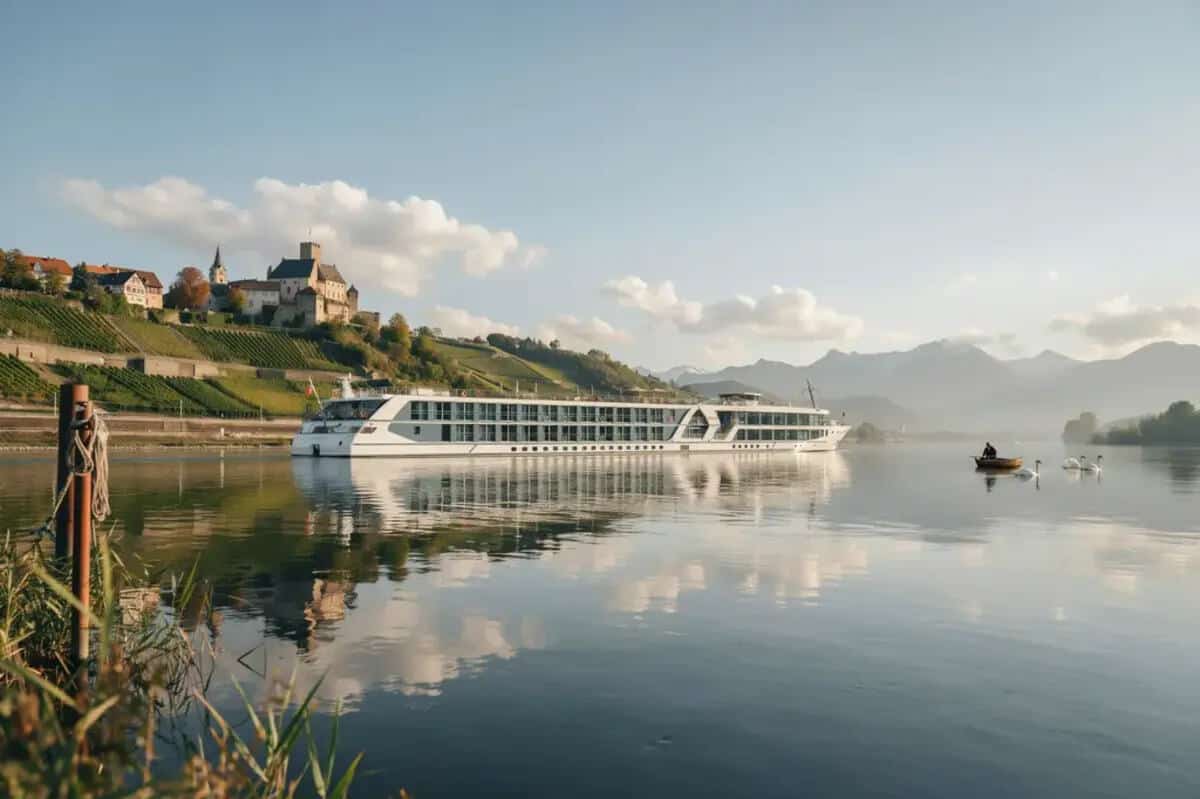
Image generated with Ai
Germany Surpasses France, Switzerland, Netherlands and Austria and More as Europe’s river cruise leader, with the market reaching new heights through nearly seven billion euros in spending, millions of travellers choosing premium waterway holidays and expanding routes across the Rhine, Danube and Moselle rivers. The country’s strong position has been driven by rising demand for comfortable, convenient and immersive travel experiences where historic cities, scenic landscapes and cultural destinations can be explored without frequent hotel changes. As European travellers increasingly embrace slow tourism and luxury river journeys, Germany’s powerful cruise sector has become a major force transforming the future of holiday experiences across the continent.
Germany has emerged as one of Europe’s strongest river cruise markets as demand for relaxing, scenic and convenient holidays continues to rise. The country has recorded nearly seven billion euros in river cruise spending in 2025, highlighting the growing popularity of this travel segment among European holidaymakers.
Advertisement
Advertisement
The expansion of river cruising has been supported by changing traveller preferences, increasing demand for slower travel experiences and the introduction of more modern cruise vessels. Instead of following traditional holiday patterns based around crowded resorts or frequent hotel changes, millions of travellers are now choosing journeys where accommodation, transportation and sightseeing are combined into one seamless experience.
Across Europe, river cruise tourism has been strengthened by a wide network of waterways connecting historic cities, cultural landmarks, wine regions and natural landscapes. The Rhine, Danube, Moselle, Main, Saar and Neckar rivers have become important travel corridors, allowing visitors to experience multiple destinations while enjoying a comfortable journey.
Advertisement
Advertisement
The European river cruise sector has recorded significant growth, with hundreds of vessels operating across major waterways. Millions of passengers have travelled on European river cruises, creating millions of overnight stays onboard and generating substantial economic value for destinations located along these routes.
Advertisement
Advertisement
Germany’s Rhine River Strengthens Position as Europe’s Leading Cruise Destination
Germany’s dominance in the river cruise sector has been closely linked with the popularity of the Rhine River. The waterway has remained one of the most attractive cruise routes in Europe due to its combination of historic cities, natural scenery and cultural experiences.
The Rhine has connected travellers with destinations offering medieval architecture, famous landmarks, vineyards and traditional European landscapes. Cities such as Cologne and Koblenz have become major highlights, while routes extending towards Strasbourg in France and Basel in Switzerland have created strong international appeal.
The Middle Rhine Valley has remained a major attraction because of its dramatic landscapes, historic castles and famous viewpoints. Cruise passengers have been able to explore vineyards, riverside villages and cultural sites while travelling through one of Europe’s most recognised scenic regions.
The success of Rhine River cruises has also encouraged operators to expand their itineraries and introduce upgraded vessels featuring improved accommodation, dining facilities and premium travel experiences.
France Connects With Germany Through Historic Rhine River Journeys and Cultural Travel Experiences
France has played an important role in Europe’s river cruise network through its connection with the Rhine route. The city of Strasbourg has remained one of the most recognised destinations included in cross-border river cruise itineraries.
Advertisement
Advertisement
French river cruise experiences have been valued for their combination of culture, architecture and gastronomy. Travellers exploring the region have been able to experience historic districts, traditional cuisine and European heritage while moving between countries without the need for frequent transfers.
The connection between Germany and France through river cruising has strengthened the appeal of international European holidays. Visitors have increasingly preferred journeys that allow multiple countries to be explored during a single trip.
Switzerland Attracts Travellers Through Scenic Rhine Routes and Premium River Tourism
Switzerland has continued to contribute to Europe’s river cruise growth through destinations connected with the Rhine River network. Basel has become a significant gateway for travellers beginning or ending river cruise journeys.
The country’s reputation for natural beauty, organised tourism infrastructure and high-quality travel experiences has supported its role within European river cruise programmes.
River cruise passengers have been attracted by Switzerland’s combination of mountain landscapes, cultural attractions and easy access to neighbouring European destinations. The integration of Swiss locations into wider European itineraries has helped create longer and more diverse cruise experiences.
Advertisement
Advertisement
Netherlands Supports Europe’s Expanding Waterway Tourism Network
The Netherlands has been recognised as an important part of Europe’s wider river and canal tourism environment. Although not the primary focus of the latest market figures, Dutch waterways have historically played a significant role in European cruise connections.
The country’s extensive network of rivers and canals has provided opportunities for scenic journeys combining urban attractions, historic towns and distinctive landscapes.
As European river cruising continues to expand, destinations across the Netherlands have benefited from increasing interest in slower travel experiences focused on culture, architecture and local discovery.
Austria Gains Importance Through Danube River Cruise Growth and Central European Connections
Austria has remained closely connected with the European river cruise market through the Danube River. The waterway has become one of the continent’s most important cruise routes, linking several countries and providing access to historic cities and cultural destinations.
Danube cruises have attracted travellers looking for a combination of heritage, nature and convenience. Austrian destinations have added value to these journeys through historic attractions, scenic landscapes and cultural experiences.
Advertisement
Advertisement
The growing popularity of Danube cruises has strengthened Austria’s role within Central Europe’s tourism network and supported the continued expansion of multi-country river cruise itineraries.
Europe’s River Cruise Market Expands as Travellers Seek Comfortable and Predictable Holidays
The growth of European river cruises has been driven by several major travel trends. A growing number of visitors have been looking for holidays that offer comfort, convenience and a more personal experience.
River cruises have provided an alternative to traditional package holidays because travellers have been able to explore several destinations while staying on the same vessel throughout the journey.
The ability to avoid repeated hotel changes has become one of the strongest advantages of river cruising. Travellers have also been attracted by predictable costs, as many cruise packages include accommodation, meals and transportation within one booking.
The shift towards slower and more meaningful travel has further increased demand. Smaller towns, historic regions and natural landscapes have gained popularity as visitors move away from overcrowded destinations.
Advertisement
Advertisement
Modern Cruise Ships and New Routes Drive Europe’s Next Tourism Growth Phase
The future expansion of European river cruising is expected to be supported by continued investment in new vessels and improved travel experiences.
Cruise operators have increasingly introduced modern ships designed with greater comfort, upgraded facilities and premium services. New routes have also been developed to provide travellers with more choices across Europe’s waterways.
Market forecasts indicate that the value of European river cruise sales could continue rising significantly in the coming years. Growth is expected to be supported by increasing international demand and demographic changes, particularly among older travellers who have traditionally shown strong interest in river cruising.
Environmental Challenges Create New Pressure for Europe’s River Cruise Industry
Despite strong growth, the river cruise sector is facing increasing attention over environmental concerns. Cruise vessels have been examined because of emissions produced during operation and while docked at ports.
Concerns have included carbon dioxide emissions, air pollutants and noise impacts affecting riverside communities. Infrastructure limitations on certain waterways have also created challenges for future expansion.
Advertisement
Advertisement
European destinations and cruise operators are increasingly focusing on improving sustainability measures, modernising vessels and reducing environmental impacts while maintaining tourism growth.
Germany and Europe Enter a New Era of River Cruise Travel
Germany’s rise as Europe’s leading river cruise market reflects a broader transformation taking place across the continent’s tourism industry. With nearly seven billion euros in spending, millions of travellers and expanding international routes, river cruising has become one of Europe’s most important travel trends.
From Germany’s Rhine River landscapes to France’s cultural destinations, Switzerland’s scenic gateways, the Netherlands’ waterways and Austria’s Danube experiences, European river cruises are connecting countries through comfortable and immersive journeys.
Germany Surpasses France, Switzerland, Netherlands and Austria and More as Europe’s river cruise powerhouse, driven by nearly seven billion euros in spending and millions of travellers choosing Rhine, Danube and Moselle journeys for convenient, scenic and luxury travel experiences.
As travellers continue searching for authentic experiences, convenient exploration and peaceful escapes, Europe’s river cruise industry is expected to remain a powerful force shaping the future of luxury and slow travel.
Advertisement
