

Costa Rica Targets Regulated Eco-Luxury Growth as Visa-Run Rules Face Scrutiny

Published
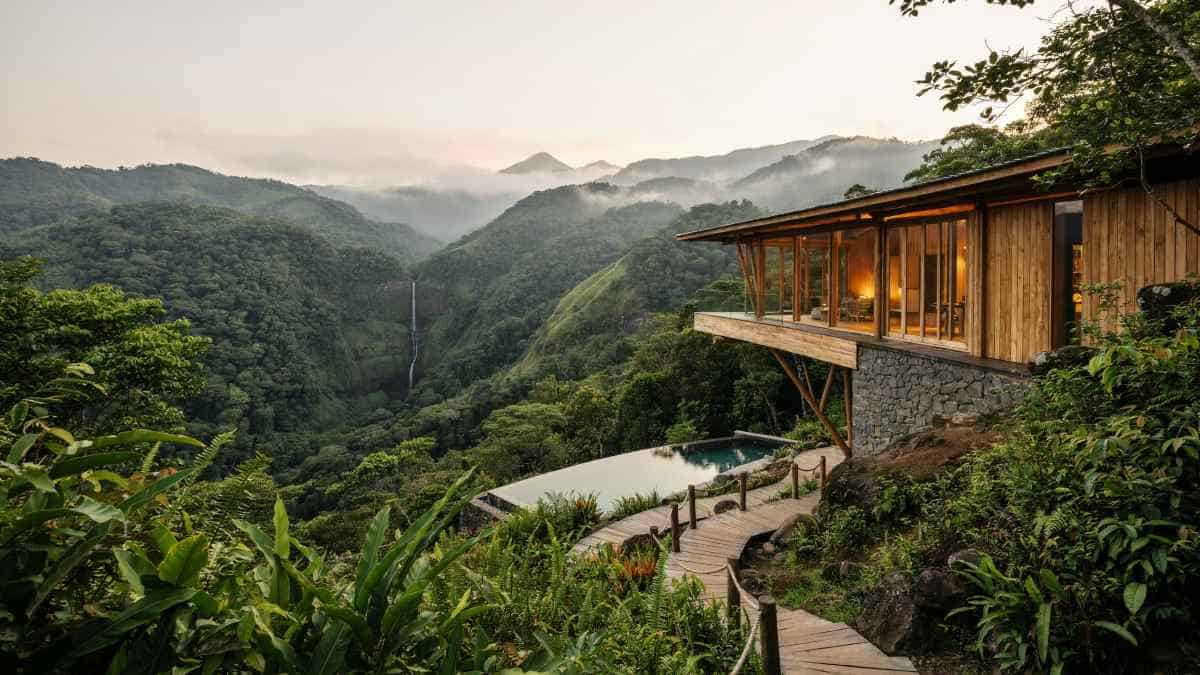
The nation of Costa Rica aims to improve its competitive position in the international tourism market via sustainable investments, longer stay programs and improved aviation infrastructure. The country’s well-known attraction of natural scenery and adventure sports is being complemented with quality hotel services, tropical forest tourism and business assistance for professionals who work remotely. This policy is placing Costa Rica’s conservation-based approach to tourism development along with more attention to high-value guests. Guanacaste, especially, has become a key destination for hotel investments and international leisure tourism, whereas the digital nomads program allows a formally established way for foreign citizens eligible to temporarily reside in the country to work remotely. Simultaneously, the initiatives to solve the problem of recurrent visits and what is known as the ‘visa runs’ have led to introducing the issues of immigration legislation into the broader discussion of Costa Rica’s policies for long-stay tourism. Yet, the line between proposed regulatory amendments and already existing provisions is relevant because the official materials available do not indicate a total ban on the same-day land border re-entry across the country.
Visa-run proposals bring immigration rules into focus
The practice commonly known as a visa run involves a foreign national leaving a country before their permitted tourist stay expires and returning shortly afterwards in an attempt to obtain a fresh period of authorised stay. In Costa Rica, the issue has been the subject of legislative attention, particularly around the use of repeated exits and re-entries to maintain an extended presence without obtaining an appropriate residence status.
Advertisement
Advertisement
A legal opinion published by Costa Rica’s Office of the Attorney General in October 2025 examined a proposed legislative initiative intended to address this practice. The opinion considered the objective of regulating tourist stays legitimate, while stressing that any restrictions, penalties or limits on re-entry would need to meet standards of reasonableness, proportionality and non-discrimination. It also highlighted the need for clear definitions and properly established procedures.
This is significant for travellers who have been relying on repeated border crossings rather than applying for a longer-term immigration category. Nevertheless, the legal opinion should not be interpreted as confirmation that all repeat same-day crossings have already been prohibited or that a new enforcement system has been fully implemented.
Advertisement
Advertisement
Costa Rica’s existing entry requirements already require visitors to hold a valid passport and demonstrate that they intend to leave the country before their authorised stay expires. Depending on the circumstances, acceptable proof can include a pre-purchased onward flight, bus ticket or cruise passage. Immigration officers also determine the permitted period of stay at entry.
Digital nomad framework offers a regulated alternative
For international professionals seeking to spend longer periods in Costa Rica, the country’s digital nomad programme provides a more formal option than repeated tourist entries. Introduced under legislation for remote workers and service providers, the framework allows eligible foreign nationals to remain for an initial period of one year, with the possibility of a further one-year extension.
Advertisement
Advertisement
Applicants must demonstrate that they provide services remotely to individuals or businesses located outside Costa Rica. The official requirements specify a minimum monthly income of US$3,000 for an individual applicant, rising to US$4,000 where dependants are included. Applicants must also provide supporting financial documentation, meet applicable visa requirements and pay the prescribed government fee.
The programme offers several benefits, including exemptions from Costa Rican income tax on qualifying foreign-source income, access to local bank accounts subject to the relevant rules and recognition of foreign driving licences during the authorised stay. Applications can be processed through the government’s digital platform, providing an established administrative route for eligible remote workers.
For Costa Rica, the framework creates an opportunity to attract visitors who may spend months in the country, use local accommodation and transport services, and contribute to the economy while retaining their overseas employment or clients. It also provides a clearer distinction between short-term tourism and an extended stay based on remote work.
Guanacaste strengthens its position as a premium gateway
Guanacaste has become one of Costa Rica’s most established tourism investment areas, supported by its Pacific coastline, beaches, protected ecosystems and concentration of hotels. The region’s main international gateway, Daniel Oduber Quirós International Airport near Liberia, receives both scheduled commercial services and charter flights, connecting visitors with resorts and coastal destinations.
The Costa Rican Tourism Institute identifies Guanacaste as one of the country’s most developed tourism areas, noting the scale of hotel investment and the airport’s role in receiving international charter and commercial services from the United States.
Air connectivity is also continuing to develop. In September 2026, the Tourism Institute highlighted an additional Vancouver–Guanacaste connection scheduled to operate between 13 December 2026 and 12 April 2027. The route is intended to strengthen access from Canada during the northern winter season. The institute has also reported additional international airline capacity and new services as part of its wider airline-attraction strategy.
Advertisement
Advertisement
These developments support the region’s position in the premium holiday market, although the available announcements do not confirm a specific expansion of private lounge concessions or a dedicated network of premium charter routes. Such facilities should not be presented as completed projects without further official evidence.
Luxury retreats and conservation-led investment
Costa Rica’s premium tourism proposition is closely linked to its natural environment. Rainforests, volcanic landscapes, coastal ecosystems and wildlife habitats provide the foundation for experiences that appeal to visitors seeking more than conventional beach holidays.
Guanacaste offers opportunities for high-end resorts, wellness retreats and nature-focused accommodation, while other parts of the country attract visitors interested in rainforest lodges, guided wildlife observation and specialist conservation experiences. These products can support local employment and generate spending across accommodation, food services, transport and tour operations.
The country’s tourism investment agency actively assists prospective investors interested in hotels, restaurants and other tourism businesses. Its remit also includes relationships with airlines and cruise companies, reflecting the importance of connectivity to the wider tourism economy.
However, premium development in ecologically sensitive areas requires careful planning. Construction, water consumption, waste management and transport infrastructure can all affect surrounding ecosystems. Responsible investment therefore depends on environmental safeguards, land-use planning and meaningful engagement with local communities.
A shift towards longer-term tourism value
Costa Rica’s strategy integrates immigration management, digital residency, connectivity at airports, and sustainable hospitality services within a larger tourism strategy. This proposed solution to the frequent visa runs takes into consideration the issue of how long visits by tourists can be managed; the digital nomad concept offers an already well-known alternative for remote workers. With a wide network of international connections and a well-established hospitality industry in Guanacaste, Costa Rica has the potential to provide its tourists with an excellent holiday destination. At the same time, there is a chance to attract those tourists who may bring additional money for the conservation-based businesses in the region. The difficulty that the country faces is that it should manage the above-mentioned opportunities and protect its natural resources.
Advertisement
