
Colombia’s Quindío Could Turn Overseas Homebuyer Demand Into a Powerful Tourism Comeback

Updated
Published
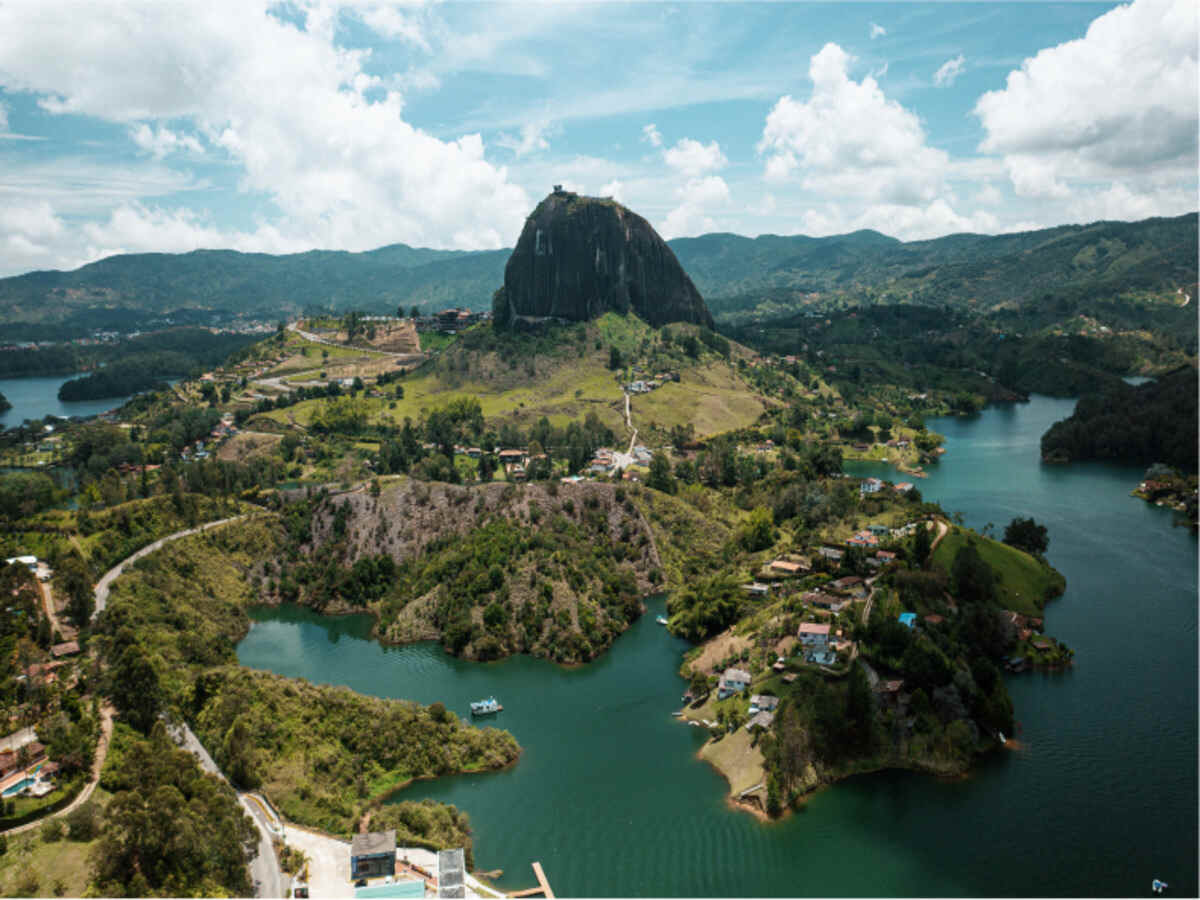
Image Source: Columbia Tourism
Quindío tourism could get a much-needed shot in the arm, thanks to Colombians buying homes overseas, which could lead to holidays, rentals and new businesses. New home sales rose 39.5 percent in Colombia’s famed Coffee Region, an increase that could see many return with their families to the area, bringing in tourists and spending more money at local shops and on local transport and attractions. As Quindío looks to revive its tourism industry after an August earthquake, increased interest in the city from overseas buyers could bring fresh hope that the area will soon see an increase in visitors, jobs and economic growth.
Advertisement
Advertisement
Quindío, Colombia, could gain fresh tourism income from people buying homes while living abroad. Their apartments could bring them back for holidays. Some could also welcome paying guests. That may mean more meals sold, tours booked and work for local people.
The chance comes at a testing time. Reports published on 16 October describe efforts to bring visitors back after an earthquake. Earlier housing figures show a strong base of overseas buyers. Yet buying a home and taking a holiday are different things. The real gain will depend on whether these purchases lead to extra visits and spending across Quindío.
Advertisement
Advertisement
Core Pillars of the Tourism Recovery Plan
| Pillar | Driver / Mechanism | Economic Impact | Status |
|---|---|---|---|
| Family & Diaspora Trips | 15% of international flights tied to visiting friends & relatives. | Sustained spending on food, retail, and regional transit. | High Potential |
| Commercial Short-Term Lets | Projects like CAMU’s Armóniko Living targeting investors. | Job creation in cleaning, property management, and hospitality. | Pending Units |
| Cultural Heritage Assets | UNESCO Coffee Cultural Landscape, Salento, & Filandia crafts. | Dispersal of tourist dollars outside primary urban hubs. | Active Asset |
Overseas Buyers Give Quindío a Strong Starting Point
Camacol, the construction chamber, linked 25.1% of surveyed new home sales in Quindío to Colombians abroad in November 2025. This was Colombia’s highest local share. The category also includes purchases supported by money sent from abroad. It therefore does not count overseas owners alone.
The department sold 2,890 new homes between April 2025 and March 2026, up 39.5% from the previous twelve months. These sales predate the August earthquake. Camacol’s survey covers new homes awaiting delivery. Some buyers may later use their apartments for holidays. However, these figures cannot show how many visitors those homes will bring to the region.
Advertisement
Advertisement
A Home Could Bring Families Back More Often
Owning a holiday home can make planning a return trip easier. Families have somewhere familiar to stay. They may bring children, relatives or friends. Some may stay longer because they do not need to book hotel rooms for every night.
Advertisement
Advertisement
Family trips already matter to Colombia’s tourism. A ProColombia report published in February 2026 found that visits to friends and relatives made up 15% of international flight bookings analysed for December 2025 to May 2026. That national result does not measure Quindío homeowners. It does, however, show why family ties deserve attention when considering how housing might support future tourism.
Armóniko Living Offers a Future Base for Guests
CAMU is marketing Armóniko Living near Armenia, along the El Edén airport corridor. The announced starting price is COP 562.7 million. Plans include apartments with one, two or three bedrooms, plus pools, a gym and a padel court.
The company presents the homes as places to live, visit or let to tourists and visiting professionals. Different sizes could suit couples and families. However, CAMU lists the scheme as a launch. It does not establish that guests already stay there. Any tourism benefit depends on completed apartments, actual bookings and the permissions needed to operate holiday lets under the applicable rules.
Visitor Spending Could Reach Local Workers
A visitor needs more than a bed. Meals, taxis, shopping and days out all create chances for local firms to earn. Overseas owners can support these businesses even when they stay in their own homes.
Advertisement
Advertisement
ProColombia identifies food and drink, transport and accommodation as major parts of international visitor spending. In Quindío, extra stays could mean more customers for cafés, drivers and guides. Busy holiday apartments could also create work for cleaners and people who manage guest arrivals. These are possible gains. They depend on homes attracting visitors who spend locally, rather than remaining empty for most of the year.
Coffee Farms and Colourful Towns Give Guests Reasons to Explore
Quindío already has attractions that can turn a home visit into a wider holiday. Colombia’s Coffee Cultural Landscape gained UNESCO World Heritage status in 2011. Its coffee farms and historic towns offer a clear reason to explore.
Colombia’s official tourism website promotes coffee tours near Armenia. It also points visitors towards Salento, Filandia and the Cocora Valley. Guests can learn about coffee, walk with guides and discover local crafts. Filandia’s basket makers offer another link between visitors and skilled workers. A home near Armenia could serve as a starting point for such trips, spreading spending beyond the place people sleep.
Fresh Reports Put Tourism Recovery in Focus
On 16 October, Quindío Noticias reported efforts to rebuild visitor confidence after the earthquake on 10 August. Officials were promoting the region and discussing better air links. The report announced no confirmed new routes or opening dates.
An official update published on 14 October adds context. It put average accommodation occupancy during the school break at 60%, using preliminary figures. It also reported fewer visitors than a year earlier. Returning owners could help firms through this recovery. Yet housing sales from before the earthquake cannot show that tourism has already bounced back. Actual trips and bookings will tell that story.
Holiday Lets Must Meet Clear Rules
Another report published by Quindío Noticias on 16 October described continued checks on tourist accommodation, including homes offered through Airbnb. The tourism secretary said the work aimed to support lawful businesses and protect formal jobs.
Advertisement
Advertisement
Rules shape what owners can offer. MinCIT, Colombia’s tourism ministry, says tourism providers must register with the National Tourism Register, known as the RNT. They must update that registration each year. Tourist homes need permitted land use. Rules for shared buildings must also allow tourist stays. Buyers therefore need written answers about rental rights. An apartment advertised for visitors still needs the required legal foundations.
Real Success Will Show in Visits and Local Spending
Quindío’s opportunity rests on what happens after buyers receive their keys. A family that returns for holidays may support local cafés and tours. A properly run holiday apartment may welcome guests while its owner lives abroad. Both could help tourism businesses.
But some apartment guests may simply move from existing hotels. More beds alone do not prove more demand. The strongest signs of progress would be extra visitor nights, repeat trips and spending with local firms. For Quindío, overseas home buying offers a possible route towards recovery. The next test is whether owners and guests turn that promise into visits.
Quindío’s increased appeal to overseas homebuyers could usher in a new era for Colombia’s Coffee Region as an international tourist destination, an influx of permanent residents that would have downstream positive effects on the local economy, from hotels and restaurants to tour guides and small shops.
While the 39.5% increase in new-home sales is a positive sign for the local economy, sustained tourism growth will be determined by the number of actual visitors to the area, not just residents, and responsible development of second homes. For Quindío, the opportunity to attract a growing share of overseas buyers presents a chance not only to capitalize on the increased demand, but to evolve into a premier regional tourist destination, one that provides unique experiences to visiting homeowners while also generating lasting local economic benefits and jobs.
Advertisement
