

Germany Joins Belgium and Others in Exploring France’s Cannes Through Cinema, Luxury, Beaches and Heritage Tourism

Updated
Published
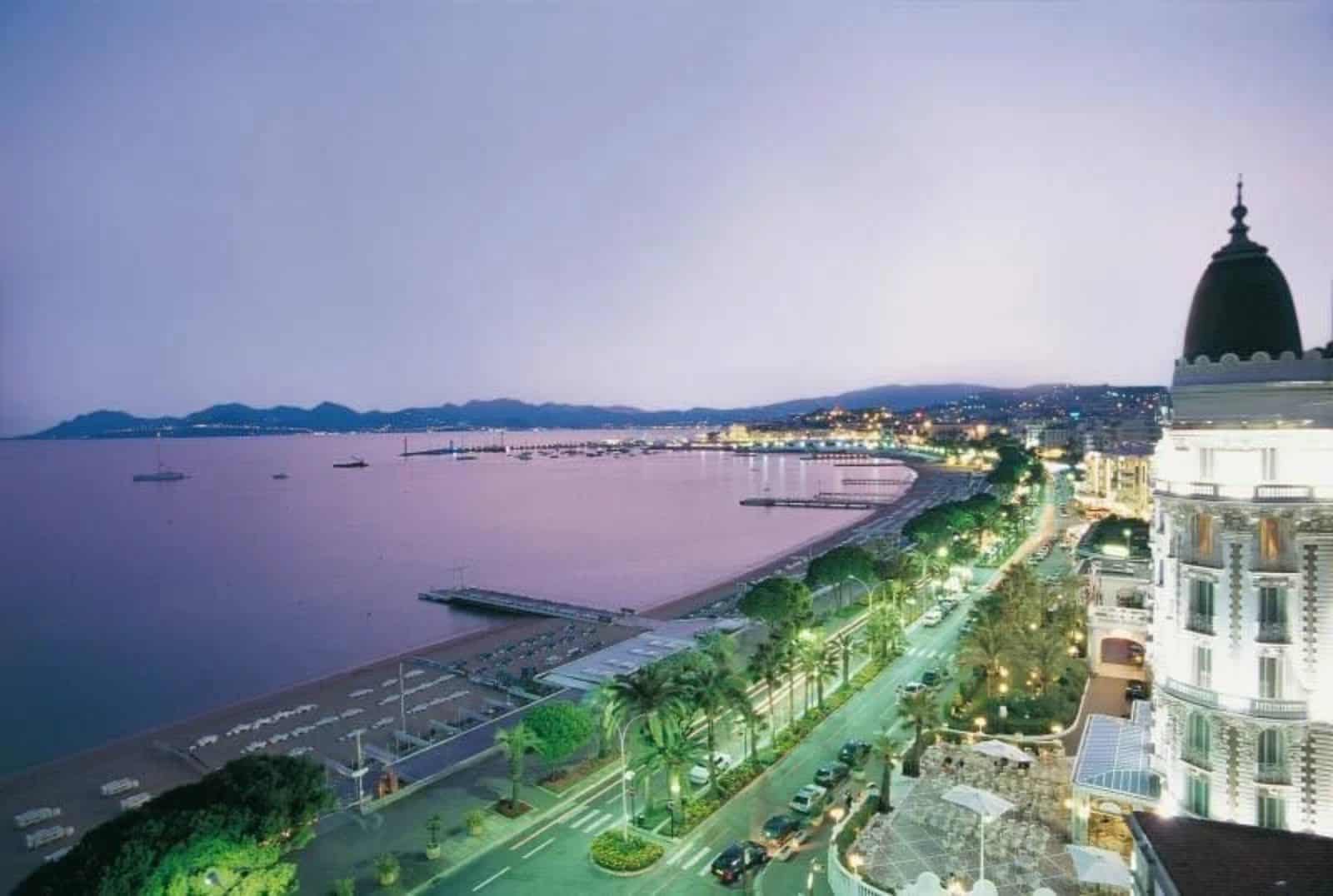
Germany, Belgium, the United Kingdom, and Switzerland remain critical European tourism source markets for France, with Cannes offering a distinctly curated blend of international cinema, Belle-Époque luxury, and authentic Provençal heritage. Located in the Alpes-Maritimes department on the French Riviera, Cannes grounds its globally recognized film culture with tangible Mediterranean experiences—from the bustling Quai Laubeuf at the Old Port to the historic, winding streets of Le Suquet. German, Belgian, British, and Swiss travelers can access these cultural landmarks, Michelin-starred gastronomy, and protected island environments via highly developed European rail, road, and air networks. This accessibility sustains France’s year-round inbound tourism appeal, establishing Cannes as a premier destination for both peak-season coastal recreation and off-season cultural exploration.
Cannes Tourism in 2026: How International Visitors Discover the French Riviera’s Cultural and Coastal Attractions
Moving beyond the exclusive two-week window of its famous May film festival, Cannes in 2026 offers a mature, year-round visitor economy. While Germany, Belgium, the UK, and Switzerland consistently drive French inbound tourism, their travelers arrive in Cannes to find an evolving city that balances heritage preservation with modern luxury. In 2026, visitors navigate a destination marked by ongoing civic investments—such as the transformative roof renovations at Marché Forville and its temporary local producer halls—while enjoying enduring staples like the Palais des Festivals, the private beach clubs of La Croisette, and the protected maritime environments of the Lérins Islands. This dynamic allows Cannes to cater to diverse itineraries, from high-end fashion shopping to historical sightseeing and nature-based Mediterranean excursions.
- Cannes is situated in the Alpes-Maritimes department of southeastern France, benefiting from a mild, year-round Mediterranean microclimate.
- The Palais des Festivals anchors the city’s international identity, drawing visitors to its famed red carpet and the Chemin des Étoiles handprints.
- La Croisette connects high-end beachfront leisure with Belle-Époque luxury hospitality and flagship designer boutiques.
- Le Suquet and the Old Port preserve the city’s origins as a Roman settlement and fishing village, offering sweeping views from the Église Notre-Dame d’Espérance.
- The Lérins Islands provide accessible maritime excursions, featuring 11th-century monastic heritage and protected underwater eco-museums.
| Major attraction | Principal visitor experience | Tourism category |
| Palais des Festivals | Cinematic landmarks, the 24 famous steps, and guided architectural tours | Film tourism |
| La Croisette | Three kilometers of palm-lined waterfront, private beach clubs, and luxury hotels | Coastal and luxury tourism |
| Le Suquet | Cobblestone pedestrian streets, the Museum of World Explorations, and panoramic bay views | Heritage tourism |
| Marché Forville | Seasonal Provençal produce, local socca, and regional culinary immersion | Culinary tourism |
| Lérins Islands | Pine forest trails, medieval fortresses, and active Cistercian vineyards | Island tourism |
Germany’s Travellers Can Explore Cannes Through Cinema, Mediterranean Beaches and Historic French Culture
German visitors planning a holiday in Cannes frequently combine the region’s rich historical sightseeing with the relaxed, sun-drenched atmosphere of the French Riviera. Leveraging efficient transport links from hubs like Frankfurt and Munich, travelers arrive to explore the Palais des Festivals, which provides a tangible connection to European film history. Beyond the cinema district, the three-kilometer La Croisette offers manicured beachfronts and premium shopping. Visitors drawn to architecture and history typically gravitate toward Le Suquet, where steeply pitched medieval streets lead to historic monuments overlooking the Bay of Cannes. To experience authentic daily life, German travelers frequent the vendors of Marché Forville and the traditional purveyors along the pedestrianized Rue Meynadier, anchoring their coastal holidays in regional gastronomy.
- Visit the Palais des Festivals to walk the iconic red carpet and view the handprints of international directors.
- Walk the three-kilometer La Croisette promenade to experience the juxtaposition of sandy beaches and historic palace hotels.
- Discover the medieval architecture, historic clock tower, and panoramic viewpoints of Le Suquet.
- Explore the temporary 2026 local vendor stalls of Marché Forville to sample authentic Niçoise olives and fresh produce.
- Combine cultural sightseeing with Mediterranean swimming and waterfront dining at the city’s accessible public beaches.
| Attraction | What German visitors can explore |
| Palais des Festivals | The 24 red-carpeted steps and international cinema landmarks |
| La Croisette | Pristine sandy beaches, Belle-Époque hotels, and shaded seaside walking paths |
| Le Suquet | The Église Notre-Dame d’Espérance, medieval watchtowers, and sweeping Mediterranean views |
| Marché Forville | Regional food staples, fresh seasonal produce, and local Provençal specialties |
| Rue Meynadier | Pedestrianized traditional shopping, regional cheeses, and artisan delicacies |
Belgium’s Visitors Can Discover Cannes Through French Riviera Shopping, Gastronomy and Island Excursions
Connected directly by TGV routes from Brussels-Midi, Belgian travelers access Cannes as a destination where upscale Mediterranean leisure seamlessly intersects with traditional French culinary heritage. La Croisette caters to those seeking beachfront recreation and premium retail, while the parallel Rue d’Antibes operates as the city’s primary artery for accessible high-street fashion and independent boutiques. Belgian visitors place a high premium on regional gastronomy, frequently sourcing morning provisions from the artisan producers at Marché Forville before dining in the intimate bistros clustering around the base of Le Suquet. Offshore, short ferry rides transport visitors to the Lérins Islands, contrasting the bustling city center with serene Mediterranean pine forests and centuries-old fortresses.
Advertisement
Advertisement
- Discover flagship luxury boutiques and exclusive seaside dining establishments along La Croisette.
- Explore extensive fashion shopping and cosmopolitan retail across the length of Rue d’Antibes.
- Experience authentic Provençal cuisine and regional agriculture at the daily morning sessions of Marché Forville.
- Take a 15-minute boat excursion from Quai Laubeuf to the natural reserves of Île Sainte-Marguerite.
- Visit the historic Old Port’s wooden pointu fishing boats and the adjoining Le Suquet neighborhood.
| Attraction | What Belgian visitors can explore |
| La Croisette | Upscale waterfront shopping, private beach club dining, and Mediterranean vistas |
| Rue d’Antibes | Dense concentrations of fashion boutiques, perfumeries, and city-center retail |
| Marché Forville | Locally caught seafood, regional cheeses, and traditional Provençal street food |
| Île Sainte-Marguerite | Eucalyptus groves, coastal walking trails, and the legendary Fort Royal |
| Old Port | Traditional maritime heritage, luxury yachts, and lively harbor sightseeing |
United Kingdom Travellers Can Experience Cannes Through Film Heritage, Luxury Hotels and Mediterranean Coastal Holidays
Tracing a tourism legacy initiated by Lord Brougham in the 1830s, British travelers continue to explore Cannes for its deeply entrenched relationship with high society, international cinema, and luxury hospitality. The Palais des Festivals serves as a central anchor, allowing UK visitors to physically interact with cinema history via the celebrated red carpet steps. The adjoining Croisette provides direct access to iconic palace hotels—such as the Carlton and the Martinez—alongside elegant beachfront restaurants. The Old Port connects visitors to the city’s enduring maritime culture, while the Museum of World Explorations in Le Suquet offers a deeper dive into global antiquity. Whether arriving via Eurostar or flights into Nice, British visitors utilize Cannes as a sophisticated base for film tourism, heritage sightseeing, and premium seaside relaxation.
- Explore the Palais des Festivals and photograph the internationally recognized film festival landmarks.
- Discover La Croisette’s legendary luxury hotels, historic facades, and Mediterranean beachfront.
- Visit the Museum of World Explorations (Musée des Explorations du Monde) housed in the historic château of Le Suquet.
- Experience the Old Port, observing the blend of traditional fishing vessels and modern superyachts.
- Explore the Lérins Islands through shaded nature walks, historical sightseeing, and brief passenger ferry excursions.
| Attraction | What UK visitors can explore |
| Palais des Festivals | Cannes Film Festival heritage and the Chemin des Étoiles |
| La Croisette | Iconic palace hotels, exclusive beach clubs, and refined Mediterranean dining |
| Museum of World Explorations | Historic anthropological collections, Mediterranean antiquities, and cultural exhibits |
| Old Port | Harbor scenery, early morning fish markets, and nautical history |
| Lérins Islands | Protected natural landscapes, historic sea forts, and serene walking paths |
Switzerland’s Travellers Can Explore Cannes Through Nature, Historic Islands and Premium French Riviera Experiences
For Swiss visitors—often arriving via a four-hour drive down the A8 motorway or direct TGV Lyria services from Geneva—Cannes offers an immediate immersion into Mediterranean landscapes, historic landmarks, and elevated coastal recreation. The Lérins Islands serve as a primary draw: Île Sainte-Marguerite offers rugged coastal paths and protected swimming coves, while the smaller Île Saint-Honorat introduces visitors to the active monastic heritage of Lérins Abbey, where Cistercian monks cultivate renowned local wines. Back on the mainland, La Croisette provides a stark, glamorous contrast characterized by luxury hospitality and fine dining. Swiss travelers balance these premium waterfront experiences with cultural deep-dives into Le Suquet’s historic streets and the authentic regional produce sourced from the bustling aisles of Marché Forville.
Advertisement
Advertisement
- Explore Île Sainte-Marguerite’s botanical trails, hidden coves, and unspoiled natural scenery.
- Discover the working vineyards, ancient chapels, and monastic heritage of Lérins Abbey on Île Saint-Honorat.
- Enjoy La Croisette’s manicured Mediterranean waterfront, designer retail, and luxury hospitality sector.
- Visit the elevated neighborhood of Le Suquet for preserved architecture and panoramic bay sightseeing.
- Explore local food traditions, artisanal olive oils, and seasonal Provençal products at Marché Forville.
| Attraction | What Swiss visitors can explore |
| Île Sainte-Marguerite | Coastal walking paths, clear-water swimming, and protected Mediterranean nature |
| Île Saint-Honorat | Active monastic heritage, ancient ruins, and unique island vineyard landscapes |
| La Croisette | Premium luxury hospitality, high-end gastronomy, and expansive bay views |
| Le Suquet | Narrow historic streets, cultural monuments, and the city’s oldest architecture |
| Marché Forville | Regional Niçoise cuisine, fresh local flowers, and authentic Provençal produce |
Cannes Film Tourism: How the Palais des Festivals Connects International Visitors With France’s Cinema Heritage
While the elite Cannes Film Festival officially dominates the city for two weeks each May, cinema remains the destination’s most potent year-round tourism asset. The Palais des Festivals et des Congrès functions as a permanent cultural monument that international visitors can actively explore. The famous 24 steps (montée des marches) and the surrounding public squares ground the abstract glamour of international film culture into a physical, accessible experience. Travelers from Germany, Belgium, the UK, and Switzerland frequently anchor their walking itineraries here, seamlessly transitioning from cinematic history to the luxury of La Croisette and the historic charm of the nearby waterfront. Consequently, Cannes’ film identity serves as both a primary cultural draw and an orienting landmark for broader municipal exploration.
- The Palais des Festivals physically anchors Cannes’ global cinema identity and tourism branding.
- The exclusive Cannes Film Festival is traditionally held in May, though its economic impact spans the entire year.
- The famous 24 festival steps serve as the city’s most photographed major sightseeing landmark.
- Cinema-related attractions seamlessly integrate with waterfront walking routes along the Old Port and La Croisette.
- This film heritage directly complements and elevates Cannes’ wider cultural, architectural, and hospitality sectors.
| Cinema tourism feature | Visitor relevance |
| Palais des Festivals | Hub for international film heritage and guided architectural tours |
| Festival steps | Landmark photography, cultural engagement, and sightseeing |
| Chemin des Étoiles | Pavement handprints recognizing global cinema personalities |
| La Croisette | Film-associated luxury hotels and glamorous waterfront backdrops |
| Cannes city centre | Film-industry favored restaurants, high-end shopping, and cultural discovery |
Cannes Beaches and Lérins Islands: Mediterranean Nature, Swimming and Historic Attractions
Cannes’ coastal geography allows international visitors to effortlessly blend active beach recreation with profound cultural sightseeing. The three-kilometer stretch of La Croisette directly borders the Mediterranean, organizing sandy public and private beaches alongside world-class hospitality infrastructure. Just a 15-minute ferry ride offshore, the Lérins Islands provide a dramatically different environment characterized by dense Aleppo pines, secluded rocky coves, and significant historic monuments. Île Sainte-Marguerite houses the imposing Fort Royal—infamous as the prison of the Man in the Iron Mask—while Île Saint-Honorat is globally recognized for its enduring monastic heritage. Regular passenger boat connections departing from Quai Laubeuf at the Old Port allow travelers to easily organize these maritime excursions based on their specific historical interests and local ferry schedules.
Advertisement
Advertisement
- La Croisette provides direct, structured access to Cannes’ Mediterranean waterfront and sandy beaches.
- The Lérins Islands are accessible via short, frequent passenger ferry rides departing from the Old Port.
- Île Sainte-Marguerite offers significant historic landmarks, including Fort Royal, alongside protected nature walks.
- Île Saint-Honorat is inextricably linked with the religious and viticultural heritage of Lérins Abbey.
- Visitors should confirm seasonal ferry timetables from Quai Laubeuf and verify return departures before traveling.
| Coastal attraction | Main visitor experience |
| La Croisette | Landscaped seaside promenades and organized beach leisure |
| Cannes beaches | Mediterranean swimming, water sports, and coastal relaxation |
| Île Sainte-Marguerite | Nature walks, underwater eco-museums, and Fort Royal history |
| Île Saint-Honorat | Monastic heritage, working vineyards, and quiet, serene surroundings |
| Old Port | Island ferry departures, superyacht viewing, and harbor sightseeing |
Cannes Travel Connections: How European Visitors Can Reach the French Riviera by Air, Train and Road
Efficient transport accessibility is foundational to Cannes’ status within France’s international tourism network. Travelers arriving from Germany, Belgium, the UK, and Switzerland frequently utilize Nice Côte d’Azur Airport (NCE) as their primary air gateway. From Terminal 2, the dedicated Zou! Airport Express Bus 81 offers a direct, 45-to-60-minute transfer straight to Gare SNCF Cannes, eliminating the need for complex rail transfers. Alternatively, cost-conscious travelers can utilize the frequent TER regional trains from the nearby Nice Saint-Augustin station. For those bypassing air travel, Cannes is deeply integrated into the French railway network—handling TGV services from Paris, Brussels, and Geneva—while the A8 autoroute facilitates seamless road access along the Mediterranean coastline.
- Nice Côte d’Azur Airport (NCE) operates as the primary international air gateway for Cannes visitors.
- The Zou! Airport Express Bus 81 provides a direct, no-transfer route from NCE Terminal 2 to Cannes.
- TER regional rail connections provide a highly frequent, cost-effective alternative to road-based airport transfers.
- The A8 motorway (La Provençale) supports direct road access to Cannes and the wider French Riviera.
- Travelers should verify specific airline schedules, seasonal TGV rail connections, and Bus 81 operating times before departure.
| Origin market | Travel options to investigate | Cannes arrival experience |
| Germany | Direct flights to Nice, ICE/TGV rail connections, and road networks | Direct Bus 81 transfer or scenic railway journey |
| Belgium | Flights via Brussels Airlines, direct international TGV trains, and road | Immediate regional onward transport directly to the city center |
| United Kingdom | Frequent flights to Nice and Eurostar to TGV rail connections via Paris | Streamlined airport express transfers or central rail arrivals |
| Switzerland | TGV Lyria rail services, direct flights, and straightforward A8 road access | Convenient French Riviera rail access and structured municipal parking |
France Tourism Impact: How Cannes Supports Cultural Travel, Luxury Hospitality and International Visitor Experiences
Cannes bolsters France’s broader macro-tourism strategy by successfully concentrating multiple, distinct visitor experiences within a single, highly walkable Mediterranean footprint. Its ingrained cinema heritage captures global cultural interest, while the infrastructure of La Croisette sustains a robust, high-yield economy of luxury hospitality, designer retail, and beach-related services. Venturing beyond the glamour, the Old Port and the Lérins Islands diversify the city’s appeal by generating essential revenue through passenger ferry transport and eco-conscious maritime excursions. Furthermore, the historic preservation of Le Suquet and the daily commerce of food markets like Marché Forville connect international visitors directly with local artisans and regional Provençal traditions. While these interconnected attractions provide rich itineraries for German, Belgian, British, and Swiss travelers in 2026, their exact municipal economic footprint relies on ongoing local expenditure analyses.
- Year-round cinema heritage solidifies Cannes’ highly recognizable international destination identity.
- The integration of luxury hospitality and high-end retail forms the financial backbone of its visitor economy.
- Protected island excursions fundamentally broaden the city’s coastal tourism beyond standard beach recreation.
- Provençal markets and preserved historic districts actively route tourism revenue to local artisans and businesses.
- Reliable, localized economic analysis requires continuous tracking of visitor demographics and seasonal expenditure data.
| Tourism sector | Cannes attraction or service | Potential local tourism relevance |
| Cultural tourism | Palais des Festivals, Museum of World Explorations | Immersive cultural visits and guided architectural sightseeing |
| Luxury tourism | La Croisette, Palace Hotels, Rue d’Antibes boutiques | High-yield accommodation, fine dining, and premium retail |
| Coastal tourism | Private and public beaches, waterfront promenades | Direct revenue from leisure services, beach clubs, and seaside restaurants |
| Maritime tourism | Old Port infrastructure, Quai Laubeuf island ferries | Sustained passenger transport logistics and guided coastal excursions |
| Heritage tourism | Le Suquet’s medieval streets, Lérins Islands monasteries | Historic sightseeing that supports local preservation and regional experiences |
Conclusion
Germany joins Belgium, the United Kingdom, and Switzerland as pivotal European source markets whose travelers actively explore Cannes through the distinct lenses of cinema, luxury, beaches, and heritage. By successfully combining its internationally celebrated film infrastructure with breathtaking Mediterranean coastal scenery, preserved traditional neighborhoods, regional Provençal cuisine, and accessible island excursions, Cannes transcends its reputation as a mere festival host. Visitors can engage with the refined glamour of La Croisette in the morning, discover the medieval roots of Le Suquet by afternoon, and retreat to the protected pine forests of the Lérins Islands by evening. Supported by seamless European air, rail, and road connections, Cannes continues to deliver a multifaceted travel experience that definitively reinforces France’s status as a global leader in cultural exploration, premium hospitality, and Mediterranean leisure.
Advertisement
