

Scotland Puts Blue Economy Tourism In The Spotlight As Greener Travel Aims To Protect Islands And Coastal Jobs, Find Out Now

Updated
Published
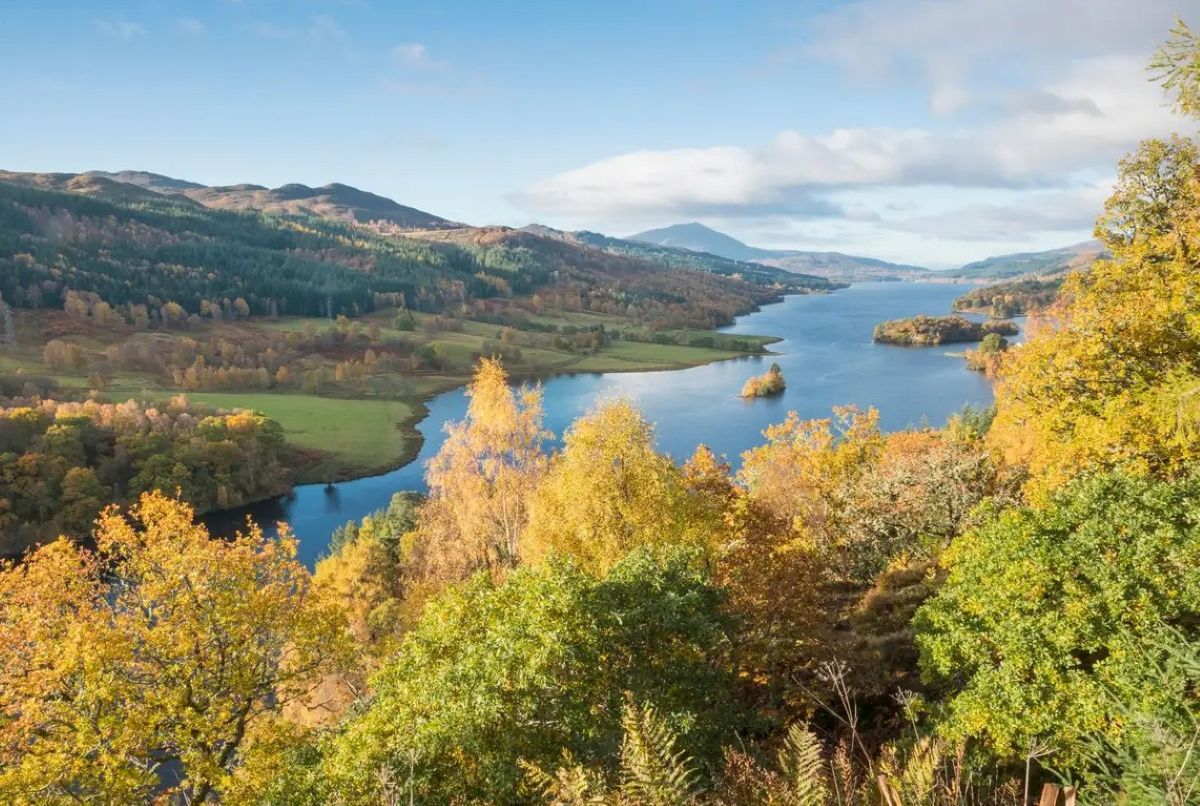
Walking along the beaches of the Outer Hebrides you can almost sense the rhythm of a world that is shifting. The old seas are coming together with a new challenge. The beautiful coastlines of Scotland bigger than you can imagine are asking for care as wild winds and higher waters are putting our favorite island villages in danger.. There is a bright future ahead. This strong plan is not about protecting weak places in nature; it is a true effort to create jobs that help the environment and make sure a good life, for the people who live in these special places.
How Does Scotland’s Blue Economy Vision Revolutionise Island Protection Against Climate Change?
Advertisement
Advertisement
The rugged archipelagos of Orkney, Shetland, and the Outer Hebrides stand firmly on the frontline of severe meteorological shifts, rising sea levels, and aggressive coastal erosion. Through ecosystem-based marine spatial planning, regional authorities actively shield vulnerable spawning grounds and fragile machair coastlines from disruptive over-exploitation while securing natural sea defences. Local municipalities utilize targeted funding to reinforce critical infrastructure, mitigating the severe erosion that continuously threatens historic settlements and delicate wildlife habitats across these isolated northern territories.
Scotland integrates rigorous environmental safeguards directly into its regional development policies, ensuring that maritime expansion never compromises ecological integrity or long-term climate resilience. This proactive defence mechanism preserves natural habitats, allowing native marine ecosystems to naturally absorb carbon and buffer against fierce Atlantic storms. Consequently, coastal communities are building robust defences against environmental degradation while maintaining their rich cultural heritage.
Advertisement
Advertisement
What Role Do Green Coastal Jobs Play in Revitalising Remote Maritime Communities?
Economic vitality across remote northern settlements heavily relies on maritime industries, making workforce diversification an absolute survival necessity for future generations. The strategic framework addresses this critical need by championing low-emission wildlife watching, heritage sailing, and community-led eco-tourism initiatives that successfully replace high-impact mass travel. Regional training schemes align directly with the broader climate emergency framework, equipping local populations with specialized skills in renewable energy maintenance and marine monitoring.
Advertisement
Advertisement
Scotland fosters fair work practices and regional wage equality, ensuring that green transitions directly benefit indigenous workers rather than external corporate entities. Consequently, coastal employment figures stabilize significantly, offering young professionals compelling reasons to build prosperous, sustainable careers within their native island homes.
How Does Sustainable Marine Tourism Transform Visitor Experiences Without Damaging Ecosystems?
Advertisement
Advertisement
Mass tourism historically placed immense pressure on fragile coastal environments, leaving behind scarred landscapes and depleted local resources that took decades to recover. The new governance model redirects the travel sector toward high-value, low-impact models where visitors engage meaningfully with conservation efforts and local heritage. Eco-conscious travelers frequenting the Scottish Highlands experience pristine waters through regulated, low-emission excursions that prioritize animal welfare and habitat preservation above commercial scale.
Scotland successfully bridges the gap between commercial leisure and environmental activism, proving beyond doubt that modern tourism can actively regenerate nature rather than degrade it. Visitors leave with elevated ocean literacy, carrying home a profound respect for marine biodiversity and sustainable living practices that influence global travel trends.
What Financial Mechanisms and Policy Frameworks Drive This Ambitious Marine Strategy?
Ambitious policy visions require robust economic backing, which the government secures through competitive marine grants and specialized recovery funds designed for green transitions. Applicants seeking public backing must explicitly demonstrate how their commercial models reduce carbon footprints and enhance local community resilience against economic shocks. Regional development agencies like Highlands and Islands Enterprise meticulously evaluate projects to ensure capital deployment accelerates the transition toward net-zero operations.
Advertisement
Advertisement
Scotland leverages these targeted investments to stimulate private sector innovation, encouraging shipbuilders, port authorities, and tourism operators to adopt circular economy principles. This stringent accountability guarantees that every pound spent yields measurable, long-lasting benefits for the nation’s marine natural capital and regional economic stability.
How Does Scotland’s Macroeconomic Footprint Drive Marine Gross Value Added Across Coastal Sectors?
Evaluating the total monetary output and macroeconomic weight of Scotland’s maritime sector reveals a robust economic engine anchored in sustainable growth. The broader Scottish marine economy generates approximately £5.6 billion in approximate Gross Value Added (aGVA), representing about 3% of Scotland’s total economic output. Within this expansive maritime landscape, marine and coastal tourism specifically accounts for £699 million in aGVA, making up roughly 12% of the overall marine economy’s GVA.
This financial weight translates directly into substantial livelihood opportunities for thousands of workers across rural districts. Total employment supported by marine and coastal tourism stands at 34,600 people, which constitutes 46% of total employment across all Scottish marine sectors. By cultivating high-value, low-impact economic models, regional leaders ensure that commercial expansion reinforces environmental stewardship rather than depleting natural capital.
How Does Ecosystem-Based Spatial Planning Safeguard Marine Protected Areas from Over-Exploitation?
Managing spatial conflicts and safeguarding sensitive habitats from over-exploitation requires sophisticated zoning maps and stringent regulatory frameworks. Scotland’s marine territory spans over 617,000 square kilometres, an area roughly 7 times larger than its terrestrial landmass, presenting a massive governance challenge. To protect this expansive realm, over 20% of Scotland’s seas are designated under a network of Nature Conservation Marine Protected Areas, Special Areas of Conservation, and Special Protection Areas.
Advertisement
Advertisement
These protected zones are strategically designed to shield vulnerable cold-water coral reefs, delicate maerl beds, and critical fish spawning zones from disruptive human activities. Regional authorities utilize these spatial boundaries to balance commercial fisheries and leisure navigation with the urgent necessity of marine habitat recovery. Consequently, native biodiversity retains a vital buffer against ecological decline.
How Do Climate Vulnerability Indices Drive Coastal Erosion Mitigation Across Northern Archipelagos?
Assessing sea-level rise risks and structural engineering interventions across northern island archipelagos is essential for safeguarding historic settlements and fragile coastlines. Observational data from regional tidal stations across Stornoway, Lerwick, and Kinlochbervie indicate rising relative sea levels that actively accelerate cliff-face and machair erosion. In response, municipalities deploy capital adaptation funds targeting hundreds of kilometres of vulnerable low-lying coastlines.
These engineering interventions prioritize natural sediment retention and resilient dune rehabilitation over traditional, disruptive hard concrete sea walls. By working alongside natural coastal processes, local authorities successfully mitigate severe erosion while preserving the aesthetic and ecological integrity of remote island environments.
How Does the Just Transition and Green Skills Framework Empower Legacy Maritime Workforces?
Retraining legacy maritime workforces for careers in renewable energy, ecological monitoring, and sustainable aquaculture is fundamental to regional workforce survival. While marine tourism supports 25,000 Full-Time Equivalent (FTE) positions, seasonal fluctuations mean up to 44% of baseline roles have historically been part-time or seasonal. To counter this instability, the Climate Emergency Skills Action Plan aims to transition workers toward green technical roles.
Advertisement
Advertisement
These targeted training programs focus on net-zero maritime support operations and low-emission vessel management across communities in Orkney and Shetland. Consequently, local populations acquire future-proof competencies that support long-term regional stability and economic resilience.
How Does the Decarbonisation of Marine Transport Transform Lifeline Services in Island Communities?
Greening lifelines and ferry networks linking mainland hubs to remote island communities represents a critical step toward achieving national net-zero targets. Maritime transport and domestic ferry networks account for a vital share of remote transport emissions, making fleet modernization an absolute operational priority. Ongoing modernization frameworks inject millions of pounds into hybrid-electric and low-emission vessel retrofits.
These technological upgrades aim to cut vessel carbon intensity per passenger nautical mile significantly over the coming decade. By cleaning up essential transport corridors, Scotland ensures that regional connectivity does not come at the expense of climate health.
How Do Sustainable Aquaculture and Marine Biotechnology Diversify Regional Economic Output?
Balancing finfish, shellfish, and macro-algae cultivation with strict environmental carrying capacity limits protects coastal waters while driving innovation. The Highlands and Islands region hosts a substantial share of Scotland’s aquaculture output, valued in the hundreds of millions annually. Modern policy initiatives focus heavily on expanding seaweed cultivation (kelp farming) and marine biotechnology across coastal lochs.
Advertisement
Advertisement
These biological ventures naturally sequester atmospheric carbon while providing alternative organic inputs for regional agricultural and industrial supply chains. Through careful ecological monitoring, aquaculture operators maintain strict compliance with environmental thresholds, ensuring long-term sustainability.
How Does Regional Community Wealth Building Implement Dispersed Tourism Models?
Spreading visitor expenditure away from congested hotspots toward peripheral island communities prevents over-tourism and distributes economic benefits equitably. Regional development data demonstrates high historic concentration—for instance, the Forth and Tay marine region captures roughly £197 million, or 28%, of total marine tourism aGVA. To rebalance this distribution, the Blue Economy plan utilizes targeted dispersal metrics.
These metrics drive high-value, low-impact eco-tourism directly into the Outer Hebrides and rural northern counties. By empowering local micro-enterprises, the strategy ensures that community wealth building remains at the forefront of regional tourism management.
How Do Circular Economy Principles Drive Marine Litter Eradication Across Scottish Harbors?
Eliminating single-use plastics, abandoned fishing gear (ghost nets), and port waste through circular material loops preserves the pristine allure of coastal waters. Coastal clean-up initiatives recover tens of tonnes of marine plastic debris annually from rugged shorelines and sheltered sea lochs. Furthermore, port authorities across major Scottish harbors enforce strict waste reception fees and circular recycling mandates.
Advertisement
Advertisement
These regulatory controls ensure that discarded commercial fishing nets and vessel plastics are systematically repurposed rather than incinerated or lost at sea. Through closed-loop material management, Scotland safeguards its marine environment from persistent anthropogenic pollutants.
The Final Verdict
At the end of the day keeping Scotland’s amazing coastlines safe is more than just rules on paper it is a promise to the people who will live here in the future. When we support jobs, along the coast and protect these delicate islands we are giving new energy to communities that have faced tough times for hundreds of years. Let’s make sure these coasts stay wild full of life and strong so that our blue seas keep being full of feeling and spirit.
Frequently Asked Questions
- What is the primary objective of the Scotland Advance Blue Economy Tourism Plan? The plan aims to protect fragile island ecosystems, combat climate change, and generate sustainable green coastal jobs through responsible marine tourism management.
- How do remote island communities benefit from this strategic framework? Communities gain resilient infrastructure, diversified economic opportunities, fair work practices, and enhanced protection against severe coastal erosion and sea-level rise.
- Does the strategy eliminate tourism entirely from Scottish coastal regions? No, it replaces high-impact mass tourism with high-value, low-emission sustainable travel models that actively contribute to environmental conservation.
Advertisement
