

Zanzibar Tourism Growth Sparks A Luxury Travel Revolution As New Resorts Redefine The Ultimate Island Escape

Published
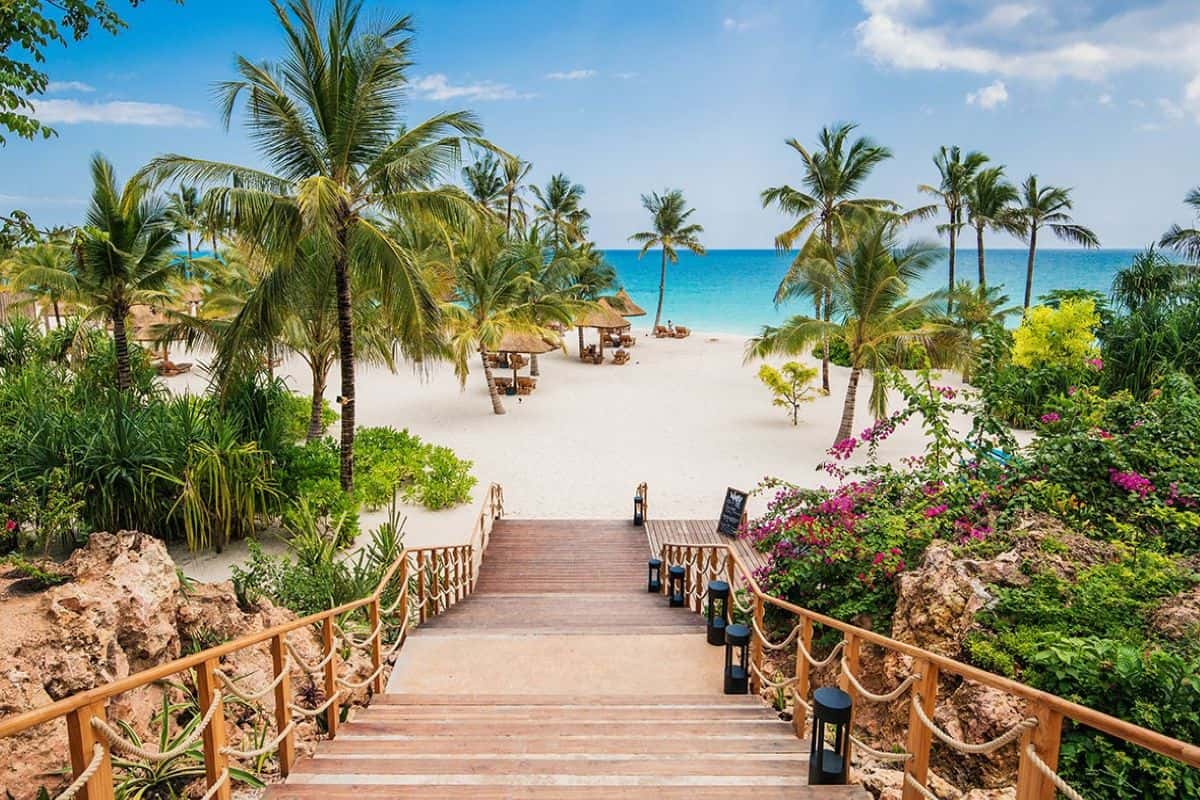
There is a magic that comes over you the instant the warm African breeze touches your skin in Zanzibar. Strolling through the maze of stone alleys you can almost hear the stories of many years ago passing through the carved wooden doors. It is an awakening—the smell of vanilla and cloves filling the air smoothly mixing with the sound of blue waves softly touching bright white beaches.
The Comprehensive Explanatory Introduction Examining the Extraordinary Transformation of the Island Tourism Economy and Its Profound Global Travel Industry Impact
Zanzibar Hospitality Market Update functions as an extraordinary milestone for worldwide tourism, demonstrating how specific regional destinations manage to capture international attention with remarkable success. Furthermore, independent tourism analysts reported that Zanzibar had officially evolved into a primary East Africa hospitality leader of unprecedented proportion. Consequently, industry stakeholders observed that ongoing luxury property developments and elevated global air connectivity were dramatically reshaping the entire regional economy. Moreover, international observers noted that these sweeping modifications were fundamentally altering broader behavioral patterns for global travelers who constantly seek unique island getaways across tropical environments.
Navigating Strategic Future Outlooks and Projected Sector Expansions Leading Steadily Toward the Year Two Thousand and Thirty
Advertisement
Advertisement
Industry forecasters predicted that based entirely on current commercial momentum, Zanzibar could easily surpass one million annual international visitors by 2027, or potentially even sooner if growth rates maintained their current trajectory. Furthermore, hospitality specialists stated that over the subsequent five-year period, the local hotel sector would heavily benefit from expanded luxury resorts and globally recognized branded hospitality networks. Industry researchers also anticipated a persistent worldwide surge in demand for boutique accommodations, wellness sanctuaries, and sustainable tourism experiences across the destination.
At the same time, regional commentators warned that potential infrastructure limitations, fluctuating seasonal demand cycles, and rising local market competition could eventually influence future hotel occupancy rates and overall operational profitability. Nevertheless, industry experts concluded that the regional market retained exceptionally strong long-term growth potential backed by record tourism figures and continuous international financial investment. Ultimately, analysts agreed that through 2030, high-quality, meticulously positioned, and professionally operated hospitality projects would capture the greatest commercial success within this rapidly expanding global tourism economy.
Advertisement
Advertisement
Analyzing Unprecedented Growth and Surging International Visitor Numbers Across the Destination Island Landscape
Industry observers noted that Zanzibar had welcomed an impressive 917,167 international tourists throughout 2025, marking a remarkable 24.5% numerical growth compared directly to the previous year of 2024. Additionally, official reporting sources indicated that this strong upward trajectory persisted directly into 2026, registering 633,228 verified visitors between the months of January and August, which reflected a solid 10.6% year-on-year increase. Analysts further emphasized that August 2026 established a historic performance benchmark by attracting 124,481 international visitors alongside an astonishing estimated hotel bed occupancy rate of 92.9%. Meanwhile, comprehensive reports confirmed that European travelers constituted the single largest source market segment, accounting for approximately 58% of those recorded August arrivals.
Advertisement
Advertisement
Hospitality experts explained that this continuous sectoral expansion was heavily fueled by an escalating global appetite for upscale accommodations and exclusive holiday experiences. Specifically, market analysts highlighted that modern vacationers exhibited a profound preference for ultra-luxury resorts, distinctive boutique hotels, immersive wellness retreats, and premium beachfront experiences. Consequently, this heavy visitor influx and changing consumer demand heavily attracted major international hospitality operators and astute global investors who were eager to capitalize on the thriving regional market across East Africa.
Analyzing Comprehensive Aviation Capacity and Airport Infrastructure Expansion Across the Island
Abeid Amani Karume International Airport has experienced a remarkable surge in operational activity, handling passenger traffic that has decisively surged past 2.69 million passengers. This immense passenger volume is primarily driven by the expanded capacity of Terminal 3, alongside 34 direct international routes linking the destination directly to major aviation hubs across Europe, the Middle East, and mainland Africa. Furthermore, regional development planners have initiated targeted upgrade projects for the Pemba Island airport facilities to ensure regional air transit can comfortably accommodate the ongoing influx of high-spending international vacationers.
Industry observers noted that these continuous airport enhancements directly facilitate the seamless movement of global travelers heading toward luxury coastal resorts. Consequently, aviation analysts emphasized that robust connectivity remains an absolute cornerstone for maintaining high visitor arrival volumes, directly preventing travel bottlenecks during peak tourism cycles. Moreover, experts indicated that ongoing infrastructure investments across regional terminals would significantly bolster long-term market confidence among international hotel operators and major global investors.
Advertisement
Advertisement
Evaluating Visitor Length of Stay and Economic Yield Per Tourist Within the Regional Economy
Hospitality analysts reported a profound structural shift regarding how international travelers experience the destination, moving away from short weekend excursions toward extended high-value vacations. Specifically, data indicated that the average intended length of stay for global visitors climbed to 8 nights by the conclusion of 2025, directly contributing to total annual tourism earnings that successfully crossed USD 1.19 billion. This extended duration clearly demonstrates that incoming tourists are investing significantly more financial capital into premium island experiences and bespoke leisure activities.
Market specialists explained that this elevated economic yield per visitor directly empowers local hospitality providers to upgrade service standards and elevate luxury offerings. Furthermore, financial experts observed that higher per-capita spending generates robust revenue streams for local businesses, ranging from fine dining establishments to curated marine excursions. Ultimately, economists concluded that increasing the average length of stay remains crucial for maximizing regional profitability without overstretching the physical carrying capacity of the coastal ecosystem.
Understanding European Source Market Diversification and Regional Feeder Dominance
Official tourism reports consistently confirm that Europe commands an overwhelming share of incoming vacationers, maintaining approximately 56% to 58% of monthly high-season arrivals across the region. Within this dominant continental feeder market, specific source countries play an indispensable role in sustaining resort occupancy rates. For instance, Italy captured roughly 14.4% of the total market share during peak winter intervals, while strong delegations originating from France and Germany firmly established themselves as the bedrock of the island’s luxury resort clientele.
International hospitality marketers noted that understanding these core demographic segments allows property operators to tailor specialized wellness, culinary, and cultural packages precisely to European preferences. Additionally, tourism researchers highlighted that maintaining strong bilateral airline agreements with these vital European feeder hubs ensures a steady, predictable stream of affluent travelers throughout the calendar year. Consequently, regional hoteliers continue allocating substantial marketing budgets toward capturing these specific European source markets to safeguard their long-term competitive advantage.
Advertisement
Advertisement
Assessing Real Estate Investment and the Branded Hospitality Pipeline Across Prime Coastal Zones
Institutional confidence and substantial capital inflows continue transforming the destination real estate market, with major international developers heavily investing in branded inventory. In response to skyrocketing global demand, investors are actively funding specialized coastal real estate models and rental pool programs situated within prime zones like Nungwi. These high-end developments are meticulously structured to hedge against long-term land tenure regulations while delivering world-class architectural designs tailored to ultra-luxury travelers.
Real estate experts indicated that the rapid expansion of internationally branded hotel chains brings standardized luxury service benchmarks that elevate the entire regional hospitality sector. Furthermore, financial advisors noted that these institutional investments create a secure ecosystem for foreign capital, encouraging further multi-million-dollar developments across unexplored coastal tracts. Ultimately, analysts agreed that this robust real estate pipeline will comfortably support the projected surge in international visitor arrivals anticipated over the coming years.
Managing Seasonal Demand Smoothing and Achieving Robust Shoulder-Season Growth
Tourism planners have increasingly focused on mitigating traditional low-season troughs by implementing innovative marketing campaigns designed to attract travelers during transitional months. When contrasting massive historical peaks—such as the record-breaking 124,481 visitors recorded in August 2026—against transitional shoulder intervals, analysts observed a remarkable 73.4% monthly bounce between low-season slumps and early summer arrivals. This strong performance proves that the archipelago is successfully evolving from a strictly seasonal destination into a thriving year-round hotspot.
Hospitality executives explained that smoothing out seasonal demand fluctuations allows luxury resorts to maintain stable staff employment levels and optimize operational profitability. Additionally, global travelers benefit from these initiatives by enjoying lesser-crowded beaches, more favorable pricing structures, and highly personalized service delivery during the shoulder months. Experts concluded that continued diversification of tourism offerings will remain essential for sustaining high occupancy rates across all four quarters of the year.
Advertisement
Advertisement
Integrating Environmental Sustainability and Eco-Resort Engineering Into Modern Developments
Rapid commercial hospitality expansion has generated mounting regulatory and market pressure for comprehensive environmental sustainability measures across the entire island territory. Modern developers are increasingly adopting eco-friendly resort engineering practices, advanced waste management systems, and renewable energy integration to minimize their carbon footprint. These critical conservation initiatives are specifically designed to protect the pristine white-sand beaches, lush natural vegetation, and fragile coral ecosystems that collectively draw global travelers to the region.
Environmental consultants emphasized that preserving natural ecological assets is no longer merely an ethical choice but a mandatory business strategy for luxury properties catering to eco-conscious modern vacationers. Furthermore, regional authorities have introduced stringent ecological compliance guidelines for all newly approved resort constructions operating near sensitive marine environments. Ultimately, industry leaders agreed that balancing rapid economic growth with rigorous environmental stewardship will determine the long-term viability of the destination’s tourism economy.
Driving Local Employment, Specialized Workforce Training, and Community Socio-Economic Impact
The phenomenal surge in high-end resort operations has dramatically accelerated the demand for specialized hospitality training programs targeted directly at local community residents. Educational initiatives are actively shifting job creation models away from informal service roles toward professionalized management, culinary, and technical positions within international hotel chains. This workforce transformation ensures that the economic prosperity generated by international tourism is equitably distributed among the indigenous population.
Sociological experts noted that empowering local residents with certified hospitality skills significantly improves household incomes and elevates regional living standards across the island. Moreover, resort operators discovered that employing well-trained local staff enhances the authentic cultural experience offered to global guests, bridging the gap between luxury comfort and genuine regional heritage. Economists concluded that sustained investment in human capital remains the most effective method for securing long-term community support for future tourism development.
Advertisement
Advertisement
Diversifying On-Island Tourist Experiences Beyond Traditional Coastal Beachfront Attractions
Tourism strategists have aggressively expanded visitor itineraries beyond traditional beachfront relaxation by promoting rich cultural heritage tours within historic districts like Stone Town, authentic spice farm excursions, and protected marine national parks. This deliberate diversification strategy aims to successfully disperse record-breaking visitor volumes, thereby reducing ecological congestion in primary coastal hotspots while sustaining high visitor satisfaction ratings.
Cultural tourism analysts observed that modern global travelers increasingly seek immersive, multi-dimensional vacation experiences rather than passive sunbathing alone. By highlighting historical landmarks and local artisanal trades, the destination provides enriching educational value that resonates deeply with culturally curious explorers. Ultimately, experts concluded that offering a diverse spectrum of on-island activities ensures the destination retains its unique competitive edge within the fiercely contested global travel market.
The Final Verdict
As the sun goes down past the edge of the sky the Indian Ocean becomes a painting of orange and dark purple. You stand there. Feel the time slow down. Zanzibar stays with you even when your trip is over. It is not a place to go on vacation. It is something. It is a place where the past’s alive in the old buildings and where every smile feels like coming home. The island touches your heart without saying anything. It gives you calm and pretty sights that no city can give. You go away with pictures and tales. Actually you go away with something. A soft missing feeling. A part of the islands magic is now, inside you.
Advertisement
