
Indonesia: Artotel Group Supports West Java Sports Tourism Development

Published
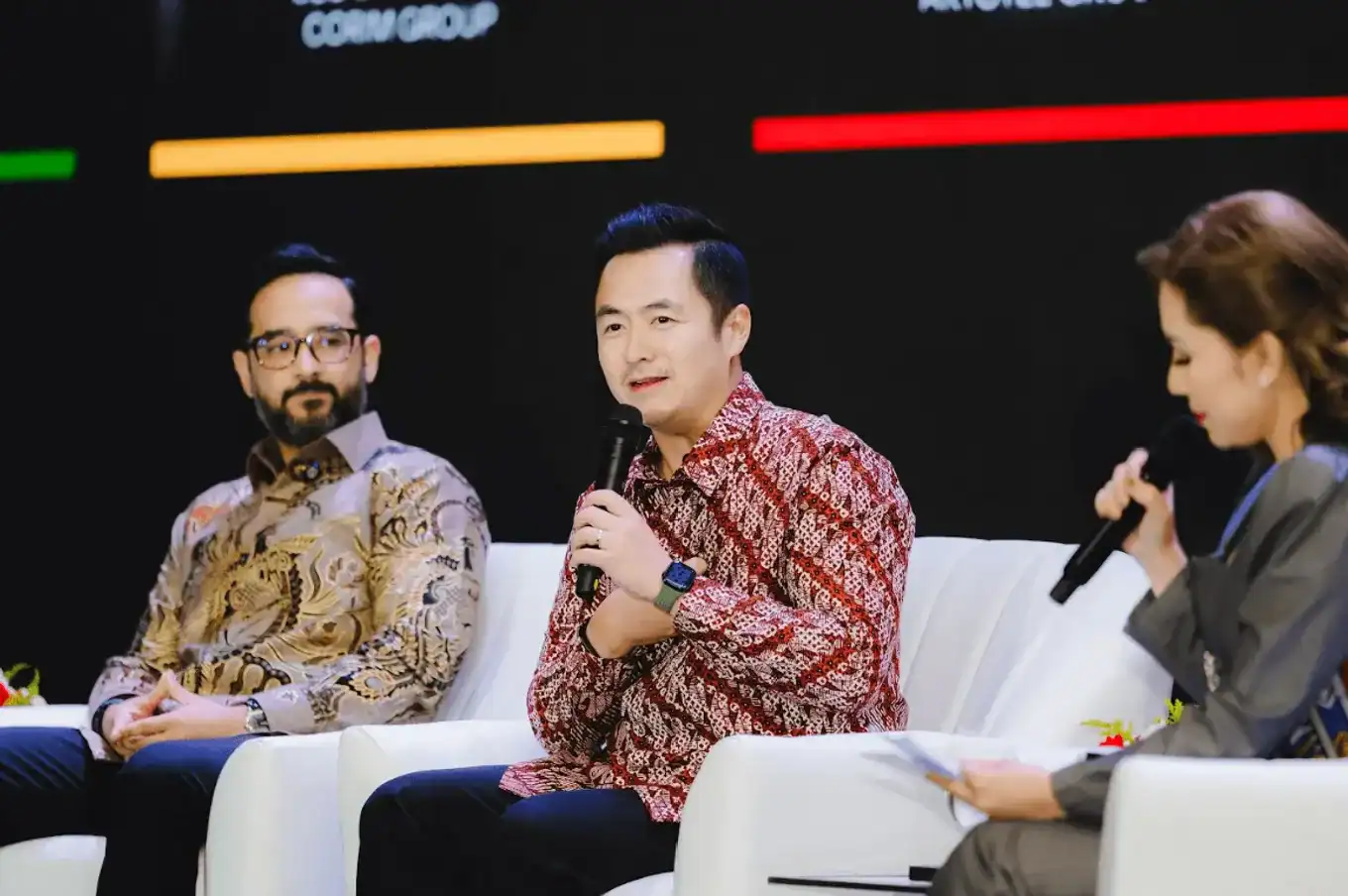
Strategic regional transformation initiatives are currently being implemented across the Republic of Indonesia to bolster national economic prosperity through targeted infrastructure enhancement. Within this framework, modern tourism and hospitality paradigms are being reshaped to encompass active lifestyles, public health, and recreational engagement. Specifically, regional planning focuses on the revitalization and conversion of major municipal facilities into dynamic economic centers. During the Business Infrastructure Forum, which was conducted as an integral component of the Indonesia Sports Summit 2026, extensive discussions were held regarding the optimization of public assets. The event was organized by the Ministry of Youth and Sports of the Republic of Indonesia at Hall Cendrawasih, Jakarta International Convention Center (JICC). Government representatives, industry leaders, investors, and infrastructure operators convened to examine prospective models for asset management and utility maximization.
Prominent leadership participation marked the event, with Erastus Radjimin, Founder & Chief Executive Officer of Artotel Group, voicing endorsement for the strategic conversion of designated municipal locations. Detailed presentations were delivered by Dedi Mulyadi, Governor of West Java, and Muhammad Farhan, Mayor of Bandung, outlining the economic and recreational potential inherent in four specific sports complex assets located in West Java. These designated assets comprise Kawasan Sport Jabar Arcamanik, Lahan Tanjungsari, Sarana Olahraga Lodaya, and Sarana Olahraga Padjadjaran. Each complex possesses distinct characteristics and unique opportunities that require robust, collaborative efforts between public authorities and private sector entities to achieve optimal operational efficiency and community utility.
Impact on Travellers
Enhanced infrastructure developments are anticipated to significantly transform the overall visitor experience for domestic and international travelers exploring the region. By merging recreational athletics with holistic well-being and hospitality services, visitors are provided with immersive environments that cater to active travel trends. Travelers seeking dynamic itineraries will be offered continuous access to year-round activities, seamlessly blending athletic participation with leisure, retail consumption, culinary exploration, and cultural engagement.
Furthermore, the integration of diverse lifestyle offerings ensures that modern guests enjoy multifaceted travel experiences that extend far beyond traditional accommodation boundaries. Visitors will benefit from comprehensively upgraded facilities that support physical fitness, mental relaxation, and community interaction. These multi-use zones are designed to serve as vibrant hubs where travelers can engage in local culture while maintaining their wellness routines, thereby redefining the standard parameters of regional tourism.
Advertisement
Advertisement
Industry Insights
Strategic evaluations within the hospitality sector indicate a fundamental shift toward the convergence of hospitality, sports management, and wellness tourism. Industry stakeholders are increasingly recognizing that standalone lodging assets must evolve into integrated lifestyle ecosystems to maintain long-term competitive viability. By aligning accommodations with entertainment, food and beverage outlets, retail spaces, and community zones, commercial entities can mitigate seasonal fluctuations and drive consistent asset utilization.
Advertisement
Advertisement
Expert assessments emphasize that collaborative partnerships between governmental bodies and private hospitality management companies are essential for unlocking the true value of public infrastructure. Such synergies enable enterprises to diversify revenue streams, optimize operational performance, and contribute meaningfully to regional economic development. The integration of specialized hospitality frameworks into public sports complexes establishes a scalable blueprint for future investments across the Asia Pacific region.
Practical Information
The implementation of these regional development goals relies heavily on coordinated operational strategies overseen by experienced hospitality management organizations. Artotel Group, an established Indonesian hotel operator and management company, manages an extensive portfolio exceeding 100 hotels and more than 10,000 guest rooms nationwide. The corporate structure encompasses four distinct business units, namely Hotel under the Stay division, Food & Beverages under the Dine division, Event Management under the Play division, and Curated Merchandise under the Shop division.
The enterprise oversees diverse property categories ranging from economy to boutique and luxury segments, operating recognized brands such as ARTOTEL, DAFAM, MAXONE, and ROOMS INC. Notably, the flagship ARTOTEL brand, introduced in 2012 from Surabaya, functions as an art-inspired design hotel concept featuring original artwork created by emerging Indonesian contemporary artists. These properties frequently stand as architectural landmarks and creative oases within major urban centers across Indonesia, providing a solid operational foundation for future lifestyle and tourism initiatives.
Comparison with Previous Policies or Developments
Traditional approaches to sports infrastructure management historically concentrated on single-purpose utilization, restricted primarily to scheduled athletic competitions or localized community training sessions. These conventional models frequently resulted in underutilized facilities, sporadic revenue generation, and a lack of economic synergy with surrounding tourism and commercial sectors. Consequently, public sports complexes often operated as standalone entities with limited integration into the broader regional visitor economy.
In contrast, contemporary development policies emphasize multi-sector integration, combining athletic facilities with hospitality, wellness, retail, and entertainment ecosystems of Indonesia. This modern framework transitions public assets from passive recreational spaces into active, year-round economic drivers. By fostering public-private partnerships and applying structured hospitality management expertise, current initiatives overcome the historical limitations of asset underutilization, establishing a sustainable model for comprehensive urban and regional growth.
Image Source- Artotel Group
Advertisement
